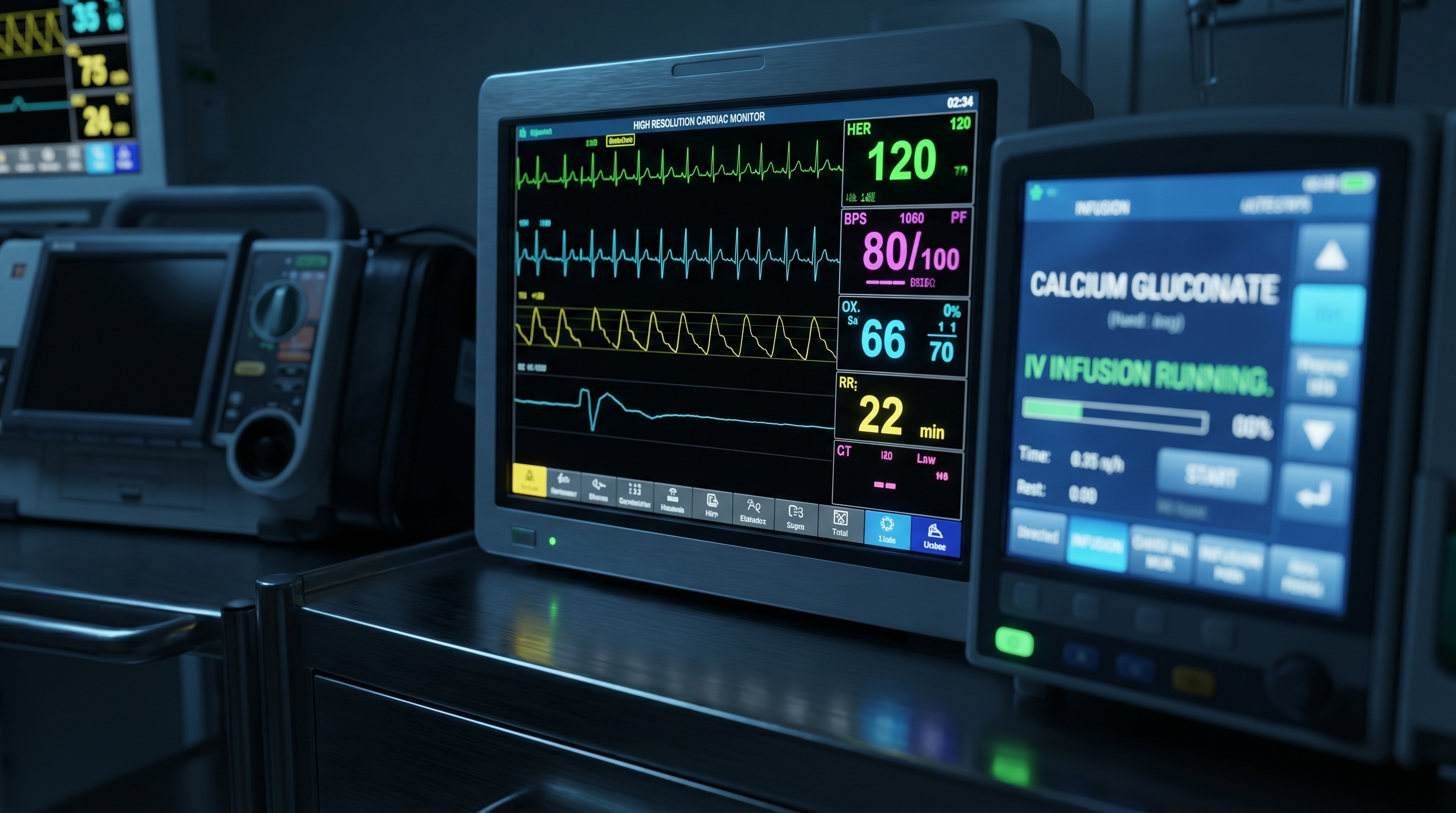
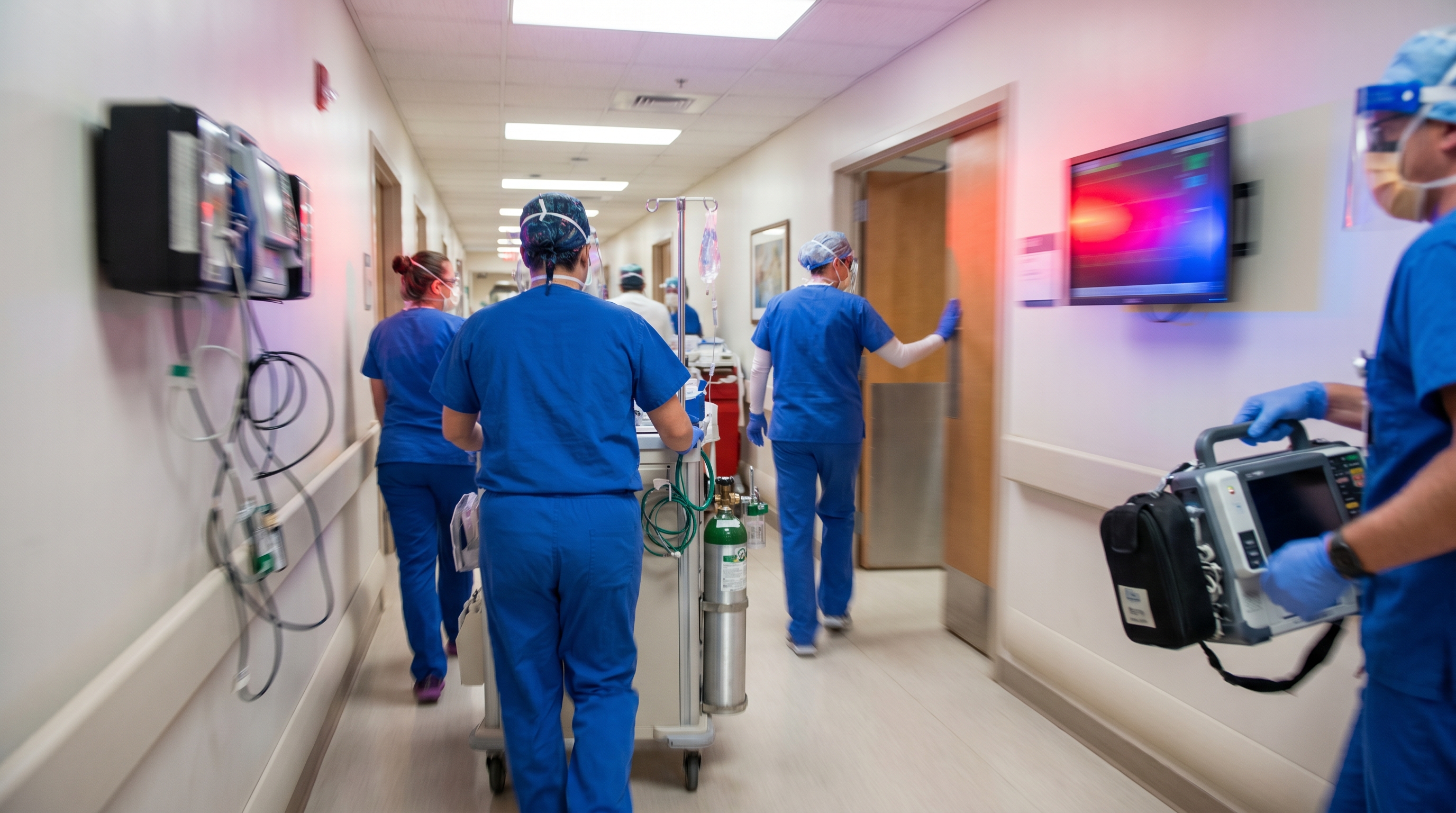
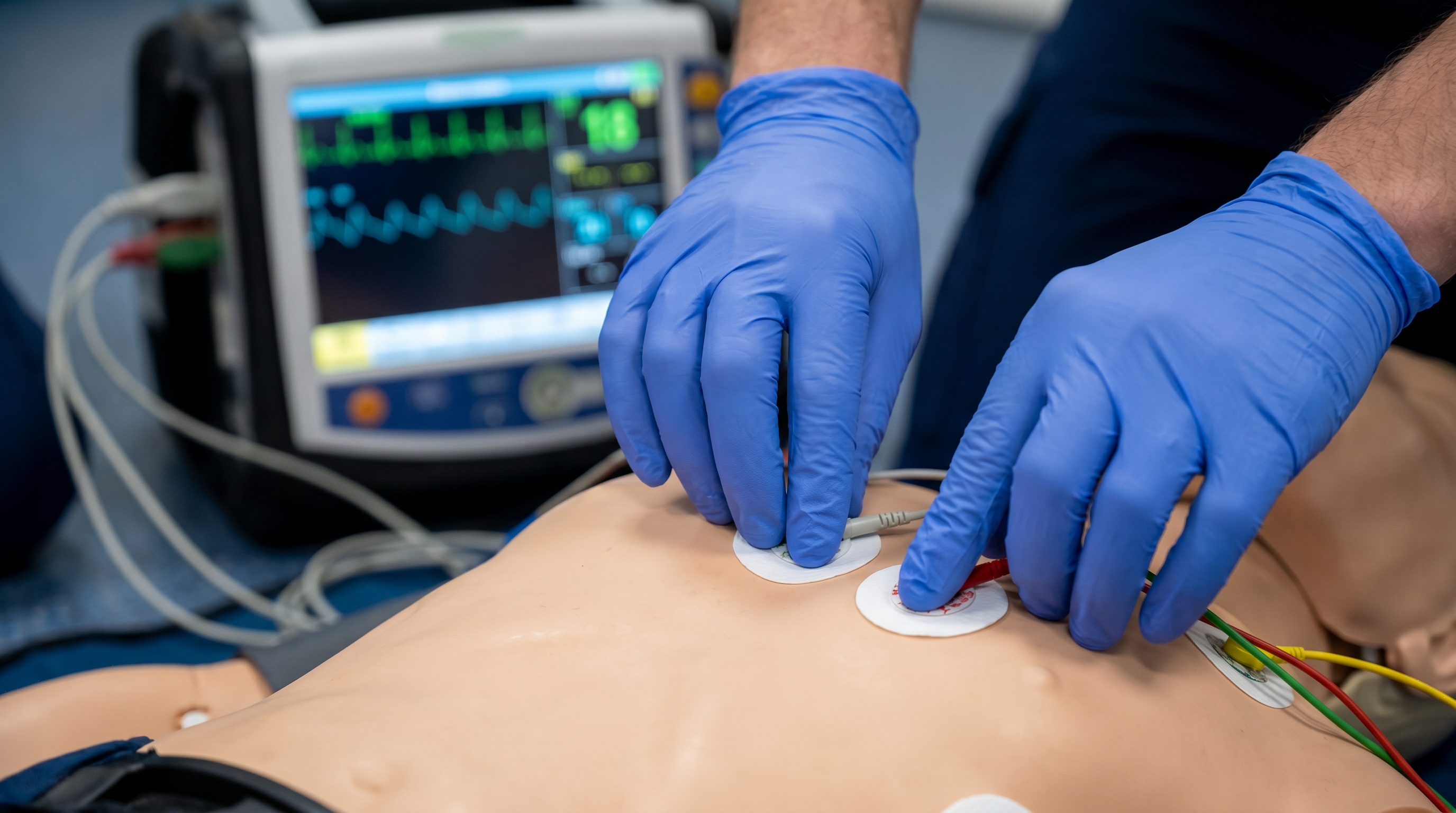
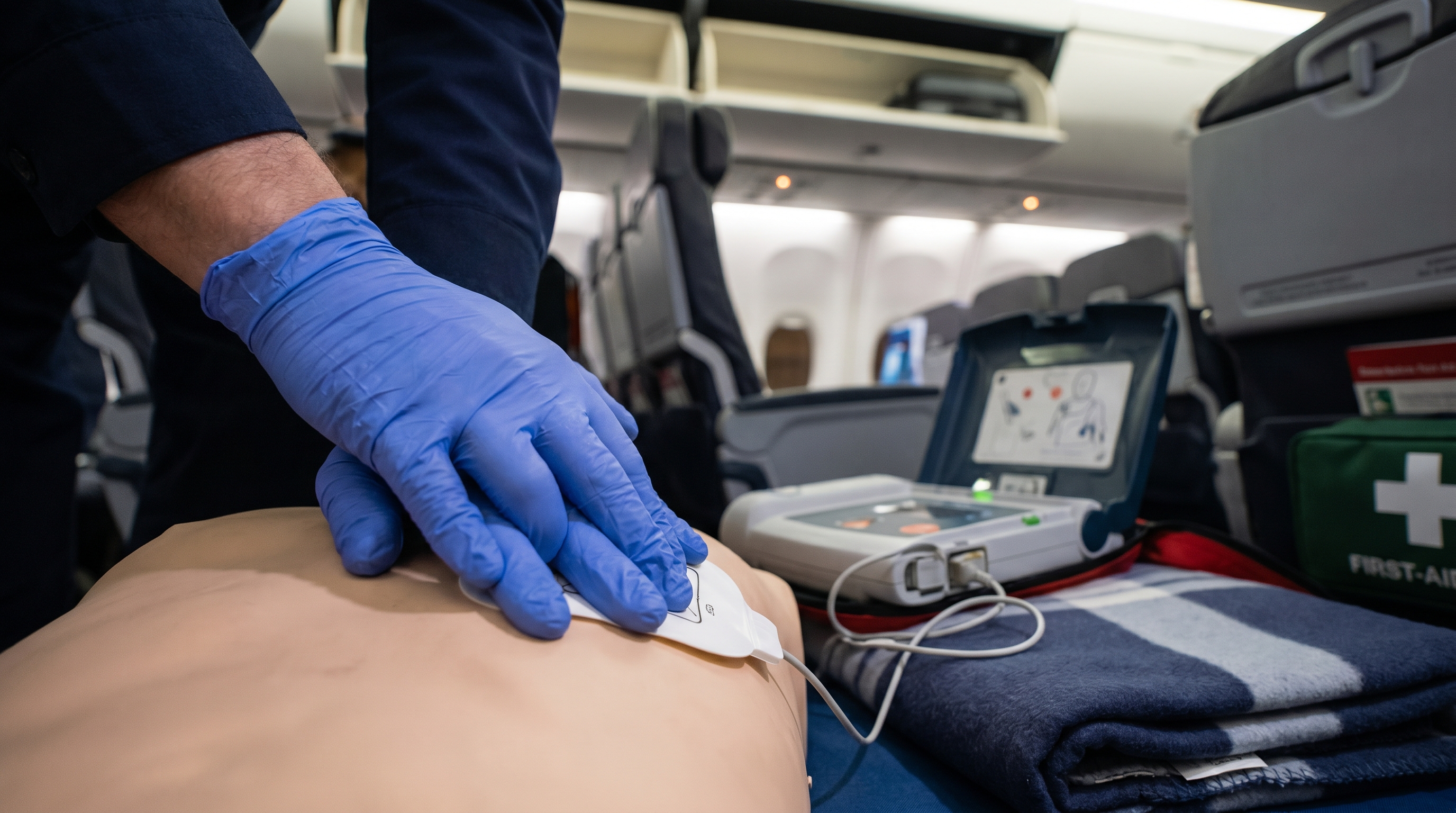
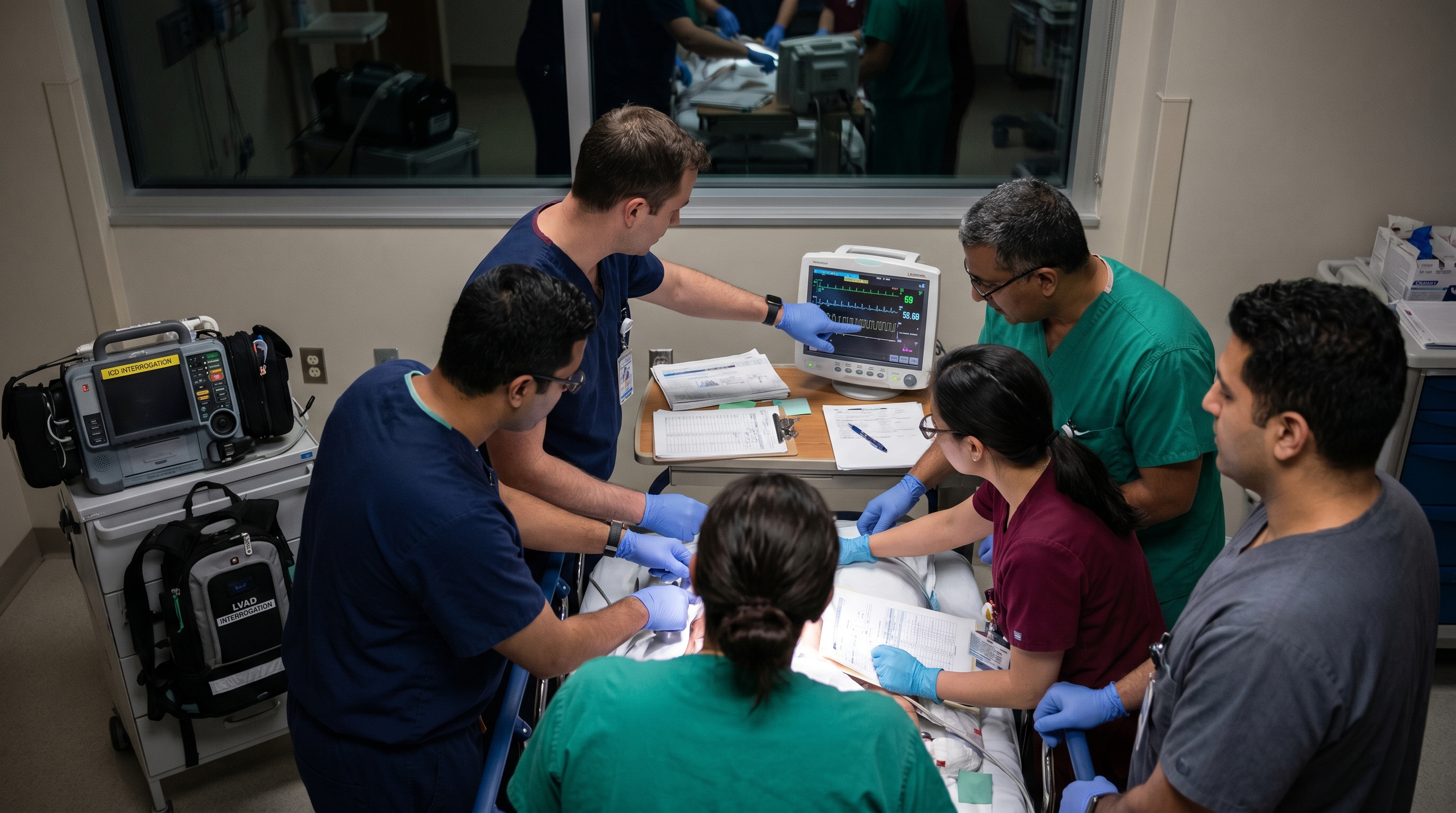
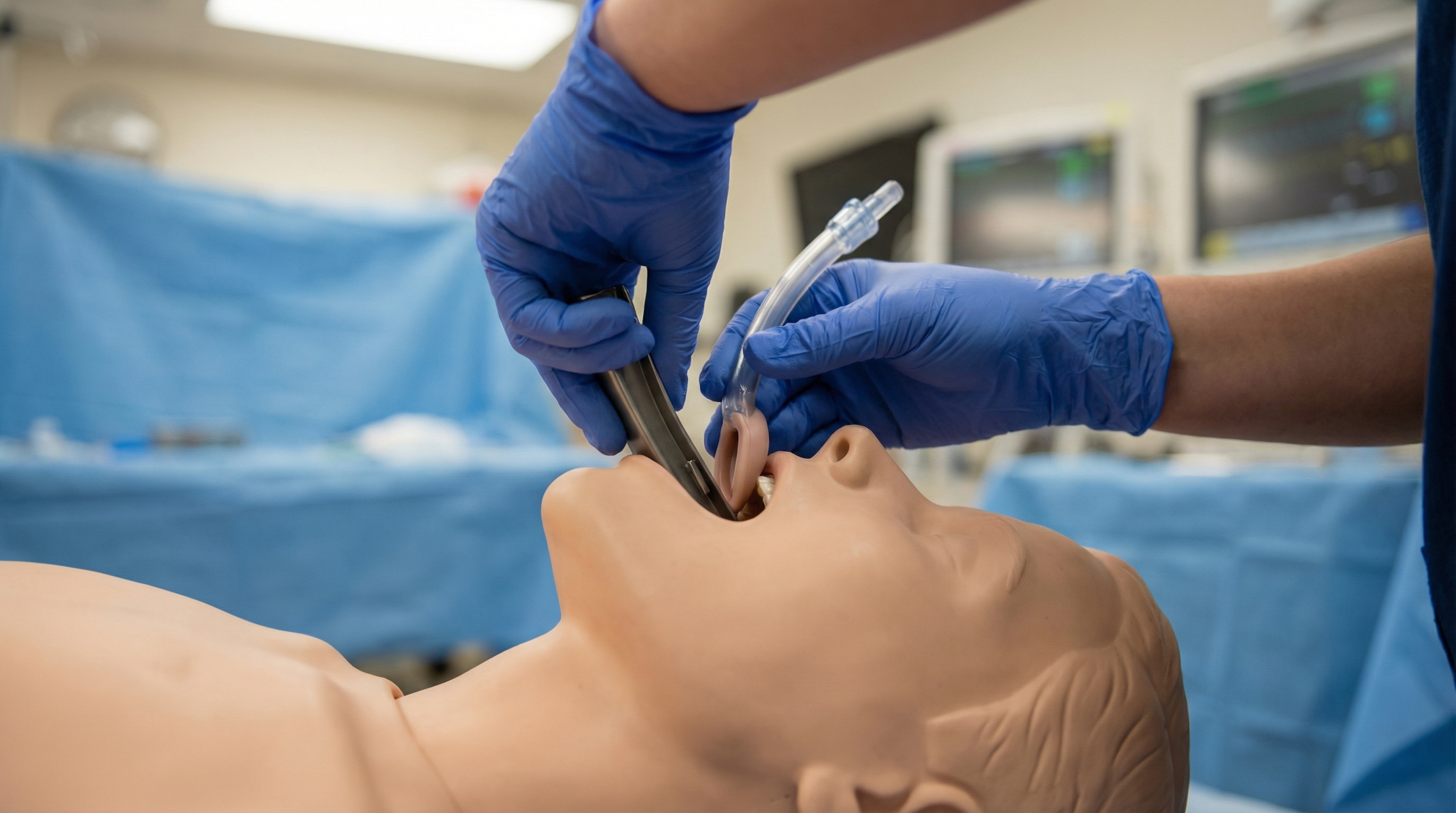
A child in shock rarely looks like the textbook picture until it is almost too late, because pediatric vital signs can look reassuring right up until they are not. This PALS decision card breaks down the four shock types - hypovolemic, distributive, cardiogenic, and obstructive - so you can match the clinical picture to the right fluid strategy fast.
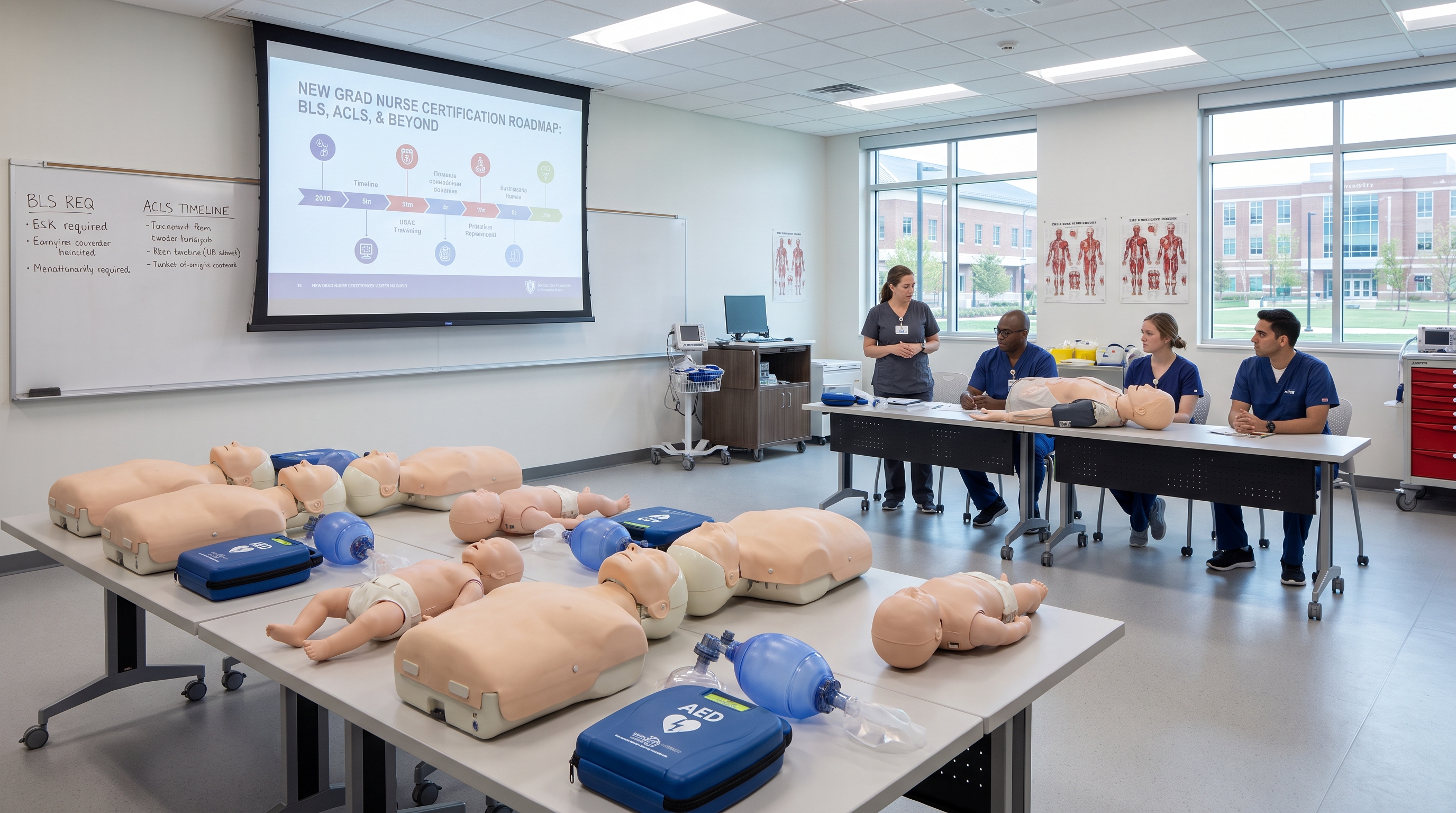
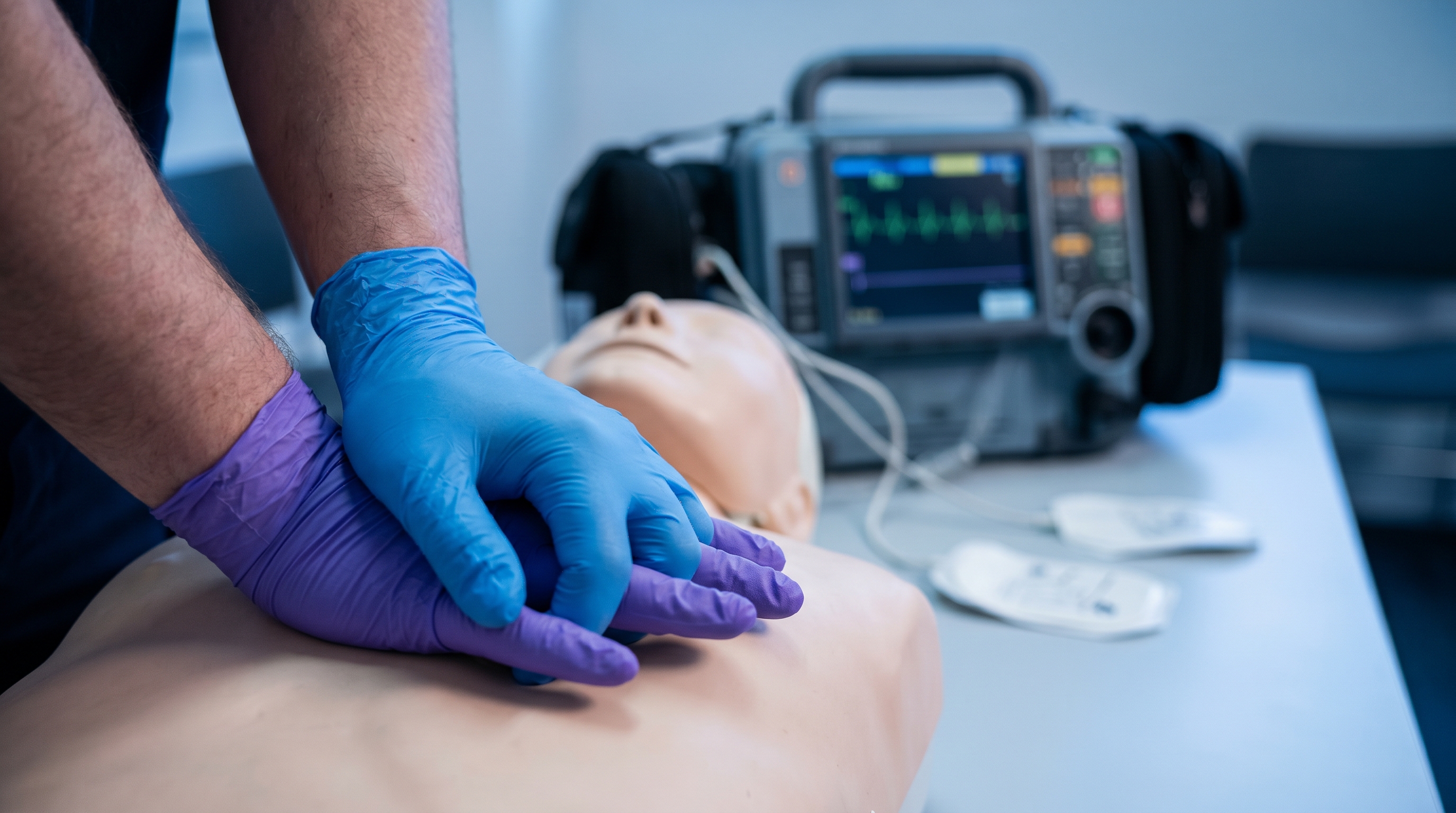
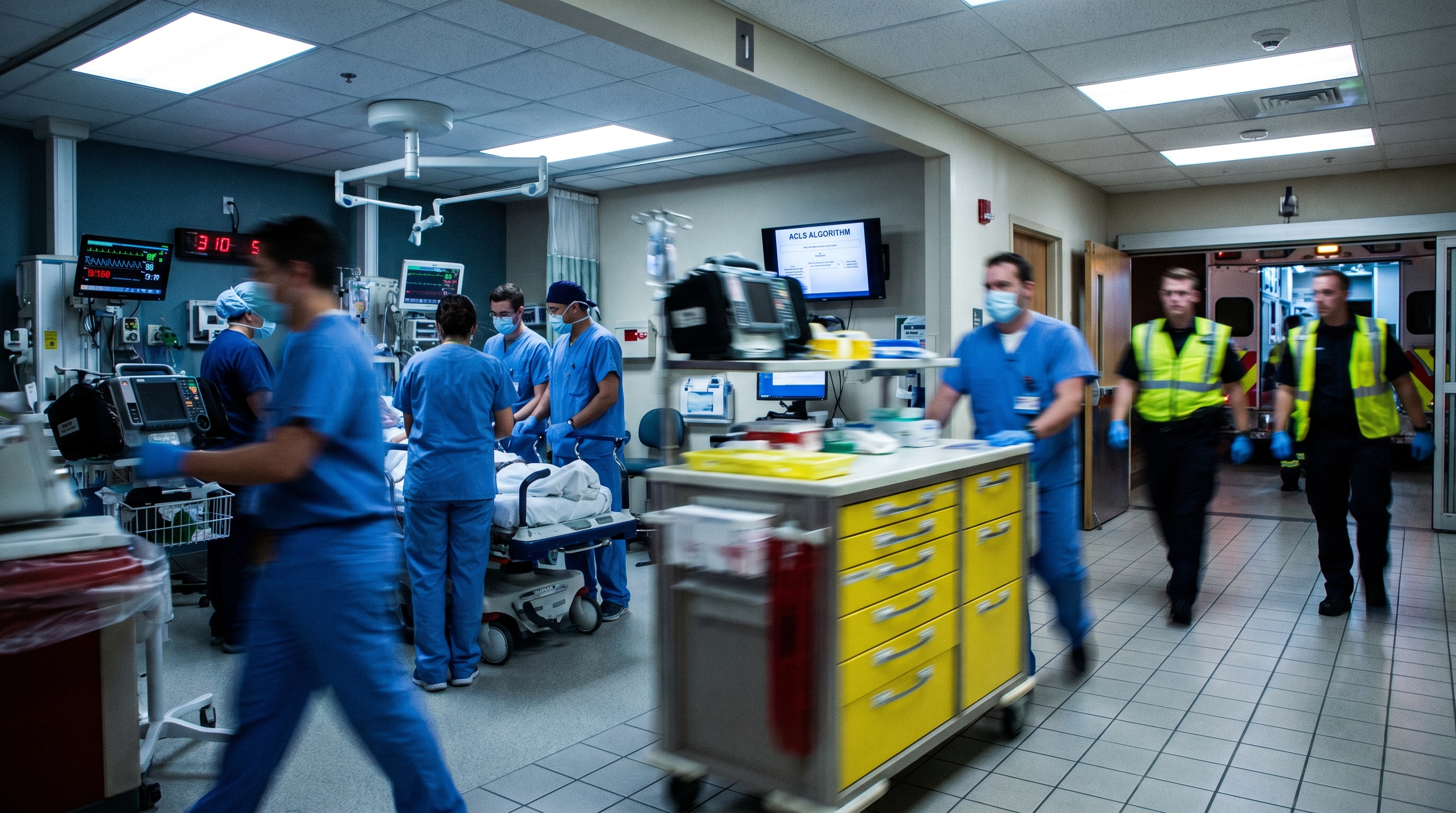
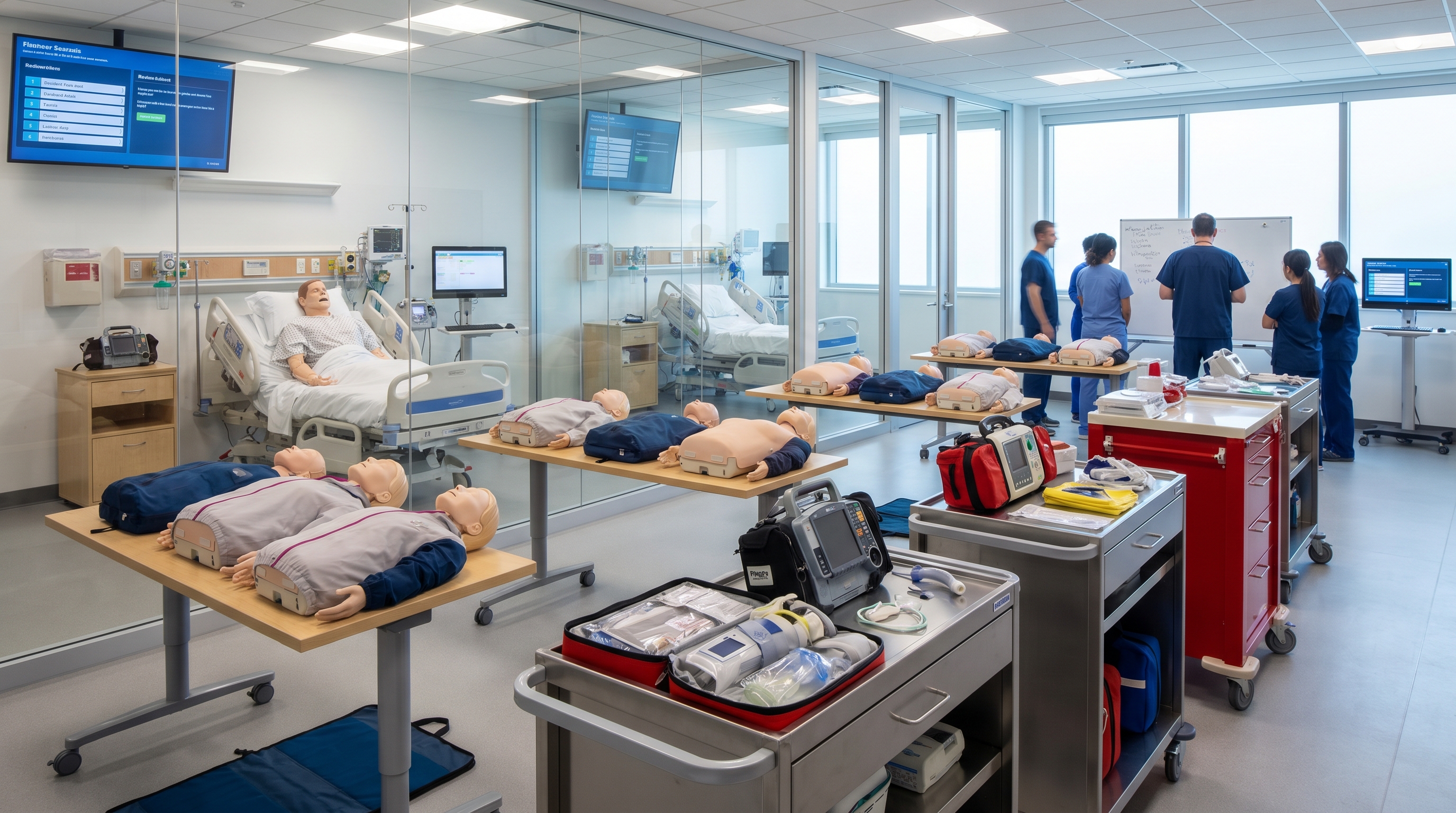
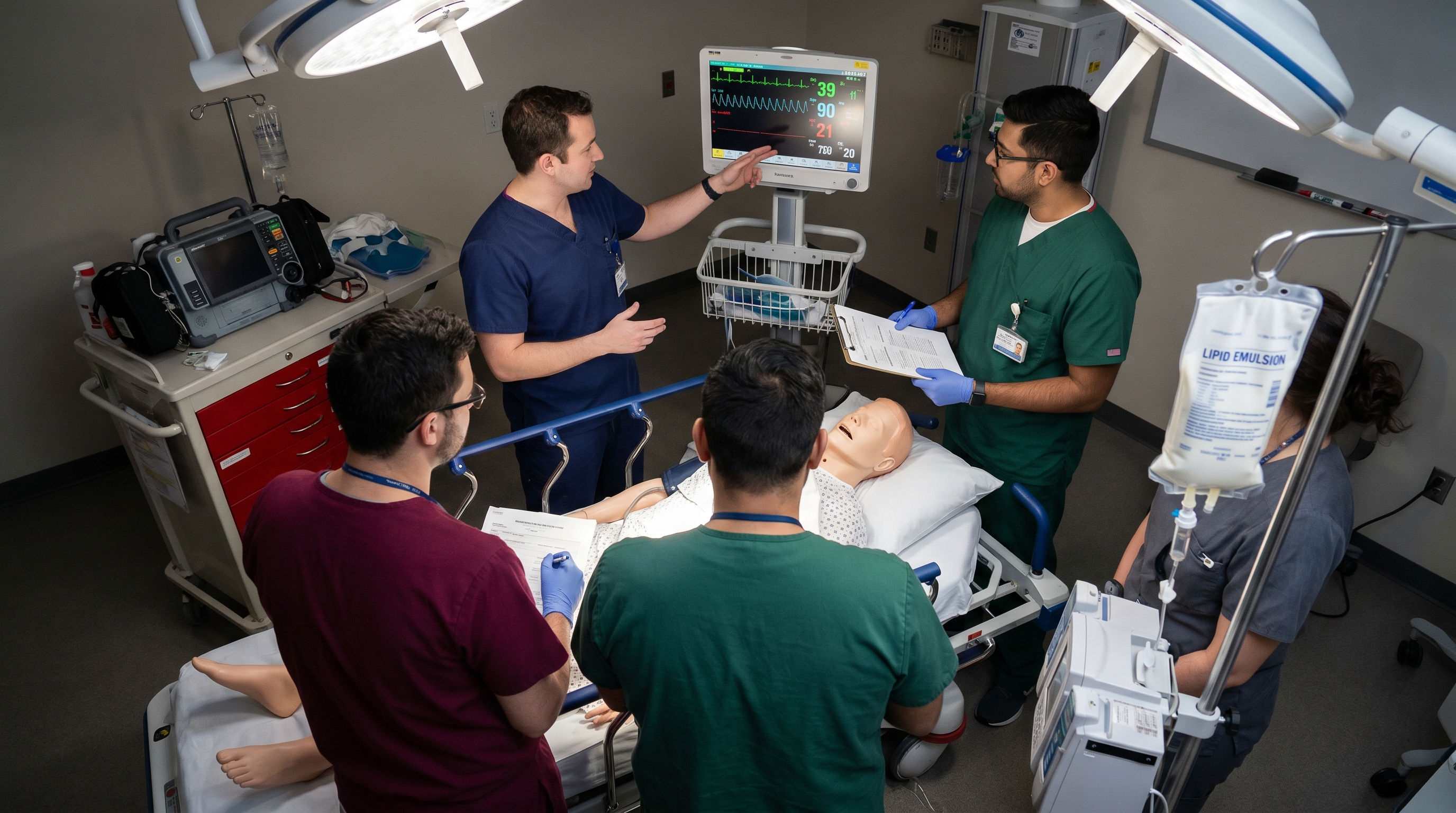
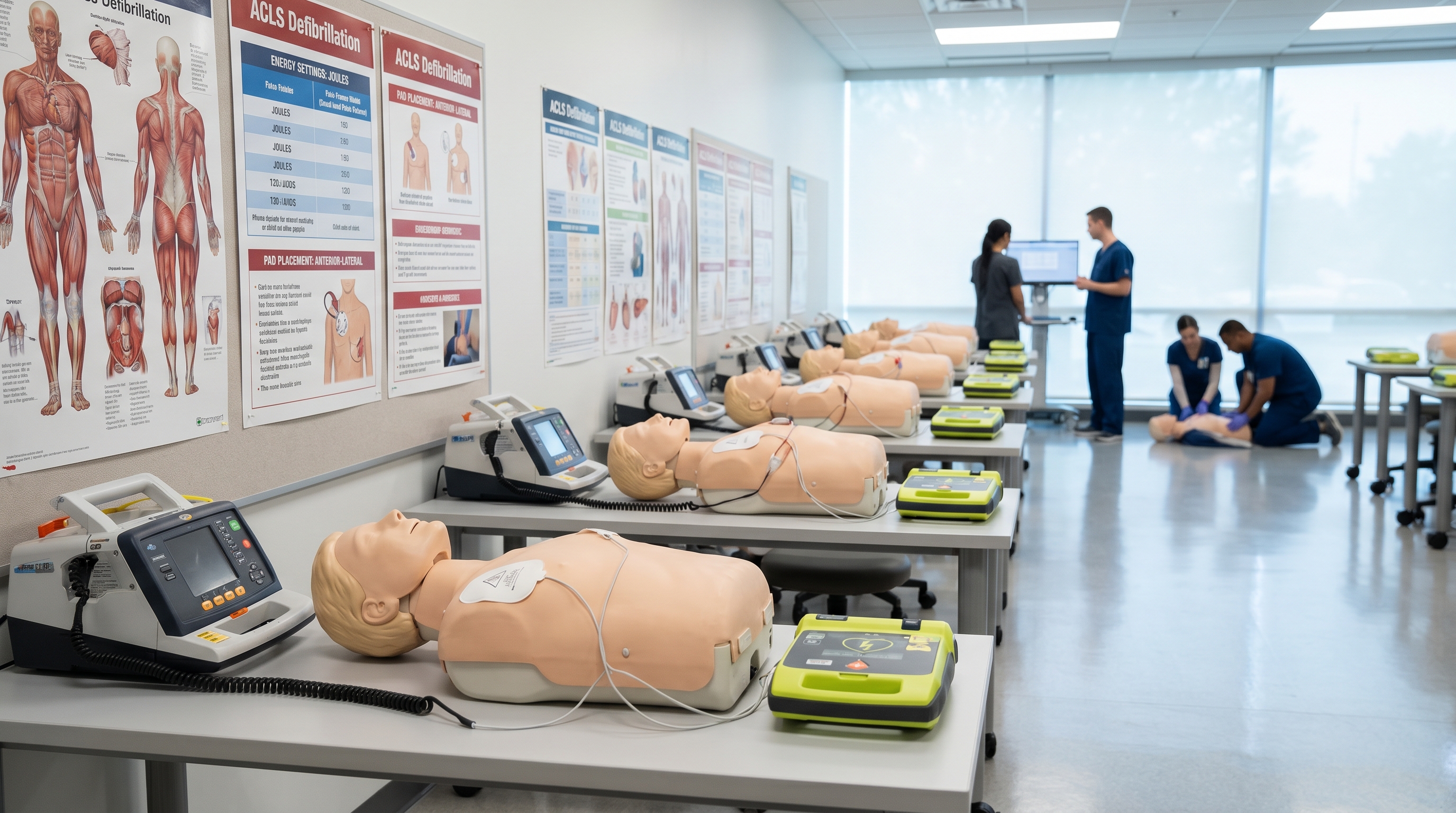
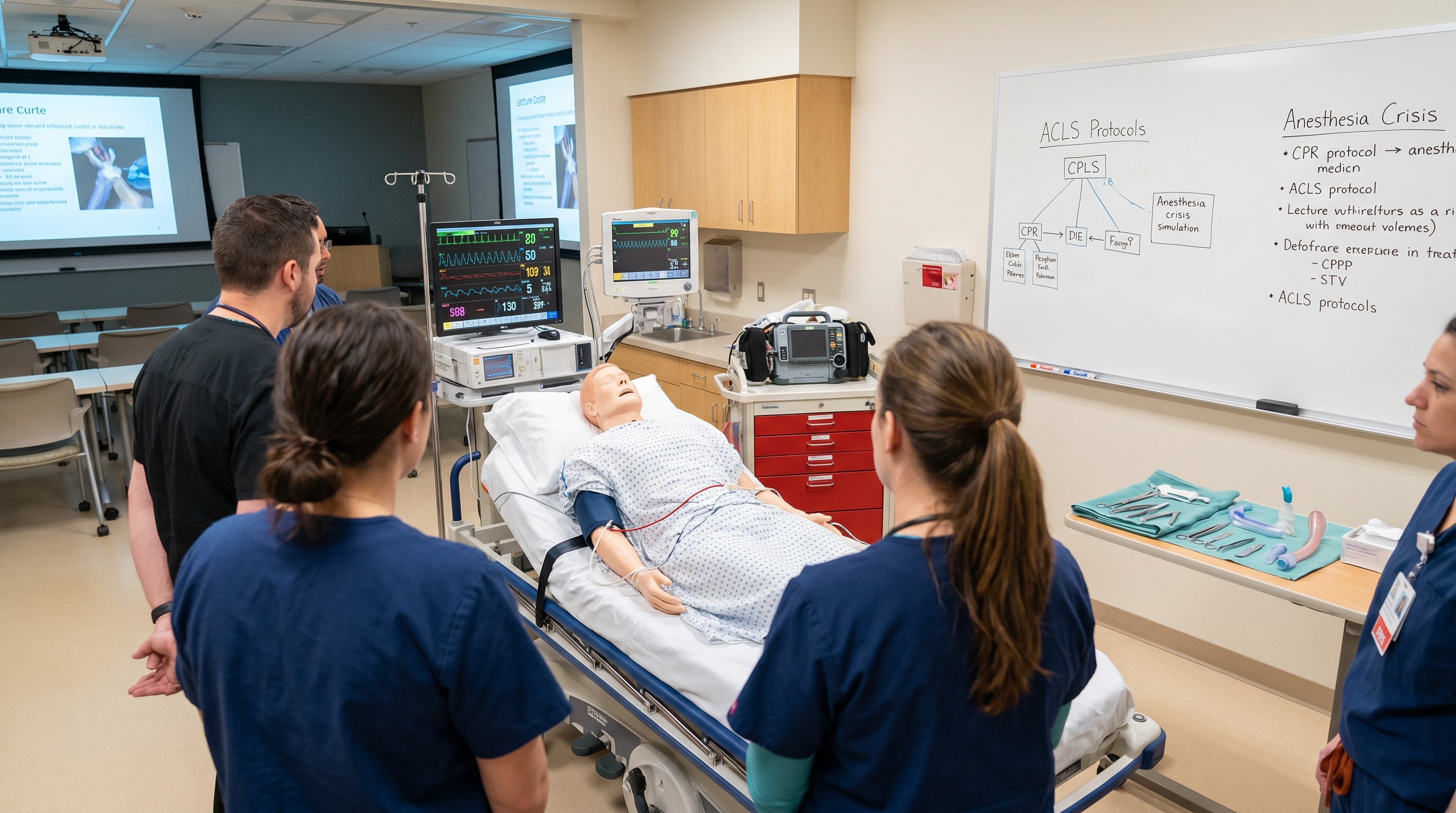
A purchasing and administration guide for nursing, EMS, and allied health program directors on timing, sequencing, and buying group BLS and ACLS certification for an entire student cohort.
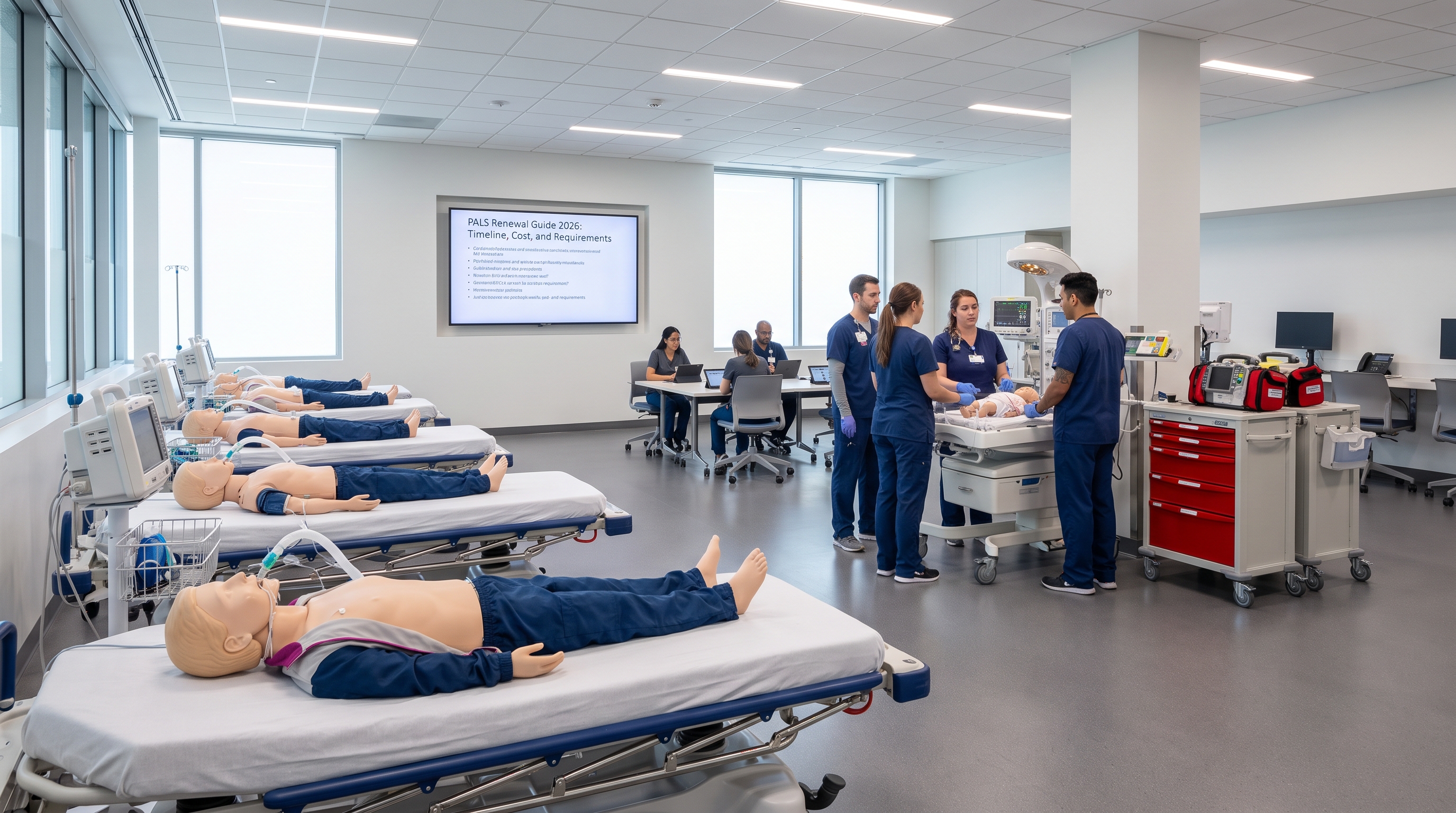
If you hold more than one life support certification, bundling your ACLS, BLS, and PALS renewal into one purchase can save time and hassle, but it does not automatically make sense for everyone. This guide breaks down when syncing your renewal dates genuinely helps and when it costs you certification validity you did not need to give up.
Go at your own pace. Schedule the exam at your convenience. Manage your certification process from the convenience of your home or workspace. Achieving certification has never been this convenient.