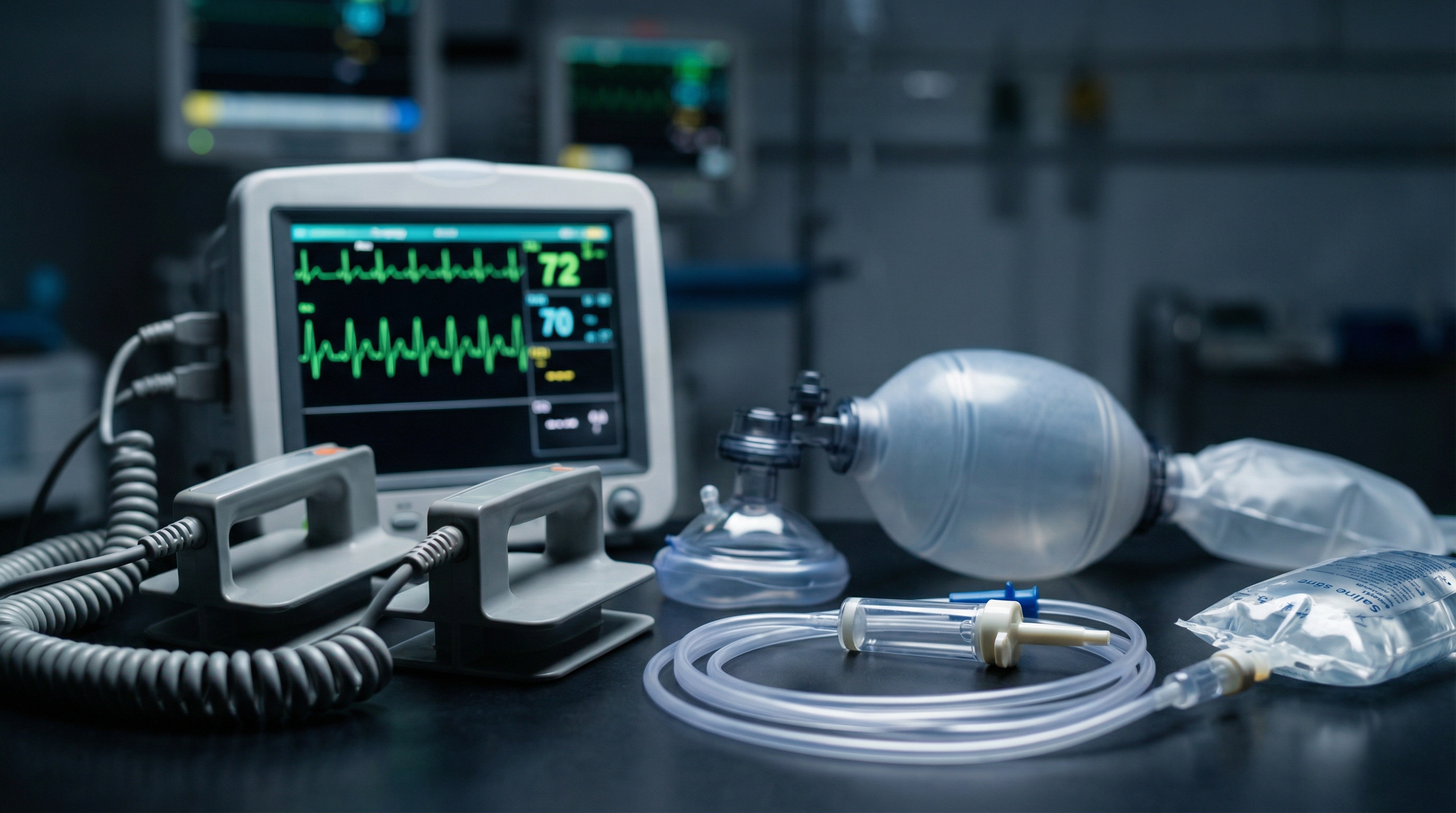
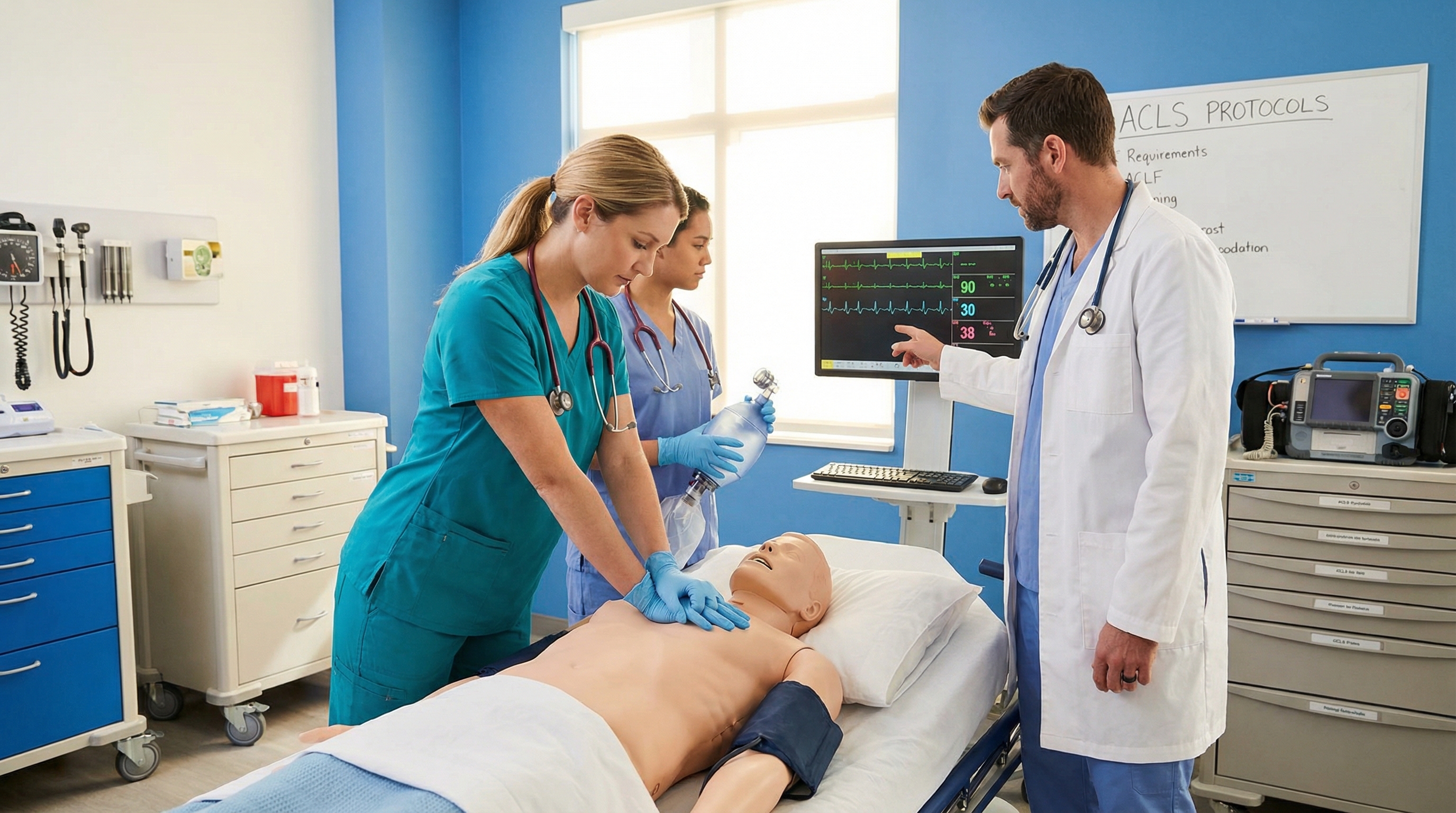
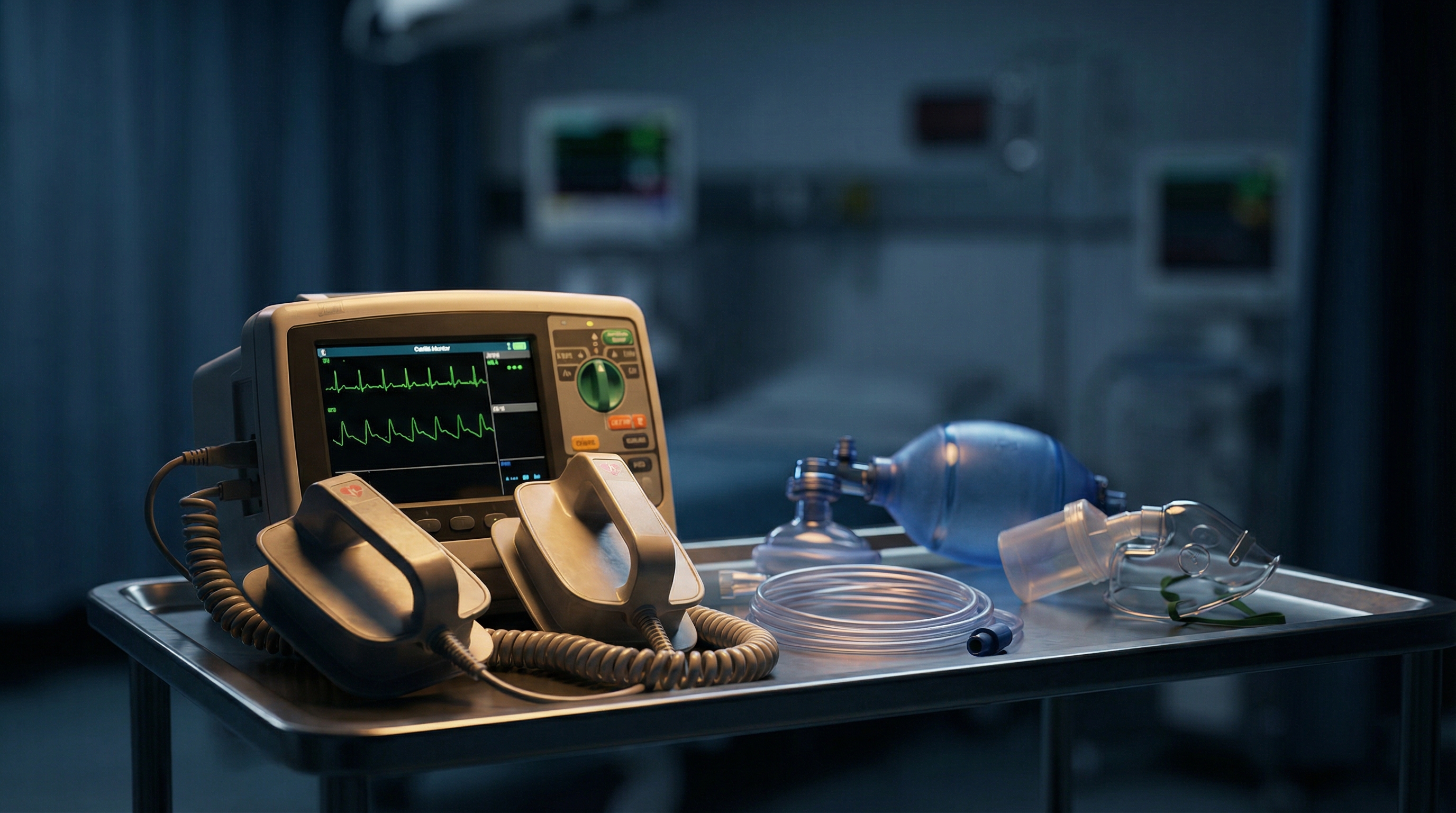
The United States faces a projected shortage of 275,000 nurses by 2030, creating urgent demand for qualified healthcare professionals. At the same time, more than 173,000 healthcare personnel serve in the U.S. Armed Forces, including thousands of highly trained military medics who possess life-saving skills honed in the most challenging environments imaginable. These combat-tested professionals represent a tremendous untapped resource for civilian healthcare facilities struggling to fill critical positions.
Yet despite their extensive training and real-world experience managing trauma, cardiac emergencies, and respiratory crises under fire, many military medics face significant barriers when transitioning to civilian healthcare careers. According to bipartisan legislation introduced in 2025, without a uniform civilian credentialing system, these valuable professionals are being lost to bureaucratic obstacles rather than welcomed into understaffed hospitals and clinics.
This guide addresses the unique challenges military medics face when transitioning to civilian healthcare and demonstrates how Advanced Cardiovascular Life Support (ACLS) certification serves as a critical bridge between combat medicine and civilian clinical practice. Whether you served as an Army 68W Combat Medic Specialist, a Navy Corpsman, an Air Force Aerospace Medical Service Technician, or in another military medical role, your skills translate directly to civilian emergency care—and ACLS certification helps healthcare employers recognize the value you bring to their teams.
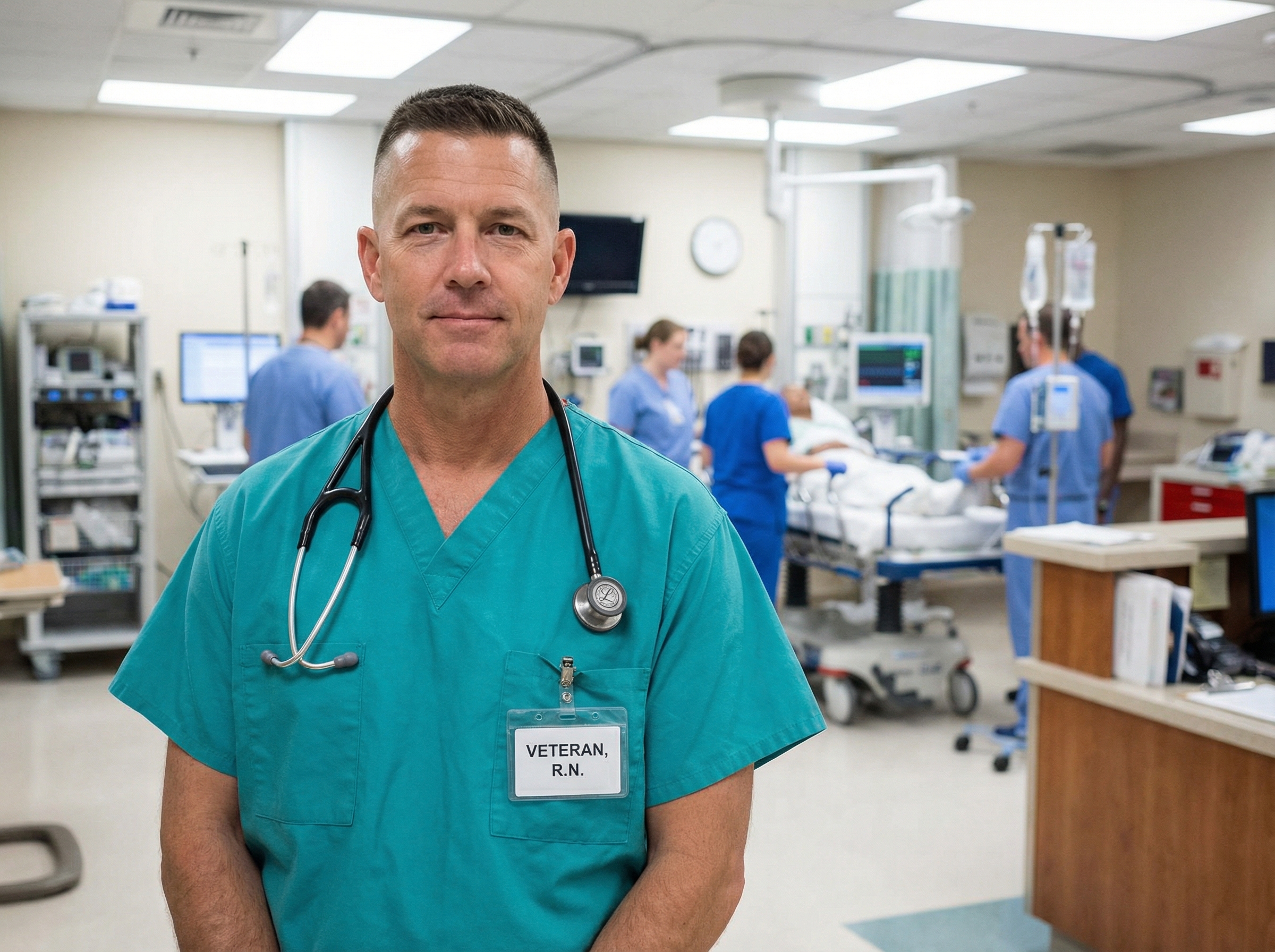
Military medical training represents some of the most rigorous and comprehensive emergency care education available anywhere in the world. Combat medics don't simply learn protocols in comfortable classrooms—they master life-saving interventions while managing the chaos, noise, and danger of battlefield conditions. This training creates medical professionals who can think critically under extreme pressure, prioritize multiple casualties simultaneously, and perform advanced procedures with limited resources.
The foundation of military medical training is Tactical Combat Casualty Care (TCCC), a comprehensive set of guidelines specifically developed for prehospital combat medicine. Unlike civilian emergency protocols that primarily address blunt trauma from accidents, TCCC focuses on penetrating trauma from gunshot wounds, blast injuries, and shrapnel. The training is structured around three distinct phases: Care Under Fire, Tactical Field Care, and Tactical Evacuation Care.
As a military medic, you've been trained in advanced airway management, hemorrhage control using tourniquets and hemostatic agents, needle decompression for tension pneumothorax, intravenous and intraosseous access, fluid resuscitation, medication administration, and patient monitoring under austere conditions. Most importantly, you've developed the situational awareness and clinical judgment that can't be taught from a textbook—skills that only come from managing real medical emergencies where seconds matter and resources are limited.
It's essential to understand that TCCC guidelines were developed specifically because civilian prehospital medical care models—including Advanced Trauma Life Support (ATLS), Basic Trauma Life Support (BTLS), and Advanced Cardiac Life Support (ACLS)—were found to be inadequate for combat scenarios. The unique threats, injury patterns, equipment constraints, and tactical considerations of battlefield medicine required a completely different approach.
In civilian settings, emergency responders typically have relatively safe access to patients, abundant resources, rapid transport times, and the ability to request additional help. Combat medics must often provide care while under direct fire, with limited equipment, facing extended evacuation times, and operating as the sole medical provider for multiple casualties. TCCC emphasizes threat mitigation, massive hemorrhage control as the absolute first priority, and aggressive airway management for blast and inhalation injuries.
These differences don't diminish the value of your military training—they highlight its rigor. The transition to civilian protocols isn't about learning entirely new skills; it's about understanding how the same fundamental medical principles apply in different contexts. ACLS certification helps formalize this translation, demonstrating to civilian employers that you understand the specific algorithms, medications, and team dynamics used in hospital-based cardiac emergency management.
While TCCC and ACLS address different types of emergencies in different environments, the core competencies you developed as a military medic translate remarkably well to civilian cardiac care. Understanding these connections helps you recognize that you're not starting from scratch—you're building on a solid foundation of emergency medical expertise.
As a combat medic, you've managed airways in patients with facial trauma, inhalation injuries, and altered consciousness—often in austere environments with minimal lighting. You understand the critical importance of maintaining oxygenation and ventilation, you've performed bag-valve-mask ventilation, placed supraglottic airways, and possibly assisted with or performed endotracheal intubation.
ACLS builds on these same airway management principles, emphasizing high-quality ventilation during cardiac arrest, proper technique to avoid excessive ventilation that can impair circulation, and coordination between airway management and chest compressions. Your experience maintaining airways under pressure translates directly to the fast-paced, high-stakes environment of hospital code blue responses.
Military medics are trained in medication administration via multiple routes—intramuscular, subcutaneous, intravenous, and intraosseous. ACLS certification expands your pharmacological knowledge to include specific cardiac medications: epinephrine for cardiac arrest, amiodarone for ventricular arrhythmias, adenosine for supraventricular tachycardia, and atropine for bradycardia. Your existing medication administration skills mean you're already comfortable with the technical aspects—you're simply adding new agents to your pharmaceutical toolkit.
Perhaps your most valuable transferable skill is your experience functioning effectively as part of an emergency response team under extreme stress. ACLS training includes significant emphasis on team dynamics: closed-loop communication, clear role assignment, respectful assertion, and constructive intervention. These concepts will feel immediately familiar because they mirror the team coordination you practiced during combat medical scenarios. If you're interested in advancing your emergency care credentials beyond ACLS, understanding how ACLS certification bridges the gap between EMT and paramedic levels can help you plan your long-term career trajectory in civilian emergency medical services.
One of the most frustrating aspects of transitioning from military to civilian healthcare is encountering certification requirements that don't recognize or give credit for your military training and experience. Understanding the civilian certification landscape and identifying pathways that minimize redundant training is essential for an efficient transition.
Civilian healthcare uses a tiered certification system. Basic Life Support (BLS) represents entry-level resuscitation training focused on high-quality CPR, AED use, and basic airway management. Emergency Medical Technician (EMT) certification includes BLS skills plus patient assessment and emergency management. Paramedic certification represents advanced prehospital care including medication administration, advanced airways, and cardiac monitoring.
ACLS sits at the advanced level alongside Pediatric Advanced Life Support (PALS), focusing specifically on cardiac emergencies. ACLS certification is required for many hospital-based positions including emergency department nurses, critical care nurses, respiratory therapists, physician assistants, nurse practitioners, and physicians. Unlike EMT or paramedic certifications which are state-regulated, ACLS follows standardized American Heart Association (AHA) and International Liaison Committee on Resuscitation (ILCOR) guidelines, creating more consistency across states and employers.
Even if you've successfully managed cardiac emergencies during your military service, obtaining ACLS certification serves several critical purposes. First, it meets explicit employer requirements—many healthcare facilities require ACLS certification for hire. Having your ACLS certification completed before applying for positions makes you immediately eligible for roles that might otherwise require contingent offers.
Second, ACLS certification demonstrates your commitment to learning civilian medical protocols and integrating into the civilian healthcare system. It signals to potential employers that you understand civilian healthcare operates differently from military medicine and that you've taken initiative to bridge that gap.
Third, ACLS training genuinely fills knowledge gaps that exist between combat medicine and civilian cardiac care. The standardized algorithms, specific medication protocols, and systematic approaches taught in ACLS provide valuable structure for managing cardiac emergencies in hospital settings. When you're ready to pursue ACLS certification, the online certification process can be completed in just three easy steps, making it convenient for veterans balancing job searches, relocation, and family responsibilities during the transition period.
For military medics in transition, online ACLS certification offers significant advantages over traditional in-person courses. The flexibility to complete coursework on your own schedule is particularly valuable during the unpredictable transition period when you may be managing terminal leave, relocating your family, job searching, and handling numerous administrative tasks associated with leaving military service.
Cost considerations also matter significantly. Traditional in-person ACLS courses typically cost $200-$350, which represents a substantial expense when you're also facing moving costs and potential gaps in employment. Online ACLS certification through providers like Affordable ACLS costs just $109 for initial certification—less than half the cost of traditional courses while providing the same knowledge and credentials employers require.
Additionally, online courses allow you to leverage your existing knowledge more efficiently. Self-paced online learning lets you move rapidly through familiar concepts while spending more time on areas where civilian and military protocols differ. The ability to review material multiple times, take unlimited practice exams, and approach the final certification exam when you're genuinely ready typically results in better learning outcomes. For comprehensive study guidance, these essential study tips for ACLS certification are specifically designed to help healthcare professionals with clinical experience prepare efficiently.
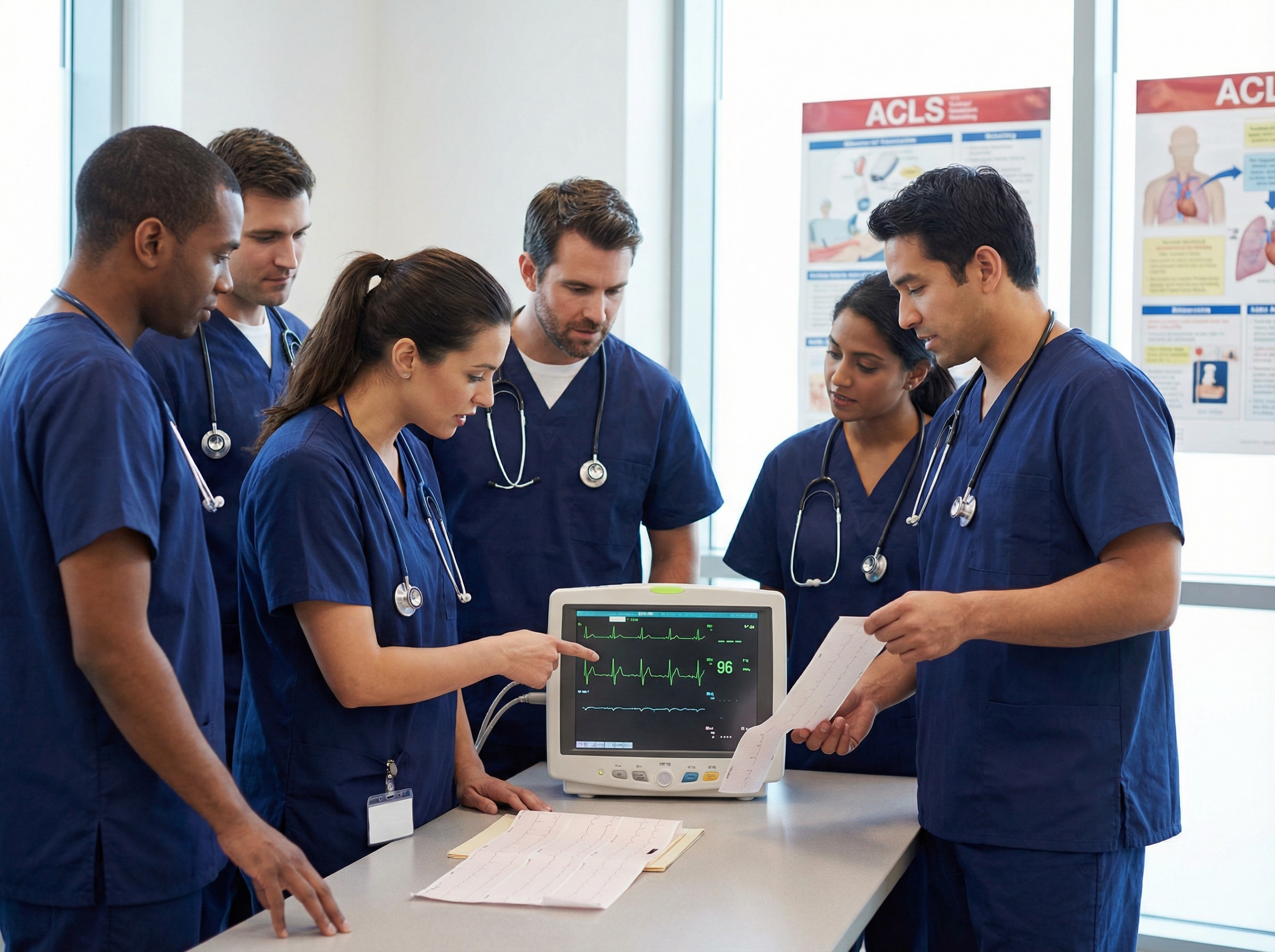
ACLS certification opens doors to numerous civilian healthcare career pathways that leverage your military medical experience while providing opportunities for growth, specialization, and advancement.
Emergency departments actively seek professionals with trauma experience and the ability to function calmly during high-acuity situations—precisely the strengths you developed as a military medic. ED Technician positions typically require BLS certification at minimum, with ACLS being preferred or required. These roles involve assisting with patient care, performing ECGs, establishing IV access, and supporting the emergency care team.
ED Technician positions serve as excellent entry points into civilian healthcare, allowing you to gain experience with civilian patient populations, electronic medical records, and hospital workflows while working in an environment where your combat medical skills are highly valued. Many ED Technicians pursue nursing degrees or paramedic certification while working, using their positions to gain clinical exposure that strengthens their applications to professional programs.
Intensive care units (ICUs) provide another natural fit for military medics, particularly those with experience managing critically ill patients during prolonged field care. Critical care nursing represents an advanced specialty that highly values the assessment skills, clinical judgment, and composure under pressure that military medics bring to the role. ACLS certification is universally required for critical care nurses.
For many military medics, paramedicine represents the closest civilian equivalent to combat medicine—providing advanced life support in unpredictable environments with limited resources and significant autonomy. Most states require paramedic candidates to first obtain EMT-Basic certification, then complete a paramedic program. Some paramedic programs offer advanced placement for military medical training, potentially shortening the educational timeline. ACLS certification is typically required for paramedics and having it completed beforehand can strengthen your program application. To understand how ACLS certification specifically supports EMS career advancement, this guide explains how ACLS bridges the gap from EMT to paramedic and demonstrates your readiness for advanced prehospital care responsibilities.
Physician Assistant (PA) programs specifically value military medical experience, with many programs having dedicated admissions pathways or preferential consideration for military medics and corpsmen. PAs practice medicine under physician supervision, conducting physical exams, diagnosing illnesses, developing treatment plans, and prescribing medications.
PA programs require a bachelor's degree and typically 1000-2000 hours of direct patient care experience, which your military medical service fulfills. Most programs are 24-27 months of intensive graduate education. Many programs specifically recruit veterans and understand how to evaluate military medical credentials. For comprehensive guidance on transitioning from military medical roles to PA school, this ultimate guide for paramedics transitioning to PA provides detailed information on prerequisites, application strategies, and program selection that applies equally to military medics.
Both governmental and private organizations have developed resources specifically designed to ease the transition from military to civilian healthcare. Taking advantage of these programs can significantly accelerate your pathway while reducing financial burdens.
The Post-9/11 GI Bill and other veteran education benefits can be used for healthcare education and training programs. According to VA education benefits, you can use your GI Bill to help pay for tests to get licenses or certifications needed for civilian employment, including medical certifications.
For more extensive education programs—nursing degrees, paramedic programs, respiratory therapy, PA school—the Post-9/11 GI Bill typically covers full tuition at public institutions, provides monthly housing allowances, and includes funds for books and supplies. If you're considering using GI Bill benefits for nursing education, understanding the full certification pathway helps you plan effectively. This guide maps your career path from BLS certification through ACLS and PALS, showing how certifications build as you advance through nursing specialties.
The MEDIC Careers Act of 2025 represents bipartisan federal legislation specifically aimed at reducing credentialing barriers for transitioning military medics. This legislation seeks to create more uniform recognition of military medical training across states and healthcare sectors, potentially eliminating some of the redundant training requirements that currently slow veterans' transitions.
Understanding what civilian healthcare employers specifically value about military-trained medical professionals helps you effectively communicate your qualifications and position yourself as a highly desirable candidate.
Healthcare employers recognize that military training instills discipline, reliability, and professionalism that translates directly to healthcare settings. Your experience with strict protocols, attention to detail, personal accountability, and commitment to excellence signals that you'll be a dependable team member who follows policies and maintains professional standards.
The ability to function effectively during high-stress, high-stakes situations is perhaps the most valuable attribute military medics bring to civilian healthcare. Your demonstrated ability to save lives under combat conditions provides powerful evidence of your capacity to handle civilian medical emergencies with composure and competence.
Military service develops both followership and leadership skills. Healthcare organizations value employees who can function as both team members and team leaders depending on the situation. When crafting your resume and preparing for interviews, this article explains what employers really look for when they see ACLS certified on your resume and how to position your military medical background alongside your civilian certifications to maximize interview opportunities.
With a clear understanding of how your military medical training translates to civilian healthcare and the role ACLS certification plays in that transition, you're ready to take concrete steps toward your civilian healthcare career.
Research credential requirements for your target civilian healthcare roles and locations. Different states and positions have varying certification and licensing requirements. Contact state licensing boards, review job postings in your target area, and reach out to veteran coordinators at healthcare systems where you might want to work.
Complete ACLS certification while still on active duty or during terminal leave. Having your ACLS completed before job searching makes you immediately eligible for positions that require it and demonstrates initiative to potential employers. Online ACLS certification through Affordable ACLS allows you to complete the requirement on your own schedule without waiting for available classroom courses.
Document your military medical experience in formats civilian employers understand. Request copies of your training records, maintain a detailed log of procedures performed and patient encounters managed, and collect documentation of your clinical responsibilities. This documentation supports civilian credential applications and provides concrete examples for resumes and interviews.
Obtain BLS certification if you don't already have current civilian BLS credentials. While your military training covered basic life support, most civilian employers require BLS certification from recognized providers.
Network within the healthcare community in your target location. Attend veteran hiring events, connect with other military medics who've transitioned to civilian healthcare, and consider informational interviews with hiring managers in departments where you want to work. Personal connections often lead to job opportunities that never appear in public postings.
Apply strategically for positions that value military medical experience. Emergency departments, trauma centers, critical care units, and paramedicine actively seek candidates with your background. Tailor your resume to highlight transferable skills most relevant to each position, and explicitly connect your military experience to the position requirements.
The transition from military medicine to civilian healthcare represents a significant change, but it's important to recognize that you're not starting over—you're continuing a healthcare career that began when you first put on a uniform. The medical skills you developed, the emergencies you managed, and the lives you saved in military service demonstrate your capability to excel in civilian healthcare.
While credentialing barriers can feel frustrating, remember that healthcare facilities desperately need professionals with exactly your skills and experience. The nationwide healthcare workforce shortage creates opportunities for qualified military medics, and organizations at multiple levels are increasingly working to streamline the transition process. By strategically obtaining necessary certifications, effectively communicating the value of your military medical background, and leveraging veteran-specific resources, you can successfully navigate the transition and build a rewarding civilian healthcare career.
Your experience saving lives under the most difficult circumstances imaginable has prepared you to provide exceptional care in civilian settings. ACLS certification represents just one step on that journey—an important credential that opens doors and demonstrates your commitment to mastering civilian healthcare protocols while building on the solid foundation your military training provided.
Ready to take the next step in your transition to civilian healthcare? Get your ACLS certification online in three easy steps with Affordable ACLS—developed by practicing emergency physicians, self-paced for your busy transition schedule, and priced affordably at just $99. Your military service prepared you for healthcare excellence. Let ACLS certification help civilian employers recognize the exceptional medical professional you already are.
.jpg)