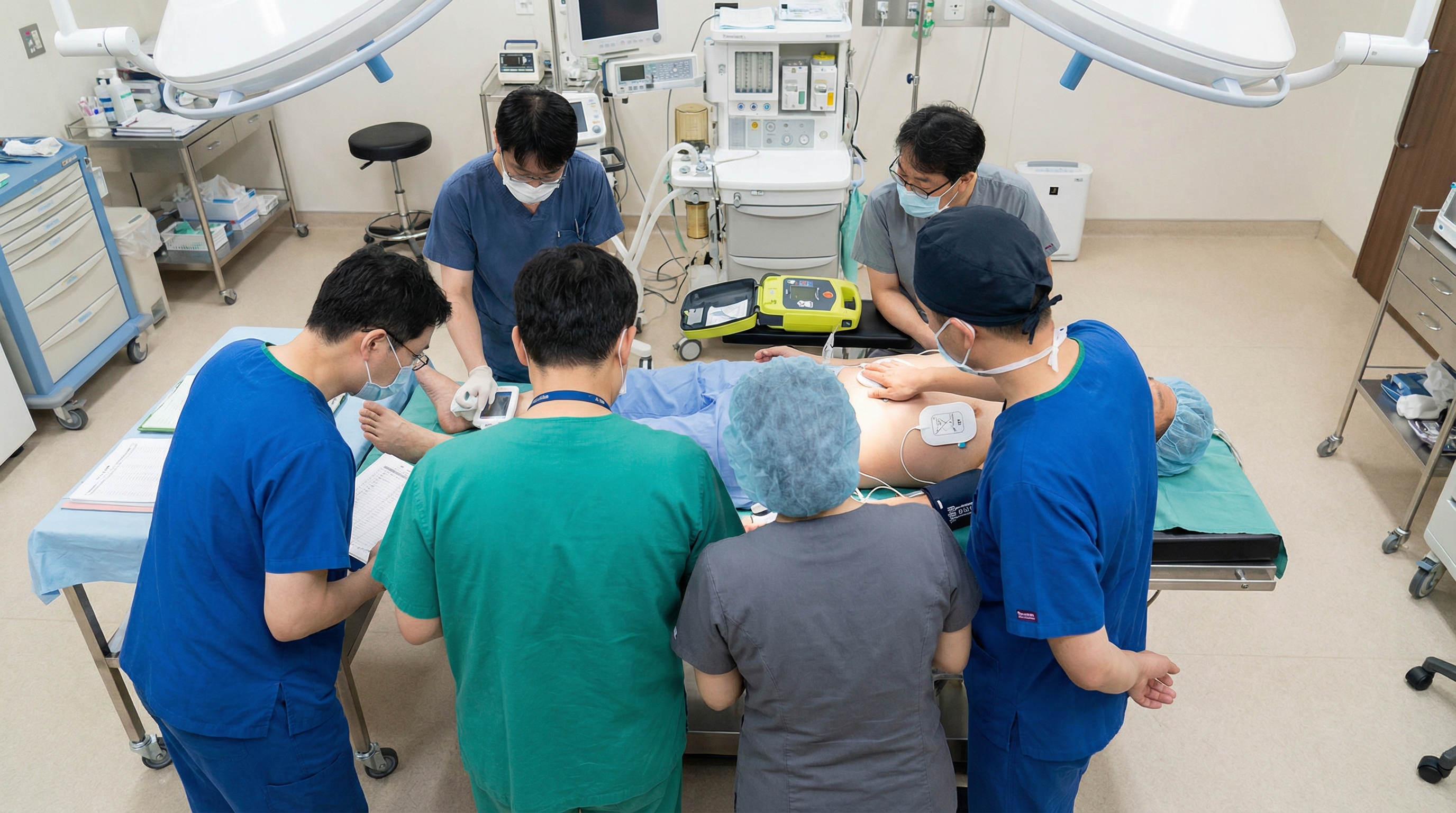
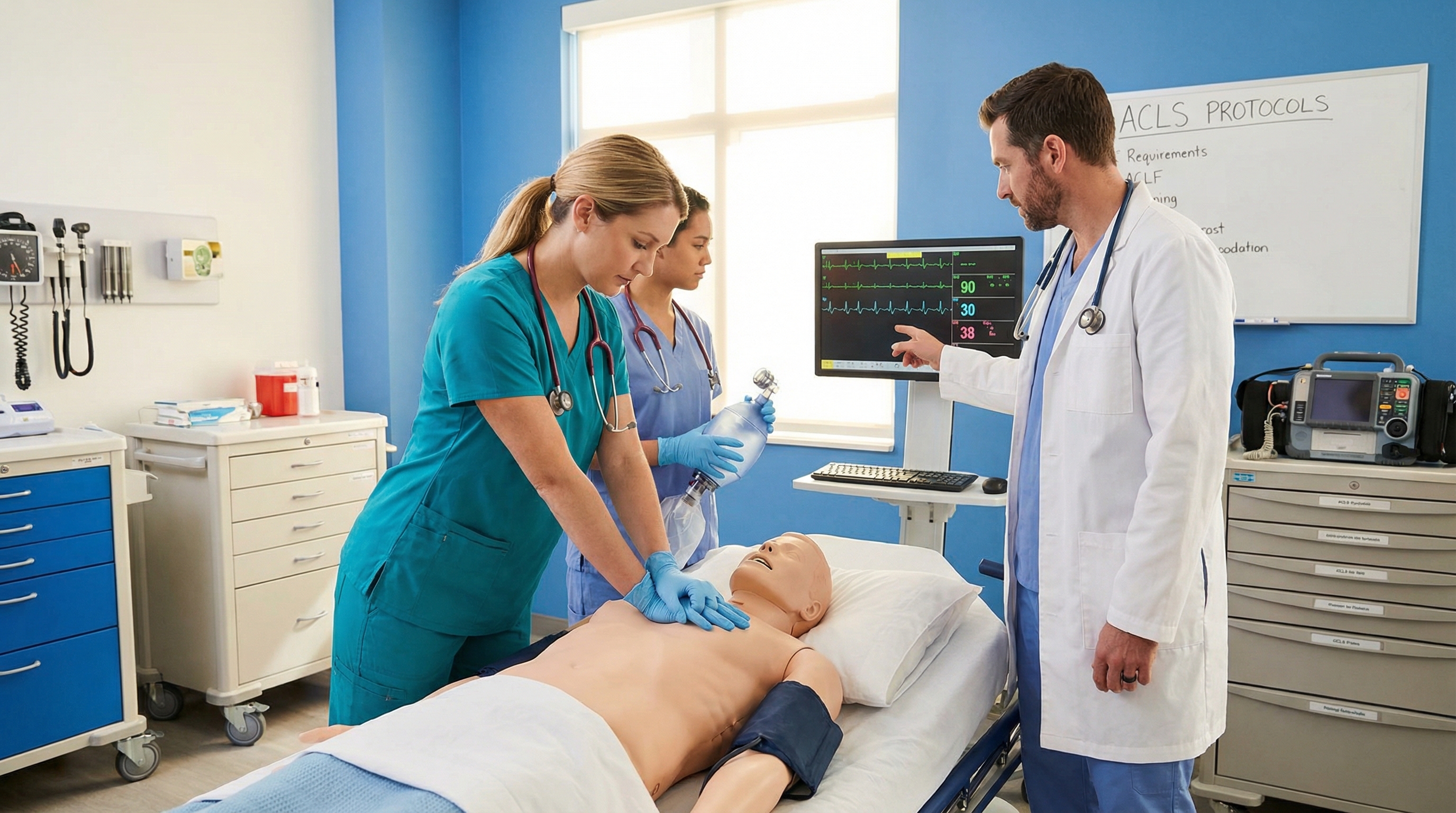
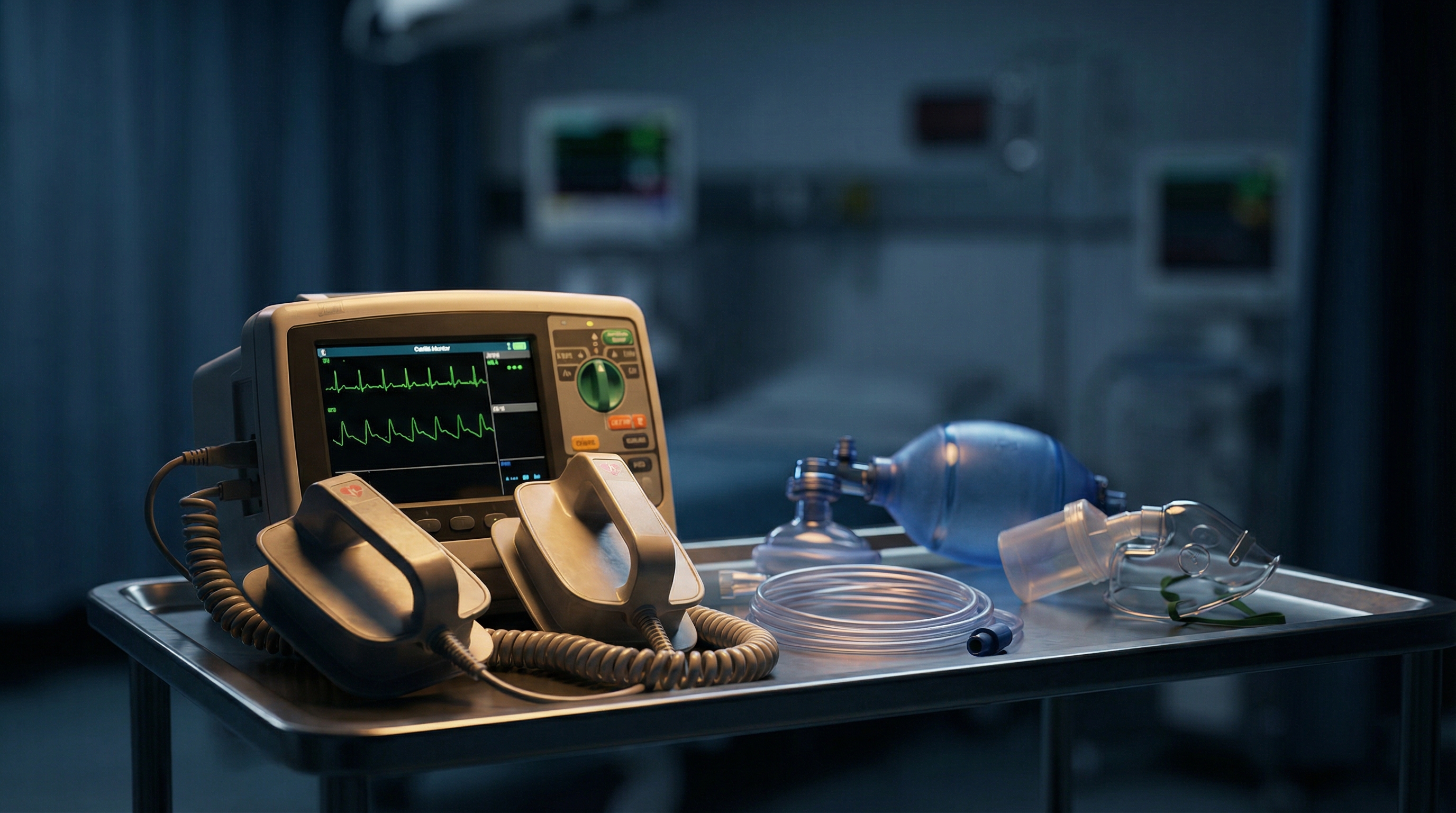
ACLS Blogs

Podiatrists and Foot Surgery Clinics: Why BLS and ACLS Certification Matters for In-Office Surgical Procedures

Podiatrists and Foot Surgery Clinics: Why BLS and ACLS Certification Matters for In-Office Surgical Procedures

Podiatric surgery has evolved dramatically over the past two decades, with more complex procedures moving from hospital operating rooms to private office-based surgical suites. While this shift offers patients convenience and often reduces costs, it also places greater responsibility on podiatrists and their clinical teams to manage potential medical emergencies independently. When a patient experiences a cardiac event, severe allergic reaction, or respiratory crisis during or after an in-office surgical procedure, your team becomes the first—and sometimes only—line of defense until emergency medical services arrive.

For podiatrists performing surgical procedures with local anesthesia, conscious sedation, or nerve blocks, Basic Life Support (BLS) and Advanced Cardiovascular Life Support (ACLS) certification aren't just professional credentials—they're essential clinical competencies that can mean the difference between life and death. This comprehensive guide explores why these certifications matter specifically for podiatric practices, what regulatory requirements you need to know, and how to maintain readiness for the emergencies you hope never to encounter.

The Growing Landscape of Office-Based Podiatric Surgery

Office-based surgery in podiatry has expanded significantly, driven by advances in anesthesia techniques, minimally invasive procedures, and the financial pressures facing both practitioners and patients. Common in-office podiatric surgical procedures now include bunionectomies, hammertoe corrections, neuromas excisions, plantar fascia releases, and even some reconstructive foot surgeries that would have required hospitalization just a generation ago.

This trend toward office-based procedures offers undeniable benefits: reduced costs, familiar environments for patients, scheduling flexibility, and increased practice revenue. However, it also means podiatrists must be prepared to handle the full spectrum of potential complications without the immediate backup of a hospital code team, anesthesiologist, or intensive care unit just down the hall.

According to data from the American Podiatric Medical Association, the majority of podiatric surgeons now perform at least some procedures in their office settings. This shift makes emergency preparedness not an optional skillset but a fundamental requirement of modern podiatric practice.
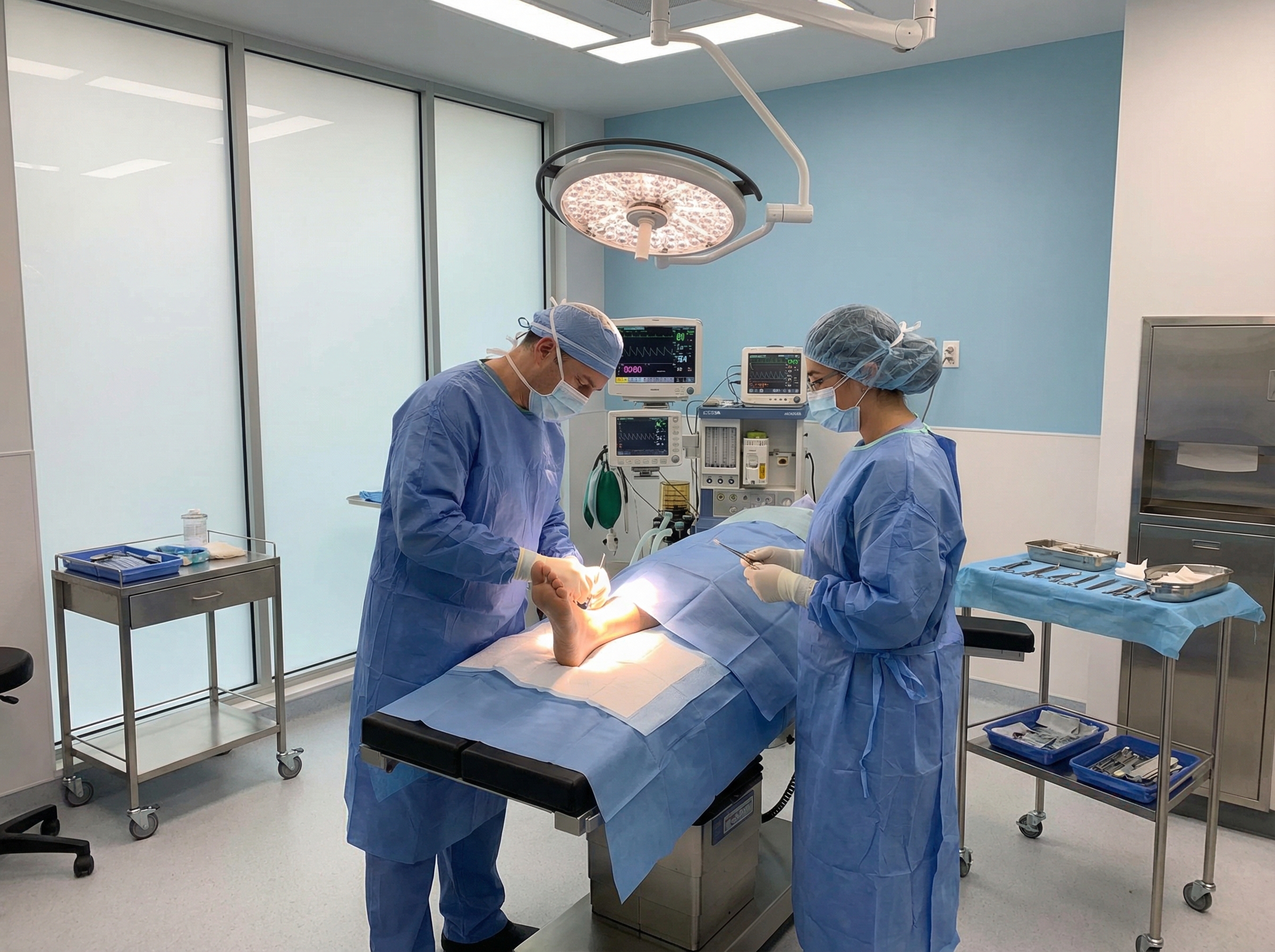
Podiatrist performing foot surgery in modern office-based surgical suite

Medical Emergencies in Podiatric Settings: Understanding the Risks

While podiatric procedures are generally considered low-risk compared to major surgeries, medical emergencies can and do occur. The combination of patient anxiety, anesthetic agents, underlying health conditions, and the physiological stress of surgery creates multiple opportunities for life-threatening complications.

Common Emergency Scenarios in Foot Surgery Clinics

Vasovagal reactions and syncope are among the most common emergencies in podiatric offices, often triggered by anxiety, pain, or the sight of blood. While usually benign, these episodes can progress to more serious cardiovascular events, especially in patients with underlying cardiac conditions.

Allergic reactions and anaphylaxis to local anesthetics, antibiotics, or latex can escalate rapidly. The management of anaphylaxis in clinical settings requires immediate recognition and intervention, including the administration of epinephrine and supportive cardiovascular care.

Cardiac events including myocardial infarction, arrhythmias, and cardiac arrest can occur during procedures, particularly in older patients or those with cardiovascular disease. The stress response to surgery, combined with positioning changes and fluid shifts, can trigger cardiac emergencies even in previously stable patients.

Respiratory complications from sedation medications, particularly when using combinations of anxiolytics and opioids, can lead to hypoventilation, hypoxia, and respiratory arrest. Podiatrists using conscious sedation must be prepared to manage airway emergencies and provide ventilatory support.

Local anesthetic systemic toxicity (LAST) is a potentially fatal complication of regional anesthesia that can present with neurological symptoms progressing to seizures and cardiovascular collapse. Understanding the recognition and treatment of LAST is essential for any practitioner using nerve blocks or local infiltration techniques.

Patient Populations at Increased Risk

Certain patient populations require heightened vigilance in podiatric surgical settings. Elderly patients often have multiple comorbidities including diabetes, peripheral vascular disease, and cardiac conditions that increase their baseline risk. Diabetic patients may have autonomic neuropathy that masks warning signs of cardiac ischemia or arrhythmias.

Patients with obesity face increased challenges with positioning, ventilation, and anesthesia management. Those taking anticoagulants or antiplatelet medications have bleeding risks that can lead to hemodynamic instability. Understanding these risk factors helps podiatrists identify patients who require enhanced monitoring and emergency preparedness.

BLS Certification: The Foundation of Emergency Response

Basic Life Support (BLS) certification provides the fundamental skills every member of your clinical team needs to respond to cardiac and respiratory emergencies. For podiatrists and their staff, BLS represents the critical first minutes of care that determine whether a patient survives a medical emergency.

BLS training covers essential skills including high-quality CPR for adults, children, and infants; effective use of automated external defibrillators (AEDs); relief of choking; and recognition of cardiac arrest and other life-threatening emergencies. These skills form the foundation of your emergency response, buying crucial time until advanced help arrives.

In a podiatric office setting, every clinical staff member who might encounter a patient emergency should maintain current BLS certification. This includes the podiatrist, surgical assistants, nurses, medical assistants, and even front desk personnel who might be first to discover a patient in distress in a waiting area or recovery room.

Understanding the difference between BLS and ACLS helps you determine appropriate certification levels for your team members. While BLS is essential for everyone, ACLS becomes critical for providers directly managing sedation and surgical procedures.

ACLS Certification: Advanced Cardiovascular Emergency Management

Advanced Cardiovascular Life Support (ACLS) takes emergency management to the next level, providing podiatrists with the knowledge and skills to manage complex cardiac emergencies, including cardiac arrest rhythms, symptomatic bradycardia, unstable tachycardia, and acute coronary syndromes.

For podiatrists performing surgical procedures with sedation, ACLS certification is particularly valuable because it covers the systematic approach to a deteriorating patient. You'll learn to recognize early warning signs, implement appropriate interventions, and manage medications and advanced airways when basic interventions aren't sufficient.

Critical ACLS Skills for Podiatric Practices

The ACLS algorithms provide systematic approaches to common emergency scenarios. The cardiac arrest algorithm guides you through high-quality CPR, rhythm recognition, defibrillation, and medication administration. Understanding the H's and T's of reversible causes of cardiac arrest helps you identify and treat underlying problems that might be causing the emergency.

The bradycardia and tachycardia algorithms teach you to assess hemodynamic stability and implement appropriate treatments, from observation to electrical therapy. For podiatrists using conscious sedation, recognizing respiratory depression and understanding airway management strategies are invaluable skills that ACLS training reinforces.

ACLS also emphasizes effective team dynamics and communication during emergencies—skills that are just as important in a small office setting as in a hospital code blue. Learning to lead or participate in a resuscitation team, assign roles, and communicate clearly under stress can dramatically improve outcomes when seconds count.

Regulatory and Accreditation Requirements

The regulatory landscape for office-based surgery varies by state, but most jurisdictions have specific requirements for emergency preparedness when performing procedures with sedation or anesthesia. Many state podiatric medical boards require proof of current BLS certification as a condition of licensure, and some mandate ACLS certification for practitioners performing procedures with moderate or deep sedation.

Accreditation organizations including the American Association for Accreditation of Ambulatory Surgery Facilities (AAAASF), the Accreditation Association for Ambulatory Health Care (AAAHC), and the Joint Commission have established standards for office-based surgical facilities. These standards typically require that at least one staff member present during procedures maintains current ACLS certification, with BLS required for all clinical personnel.

Medicare and commercial insurance credentialing often require documentation of life support certification for providers billing for surgical procedures. According to Centers for Medicare & Medicaid Services guidelines, ambulatory surgical centers and office-based surgical facilities must demonstrate emergency preparedness, which includes trained personnel and appropriate equipment.

Beyond regulatory compliance, maintaining current life support certifications protects you from liability exposure. In the unfortunate event of a patient emergency with an adverse outcome, documentation of current certification and appropriate emergency response can be crucial in defending against malpractice claims.

Building a Culture of Emergency Preparedness

Certification is just the beginning of true emergency preparedness. The most effective podiatric practices go beyond checking the certification box to create a culture where emergency readiness is continuously reinforced and practiced.

Essential Emergency Equipment and Medications

Your office should maintain a well-stocked emergency cart or kit that includes airway management equipment (bag-valve-mask, oral and nasal airways, oxygen), an AED, emergency medications including epinephrine for anaphylaxis and reversal agents for sedation medications, and monitoring equipment appropriate for your sedation level.

For practices using moderate or deep sedation, additional equipment including capnography, advanced airway devices, and a broader range of ACLS medications may be required by your state regulations. Regular inventory checks ensure that medications haven't expired and equipment remains functional when needed.
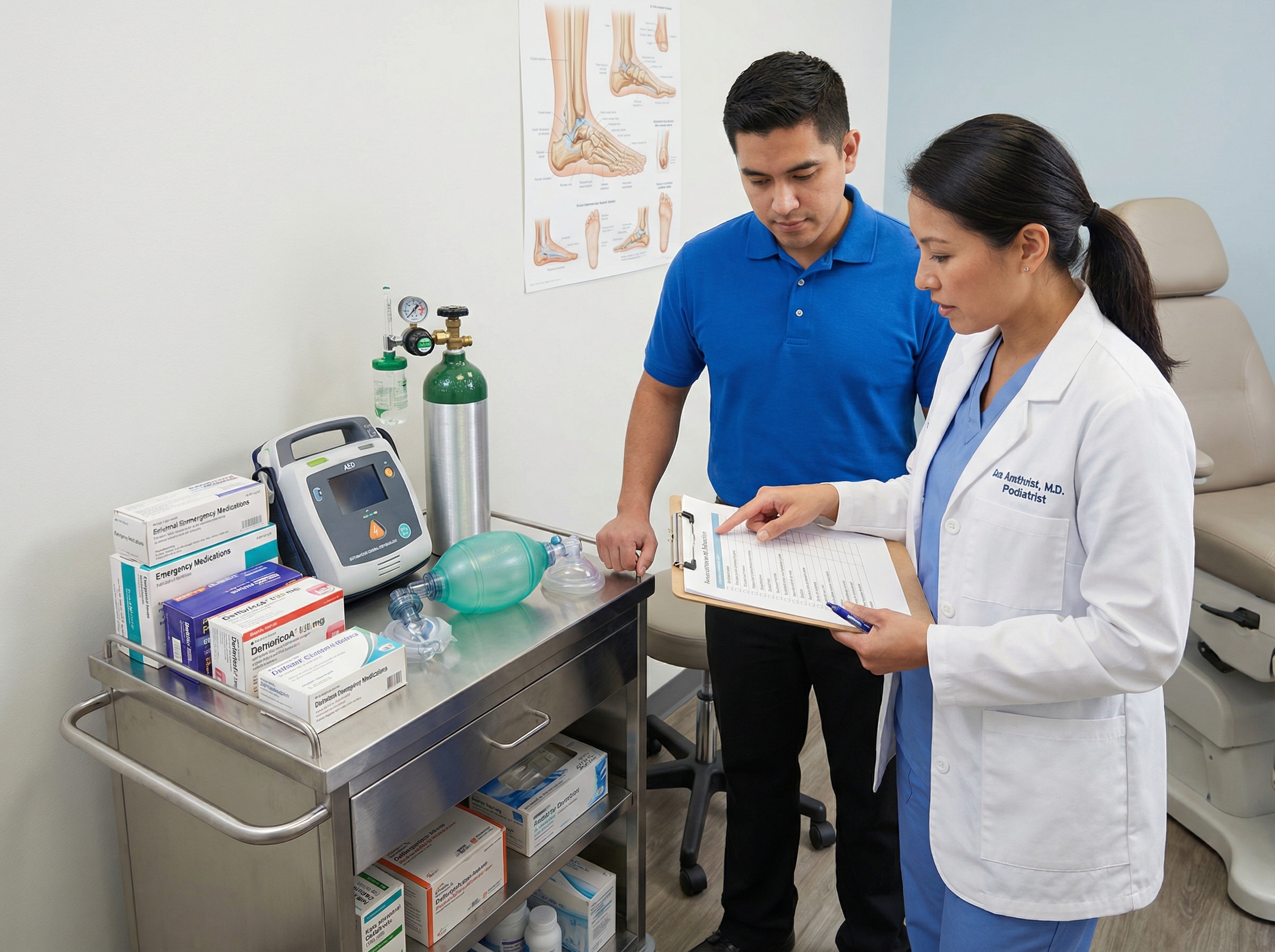
Emergency medical equipment and crash cart in podiatry clinic

Team Training and Emergency Drills

Regular emergency drills help your team maintain skills and confidence between real emergencies. Quarterly simulations of common scenarios—cardiac arrest, anaphylaxis, respiratory depression—keep everyone familiar with their roles, equipment locations, and emergency protocols.

These drills also reveal gaps in your emergency preparedness. You might discover that your crash cart is difficult to maneuver, that certain medications are hard to locate quickly, or that communication breaks down under stress. Identifying and addressing these issues during drills rather than real emergencies can save lives.

Documentation and Review Protocols

Establish clear protocols for documenting any emergency event, including the timeline, interventions performed, patient response, and when EMS was contacted and arrived. This documentation protects you legally and provides valuable learning opportunities for your team.

After any emergency event, conduct a debriefing session to review what went well and what could be improved. This non-punitive review process helps your team learn from experience and continuously improve your emergency response capabilities.

Choosing the Right Certification Program for Your Practice

For busy podiatrists balancing clinical responsibilities, administrative duties, and personal life, finding time for certification can be challenging. Traditional in-person courses require dedicating a full day or more to classroom instruction, often with limited scheduling options and significant travel time.

Online certification programs offer a flexible alternative that doesn't compromise on quality or employer acceptance. Affordable ACLS was founded by practicing, Board Certified Emergency Medicine physicians who recognized that healthcare professionals needed a more convenient and affordable recertification option without sacrificing clinical rigor or guideline compliance.

When evaluating certification options, consider whether the program is based on current American Heart Association and International Liaison Committee on Resuscitation (ILCOR) guidelines—the gold standard for life support training. Verify that employers, hospitals, and credentialing organizations in your area accept the certification format.

For practices with multiple staff members requiring certification, bundle certification packages can provide significant cost savings while ensuring your entire team maintains current credentials on synchronized renewal schedules.

Integrating Life Support Skills into Daily Practice

The most effective way to maintain emergency readiness is to integrate life support principles into your daily clinical routine. Before each surgical case, conduct a brief "time-out" that includes not just surgical site verification but also confirmation that emergency equipment is readily accessible and team members understand their roles should an emergency occur.

Implement systematic patient monitoring during and after procedures. For cases involving sedation, continuous pulse oximetry and blood pressure monitoring aren't just regulatory requirements—they're early warning systems that can detect deterioration before a crisis occurs. Understanding normal vital sign ranges and recognizing concerning trends allows you to intervene early when problems are more easily corrected.

Maintain clear communication with patients about their medical history, current medications, and any concerning symptoms. Many emergencies can be prevented by careful pre-operative assessment and appropriate risk modification. Some patients may be better served by referring to a hospital-based surgical setting where additional resources are immediately available.

Long-Term Certification Maintenance and Skill Retention

Life support certifications typically expire after two years, requiring recertification to maintain currency. Rather than viewing recertification as a burden, consider it an opportunity to refresh skills, learn updated guidelines, and reinforce your commitment to patient safety.

Between formal recertification periods, maintain your skills through regular practice. Review algorithms periodically, participate in team drills, and consider additional continuing education focused on emergency management. Research consistently shows that skills deteriorate without practice, particularly complex psychomotor skills like high-quality CPR and rhythm recognition.

Stay current with guideline updates from the American Heart Association and ILCOR. These organizations review emerging evidence every five years and publish updated recommendations that can significantly impact best practices for resuscitation and emergency cardiovascular care.

Conclusion: Certification as Standard of Care

As podiatric surgery continues evolving toward more complex office-based procedures, BLS and ACLS certification have transitioned from optional credentials to essential competencies. These certifications demonstrate your commitment to patient safety, meet regulatory and accreditation requirements, and provide you with the knowledge and confidence to manage emergencies effectively when they occur.

The investment in life support training pays dividends not just in the rare emergency situation but in the peace of mind that comes from knowing you and your team are prepared. Your patients trust you with their care during vulnerable moments—maintaining current certification honors that trust and upholds the highest standards of your profession.

Whether you're establishing a new surgical practice, upgrading your existing facility's capabilities, or simply ensuring your team maintains appropriate credentials, prioritizing life support certification is a decision that reflects professional excellence and unwavering commitment to patient safety.

Get Certified Today with Affordable ACLS

Affordable ACLS makes it easy for podiatrists and their clinical teams to obtain or renew BLS and ACLS certification without disrupting your busy practice schedule. Our courses are 100% online, self-paced, and based on current AHA and ILCOR guidelines. Developed by Board Certified Emergency Medicine physicians with decades of combined clinical and academic experience, our certification programs provide the clinical knowledge you need in a format that respects your time.

With BLS certification starting at just $59 and ACLS at $99, you can ensure your entire team maintains current credentials without breaking your practice budget. Our certifications are widely accepted by employers, hospitals, and credentialing organizations, and we back every course with a money-back guarantee. Complete your certification in 1-2 hours, receive your digital certificate immediately, and get back to caring for your patients with confidence.

Ready to get certified? Visit www.affordableacls.com or call us at 866-655-2157 to learn more about our certification options for podiatric practices. Because when emergencies happen, proper training makes all the difference.

ACLS Blogs

Podiatrists and Foot Surgery Clinics: Why BLS and ACLS Certification Matters for In-Office Surgical Procedures

Podiatrists and Foot Surgery Clinics: Why BLS and ACLS Certification Matters for In-Office Surgical Procedures

Podiatric surgery has evolved dramatically over the past two decades, with more complex procedures moving from hospital operating rooms to private office-based surgical suites. While this shift offers patients convenience and often reduces costs, it also places greater responsibility on podiatrists and their clinical teams to manage potential medical emergencies independently. When a patient experiences a cardiac event, severe allergic reaction, or respiratory crisis during or after an in-office surgical procedure, your team becomes the first—and sometimes only—line of defense until emergency medical services arrive.

For podiatrists performing surgical procedures with local anesthesia, conscious sedation, or nerve blocks, Basic Life Support (BLS) and Advanced Cardiovascular Life Support (ACLS) certification aren't just professional credentials—they're essential clinical competencies that can mean the difference between life and death. This comprehensive guide explores why these certifications matter specifically for podiatric practices, what regulatory requirements you need to know, and how to maintain readiness for the emergencies you hope never to encounter.

The Growing Landscape of Office-Based Podiatric Surgery

Office-based surgery in podiatry has expanded significantly, driven by advances in anesthesia techniques, minimally invasive procedures, and the financial pressures facing both practitioners and patients. Common in-office podiatric surgical procedures now include bunionectomies, hammertoe corrections, neuromas excisions, plantar fascia releases, and even some reconstructive foot surgeries that would have required hospitalization just a generation ago.

This trend toward office-based procedures offers undeniable benefits: reduced costs, familiar environments for patients, scheduling flexibility, and increased practice revenue. However, it also means podiatrists must be prepared to handle the full spectrum of potential complications without the immediate backup of a hospital code team, anesthesiologist, or intensive care unit just down the hall.

According to data from the American Podiatric Medical Association, the majority of podiatric surgeons now perform at least some procedures in their office settings. This shift makes emergency preparedness not an optional skillset but a fundamental requirement of modern podiatric practice.

Podiatrist performing foot surgery in modern office-based surgical suite

Medical Emergencies in Podiatric Settings: Understanding the Risks

While podiatric procedures are generally considered low-risk compared to major surgeries, medical emergencies can and do occur. The combination of patient anxiety, anesthetic agents, underlying health conditions, and the physiological stress of surgery creates multiple opportunities for life-threatening complications.

Common Emergency Scenarios in Foot Surgery Clinics

Vasovagal reactions and syncope are among the most common emergencies in podiatric offices, often triggered by anxiety, pain, or the sight of blood. While usually benign, these episodes can progress to more serious cardiovascular events, especially in patients with underlying cardiac conditions.

Allergic reactions and anaphylaxis to local anesthetics, antibiotics, or latex can escalate rapidly. The management of anaphylaxis in clinical settings requires immediate recognition and intervention, including the administration of epinephrine and supportive cardiovascular care.

Cardiac events including myocardial infarction, arrhythmias, and cardiac arrest can occur during procedures, particularly in older patients or those with cardiovascular disease. The stress response to surgery, combined with positioning changes and fluid shifts, can trigger cardiac emergencies even in previously stable patients.

Respiratory complications from sedation medications, particularly when using combinations of anxiolytics and opioids, can lead to hypoventilation, hypoxia, and respiratory arrest. Podiatrists using conscious sedation must be prepared to manage airway emergencies and provide ventilatory support.

Local anesthetic systemic toxicity (LAST) is a potentially fatal complication of regional anesthesia that can present with neurological symptoms progressing to seizures and cardiovascular collapse. Understanding the recognition and treatment of LAST is essential for any practitioner using nerve blocks or local infiltration techniques.

Patient Populations at Increased Risk

Certain patient populations require heightened vigilance in podiatric surgical settings. Elderly patients often have multiple comorbidities including diabetes, peripheral vascular disease, and cardiac conditions that increase their baseline risk. Diabetic patients may have autonomic neuropathy that masks warning signs of cardiac ischemia or arrhythmias.

Patients with obesity face increased challenges with positioning, ventilation, and anesthesia management. Those taking anticoagulants or antiplatelet medications have bleeding risks that can lead to hemodynamic instability. Understanding these risk factors helps podiatrists identify patients who require enhanced monitoring and emergency preparedness.

BLS Certification: The Foundation of Emergency Response

Basic Life Support (BLS) certification provides the fundamental skills every member of your clinical team needs to respond to cardiac and respiratory emergencies. For podiatrists and their staff, BLS represents the critical first minutes of care that determine whether a patient survives a medical emergency.

BLS training covers essential skills including high-quality CPR for adults, children, and infants; effective use of automated external defibrillators (AEDs); relief of choking; and recognition of cardiac arrest and other life-threatening emergencies. These skills form the foundation of your emergency response, buying crucial time until advanced help arrives.

In a podiatric office setting, every clinical staff member who might encounter a patient emergency should maintain current BLS certification. This includes the podiatrist, surgical assistants, nurses, medical assistants, and even front desk personnel who might be first to discover a patient in distress in a waiting area or recovery room.

Understanding the difference between BLS and ACLS helps you determine appropriate certification levels for your team members. While BLS is essential for everyone, ACLS becomes critical for providers directly managing sedation and surgical procedures.

ACLS Certification: Advanced Cardiovascular Emergency Management

Advanced Cardiovascular Life Support (ACLS) takes emergency management to the next level, providing podiatrists with the knowledge and skills to manage complex cardiac emergencies, including cardiac arrest rhythms, symptomatic bradycardia, unstable tachycardia, and acute coronary syndromes.

For podiatrists performing surgical procedures with sedation, ACLS certification is particularly valuable because it covers the systematic approach to a deteriorating patient. You'll learn to recognize early warning signs, implement appropriate interventions, and manage medications and advanced airways when basic interventions aren't sufficient.

Critical ACLS Skills for Podiatric Practices

The ACLS algorithms provide systematic approaches to common emergency scenarios. The cardiac arrest algorithm guides you through high-quality CPR, rhythm recognition, defibrillation, and medication administration. Understanding the H's and T's of reversible causes of cardiac arrest helps you identify and treat underlying problems that might be causing the emergency.

The bradycardia and tachycardia algorithms teach you to assess hemodynamic stability and implement appropriate treatments, from observation to electrical therapy. For podiatrists using conscious sedation, recognizing respiratory depression and understanding airway management strategies are invaluable skills that ACLS training reinforces.

ACLS also emphasizes effective team dynamics and communication during emergencies—skills that are just as important in a small office setting as in a hospital code blue. Learning to lead or participate in a resuscitation team, assign roles, and communicate clearly under stress can dramatically improve outcomes when seconds count.

Regulatory and Accreditation Requirements

The regulatory landscape for office-based surgery varies by state, but most jurisdictions have specific requirements for emergency preparedness when performing procedures with sedation or anesthesia. Many state podiatric medical boards require proof of current BLS certification as a condition of licensure, and some mandate ACLS certification for practitioners performing procedures with moderate or deep sedation.

Accreditation organizations including the American Association for Accreditation of Ambulatory Surgery Facilities (AAAASF), the Accreditation Association for Ambulatory Health Care (AAAHC), and the Joint Commission have established standards for office-based surgical facilities. These standards typically require that at least one staff member present during procedures maintains current ACLS certification, with BLS required for all clinical personnel.

Medicare and commercial insurance credentialing often require documentation of life support certification for providers billing for surgical procedures. According to Centers for Medicare & Medicaid Services guidelines, ambulatory surgical centers and office-based surgical facilities must demonstrate emergency preparedness, which includes trained personnel and appropriate equipment.

Beyond regulatory compliance, maintaining current life support certifications protects you from liability exposure. In the unfortunate event of a patient emergency with an adverse outcome, documentation of current certification and appropriate emergency response can be crucial in defending against malpractice claims.

Building a Culture of Emergency Preparedness

Certification is just the beginning of true emergency preparedness. The most effective podiatric practices go beyond checking the certification box to create a culture where emergency readiness is continuously reinforced and practiced.

Essential Emergency Equipment and Medications

Your office should maintain a well-stocked emergency cart or kit that includes airway management equipment (bag-valve-mask, oral and nasal airways, oxygen), an AED, emergency medications including epinephrine for anaphylaxis and reversal agents for sedation medications, and monitoring equipment appropriate for your sedation level.

For practices using moderate or deep sedation, additional equipment including capnography, advanced airway devices, and a broader range of ACLS medications may be required by your state regulations. Regular inventory checks ensure that medications haven't expired and equipment remains functional when needed.

Emergency medical equipment and crash cart in podiatry clinic

Team Training and Emergency Drills

Regular emergency drills help your team maintain skills and confidence between real emergencies. Quarterly simulations of common scenarios—cardiac arrest, anaphylaxis, respiratory depression—keep everyone familiar with their roles, equipment locations, and emergency protocols.

These drills also reveal gaps in your emergency preparedness. You might discover that your crash cart is difficult to maneuver, that certain medications are hard to locate quickly, or that communication breaks down under stress. Identifying and addressing these issues during drills rather than real emergencies can save lives.

Documentation and Review Protocols

Establish clear protocols for documenting any emergency event, including the timeline, interventions performed, patient response, and when EMS was contacted and arrived. This documentation protects you legally and provides valuable learning opportunities for your team.

After any emergency event, conduct a debriefing session to review what went well and what could be improved. This non-punitive review process helps your team learn from experience and continuously improve your emergency response capabilities.

Choosing the Right Certification Program for Your Practice

For busy podiatrists balancing clinical responsibilities, administrative duties, and personal life, finding time for certification can be challenging. Traditional in-person courses require dedicating a full day or more to classroom instruction, often with limited scheduling options and significant travel time.

Online certification programs offer a flexible alternative that doesn't compromise on quality or employer acceptance. Affordable ACLS was founded by practicing, Board Certified Emergency Medicine physicians who recognized that healthcare professionals needed a more convenient and affordable recertification option without sacrificing clinical rigor or guideline compliance.

When evaluating certification options, consider whether the program is based on current American Heart Association and International Liaison Committee on Resuscitation (ILCOR) guidelines—the gold standard for life support training. Verify that employers, hospitals, and credentialing organizations in your area accept the certification format.

For practices with multiple staff members requiring certification, bundle certification packages can provide significant cost savings while ensuring your entire team maintains current credentials on synchronized renewal schedules.

Integrating Life Support Skills into Daily Practice

The most effective way to maintain emergency readiness is to integrate life support principles into your daily clinical routine. Before each surgical case, conduct a brief "time-out" that includes not just surgical site verification but also confirmation that emergency equipment is readily accessible and team members understand their roles should an emergency occur.

Implement systematic patient monitoring during and after procedures. For cases involving sedation, continuous pulse oximetry and blood pressure monitoring aren't just regulatory requirements—they're early warning systems that can detect deterioration before a crisis occurs. Understanding normal vital sign ranges and recognizing concerning trends allows you to intervene early when problems are more easily corrected.

Maintain clear communication with patients about their medical history, current medications, and any concerning symptoms. Many emergencies can be prevented by careful pre-operative assessment and appropriate risk modification. Some patients may be better served by referring to a hospital-based surgical setting where additional resources are immediately available.

Long-Term Certification Maintenance and Skill Retention

Life support certifications typically expire after two years, requiring recertification to maintain currency. Rather than viewing recertification as a burden, consider it an opportunity to refresh skills, learn updated guidelines, and reinforce your commitment to patient safety.

Between formal recertification periods, maintain your skills through regular practice. Review algorithms periodically, participate in team drills, and consider additional continuing education focused on emergency management. Research consistently shows that skills deteriorate without practice, particularly complex psychomotor skills like high-quality CPR and rhythm recognition.

Stay current with guideline updates from the American Heart Association and ILCOR. These organizations review emerging evidence every five years and publish updated recommendations that can significantly impact best practices for resuscitation and emergency cardiovascular care.

Conclusion: Certification as Standard of Care

As podiatric surgery continues evolving toward more complex office-based procedures, BLS and ACLS certification have transitioned from optional credentials to essential competencies. These certifications demonstrate your commitment to patient safety, meet regulatory and accreditation requirements, and provide you with the knowledge and confidence to manage emergencies effectively when they occur.

The investment in life support training pays dividends not just in the rare emergency situation but in the peace of mind that comes from knowing you and your team are prepared. Your patients trust you with their care during vulnerable moments—maintaining current certification honors that trust and upholds the highest standards of your profession.

Whether you're establishing a new surgical practice, upgrading your existing facility's capabilities, or simply ensuring your team maintains appropriate credentials, prioritizing life support certification is a decision that reflects professional excellence and unwavering commitment to patient safety.

Get Certified Today with Affordable ACLS

Affordable ACLS makes it easy for podiatrists and their clinical teams to obtain or renew BLS and ACLS certification without disrupting your busy practice schedule. Our courses are 100% online, self-paced, and based on current AHA and ILCOR guidelines. Developed by Board Certified Emergency Medicine physicians with decades of combined clinical and academic experience, our certification programs provide the clinical knowledge you need in a format that respects your time.

With BLS certification starting at just $59 and ACLS at $99, you can ensure your entire team maintains current credentials without breaking your practice budget. Our certifications are widely accepted by employers, hospitals, and credentialing organizations, and we back every course with a money-back guarantee. Complete your certification in 1-2 hours, receive your digital certificate immediately, and get back to caring for your patients with confidence.

Ready to get certified? Visit www.affordableacls.com or call us at 866-655-2157 to learn more about our certification options for podiatric practices. Because when emergencies happen, proper training makes all the difference.

blogs

More articles for you

all articles

Start Today!

Get certified at your own pace, on your schedule, from the comfort of your home.