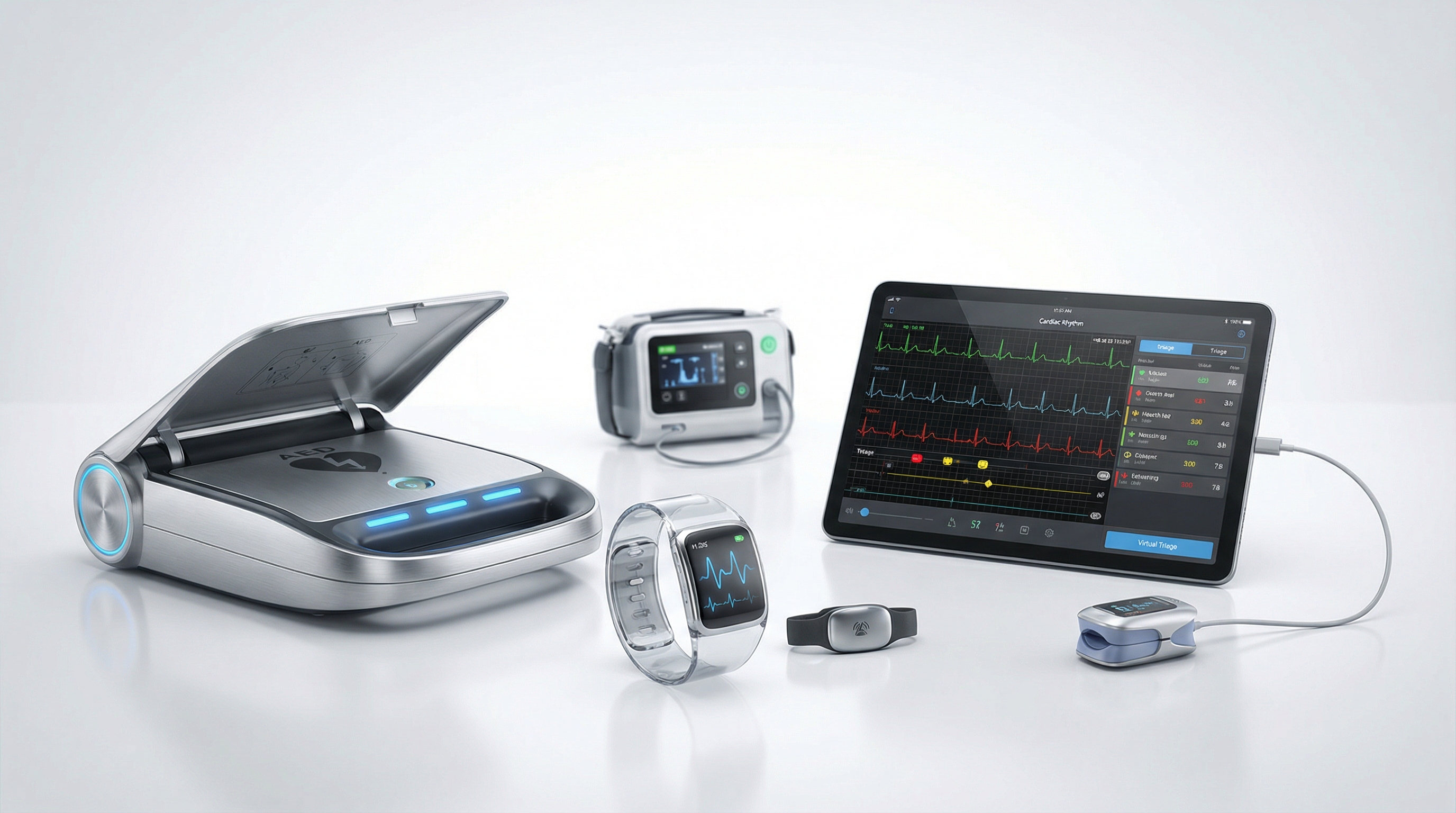
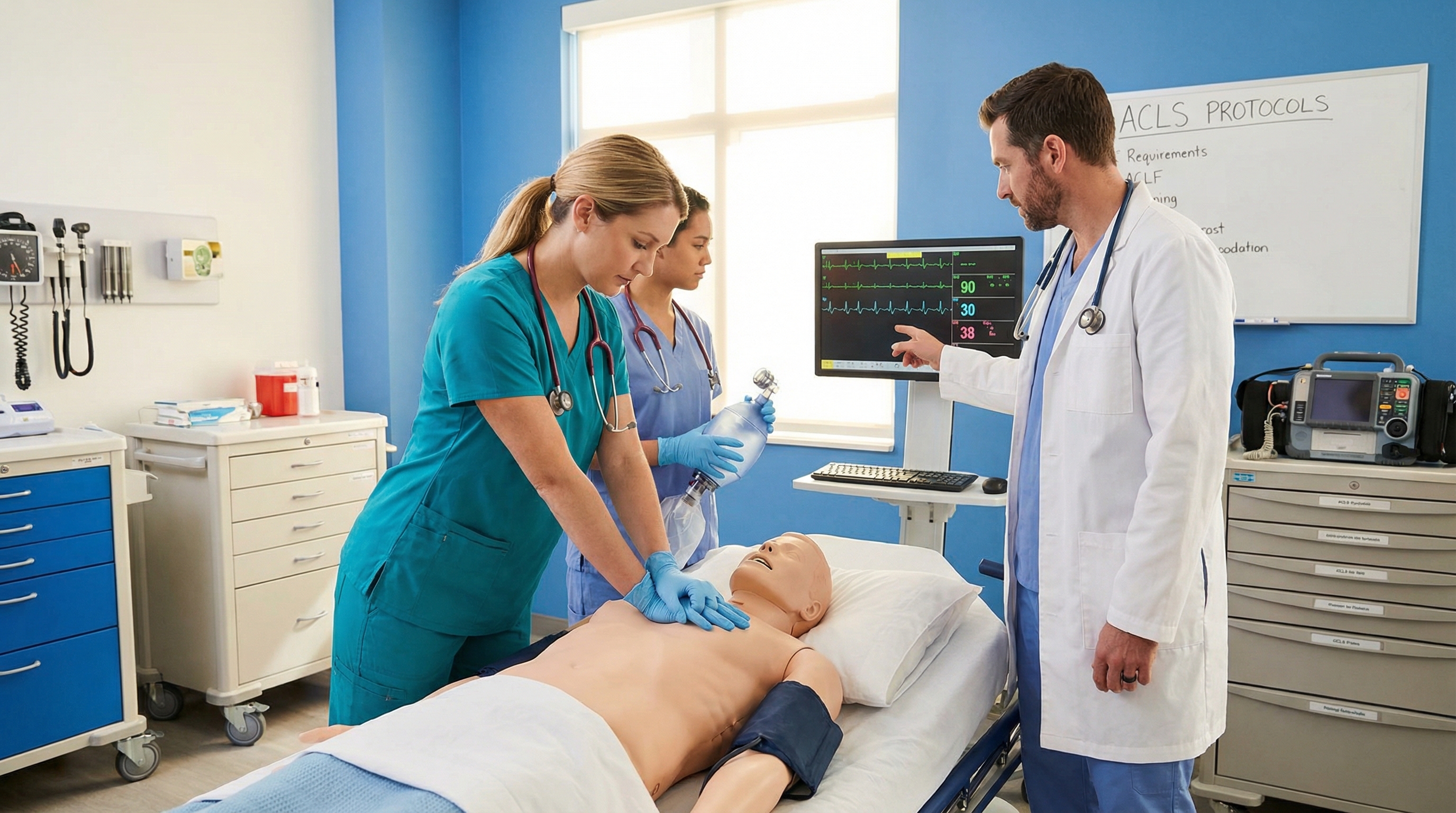
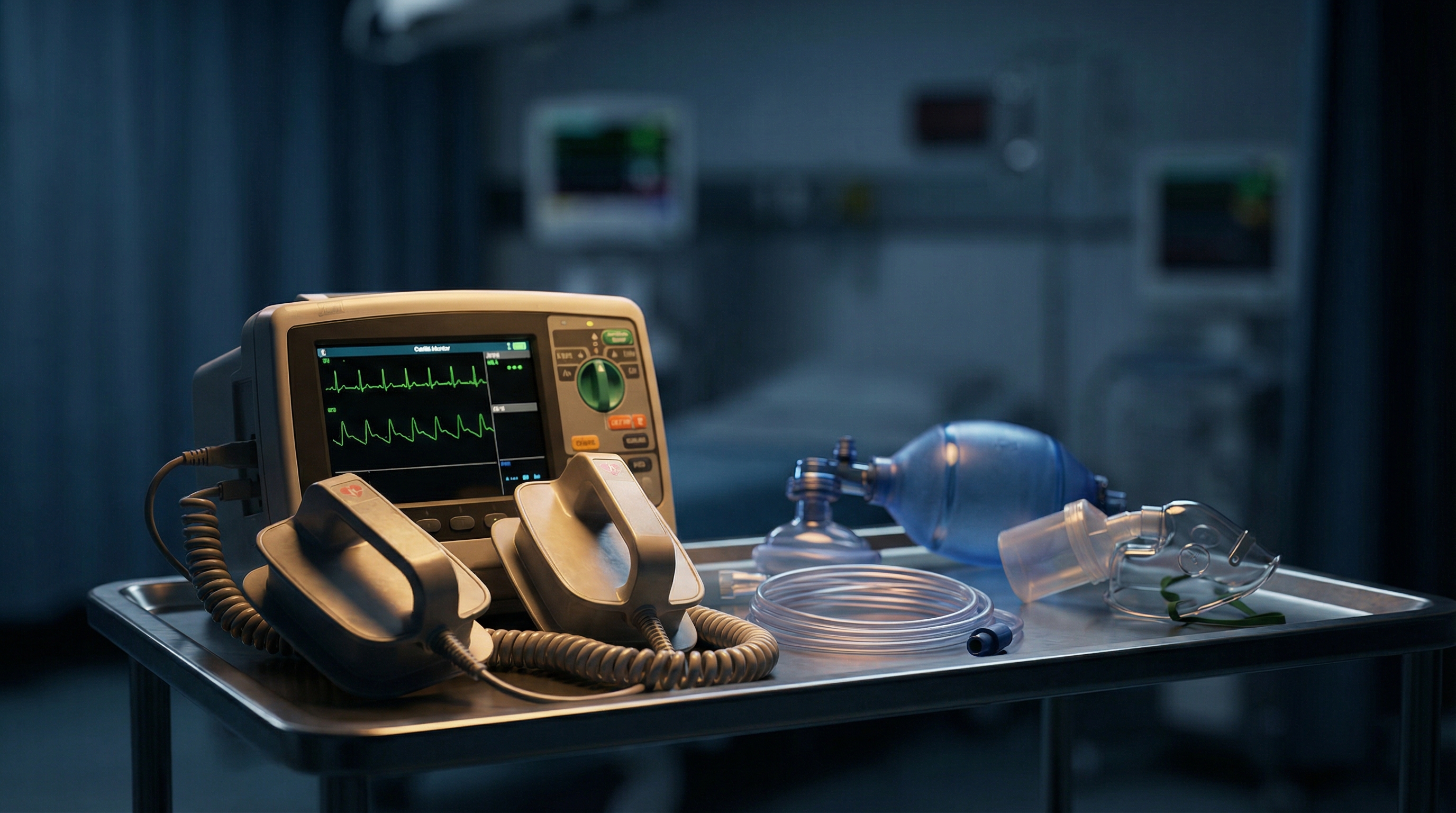
The landscape of cardiac emergency care is undergoing a dramatic transformation. As healthcare delivery rapidly shifts toward digital platforms, telehealth providers face a critical challenge: how to accurately assess and triage potentially life-threatening cardiac events through a screen. According to recent industry data, more than 71 million Americans will be utilizing some form of remote patient monitoring by 2025, with cardiology accounting for 21% of all RPM patient management. This explosive growth demands that virtual care providers possess robust knowledge of Advanced Cardiovascular Life Support (ACLS) protocols to make critical triage decisions in real-time.
For emergency medicine physicians, nurses, and telehealth clinicians, the integration of ACLS knowledge into virtual cardiac triage represents not just a best practice but an essential clinical competency. The stakes are remarkably high: remote clinicians must determine within minutes whether a patient experiencing chest pain requires immediate 911 activation, urgent in-person evaluation, or can safely manage symptoms at home with follow-up care. This article explores how ACLS training forms the clinical foundation for effective virtual cardiac triage and examines the emerging intersection of telemedicine, remote patient monitoring, and life-support protocols.
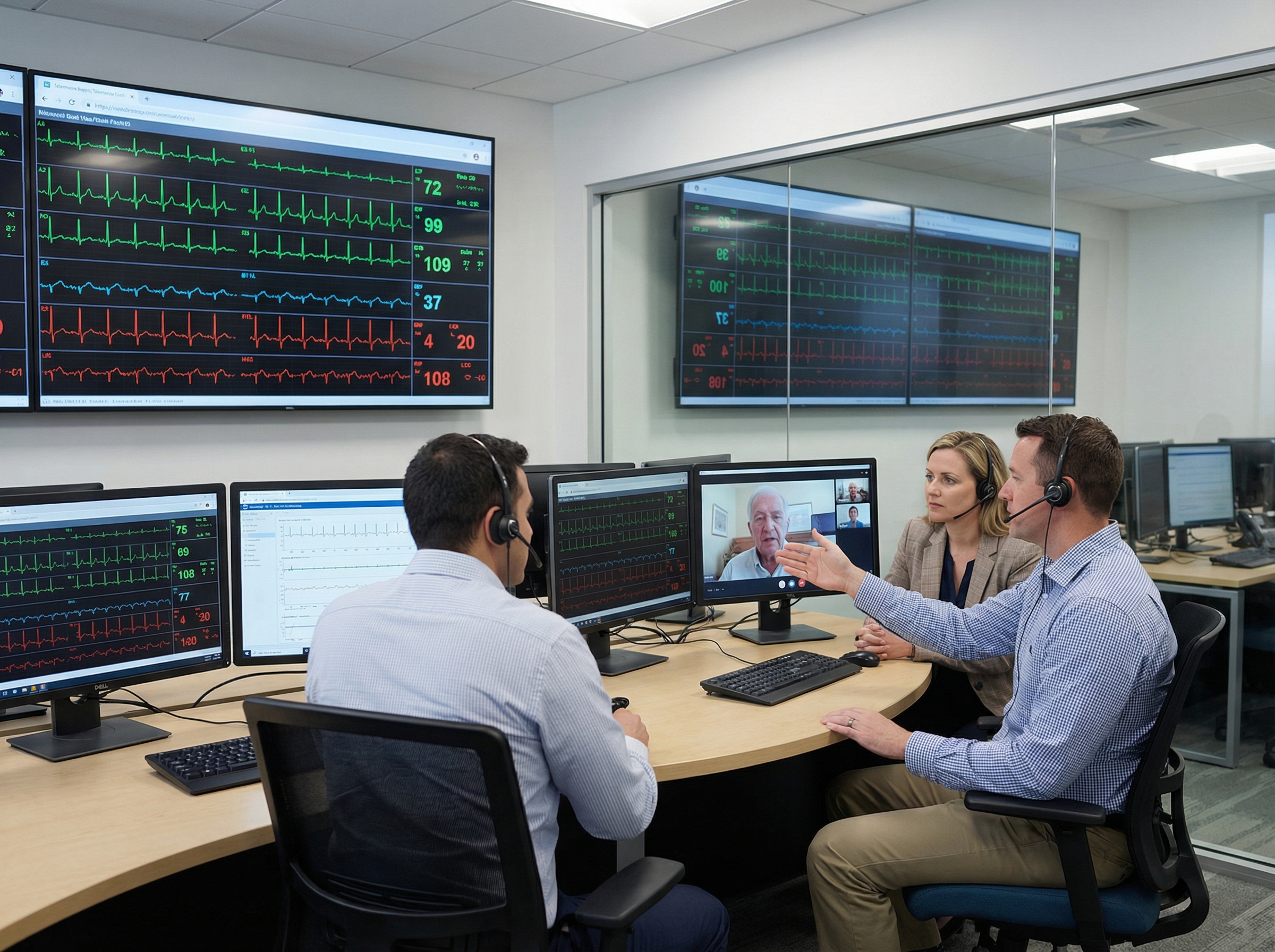
Virtual cardiac triage refers to the systematic assessment and risk stratification of patients with potential cardiac emergencies conducted through digital health platforms, including video consultations, telephone triage, mobile health applications, and remote patient monitoring systems. Unlike traditional emergency department triage, virtual cardiac triage operates without the benefit of physical examination, immediate diagnostic testing, or hands-on intervention capability. This limitation makes theoretical knowledge and systematic clinical reasoning absolutely critical.
The explosive growth of telehealth has created unprecedented opportunities and challenges for cardiac care delivery. The global remote patient monitoring market is expected to grow from $48.51 billion in 2025 to $137.26 billion by 2033, reflecting widespread adoption across healthcare systems. Within this expansion, cardiovascular conditions represent one of the most common and highest-risk categories requiring remote assessment. Integrating telemedicine into ACLS training has become essential for preparing clinicians to navigate this new clinical environment effectively.
Remote patient monitoring technologies now enable continuous tracking of cardiac parameters including heart rate, rhythm abnormalities, blood pressure trends, oxygen saturation, and even electrocardiographic data through wearable devices. Research published by the National Center for Biotechnology Information demonstrates that remote monitoring of cardiac implantable electronic devices achieves nearly 95% sensitivity for detecting atrial fibrillation and enables early detection of actionable clinical events. For telehealth providers, interpreting this continuous data stream requires comprehensive understanding of cardiac pathophysiology, arrhythmia recognition, and acute coronary syndrome presentations—all core components of ACLS training.
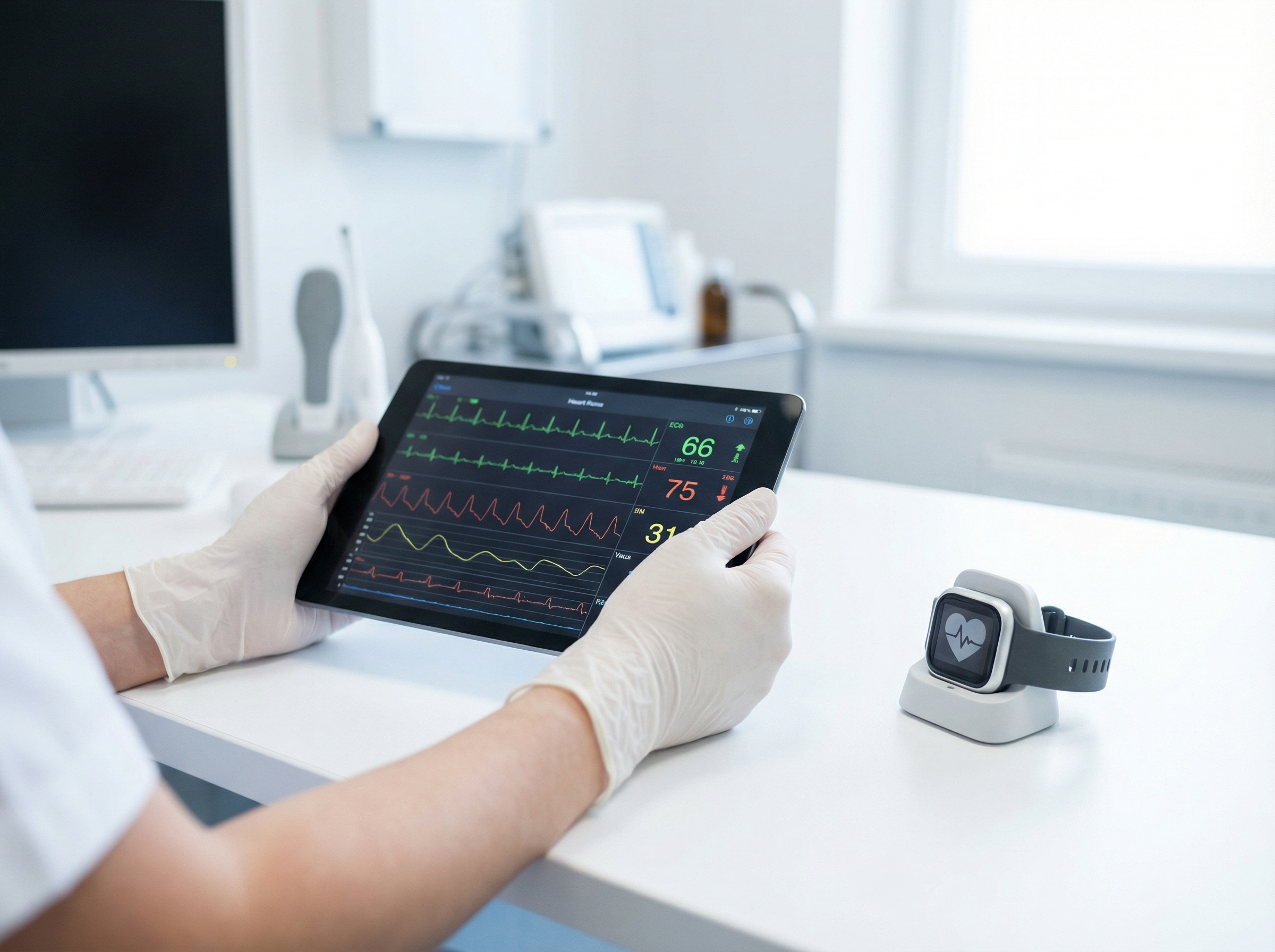
Advanced Cardiovascular Life Support training provides telehealth clinicians with systematic frameworks for recognizing and responding to cardiac emergencies. The core ACLS competencies directly translate to virtual triage scenarios in several critical ways. First, ACLS training emphasizes rapid recognition of life-threatening rhythms and conditions, teaching clinicians to identify patterns that indicate imminent cardiac arrest or severe hemodynamic compromise. This pattern recognition becomes essential when reviewing telemetry data or interpreting patient-reported symptoms remotely.
Second, ACLS protocols provide systematic assessment algorithms that guide virtual clinicians through structured questioning and risk stratification. When a patient contacts a telehealth platform reporting chest discomfort, the ACLS-trained clinician automatically implements a systematic approach: characterizing the pain quality, assessing associated symptoms, identifying cardiac risk factors, and determining hemodynamic stability indicators. This methodical framework reduces the likelihood of missing critical diagnostic clues in the absence of physical examination.
Third, ACLS knowledge enables telehealth providers to recognize presentations of acute coronary syndromes, stroke, and other time-sensitive cardiac emergencies that require immediate activation of emergency medical services. Understanding the symptoms of acute coronary syndrome is particularly crucial in virtual settings, where clinicians must rely heavily on patient symptom descriptions and cannot perform physical examination maneuvers or obtain immediate ECG interpretation.
Chest pain represents the most common and challenging cardiac complaint in telehealth encounters. ACLS training equips virtual providers with the knowledge to systematically differentiate between high-risk and low-risk presentations. During a virtual consultation, the ACLS-trained clinician applies their understanding of acute coronary syndrome pathophysiology to ask targeted questions: Is the pain pressure-like or crushing in quality? Does it radiate to the jaw, neck, or left arm? Are there associated symptoms of diaphoresis, nausea, or dyspnea? Does the patient have a history of coronary artery disease, diabetes, or other cardiac risk factors?
The risk stratification process draws directly from ACLS knowledge of acute coronary syndrome presentations. Patients describing typical anginal symptoms with cardiac risk factors require immediate emergency department evaluation or 911 activation, particularly if symptoms have lasted more than five minutes or are not relieved by rest. The 2025 ACC/AHA/ACEP guidelines for management of patients with acute coronary syndromes provide updated guidance on rapid triage decisions, emphasizing that electrocardiographic findings facilitate patient triage even in virtual consultation settings when transmitted digitally.
Palpitations represent another frequent telehealth cardiac complaint requiring ACLS knowledge for appropriate triage. Virtual clinicians must determine whether reported palpitations indicate benign ectopy, atrial fibrillation requiring anticoagulation consideration, or life-threatening ventricular arrhythmias. Understanding atrial fibrillation and other arrhythmias enables telehealth providers to ask targeted questions about symptom duration, associated lightheadedness or syncope, and hemodynamic stability. When patients have access to wearable cardiac monitors or smartphone-enabled ECG devices, ACLS-trained clinicians can interpret transmitted rhythm strips to guide triage decisions.
Remote patient monitoring technologies provide telehealth clinicians with continuous physiologic data that was previously available only in hospital settings. Patients with heart failure, recent acute coronary syndromes, or implantable cardiac devices now transmit real-time data including heart rate variability, weight trends, activity levels, and rhythm disturbances. For clinicians with strong ACLS foundations, this data becomes actionable intelligence rather than mere numbers on a screen.
When remote monitoring systems generate alerts for detected arrhythmias, ACLS knowledge guides the appropriate response. An alert for sustained ventricular tachycardia requires immediate contact with the patient to assess symptoms and hemodynamic stability, with preparation for potential emergency services activation. Research shows that remote monitoring enables early detection of device malfunctions and clinical events requiring immediate reaction, including atrial fibrillation episodes and ventricular arrhythmias, improving patient outcomes through timely intervention.
Remote monitoring of heart failure patients generates data on weight gain, increasing dyspnea, and declining activity tolerance. ACLS-trained clinicians recognize these patterns as potential indicators of acute decompensation requiring medication adjustment or urgent evaluation. The European Society of Cardiology guidelines recommend that device-based remote monitoring should be considered to provide earlier detection of clinical problems, a recommendation that assumes clinicians possess the knowledge to interpret findings within appropriate clinical context.
Modern telehealth platforms increasingly incorporate clinical decision support tools designed to assist with cardiac triage. These digital solutions range from symptom checkers and risk stratification algorithms to artificial intelligence-powered diagnostic assistance. However, technology serves as an adjunct to clinical judgment, not a replacement for it. Digital health and ACLS apps can enhance emergency preparedness, but the clinician's foundational knowledge remains the critical determinant of patient safety.
Artificial intelligence applications in cardiac care show remarkable promise for enhancing virtual triage capabilities. The impact of AI on emergency cardiac care includes automated ECG interpretation, predictive analytics for cardiac events, and pattern recognition in continuous monitoring data. Mayo Clinic's AI-powered remote monitoring system achieved a 40% reduction in hospital readmissions in 2025, demonstrating the potential for technology to improve outcomes. Nevertheless, AI tools require human oversight from clinicians with robust ACLS knowledge to validate recommendations and integrate machine-generated insights into comprehensive clinical decision-making.
When virtual triage determines that a patient requires emergency medical services activation, ACLS knowledge guides the telehealth provider in coordinating care and providing pre-arrival instructions. The clinician can instruct family members to retrieve aspirin for suspected acute coronary syndrome, position the patient to optimize airway patency if consciousness is declining, or prepare to initiate CPR if cardiac arrest occurs while awaiting EMS arrival. These interventions, guided by ACLS protocols, can significantly impact patient outcomes during the critical minutes before professional emergency responders arrive.
Acute stroke represents one of the most time-sensitive emergencies encountered in telehealth practice. ACLS training includes stroke recognition algorithms that prove essential in virtual consultations. When patients or family members contact telehealth providers with concerns about sudden neurological changes, ACLS-trained clinicians systematically assess for stroke warning signs: facial droop, arm weakness, speech difficulties, and time of symptom onset.
The suspected stroke in adult algorithm provides a systematic framework for virtual assessment and triage. Through video consultation, clinicians can visually assess facial symmetry, observe arm drift, and evaluate speech clarity. The critical emphasis on time to treatment in stroke care makes accurate virtual triage essential—every minute saved in recognizing stroke and activating emergency services translates to preserved brain tissue and improved functional outcomes.
ACLS knowledge also helps telehealth providers differentiate true strokes from stroke mimics, reducing unnecessary emergency activations while ensuring that true cerebrovascular events receive immediate attention. Conditions such as hypoglycemia, complex migraines, and seizure activity can produce stroke-like symptoms but require different management approaches. Systematic assessment and pattern recognition developed through ACLS training enable more accurate virtual differentiation.
Patients with abnormal heart rates frequently seek virtual consultations, presenting telehealth providers with diagnostic and triage challenges. ACLS training in bradycardia and tachycardia management provides the knowledge framework for virtual assessment of these complaints. The critical first determination involves assessing hemodynamic stability: Is the patient experiencing symptoms of poor perfusion such as altered mental status, chest pain, hypotension, or signs of shock?
When patients report symptoms suggesting hemodynamically unstable tachycardia or bradycardia during a telehealth encounter, ACLS knowledge guides immediate 911 activation. Symptoms such as acute altered mental status, ongoing chest pain, hypotension, or other signs of shock in the presence of reported rapid or slow heart rate constitute medical emergencies requiring immediate in-person emergency care. The telehealth provider's ACLS training enables recognition that these presentations require interventions beyond the scope of virtual care.
For hemodynamically stable patients with rhythm complaints, ACLS knowledge guides systematic evaluation and disposition planning. Patients with access to wearable monitors or smartphone ECG capabilities can transmit rhythm data for virtual interpretation. The ACLS-trained clinician evaluates whether the rhythm represents sinus tachycardia from an underlying cause requiring treatment, atrial fibrillation necessitating anticoagulation consideration and rate control, or other arrhythmias requiring outpatient cardiology referral versus urgent evaluation.
Patients who have survived cardiac arrest often require ongoing monitoring during recovery, and telehealth plays an increasing role in post-arrest follow-up care. ACLS training includes post-cardiac arrest care protocols that inform remote monitoring strategies for these high-risk patients. Virtual clinicians monitor for neurological recovery, optimize secondary prevention medications, coordinate rehabilitation services, and watch for warning signs of recurrent cardiac events.
Remote patient monitoring technologies enable continuous surveillance of cardiac arrest survivors at home, detecting arrhythmia recurrence, monitoring heart failure decompensation, and tracking medication adherence. The ACLS-trained telehealth provider interprets this monitoring data within the clinical context of the patient's arrest etiology, underlying cardiac disease, and current functional status. Early detection of concerning patterns enables proactive intervention before clinical deterioration occurs.
As telehealth expands into cardiac care delivery, healthcare organizations increasingly recognize ACLS certification as an essential credential for virtual care providers. Nurses, nurse practitioners, physician assistants, and physicians providing telehealth consultations for cardiac complaints require current ACLS certification to ensure they possess the knowledge base for accurate triage and appropriate emergency activation. Technological innovations transforming ACLS training have made online certification increasingly accessible for busy telehealth clinicians.
Online ACLS certification through platforms like Affordable ACLS offers particular advantages for telehealth providers. The self-paced format accommodates the irregular schedules common in virtual care practice, allowing clinicians to complete training between telehealth shifts. The immediate digital certification enables rapid credentialing for new telehealth positions. Most importantly, the content focuses on the cognitive knowledge and systematic algorithms that translate directly to virtual triage decision-making, even without the hands-on skills practice emphasized in traditional ACLS courses.
Telehealth providers must maintain current ACLS knowledge through regular recertification, ensuring familiarity with the latest guideline updates and evidence-based protocols. The American Heart Association updates ACLS guidelines regularly based on emerging research, and these updates often include information relevant to virtual care delivery. The 2025 guidelines, for example, address digital health integration and remote monitoring applications that directly impact telehealth cardiac triage practices.
Telehealth providers conducting virtual cardiac triage must meet the same standard of care required in traditional healthcare settings. This means that clinicians must possess and apply appropriate knowledge to recognize cardiac emergencies, conduct systematic assessments, and make appropriate triage and referral decisions. ACLS certification demonstrates that a clinician has met a recognized standard for cardiovascular emergency knowledge, providing both clinical competency assurance and medicolegal documentation of appropriate training.
The American College of Emergency Physicians provides guidance on telehealth standards in their Emergency Medicine Telehealth policy statement, emphasizing that telehealth services should be limited to those normally performed by emergency physicians or for which they are credentialed in physical practice. This guidance underscores the importance of appropriate training and certification, including ACLS, for clinicians providing virtual emergency consultations for cardiac complaints.
Proper documentation of virtual cardiac triage encounters provides essential medicolegal protection while ensuring continuity of care. ACLS-trained clinicians understand the importance of documenting systematic assessment findings, risk stratification rationale, patient instructions provided, and follow-up plans established. When emergency activation is recommended but declined by a patient, thorough documentation of the advice given and patient's informed refusal becomes critically important. This documentation demonstrates that the clinician applied appropriate knowledge and clinical judgment even when patient decisions differ from medical recommendations.
Virtual cardiac triage operates with inherent limitations that even the most ACLS-knowledgeable clinician cannot fully overcome. The absence of physical examination eliminates auscultation of heart sounds and lung sounds, palpation of pulses, assessment of jugular venous distension, and evaluation of peripheral edema. These physical findings often provide critical diagnostic information in cardiac emergencies. ACLS training helps clinicians understand the significance of these missing data points and adjust risk stratification accordingly, erring toward caution when uncertainty exists.
Technology barriers can compromise virtual cardiac assessment quality. Poor video or audio quality may prevent adequate symptom assessment. Patients without access to home blood pressure monitoring, pulse oximetry, or wearable cardiac monitors provide only subjective symptom reports. Digital literacy limitations, particularly among older cardiac patients, may impair the patient's ability to effectively communicate symptoms or operate monitoring devices. ACLS-trained telehealth providers must recognize when technology limitations prevent adequate assessment and recommend in-person evaluation when virtual assessment proves inadequate.
Patient compliance with recommendations presents unique challenges in telehealth. When a virtual clinician recommends emergency department evaluation or 911 activation, the patient may decline, choosing instead to continue observation at home. Unlike in-person emergency settings where seriously ill patients are already present in a treatment facility, virtual recommendations depend entirely on patient cooperation. ACLS knowledge helps clinicians communicate the urgency and rationale for emergency care recommendations in ways that improve patient compliance with critical safety advice.
Emerging wearable technologies continue to enhance virtual cardiac assessment capabilities. Next-generation devices provide continuous multi-lead ECG monitoring, advanced arrhythmia detection, blood pressure tracking, and even biomarker monitoring through non-invasive sensors. As these technologies mature and become more widely available, telehealth providers with strong ACLS foundations will be positioned to interpret increasingly sophisticated physiologic data and make more precise triage decisions remotely.
Artificial intelligence integration in telehealth platforms will continue advancing, providing increasingly sophisticated clinical decision support for cardiac triage. Machine learning algorithms trained on millions of patient encounters can identify subtle patterns indicating high-risk cardiac conditions. However, these AI tools will augment rather than replace clinician judgment. The telehealth provider's ACLS knowledge remains essential for validating AI recommendations, integrating multiple data sources, and making final clinical decisions that account for individual patient context.
Fifth-generation (5G) wireless technology promises to revolutionize telehealth capabilities through higher bandwidth, lower latency, and improved connectivity. These technological advances will enable real-time transmission of high-quality video, continuous vital sign monitoring, and even remote ultrasound examinations guided by specialist physicians. For virtual cardiac care, 5G may enable telehealth providers to conduct more comprehensive remote assessments approaching the quality of in-person evaluation. ACLS-trained clinicians will be prepared to leverage these advancing technologies effectively.
Healthcare organizations implementing or expanding telehealth services for cardiac care should establish clear credentialing requirements that include current ACLS certification for all providers conducting virtual cardiac consultations. This requirement ensures a baseline knowledge standard across the telehealth workforce while providing quality assurance for patients and referring providers. Organizations should also establish systems for tracking certification expiration dates and ensuring timely recertification.
Telehealth organizations benefit from developing standardized clinical protocols for common cardiac complaints that integrate ACLS algorithms with virtual care workflows. These protocols should specify required assessment elements, documentation standards, triage criteria for emergency activation versus urgent or routine follow-up, and escalation pathways for uncertain cases. Protocols grounded in ACLS principles ensure consistency across providers while supporting less experienced clinicians with structured decision support.
Ongoing quality monitoring and improvement processes should track key metrics in virtual cardiac triage, including emergency activation rates, missed diagnoses identified through follow-up, patient outcomes, and compliance with established protocols. Regular case reviews of significant cardiac events allow telehealth teams to identify learning opportunities and refine triage protocols. ACLS-trained medical directors can lead these quality improvement efforts, ensuring that lessons learned translate into enhanced clinical practices.
The rapid expansion of telehealth and remote patient monitoring has created new frontiers in cardiac care delivery, bringing emergency assessment and triage capabilities directly into patients' homes. This transformation offers tremendous benefits in terms of access, convenience, and continuous monitoring, but it also creates significant clinical challenges. Virtual cardiac triage demands that clinicians make high-stakes decisions about life-threatening conditions without the benefit of physical examination, immediate diagnostic testing, or hands-on intervention capability.
Advanced Cardiovascular Life Support knowledge provides the essential clinical foundation that enables telehealth providers to navigate these challenges safely and effectively. ACLS training equips clinicians with systematic assessment algorithms, pattern recognition skills for cardiac emergencies, understanding of acute coronary syndromes and arrhythmias, and evidence-based protocols for risk stratification and triage. These competencies translate directly from the emergency department or hospital setting to the virtual consultation environment, enabling accurate recognition of high-risk presentations and appropriate activation of emergency resources when needed.
As telehealth continues evolving and remote patient monitoring technologies become increasingly sophisticated, the importance of robust ACLS knowledge will only grow. The clinician who combines strong cardiovascular emergency training with digital health literacy will be optimally positioned to deliver high-quality virtual cardiac care. For healthcare organizations implementing telehealth services, ensuring ACLS certification among virtual care providers represents a fundamental quality and safety requirement.
For clinicians seeking to enter or advance in telehealth practice, obtaining or maintaining current ACLS certification through accessible online platforms like Affordable ACLS provides both the knowledge foundation and the credentialing necessary for virtual cardiac care delivery. The investment in ACLS training pays dividends in clinical confidence, improved patient safety, and enhanced capability to leverage emerging telehealth technologies effectively. In the digital health era, ACLS knowledge remains as relevant as ever—perhaps even more so—as the foundation for recognizing and responding to cardiac emergencies, whether face-to-face or through a screen.
.jpg)