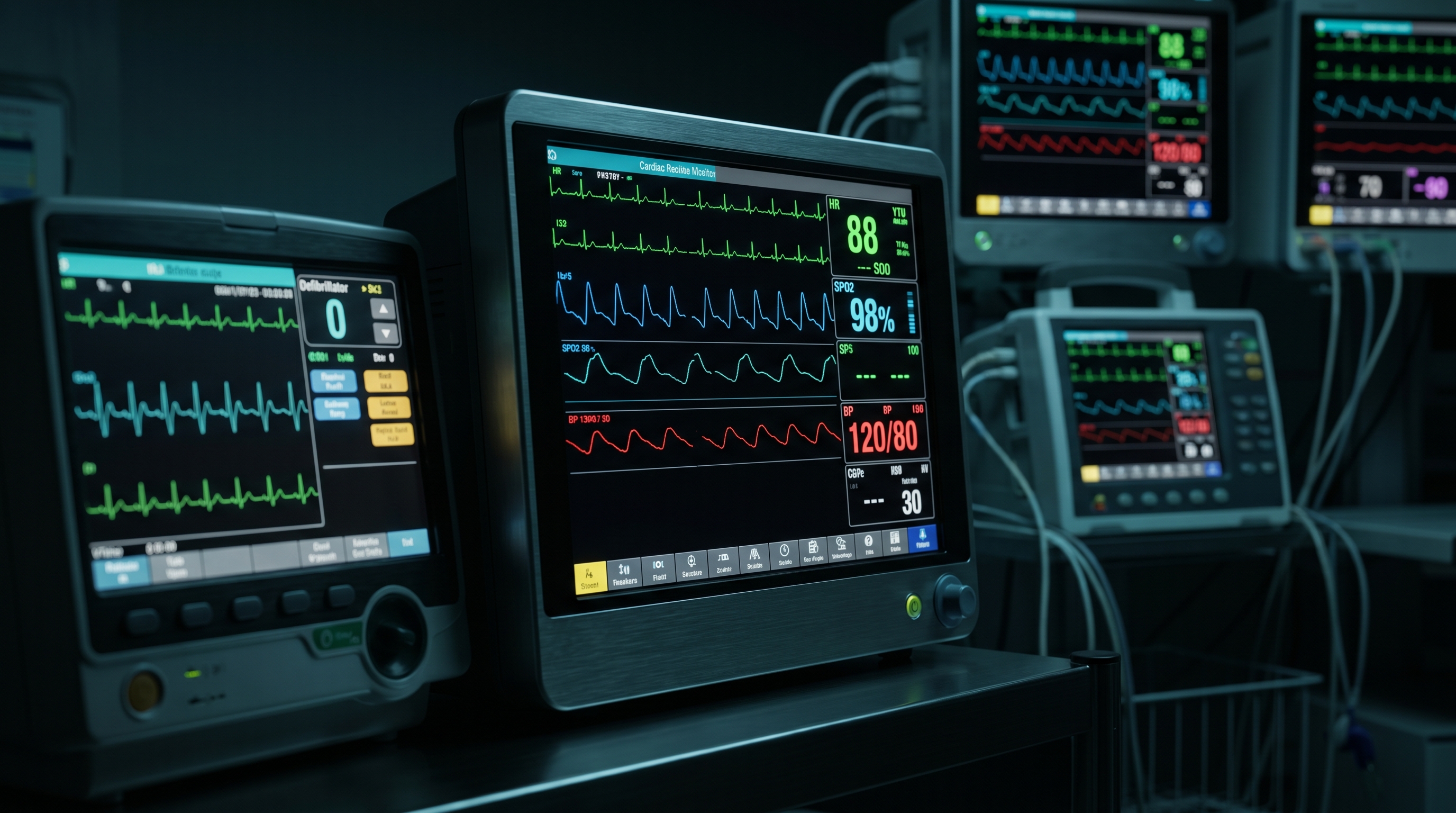
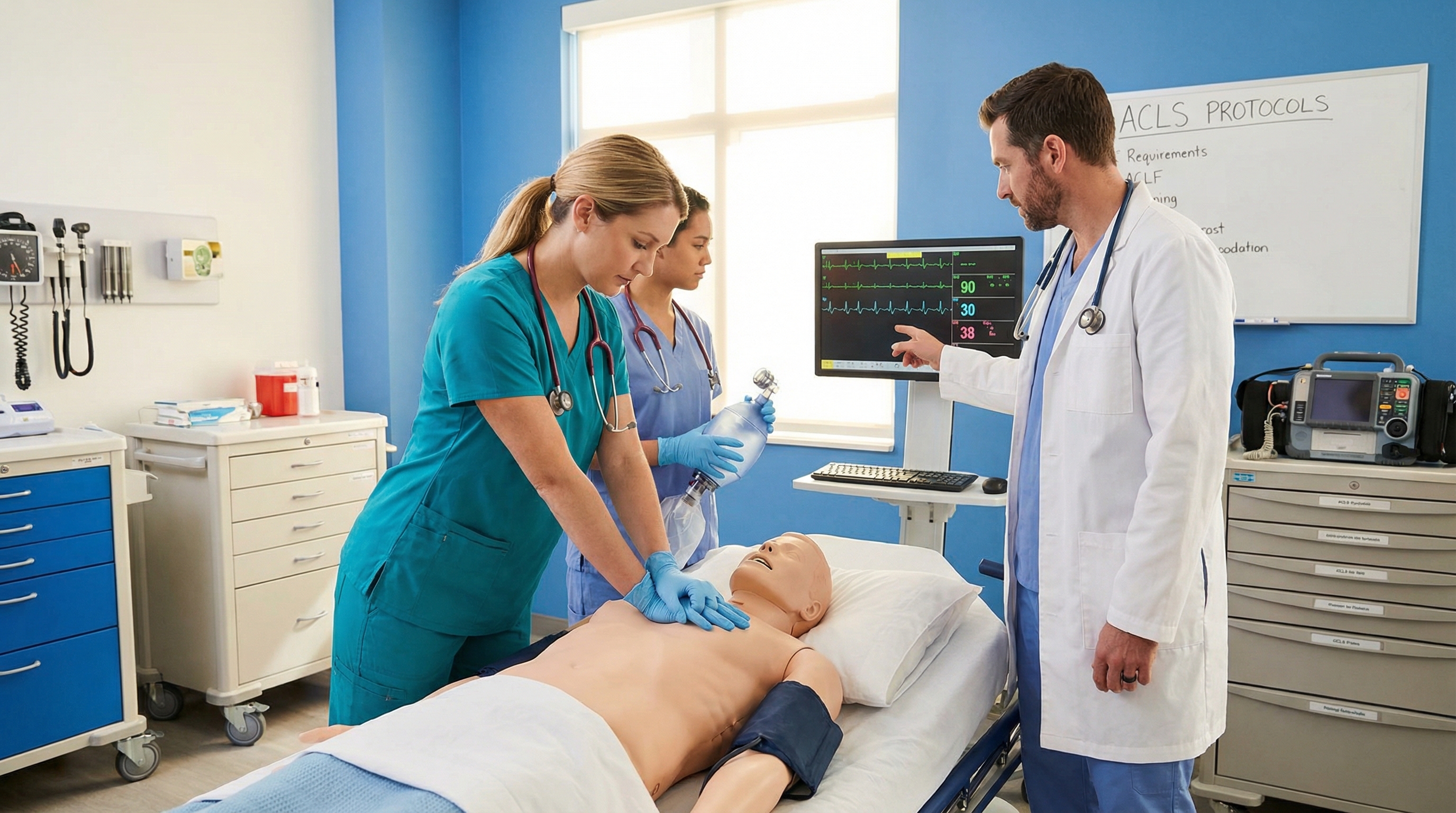
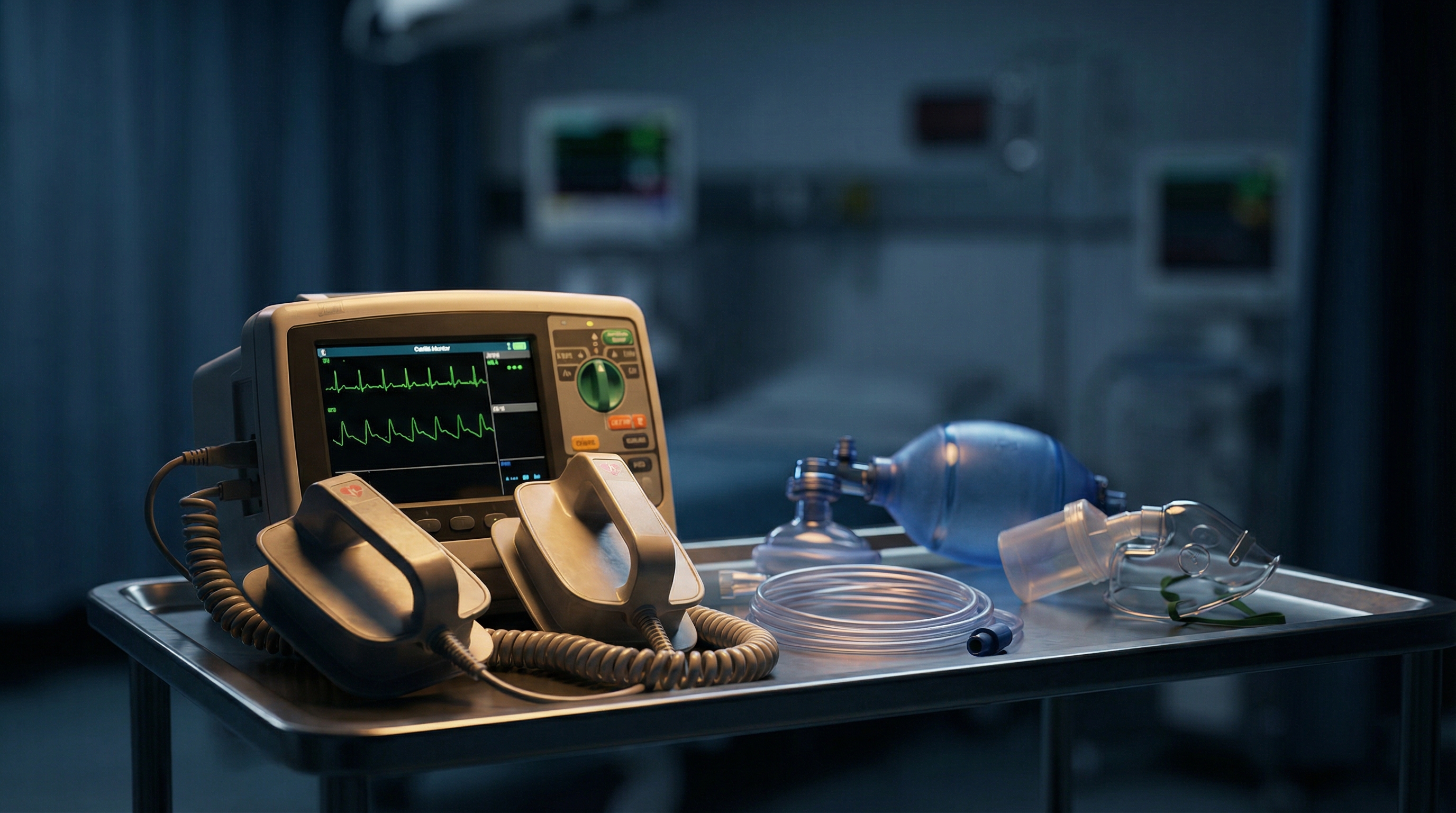
You passed your ACLS certification exam, received your certificate, and walked away feeling confident. Two years later, you show up to recertification and realize something uncomfortable: some of those algorithms, drug sequences, and rhythms you knew cold have quietly slipped away. You are not alone, and you are not failing — you are experiencing a universal physiological and cognitive phenomenon known as skills decay.
ACLS knowledge and psychomotor competency do not hold steady between certifications like a file stored on a hard drive. They erode — gradually, predictably, and in ways that directly affect patient outcomes during real resuscitations. Understanding why this happens, and building habits that counteract it, is one of the most important professional investments any clinician can make.
This article breaks down the science of skills decay, identifies which ACLS competencies are most vulnerable to erosion, and gives you a practical year-round framework to maintain the sharp, instinctive performance that codes actually demand.
Skills decay is not a sign of poor learning or lack of commitment. It is a predictable consequence of how the human brain consolidates and retrieves infrequently used procedural memories. Research published in the Resuscitation Journal found that advanced life support knowledge and skills decay significantly by six to twelve months after training, with psychomotor skills fading faster than theoretical knowledge. That timeline is sobering when you consider that most providers hold a two-year certification cycle.
The underlying mechanism is Ebbinghaus's forgetting curve: without deliberate review or real-world application, memory traces weaken exponentially over time. For procedural skills like CPR compressions, airway management, and defibrillator operation, this decay is compounded by a lack of physical rehearsal. You can read about chest compression depth all you want, but your hands forget the feel of proper recoil if months pass without practice.
Low-volume clinical environments accelerate the problem. A hospitalist who manages one cardiac arrest every eighteen months has far fewer opportunities to reinforce ACLS algorithms than an emergency physician who encounters codes weekly. Research consistently confirms that confidence in resuscitation abilities is greatest after recent practice or participation in an effective debriefing session — meaning that time between encounters is the enemy of performance.
Not all ACLS competencies erode at the same rate. Understanding where the gaps are most likely to appear helps you prioritize your maintenance practice and allocate your limited review time where it matters most.
Psychomotor CPR skills — compression rate, depth, hand placement, and full chest recoil — are among the first competencies to degrade. Studies consistently show measurable decline in compression quality within three to six months of initial training. The muscle memory for delivering truly effective compressions requires physical repetition on a manikin, not just cognitive recall of the guidelines. High-performance CPR standards are demanding, and meeting them under the stress of a real code requires recent, embodied practice — not just a current certification card in your wallet.
The ACLS algorithms for VF/pVT, PEA, asystole, and tachycardia management involve branching decision points that depend on rapid pattern recognition. Under cognitive load and emotional stress, providers who have not actively rehearsed these sequences tend to hesitate, skip steps, or default to familiar habits rather than evidence-based protocols. The timing of medication delivery — epinephrine every three to five minutes, amiodarone dose sequencing, synchronized cardioversion energy selections — is particularly vulnerable to this kind of decay. Errors in drug timing are among the most common deficiencies identified in post-code reviews.
ACLS is not a solo performance. The team dynamics skills — role assignment, closed-loop communication, clear team leader authority — erode quietly between certifications because they are rarely practiced outside of actual codes or formal simulations. When these communication skills break down during a real resuscitation, the result is overlapping voices, delayed interventions, and dangerous errors of omission. Effective team communication during code blues is a trainable skill that requires regular rehearsal, not just certification-day awareness.
Rhythm identification is the cognitive gateway to every ACLS algorithm. Under time pressure, with a patient in front of you and a team waiting for direction, rhythm recognition accuracy drops significantly if the skill has not been maintained. Shockable versus non-shockable, stable versus unstable tachycardia, wide complex versus narrow complex — these distinctions need to feel automatic, not effortful. Providers who practice rhythm strips regularly sustain this pattern-matching ability far more reliably than those who only encounter formal rhythm review at recertification.
Knowing that skills decay is inevitable, the practical question becomes: what specific habits, built into your regular workflow, will keep your ACLS competencies sharp between certifications? The following framework is grounded in evidence from simulation science, cognitive psychology, and clinical education research. None of these strategies require large blocks of time — they are designed to be integrated into the margins of a busy clinical schedule.
Spaced repetition is one of the most well-validated learning strategies in cognitive science, and it translates directly to ACLS maintenance. Research demonstrates that a simulation-enhanced spaced learning curriculum significantly improved ACLS algorithm adherence and sustained those improvements over time. The core principle is straightforward: review material at increasing intervals before the forgetting curve takes hold, and each review strengthens the memory trace.
In practical terms, this means setting aside fifteen to twenty minutes once a month to actively quiz yourself on ACLS algorithms. Do not just read through the flowcharts — cover them and force active recall. Which rhythm gets amiodarone first? What is the correct energy dose for synchronized cardioversion of unstable SVT? What are the H's and T's in PEA arrest? Mnemonic frameworks and cognitive shortcuts can anchor these decision points in long-term memory, making recall faster and more reliable under stress.
If your facility runs a mock code program, treat every drill as a mandatory professional development opportunity rather than an inconvenient interruption. The American Heart Association's Mock Code Training Guide emphasizes that low-dose, high-frequency in-situ simulation outperforms annual high-dose training for maintaining team competency. In facilities with quarterly mock codes, providers retain ACLS skills far more reliably than those who only encounter simulation at their two-year recertification.

If your facility does not have a structured program, you can advocate for one or create informal micro-simulations within your unit. A five-minute tabletop exercise walking through the VF algorithm with your team is infinitely more valuable than no practice at all. Building an effective mock code program takes planning but pays significant dividends in real-code performance — both for individual providers and for the team as a unit.
The minutes immediately following a real resuscitation event are a high-value learning window. A structured hot debrief — asking what went well, what could be improved, and what will change next time — converts a high-stress experience into a reinforced skill. Providers who participate in structured post-event reviews retain decision-making patterns and team communication improvements far longer than those who simply move on to the next patient. Hot and cold debriefing approaches each serve distinct purposes in team performance improvement, and using both strategically maximizes the learning extracted from each code event.
Even if you were not the team leader, participating in the debrief — and being honest about the moments of hesitation or uncertainty you experienced — builds the metacognitive awareness that sharpens future performance. The goal is not to assign blame but to identify gaps before they recur in the next emergency.
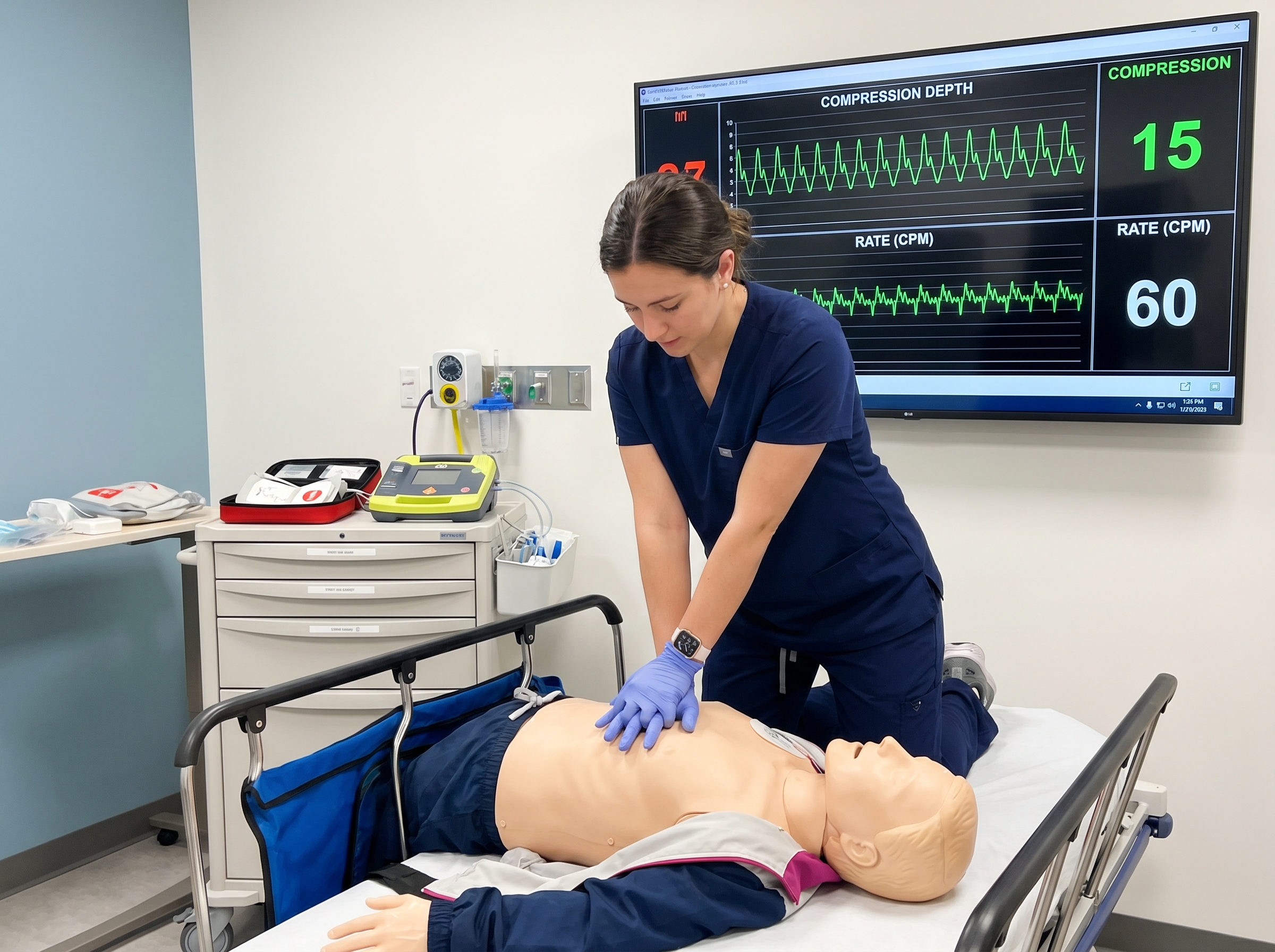
Because psychomotor CPR skills decay independently of cognitive knowledge, they require physical rehearsal on a manikin. Quarterly compression practice sessions — even ten minutes on a training mannequin with real-time feedback — measurably maintain compression quality metrics. Many hospitals have feedback-enabled manikins in their simulation labs that can provide data on your rate, depth, and recoil in real time.
The key is ensuring that your hands remember what proper compression mechanics feel like — not just that your brain remembers what the guidelines say. A scoping review on factors affecting CPR skill retention consistently identified training frequency and hands-on practice as the two most influential variables in maintaining long-term compression competency.
ACLS is not a static body of knowledge. The American Heart Association and ILCOR release evidence updates and guideline revisions that can affect drug dosing, algorithm sequencing, and post-resuscitation care protocols. Providers who do not actively monitor these updates can find themselves practicing with outdated protocols even while holding a current certification card. Make it a habit to read AHA Circulation updates or follow curated clinical education platforms that flag relevant guideline changes.
This is especially important around major guideline cycle updates. When the guidelines shift — whether around vasopressor timing, targeted temperature management, or airway device selection — being ahead of the change rather than catching up at your next recertification is what separates truly current providers from those who are merely compliant.
Rhythm recognition is a pattern-matching skill that responds very well to short, frequent practice sessions. Spending five minutes a week reviewing ECG strips — using free apps, flashcard platforms, or online modules — builds the rapid-recognition automaticity that codes demand. Focus particularly on the rhythms that are most clinically consequential and most easily confused: VF versus coarse artifact, AVNRT versus AVRT, wide complex tachycardia versus ventricular tachycardia.
Stack this habit onto an existing workflow trigger — end of shift, after morning huddle, during a lunch break — and the consistency compounds over time. Five minutes weekly is 260 additional minutes of rhythm practice in a two-year certification cycle. That investment is significant, and it requires no special equipment or dedicated training time.
Even with a strong year-round maintenance practice, the formal recertification process plays an irreplaceable role. It provides structured exposure to updated guidelines, validated assessment of your current competency, and the kind of concentrated review that resets your knowledge baseline. But the timing of your recertification matters more than many providers realize.
Waiting until the last month of a two-year cycle — or worse, allowing certification to lapse — means you are attempting recertification at the point of maximum skill decay. Conversely, recertifying on a consistent schedule and treating the process as an active learning event rather than a compliance checkbox maximizes its protective effect. Understanding the optimal timing for recertification and why it matters is foundational to maintaining clinical competency across your career.
For providers in low-volume environments who know their real-world code exposure is minimal, some institutions and credentialing bodies are beginning to support more frequent recertification cycles — annual rather than biennial — precisely because the evidence on skills decay supports it. If your clinical environment provides limited natural reinforcement of ACLS skills, discuss a more frequent renewal schedule with your department leadership.
One of the barriers to year-round ACLS maintenance is the time burden on already stretched healthcare professionals. Online certification platforms designed for busy clinicians address this directly by offering self-paced learning that fits into clinical schedules rather than demanding block-schedule attendance.
Affordable ACLS was developed by practicing Board Certified Emergency Medicine physicians who understand both the clinical demands of resuscitation and the time constraints clinicians face. The platform offers ACLS Recertification for $99 — a fraction of the cost of traditional in-person courses — with self-paced modules aligned to current AHA and ILCOR guidelines, unlimited retakes at no extra charge, and an immediately downloadable digital certificate upon completion. There is also a money-back guarantee if your employer does not accept the certification.
More importantly for year-round skill maintenance, the structured content serves as an excellent review resource between certifications. Revisiting specific modules — the cardiac arrest algorithms, the tachycardia management flowcharts, the post-ROSC care protocols — is a highly efficient use of limited review time. The platform is accessible on any device, meaning a fifteen-minute review session is available whenever your schedule allows it.
The BLS Recertification course ($59) is equally valuable for maintaining the foundational compression quality and airway skills that underpin every ACLS intervention. Understanding what has changed in BLS guidelines and what you need to know for recertification keeps those foundational skills current alongside your ACLS credentials.
Individual skill maintenance matters, but the most resilient ACLS performance happens within teams that share a culture of continuous readiness. When the expectation on your unit or in your department is that providers actively maintain their skills between certifications — not just at certification time — the collective performance level rises significantly.
This culture starts with leadership modeling. When charge nurses, attending physicians, and clinical educators visibly engage in mock codes, algorithm reviews, and post-code debriefs, they signal that this investment is valued and expected. Peer accountability reinforces the habit — it is easier to maintain a monthly review practice when a colleague participates alongside you.
Consider establishing a unit-level ACLS resource environment: printed algorithm cards, access to rhythm recognition apps, a shared calendar for mock code drills, and a designated space for manikin practice. These low-cost environmental supports make skill maintenance convenient rather than effortful. Research on retention of critical procedural skills after simulation training consistently shows that environmental cues and social reinforcement amplify the effect of deliberate practice — turning individual effort into team-level competency.
Every provider who has stood at the head of a code bed knows the feeling: a moment of hesitation, a half-second of doubt about the next algorithm step, a compression hand that does not quite find the right depth in the first cycle. These are the gaps that skills decay creates — and they are exactly the gaps that a deliberate, year-round maintenance practice closes.
The science is unambiguous: skills begin to decay within months of training, and the decay accelerates in low-volume clinical environments. The solution is equally clear: small, frequent, deliberate practice distributed across the certification cycle. Monthly algorithm reviews. Quarterly manikin sessions. Regular mock codes. Structured debriefs after every code event. Consistent rhythm recognition drills layered into your daily workflow.
None of these interventions require significant time or expense. What they require is intentionality — a commitment to treating ACLS competency as an ongoing professional practice rather than a biennial compliance event. Your patients in cardiac arrest do not care when your certification was issued. They need you to perform at the level your certificate claims, right now, in the moment that matters.
When you are ready to recertify or want to revisit the core content that keeps your algorithms sharp, Affordable ACLS offers flexible, physician-developed online courses that fit your schedule and your budget. With ACLS Recertification available for $99, immediate digital certification upon completion, unlimited retakes, and a money-back guarantee if your employer does not accept it, there is no reason to let skills decay go unaddressed. Visit affordableacls.com to maintain the competency your patients deserve.
.jpg)