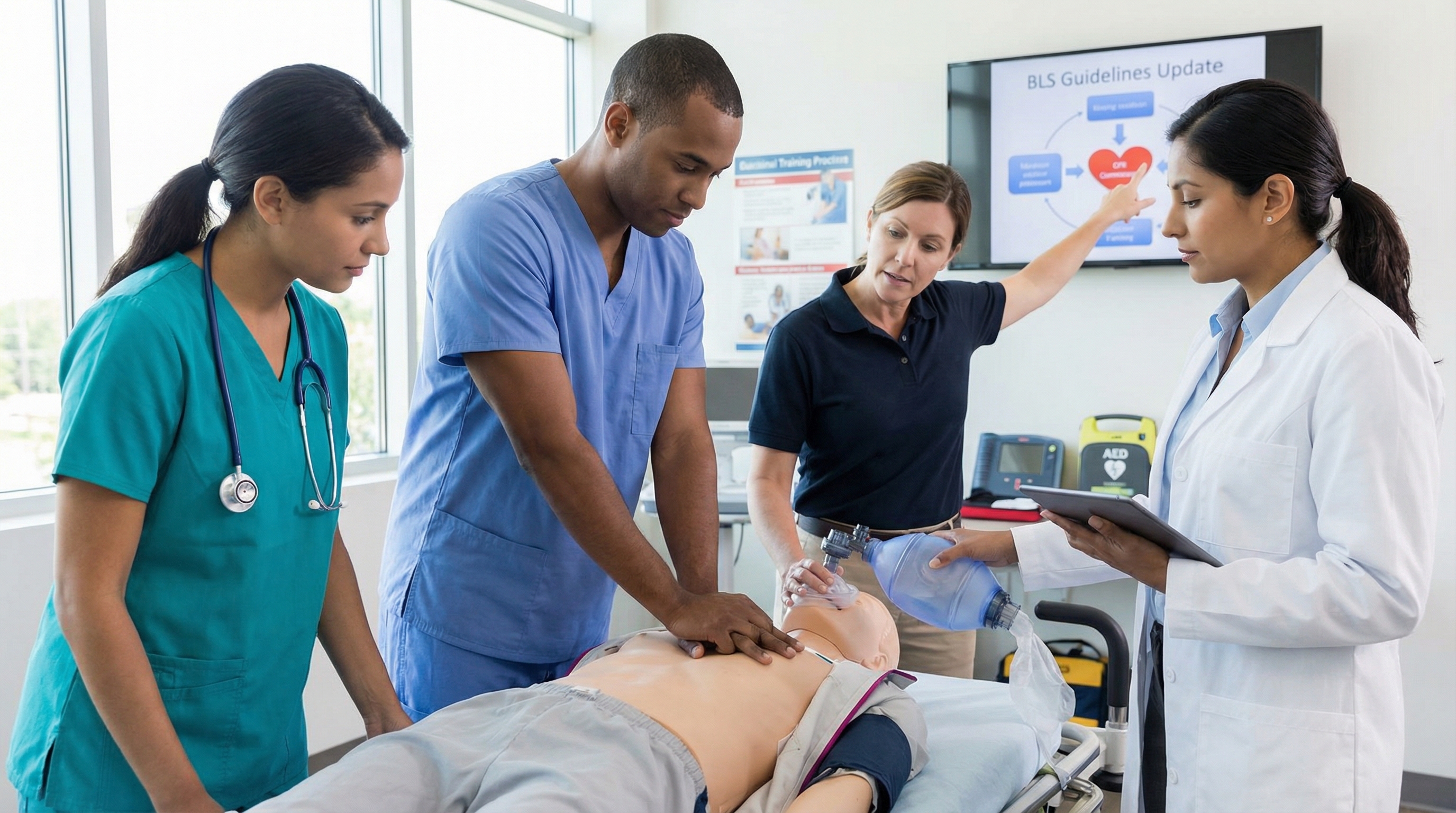
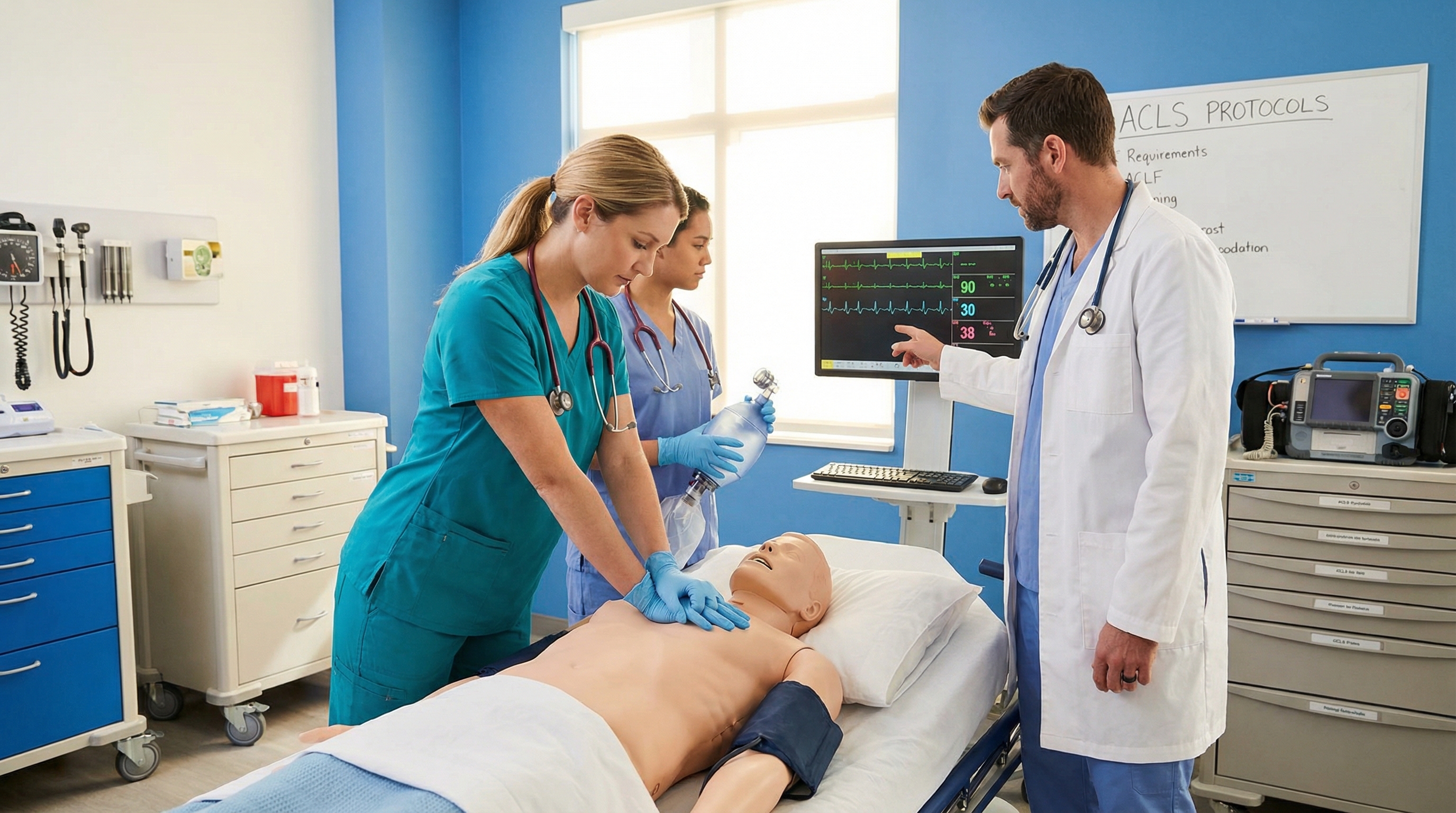
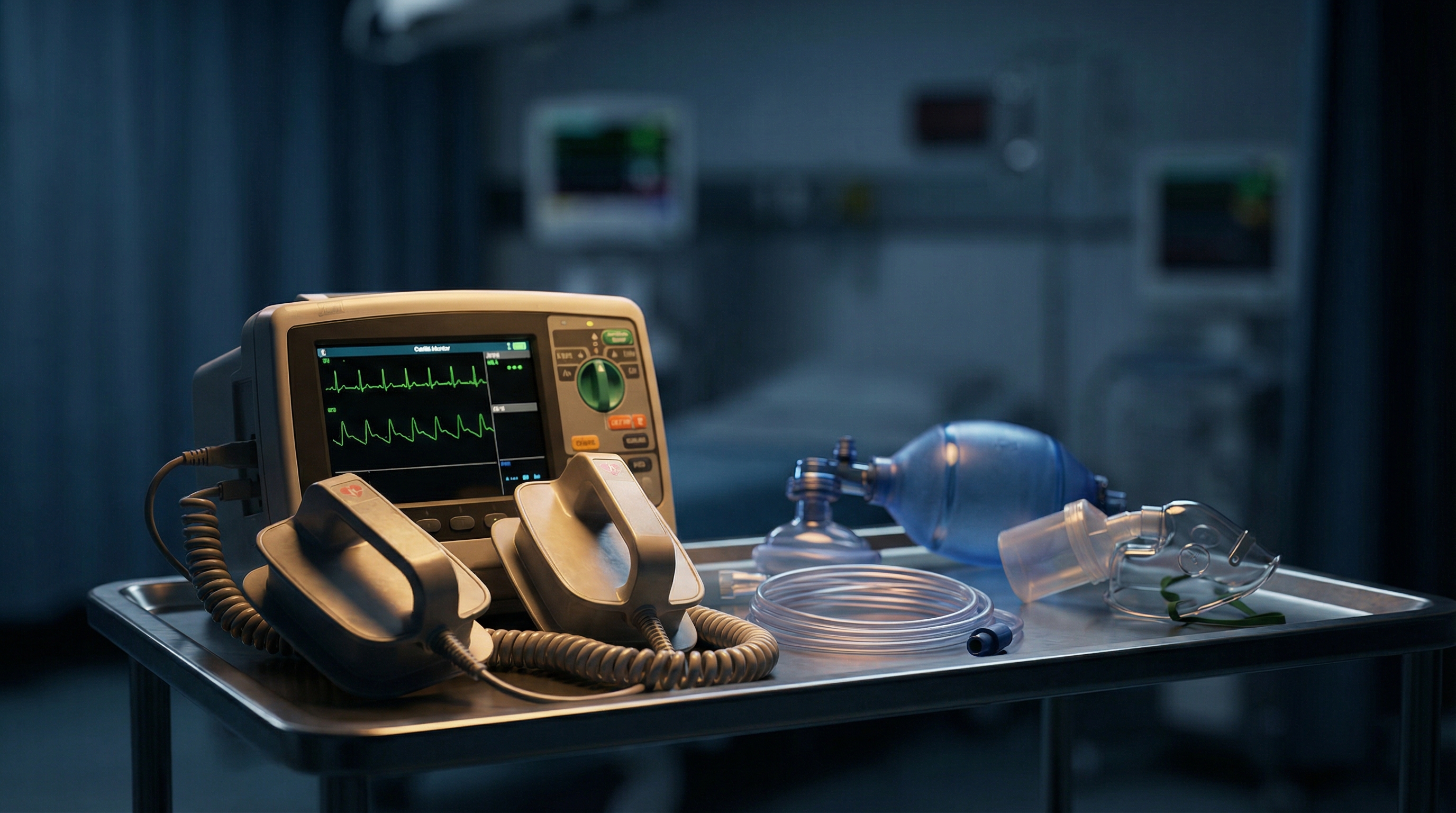
As a healthcare professional, your Basic Life Support certification isn't just another credential to maintain—it's the foundational skill set that could make the difference between life and death in critical moments. Whether you're a registered nurse, physician, paramedic, or dental professional, staying current with BLS recertification ensures you're prepared to respond effectively when every second counts.
With the release of the 2025 American Heart Association Guidelines for Cardiopulmonary Resuscitation and Emergency Cardiovascular Care, there are significant updates that every healthcare provider needs to understand. These changes aren't just academic—they reflect the latest evidence-based practices that improve patient outcomes during cardiac arrest and respiratory emergencies.
If you're approaching your BLS recertification deadline or simply want to understand what's changed in the latest guidelines, this comprehensive guide will walk you through everything you need to know. We'll cover the major updates, clarify recertification requirements, and show you how to maintain your certification efficiently while staying clinically sharp.
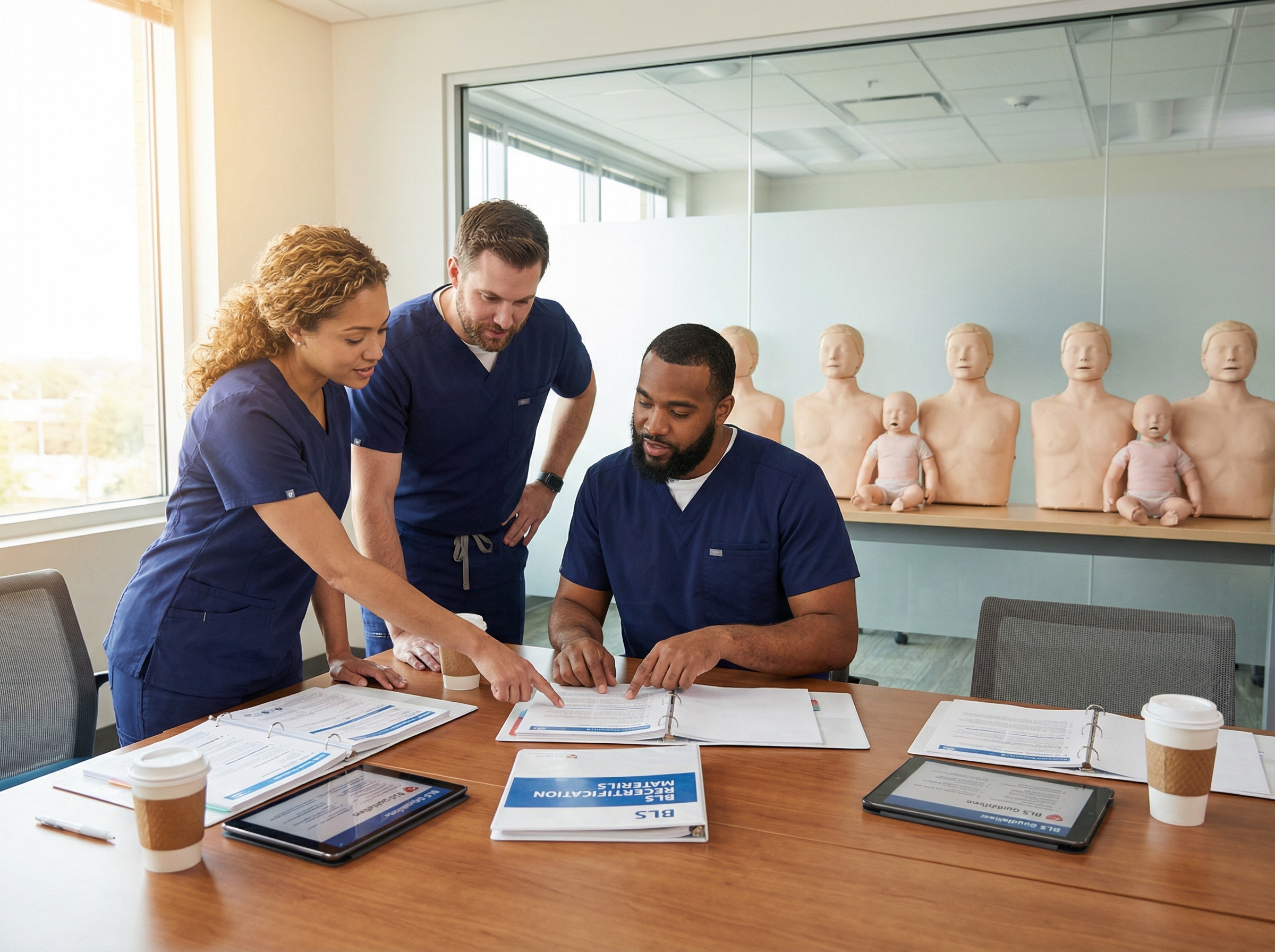
Before diving into the latest changes, let's establish the fundamental requirements for BLS recertification. According to American Heart Association standards, BLS certification expires every two years. This timeline isn't arbitrary—research shows that CPR skills deteriorate significantly within months without practice, making biennial recertification a clinical necessity rather than just a bureaucratic requirement.
The recertification process requires healthcare providers to demonstrate both knowledge and competency. You'll need to pass a written examination covering core BLS concepts and, in traditional settings, complete a skills assessment demonstrating proper technique. The good news is that knowing when to get recertified and planning ahead can eliminate the last-minute stress many healthcare professionals experience.
Most healthcare employers require valid BLS certification as a condition of employment, and some require proof of renewal 30-60 days before expiration. Letting your certification lapse can result in scheduling restrictions, inability to work clinical shifts, or even employment consequences. That's why understanding your recertification timeline and the available options is critical for maintaining your professional standing.
The October 2025 release of the updated AHA guidelines introduced several significant changes that directly impact how healthcare providers perform BLS. These updates are based on the latest resuscitation science and represent years of research into what actually improves survival rates and neurological outcomes in cardiac arrest patients.
One of the most notable changes affects how we manage severe choking in adults. The new Foreign Body Airway Obstruction (FBAO) algorithm now recommends cycles of 5 back blows followed by 5 abdominal thrusts for conscious adults with severe airway obstruction. This represents a shift from the previous recommendation that prioritized abdominal thrusts.
This change reflects international alignment with resuscitation councils worldwide and evidence suggesting that combining back blows with abdominal thrusts may be more effective at dislodging foreign bodies. Healthcare providers should continue the cycle of 5 back blows and 5 abdominal thrusts until the object is expelled or the patient becomes unresponsive, at which point standard CPR protocols begin.
Perhaps the most clinically significant update is the integration of opioid antagonist administration directly into the Adult Basic Life Support for Health Care Professionals Algorithm. Given the ongoing opioid crisis, this change acknowledges the reality that healthcare providers frequently encounter cardiac and respiratory arrest related to opioid overdose.
The updated algorithm now explicitly shows where naloxone administration fits within the resuscitation sequence for suspected opioid-related arrests. This doesn't replace high-quality CPR—it complements it. Healthcare providers should administer naloxone early in suspected opioid overdose cases while continuing chest compressions and rescue breathing. This evidence-based approach recognizes that reversing opioid-induced respiratory depression can prevent cardiac arrest or restore spontaneous circulation when arrest has already occurred.
For healthcare facilities, this change may necessitate ensuring naloxone is readily available alongside AEDs and other emergency equipment. It also means BLS training now includes education on recognizing opioid overdose and proper naloxone administration technique.
The 2025 guidelines introduced substantial changes to pediatric BLS that healthcare providers working with children must understand. The most dramatic change is the abandonment of the traditional 2-finger compression technique for infants. Research demonstrated that rescuers rarely achieve adequate compression depth using this method, compromising the quality of CPR.
For single rescuers performing infant CPR, the guidelines now recommend using either the 1-hand technique or 2-thumb encircling technique, depending on the rescuer's hand size and the infant's size. This change is designed to improve compression depth and quality, which are critical determinants of survival in pediatric cardiac arrest.
Additionally, the guidelines now recommend immediate AED use for infants and children when available, preferably with pediatric dose attenuators. This removes previous hesitation about early defibrillation in pediatric patients and aligns with evidence showing that early defibrillation saves lives across all age groups.
The 2025 guidelines introduce a single, unified Chain of Survival that covers all patient populations—adults, children, and infants. This simplification makes it easier for healthcare providers to remember the critical sequential actions that improve survival: early recognition and activation of emergency response, early high-quality CPR, rapid defibrillation, advanced resuscitation, post-cardiac arrest care, and recovery. This unified approach reflects our understanding that the fundamental principles of resuscitation apply across all ages, even when specific techniques may vary.
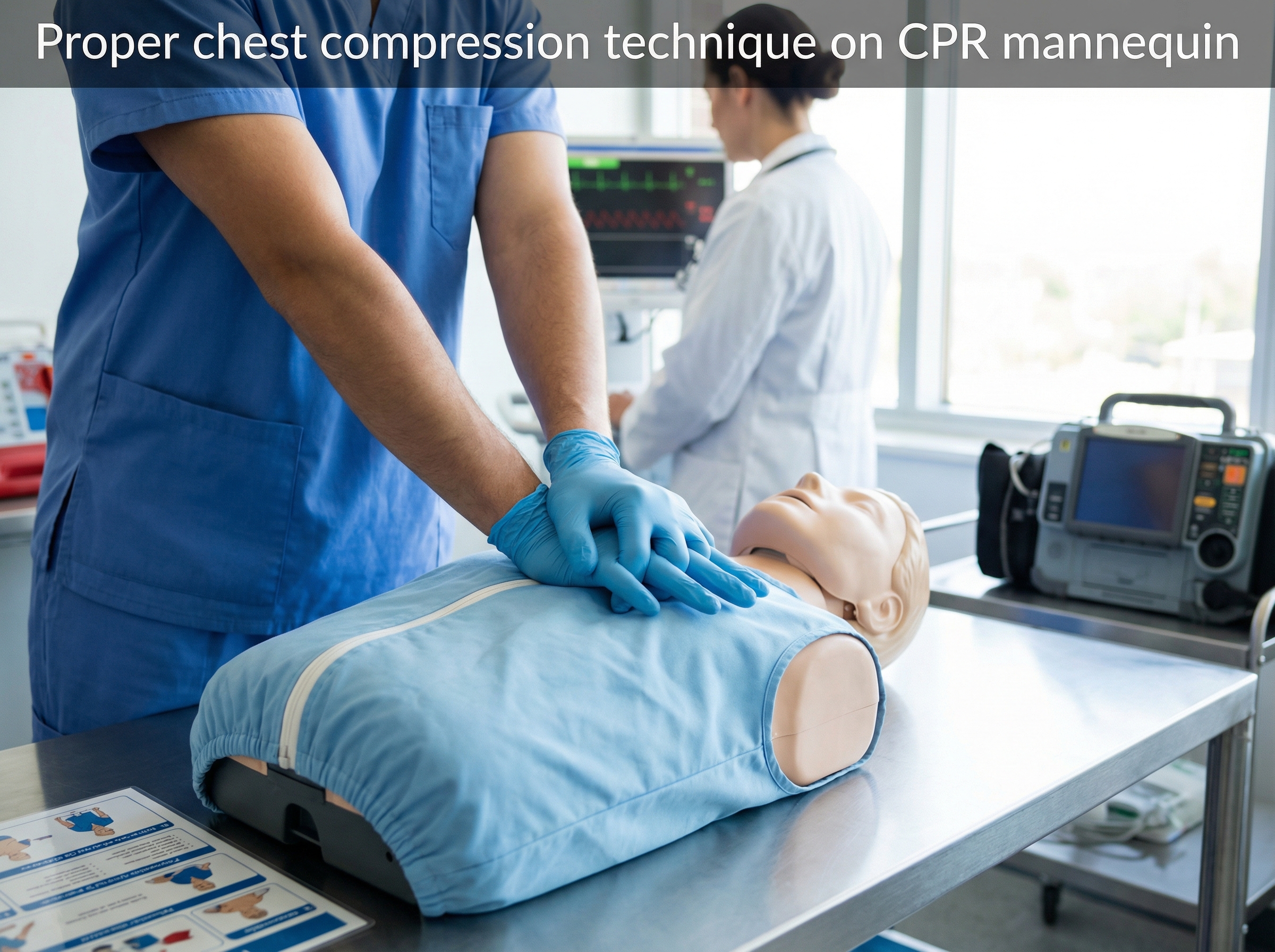
While these updates are significant, it's equally important to recognize what remains constant. The fundamental principles that define high-quality BLS haven't changed. Compression rate should still be 100-120 compressions per minute. Compression depth for adults remains at least 2 inches but not more than 2.4 inches. Full chest recoil between compressions, minimizing interruptions, and proper hand placement all continue to be critical components of effective CPR.
The emphasis on high-quality CPR as the primary determinant of survival remains unchanged. No algorithmic update or new medication can compensate for poor-quality chest compressions. This is why hands-on practice and skill maintenance matter so much—knowing the algorithm is worthless if your technique doesn't deliver adequate perfusion to vital organs.
Healthcare providers now have more flexibility than ever in how they complete BLS recertification. Understanding the differences between traditional classroom-based recertification and online options can help you choose the approach that best fits your schedule, learning style, and budget.
The conventional approach involves attending an in-person recertification class, typically lasting 3-4 hours. These sessions include didactic teaching, hands-on skills practice with mannequins, and skills testing with an instructor. The primary advantages are direct feedback on your technique, the opportunity to practice with equipment, and immediate interaction with instructors for questions.
However, traditional classroom recertification comes with significant drawbacks for busy healthcare professionals. Classes may cost $75-150 or more, require scheduling weeks in advance, and demand several hours away from work or family. Finding a class that fits your schedule—especially if you work nights, weekends, or rotating shifts—can be genuinely challenging. Additionally, the pass-or-fail nature of skills testing can create unnecessary stress, particularly for experienced providers who simply need to refresh their knowledge.
Online BLS recertification has emerged as a practical alternative for healthcare professionals who need certification that's accepted by employers but want more control over their time and budget. At Affordable ACLS, our BLS recertification program was specifically designed by practicing Board Certified Emergency Medicine physicians who understand the demands on your schedule.
The online approach offers several distinct advantages. First, it's significantly more affordable—our BLS recertification costs just $59 compared to $75-150 for traditional courses. Second, it's completely self-paced, allowing you to complete your recertification at 2 AM between shifts if that's what works for your schedule. Third, you receive your digital certification immediately upon passing, rather than waiting days or weeks for a card to arrive in the mail.
Our program is based on current AHA and ILCOR guidelines, incorporating all the 2025 updates discussed in this article. The content focuses on what you actually need to know as a practicing healthcare provider—not filler material designed to extend course length. And because we offer unlimited retakes at no additional cost, you can review specific topics as many times as needed without financial penalty or scheduling hassle.
One concern healthcare professionals sometimes express about online certification is employer acceptance. That's why we back our certification with a money-back guarantee: if your employer doesn't accept your Affordable ACLS certification, we'll provide a full refund. In practice, this rarely happens because our courses are based on the same AHA and ILCOR guidelines that traditional providers use.
Whether you choose traditional or online recertification, effective preparation ensures you'll pass confidently and retain the knowledge you need for real clinical situations. Here's how to approach your BLS recertification strategically.
The foundation of BLS is understanding the algorithms—the decision trees that guide your actions during cardiac arrest, respiratory arrest, and choking. Focus your study on the Adult BLS Healthcare Provider Algorithm, which now includes naloxone administration points for suspected opioid overdose. Understanding why each step occurs in sequence, rather than just memorizing the order, will help you apply this knowledge under pressure.
Pay particular attention to the updated FBAO algorithm with its emphasis on alternating back blows and abdominal thrusts. If you work with pediatric patients, thoroughly review the updated infant CPR techniques and the new recommendations for early AED use in children.
A significant portion of BLS certification exams tests your knowledge of what constitutes high-quality CPR. You should know the specific numbers: compression rate of 100-120 per minute, depth of at least 2 inches (but not exceeding 2.4 inches) for adults, 30:2 compression-to-ventilation ratio for single rescuers, and the importance of minimizing interruptions to less than 10 seconds.
Understanding the physiological rationale behind these metrics helps retention. For example, compressions must be at least 100 per minute because slower rates don't generate adequate coronary and cerebral perfusion pressure. Depth matters because shallow compressions don't produce enough intrathoracic pressure change to circulate blood. When you understand the why, the what becomes much easier to remember.
One of the most effective preparation strategies is using practice tests to identify knowledge gaps before taking your actual certification exam. Effective use of practice tests involves more than just taking them repeatedly—it requires analyzing why you missed certain questions and reviewing those specific content areas.
When you encounter a practice question you can't answer confidently, don't just guess and move on. Take the time to research the correct answer and understand the underlying concept. This targeted review is far more efficient than re-reading entire sections of material. Many online BLS programs, including ours at Affordable ACLS, incorporate practice questions throughout the course material to reinforce learning progressively.
While much of BLS focuses on technical skills, effective resuscitation depends heavily on team dynamics and communication. Your recertification exam will likely include questions about team roles, closed-loop communication, mutual respect, and constructive intervention. These aren't just soft skills—they're evidence-based practices that improve patient outcomes during high-stress resuscitation events.
Having trained thousands of healthcare professionals, we've observed several common mistakes that can derail recertification efforts or lead to inadequate skill retention. Avoiding these pitfalls will make your recertification process smoother and more effective.
Perhaps the most common error is waiting until your certification is about to expire—or worse, has already expired—before starting the recertification process. This creates unnecessary stress and may leave you unable to work clinical shifts if your employer requires valid certification. Some healthcare facilities require proof of renewal 30-60 days before expiration, meaning you could face scheduling consequences even if you complete recertification before your actual expiration date.
A better approach is to schedule your recertification 2-3 months before expiration. This gives you flexibility to complete the process on your timeline and ensures you maintain continuous certification status. With online programs like Affordable ACLS, there's no reason to wait—you can complete recertification in 1-2 hours whenever it's convenient for you.
Some healthcare professionals approach BLS recertification as merely a bureaucratic requirement—something to complete as quickly as possible without genuine engagement. This mindset is dangerous. The skills and knowledge you're refreshing aren't academic abstractions; they're literally the difference between life and death when you encounter cardiac arrest in your practice.
Approach recertification as an opportunity to genuinely refresh your skills and update your knowledge with the latest evidence-based practices. The benefits of quality BLS training extend far beyond maintaining your credential—they directly impact your clinical competence and confidence in emergency situations.
With the release of the 2025 AHA guidelines, it's critical that your recertification program incorporates these latest updates. Some providers still teach outdated protocols, and if you're not paying attention, you could recertify with incorrect or obsolete information. Always verify that your recertification program is based on current AHA and ILCOR guidelines.
At Affordable ACLS, our content is continuously updated by practicing emergency medicine physicians to reflect the latest evidence and guidelines. When you complete recertification through our platform, you can be confident you're learning current, evidence-based protocols including all 2025 updates.
While online recertification provides the knowledge and certification you need, it's important to recognize that CPR skills require physical practice to maintain. Research shows that compression depth and rate deteriorate within months without hands-on practice. If you don't regularly perform CPR in your clinical role, consider seeking opportunities for hands-on practice even if it's not required for your recertification.
Many hospitals offer open skills labs where staff can practice on mannequins. Some healthcare facilities have CPR practice incorporated into annual competencies. Taking advantage of these opportunities—even informally—helps maintain the muscle memory and physical skills that online learning alone cannot fully preserve.
The two-year certification cycle exists because that's the maximum interval regulators believe is safe, not because it's the ideal interval for skill maintenance. Research consistently shows that CPR skills decay significantly within 3-6 months after training. As a healthcare professional committed to providing excellent patient care, consider these strategies for maintaining your BLS skills throughout the certification period.
If your facility offers skills labs or practice sessions, attend them at least quarterly. Even 15-20 minutes of deliberate practice on a mannequin can help maintain your compression technique, hand placement, and muscle memory. If formal opportunities aren't available, consider suggesting that your unit or department establish regular BLS practice sessions—many colleagues will likely appreciate the opportunity.
The field of resuscitation science continues to evolve. Major guideline updates occur every five years, but important research is published continuously. Following reputable sources like the American Heart Association's journals or resuscitation-focused podcasts can help you stay current with emerging evidence even between formal recertification cycles.
Nothing maintains BLS skills like actual use. If you work in a setting where you respond to cardiac arrests, these real-world experiences are invaluable skill practice. If your clinical role rarely involves codes, seek opportunities to participate in simulation-based training. High-fidelity simulation provides realistic practice that helps maintain both technical skills and the ability to perform under pressure.
As practicing Board Certified Emergency Medicine physicians, we created Affordable ACLS because we experienced firsthand the frustration of expensive, inconvenient recertification options that didn't respect healthcare professionals' time or budgets. Our approach is built on several core principles that reflect how we believe continuing education should work.
Unlike many certification providers that employ instructors who may not have extensive clinical experience, our content is developed by physicians who actively work in emergency departments across four states. We understand BLS not as an academic exercise but as a clinical tool we use regularly to save lives. This perspective shapes how we teach the material—focusing on practical application and clinical decision-making rather than rote memorization.
When we say self-paced, we mean it. There are no time limits, no expiration dates on course access, and no pressure to complete within a specific timeframe. You can save your progress and return whenever it's convenient. This respects the reality of healthcare professionals' lives—irregular schedules, unpredictable demands, and limited personal time. Whether you complete your recertification in one sitting or spread it across several weeks, the choice is entirely yours.
At $59 for BLS recertification, our pricing is typically 50-70% less than traditional alternatives. We can offer this pricing because we've eliminated the overhead of physical classroom space, scheduling coordinators, and other traditional infrastructure. The savings go directly to you. And because we offer unlimited retakes, you're never penalized financially for needing additional study time or wanting to review specific content areas.
Upon passing your exam, you can immediately download and print your digital certification card. There's no waiting for materials to ship or cards to arrive in the mail. You can provide proof of certification to your employer the same day you complete the course. And if you ever need support—whether it's a technical question, help accessing your certificate, or clarification about content—our team is available by phone and email.
While the 2025 guidelines represent the current standard of care, resuscitation science continues to advance. Understanding what research areas are active can help you anticipate where future guideline changes might occur.
Active research areas include optimal ventilation strategies during CPR, the role of mechanical CPR devices, refinements in post-cardiac arrest care, and the integration of technology like real-time feedback devices and video-assisted resuscitation. The COVID-19 pandemic also accelerated research into infection control during resuscitation, and future guidelines may include more specific recommendations about barrier devices and aerosol-generating procedures.
Additionally, the growing emphasis on dispatcher-assisted CPR and public access defibrillation programs may influence how healthcare provider training interfaces with community resuscitation efforts. As healthcare professionals, staying informed about these evolving areas helps you provide the most current, evidence-based care to your patients.
BLS recertification doesn't have to be a stressful, expensive, or time-consuming process. By understanding the latest 2025 guideline updates, choosing a recertification approach that fits your schedule and budget, and committing to genuine skill maintenance throughout the certification period, you can stay current with minimal disruption to your professional and personal life.
The changes introduced in the 2025 AHA guidelines—from the updated choking protocol to naloxone integration to pediatric CPR technique revisions—reflect the ongoing evolution of resuscitation science. These updates exist to improve patient outcomes, and staying current with them is part of your professional responsibility as a healthcare provider.
If your BLS certification is approaching expiration, don't wait. With Affordable ACLS, you can complete your recertification for just $59, on your own schedule, with immediate certification upon passing. Our courses incorporate all 2025 guideline updates and are developed by practicing emergency medicine physicians who understand the clinical context where you'll apply these skills.
Your BLS certification represents more than a credential—it's a commitment to being prepared when your patients need you most. Make that commitment with confidence, knowing you have access to affordable, convenient, and clinically excellent recertification that respects your time and your budget.
Visit affordableacls.com to start your BLS recertification today and join the thousands of healthcare professionals who trust our physician-developed courses for their continuing education needs.
.jpg)