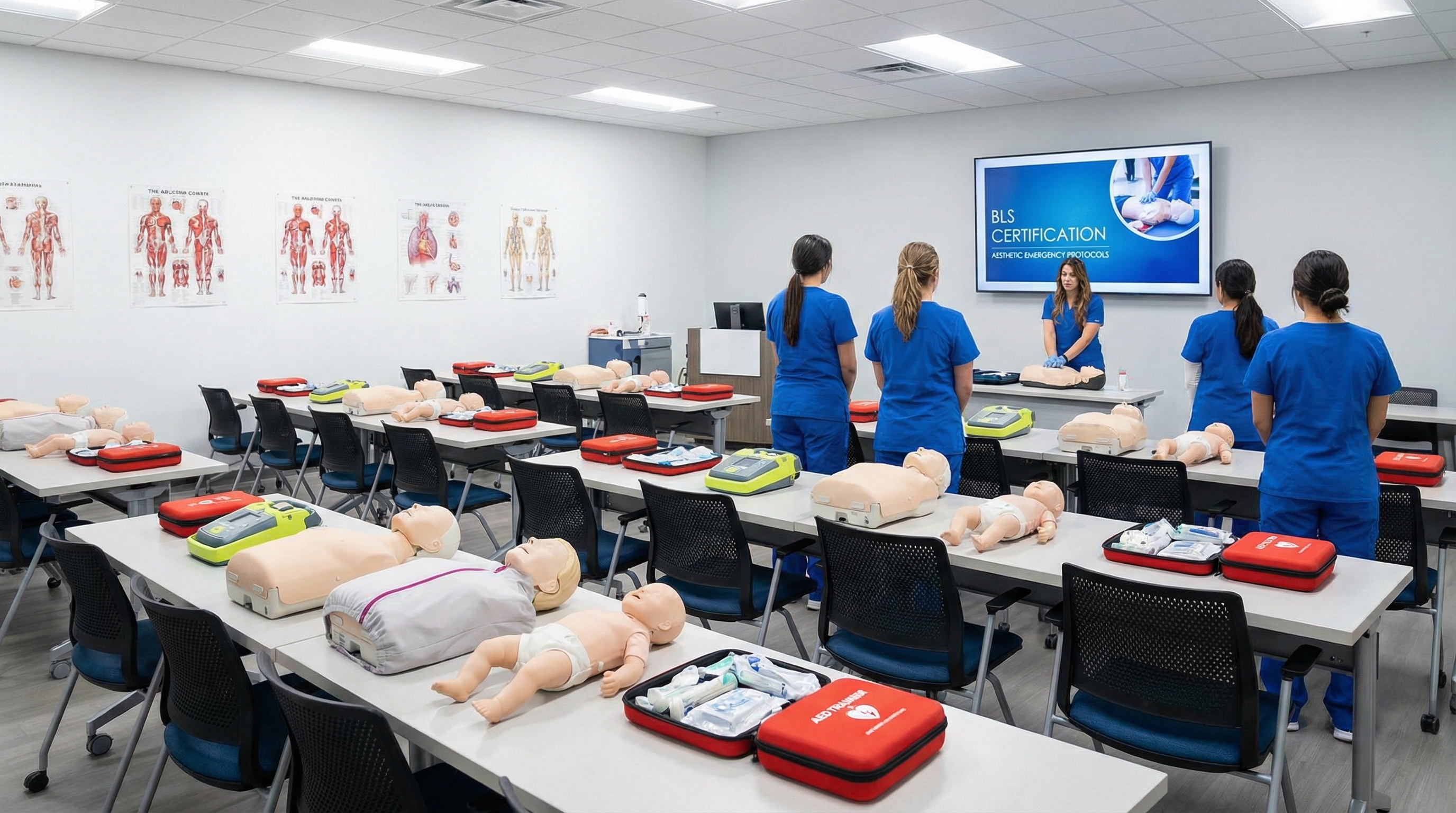
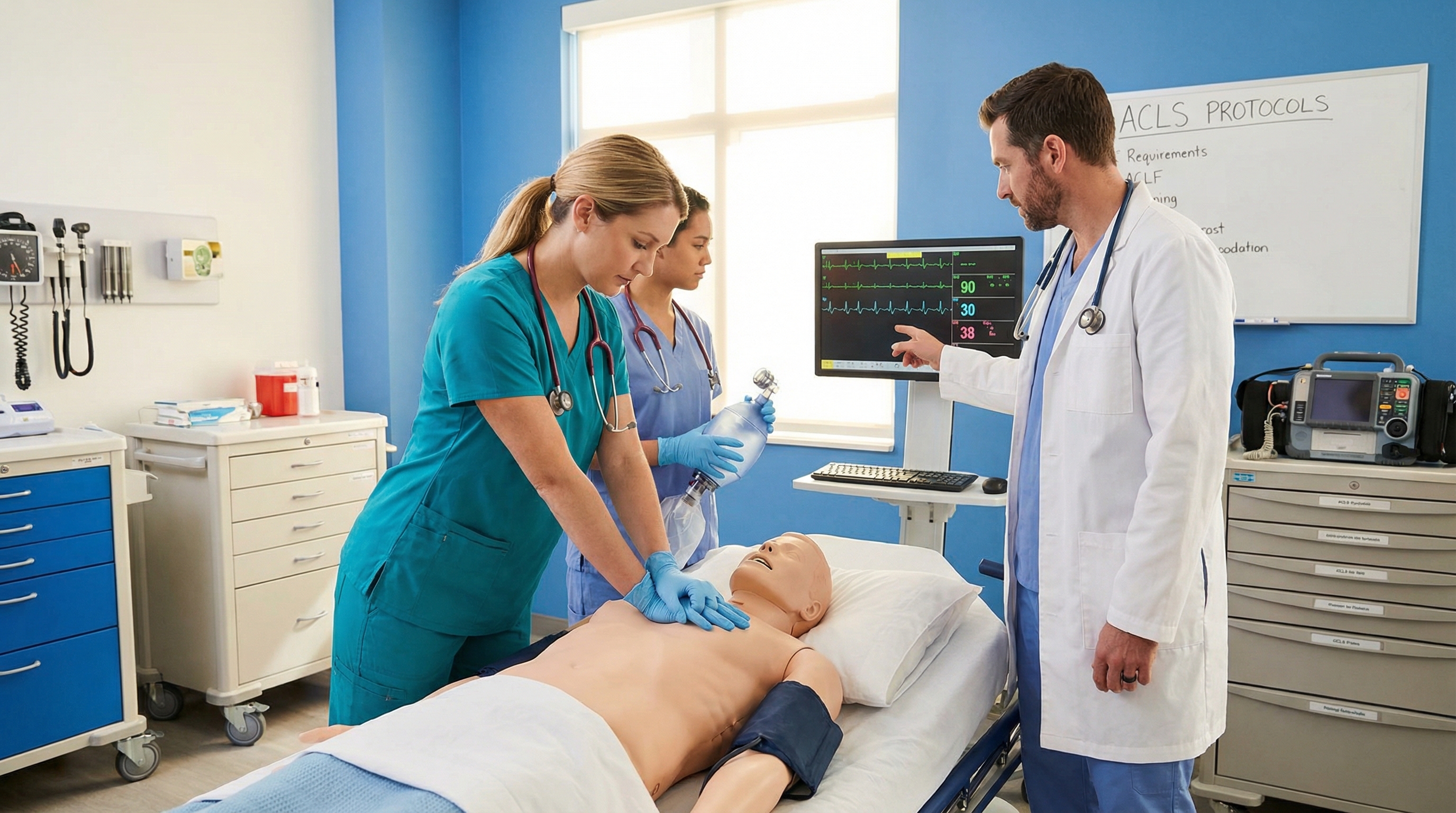
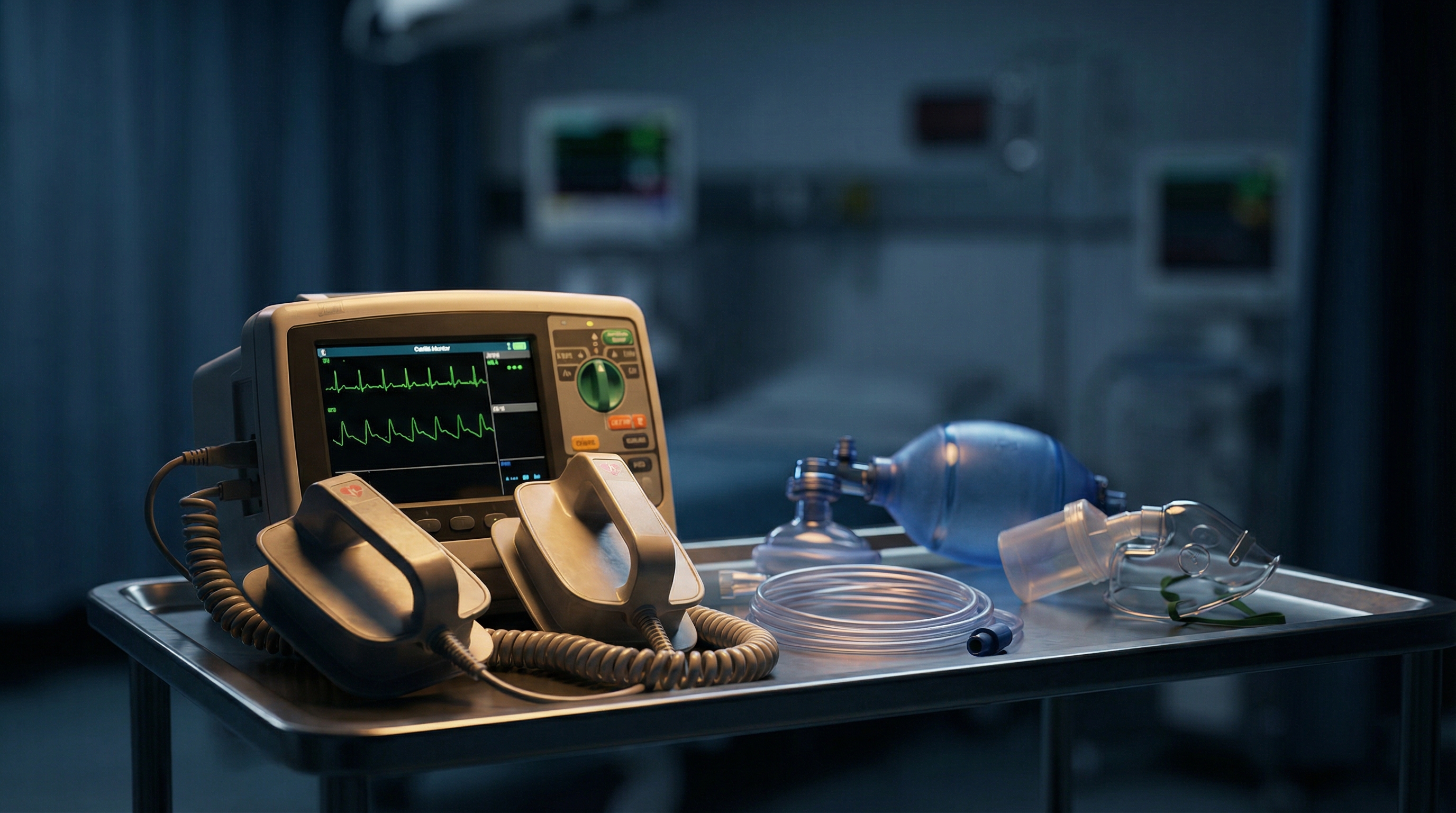
The medical aesthetics industry has experienced explosive growth in recent years, eclipsing $17 billion and growing by more than $1 billion annually. With 17.42 million surgical procedures and 20.54 million non-surgical procedures performed globally in 2024, medical spas and aesthetic practices have become mainstream healthcare destinations. However, this rapid expansion brings with it a critical responsibility: ensuring that aesthetic providers are prepared to handle medical emergencies that can arise during seemingly routine cosmetic procedures.
While complications from aesthetic procedures are relatively rare when performed by trained professionals, the consequences of adverse events can be severe—ranging from vascular occlusion and tissue necrosis to cardiac events, anaphylaxis, and respiratory distress. For cosmetic injectors, aesthetic nurses, physician assistants, and medical spa practitioners, Basic Life Support (BLS) certification isn't just a credential to check off—it's an essential skillset that can mean the difference between life and death when seconds matter most.
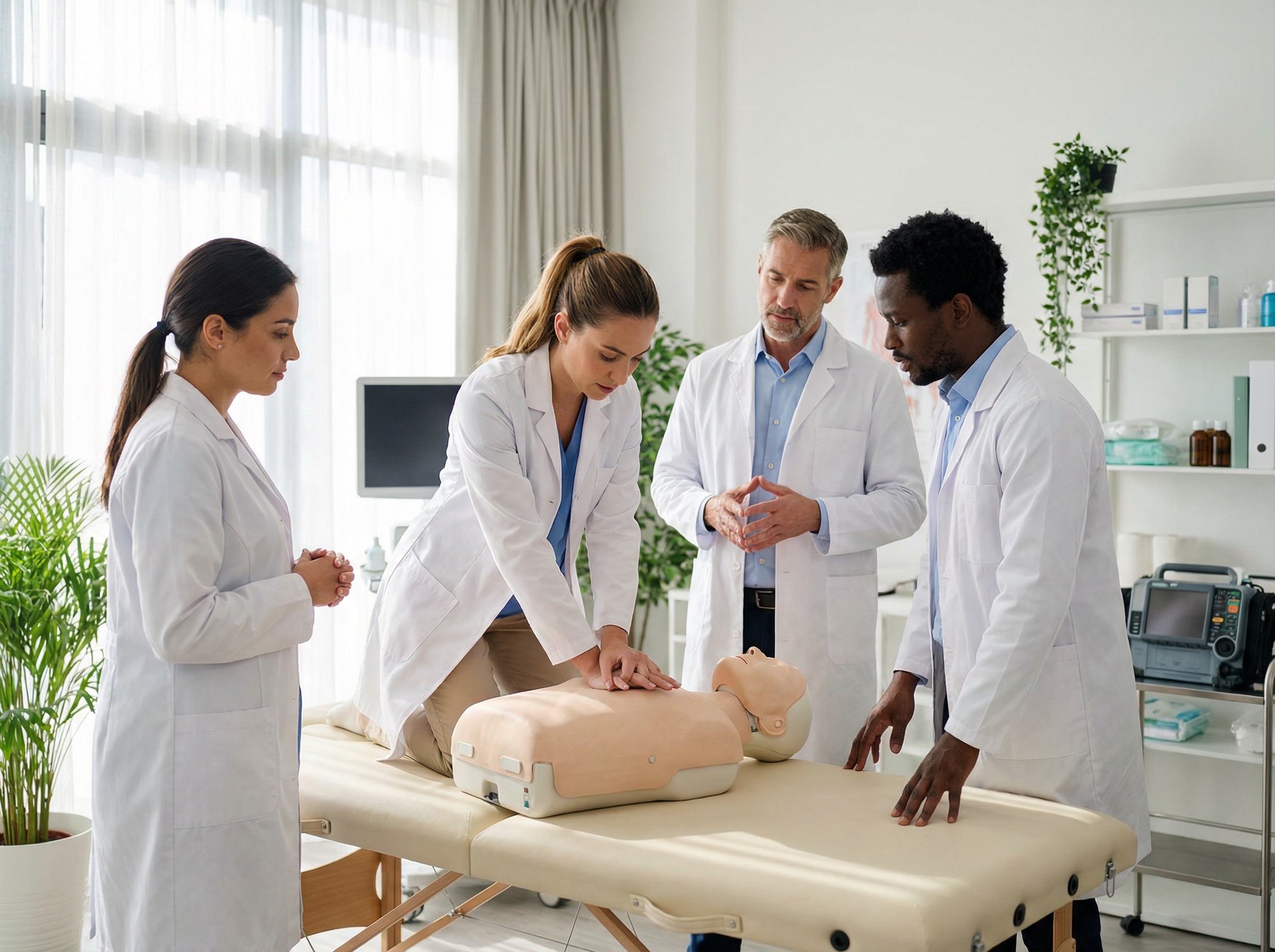
Many aesthetic providers enter the field from diverse healthcare backgrounds, while others may be newer to clinical medicine. Regardless of experience level, anyone administering cosmetic injectables, performing laser treatments, or providing aesthetic procedures must be prepared for medical emergencies. BLS certification provides the foundational emergency response skills that every aesthetic practitioner needs.
According to research on adverse events in aesthetic medicine, there is a significant knowledge gap regarding serious adverse events, particularly for minimally invasive procedures like injectables. The true incidence of complications such as ischemia, infection, visual impairments, blindness, and stroke remains underreported because post-market adverse event reporting is performed only on a voluntary basis.
While the risk of life-threatening complications is low in properly managed facilities, aesthetic providers must be prepared to recognize and respond to several categories of medical emergencies:
In each of these scenarios, the ability to perform high-quality CPR, use an automated external defibrillator (AED), manage airways, and provide rescue breathing can be lifesaving while awaiting emergency medical services arrival.
As the medical aesthetics industry matures, regulatory bodies and professional organizations are increasingly emphasizing emergency preparedness standards. Updated aesthetic injector regulations for 2025 reflect this growing focus on patient safety.
In Texas, for example, regulations specifically require BLS-trained staff to be on-site at facilities performing cosmetic injections. Many state medical boards and facility licensing requirements now mandate that medical spas maintain emergency protocols, including having staff with current CPR and BLS certification available during all procedures. For certified aesthetic nurse specialists (CANS), recertification requirements include at least 2 hours of continuing education specifically related to patient safety.
Beyond regulatory compliance, professional liability insurance carriers increasingly scrutinize emergency preparedness protocols when underwriting aesthetic practices. Demonstrating that all clinical staff maintain current BLS certification can positively impact insurance premiums and coverage terms, while also providing critical legal protection in the event of adverse outcomes.
Understanding what BLS certification covers helps aesthetic providers appreciate why this training is so critical for their practice setting. BLS certification provides comprehensive training in life-saving techniques that directly apply to medical spa emergencies.
Cardiac arrest can occur in aesthetic settings, whether from underlying cardiac conditions, vasovagal responses that progress to asystole, or severe allergic reactions causing cardiovascular collapse. BLS training teaches healthcare providers to deliver high-quality cardiopulmonary resuscitation with proper technique:
In a medical spa setting where most providers work in small teams, these skills must become second nature. The ability to immediately initiate effective CPR while coordinating with colleagues to call emergency services and retrieve emergency equipment is essential.
Every medical spa and aesthetic practice should have an AED readily accessible, and all clinical staff must know how to use it. BLS certification includes comprehensive training on AED operation, including:
According to best practices for medical spa emergency management, having an AED is only valuable if staff are trained and confident in its use. BLS certification ensures aesthetic providers can respond without hesitation when every second counts.
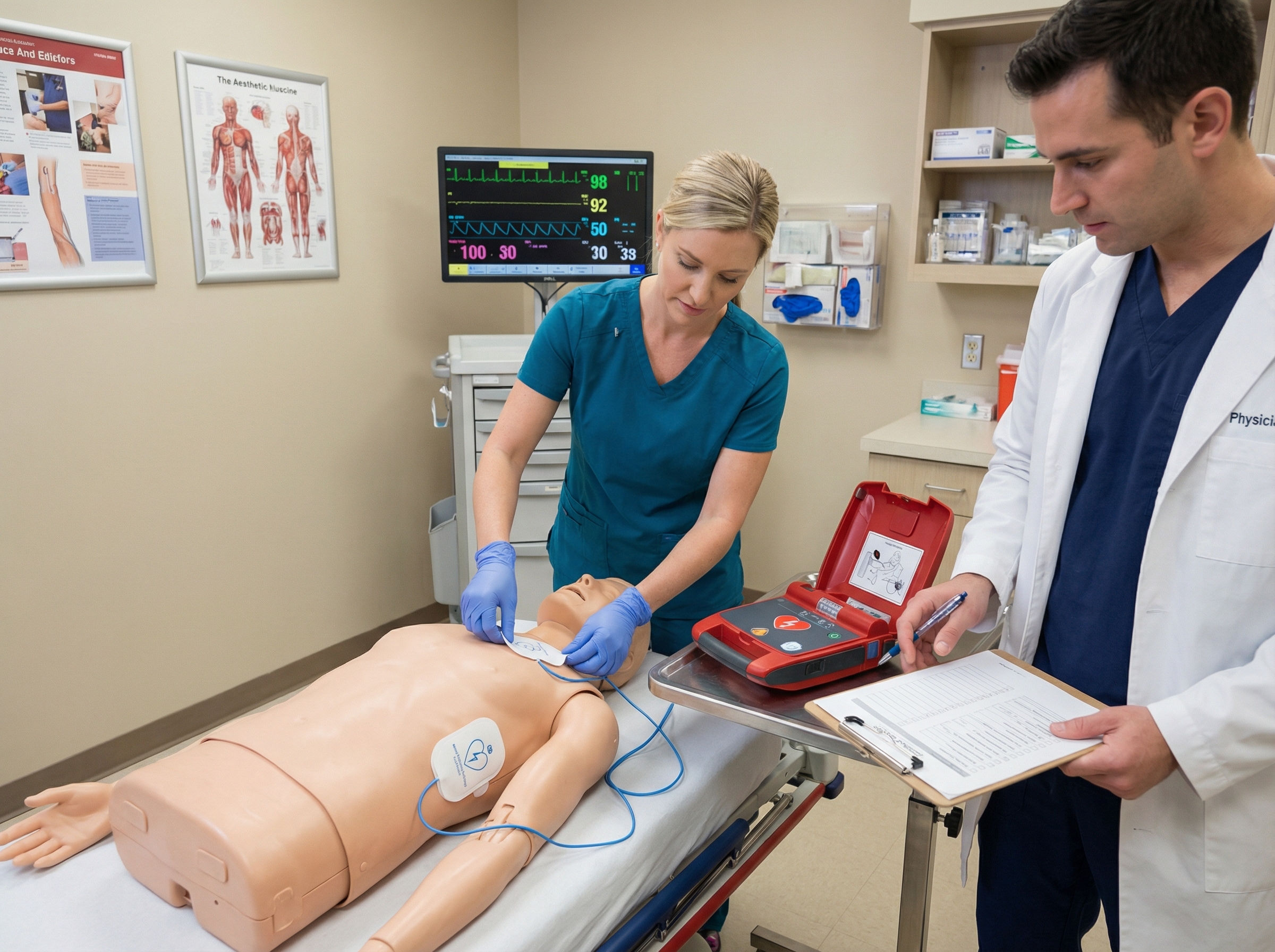
Respiratory emergencies represent a significant risk in aesthetic medicine, particularly when patients experience anaphylactic reactions or adverse responses to injectable anesthetics. BLS training provides critical skills in airway management:
In aesthetic practices where patients may develop acute angioedema or laryngeal swelling from allergic reactions, the ability to recognize respiratory compromise and provide effective ventilation support while preparing for advanced interventions can be lifesaving.
Medical spas typically operate with lean staffing models—often just an injector and one or two support staff members during procedures. BLS training emphasizes effective team communication and role delegation during emergencies, skills that are particularly valuable in small practice settings.
BLS-certified providers learn to clearly communicate during high-stress situations, assign specific roles to team members, and coordinate care efficiently. This includes designating who calls 911, who retrieves emergency equipment, who performs compressions, who manages the airway, and who documents the event. Even with minimal staff, proper role assignment prevents confusion and ensures all critical tasks are completed.
Aesthetic providers often wonder whether they need Advanced Cardiovascular Life Support (ACLS) certification in addition to BLS, or if BLS alone is sufficient. Understanding which certification you actually need depends on your practice setting, procedures performed, and state regulations.
For the majority of aesthetic providers performing standard cosmetic procedures—including neuromodulator injections (Botox, Dysport, Xeomin), dermal fillers, chemical peels, microneedling, laser treatments, and body contouring—BLS certification provides the appropriate level of emergency preparedness training.
BLS certification equips aesthetic providers with the skills needed for the most likely emergency scenarios in medical spa settings: cardiac arrest requiring CPR and defibrillation, respiratory emergencies requiring airway management, and providing initial stabilization while awaiting emergency medical services. For practices that do not administer moderate or deep sedation and do not perform surgical procedures, BLS is typically the standard requirement.
ACLS certification becomes more relevant for aesthetic providers in certain circumstances:
Many aesthetic practices find value in having their physician medical director or lead practitioner maintain both BLS and ACLS certification, while requiring all clinical staff to have current BLS. This tiered approach ensures comprehensive emergency preparedness while remaining cost-effective and proportionate to the procedures performed.
BLS certification is just one component of a comprehensive emergency preparedness program for medical spas and aesthetic practices. According to 2025 medical spa compliance requirements, facilities must implement systematic emergency protocols that go beyond individual provider training.
Every aesthetic practice should maintain readily accessible emergency equipment, including:
The emergency kit should be checked regularly—ideally monthly—to ensure all equipment functions properly, medications are not expired, and supplies are fully stocked. Assign this responsibility to a specific staff member and maintain documentation of checks.
BLS skills deteriorate without practice. Aesthetic practices should conduct emergency response drills at least quarterly, simulating scenarios relevant to their practice:
These drills should include all staff members, not just clinical providers, as front desk and support staff play critical roles in calling 911, directing emergency responders to the treatment area, retrieving emergency equipment, and managing other patients during crises. Document all drills and use debriefing sessions to identify areas for improvement.
Create written emergency action plans that outline step-by-step procedures for common emergency scenarios. These protocols should specify:
Post these protocols in treatment areas where staff can reference them quickly. While BLS-trained providers should be able to respond instinctively, having written protocols provides important guidance during high-stress situations and ensures consistency across all team members.
For aesthetic providers needing to obtain or renew BLS certification, several options exist. Understanding the differences helps you choose the most appropriate and convenient certification pathway for your practice needs.
Traditional American Heart Association (AHA) BLS courses are offered through training centers nationwide. These hands-on courses typically take 4-5 hours and include skills practice on mannequins with instructor evaluation. While comprehensive, traditional courses present challenges for busy aesthetic providers:
For aesthetic providers and medical spa staff seeking efficient, affordable certification without sacrificing quality, online BLS certification offers significant advantages. Online BLS courses developed by emergency medicine physicians provide the same comprehensive content as traditional courses while offering flexibility that fits busy aesthetic practice schedules.
Affordable ACLS offers BLS certification and recertification courses specifically designed for healthcare professionals in all settings, including aesthetic medicine:
For medical spas certifying entire teams, online courses make group training logistically simple and cost-effective. Staff members can complete certification individually on their own time, then practice skills together during team training sessions using the practice's own emergency equipment.
BLS certification typically expires after two years, requiring recertification to maintain current status. Smart aesthetic practices implement systems to track certification expiration dates for all clinical staff:
Some practices choose to stagger certification dates so that not all staff require recertification simultaneously, while others prefer certifying the entire team together during annual training sessions. Choose the approach that works best for your practice workflow and ensures continuous coverage of BLS-certified staff during all operating hours.
While BLS certification provides essential emergency response skills, truly safe aesthetic practices go beyond minimum requirements to build comprehensive safety cultures. The need for regulated training and certification standards in aesthetic medicine reflects the industry's recognition that patient safety requires systematic approaches.
Beyond maintaining current BLS certification, aesthetic providers should pursue continuing education in emergency management topics relevant to their practice:
Professional organizations like the American Med Spa Association, American Society for Dermatologic Surgery, and specialty-specific groups offer valuable educational resources and training programs focused on safety and emergency preparedness in aesthetic settings.
Preventing emergencies is always preferable to managing them. Comprehensive patient screening helps identify individuals at higher risk for complications:
For patients with significant risk factors, consider obtaining medical clearance from their primary care physician, modifying treatment protocols, or in some cases, declining to perform procedures when risks outweigh benefits.
Establish processes for reviewing adverse events, near-misses, and emergency responses. Even when outcomes are positive, systematic review helps identify opportunities for improvement:
Use these reviews as learning opportunities for the entire team, not as blame-focused exercises. The goal is continuous improvement of emergency preparedness and patient safety systems.
Understanding how BLS skills apply to actual aesthetic practice emergencies helps providers appreciate the practical importance of certification. Consider these scenarios based on documented complications in medical spa settings:
A 28-year-old female patient is receiving lip filler injections. Shortly after the first injection, she reports feeling lightheaded and nauseous. Despite being placed in a supine position, she loses consciousness and becomes unresponsive. The provider checks for breathing and pulse, finding neither. A team member immediately calls 911 while the provider begins high-quality CPR. Another staff member retrieves the AED, which is applied and advises a shock. Following defibrillation, CPR continues for two more cycles before the patient regains consciousness. Emergency medical services arrive within 8 minutes and transport the patient for evaluation, where she is found to have an undiagnosed prolonged QT syndrome that predisposed her to cardiac arrhythmia.
Lessons learned: While vasovagal responses are common and usually benign in aesthetic settings, providers must be prepared to escalate care when patients don't respond as expected. Immediate recognition of cardiac arrest, effective CPR, and prompt AED use were lifesaving in this case. This scenario demonstrates why every aesthetic provider needs BLS certification—emergencies can occur even during routine procedures in young, apparently healthy patients.
A 45-year-old male patient develops sudden facial flushing, throat tightness, and difficulty breathing approximately 3 minutes after receiving hyaluronic acid filler. The provider immediately recognizes anaphylaxis and administers intramuscular epinephrine using an auto-injector. Despite epinephrine administration, the patient's respiratory distress worsens, and he becomes increasingly anxious and confused. The provider positions the patient supine, administers supplemental oxygen via non-rebreather mask at 15 liters per minute, and prepares for possible respiratory arrest. A team member has already called 911. The provider maintains the airway using a jaw-thrust maneuver and monitors the patient closely. A second dose of epinephrine is administered after 5 minutes. Emergency services arrive within 7 minutes and transport the patient, who ultimately recovers fully after emergency department treatment.
Lessons learned: Anaphylaxis can progress rapidly in aesthetic settings. While epinephrine is the definitive treatment, BLS skills in airway management and oxygenation are critical supportive measures. The provider's ability to maintain airway patency and deliver supplemental oxygen prevented respiratory arrest while awaiting advanced care. This scenario highlights the importance of having emergency medications readily available and staff trained not only in their administration but also in the BLS skills needed to support patients when medications alone aren't sufficient.
A 62-year-old female patient with a history of hypertension and hyperlipidemia is undergoing laser skin resurfacing. Midway through the procedure, she suddenly complains of severe chest pressure and left arm pain. The provider immediately stops the procedure and helps the patient into a comfortable position. While one team member calls 911 and reports the suspected cardiac event, the provider administers oxygen, checks vital signs (blood pressure 168/102, pulse 118 and irregular), and gives the patient 324 mg aspirin to chew. The patient remains conscious but appears diaphoretic and anxious. The provider maintains close monitoring and prepares for possible cardiac arrest, reviewing the crash cart location and AED readiness with staff. Emergency medical services arrive within 6 minutes. The patient is diagnosed with ST-elevation myocardial infarction and undergoes successful cardiac catheterization.
Lessons learned: While this patient did not progress to cardiac arrest, the provider's BLS training enabled immediate recognition of a cardiac emergency and appropriate initial management. Having emergency medications like aspirin available and knowing when to administer them is part of comprehensive emergency preparedness. The provider's preparation for possible deterioration—including ensuring the AED was ready and team roles were clear—demonstrates the importance of anticipating the worst-case scenario even when patients remain stable initially.
Many dental professionals have expanded their practices to include cosmetic procedures such as Botox and dermal filler administration. The importance of BLS for dental practices extends beyond traditional dental emergencies to encompass the unique risks associated with aesthetic procedures.
Dental professionals performing aesthetic treatments face a unique risk profile, as they may encounter both traditional dental emergencies (syncope, airway obstruction, local anesthetic reactions) and aesthetic-specific complications (filler vascular occlusion, injection-related adverse events). BLS certification provides the foundational skills needed to manage these diverse emergency scenarios effectively.
Additionally, dental practices already have many elements of emergency preparedness infrastructure in place—oxygen delivery systems, emergency medications, and staff experienced in managing anxious patients in clinical settings. Ensuring all team members maintain current BLS certification leverages these existing resources to create comprehensive safety systems for both dental and aesthetic procedures.
As the medical aesthetics industry continues to grow and mature, the emphasis on patient safety and emergency preparedness will only increase. For aesthetic providers—whether you're a cosmetic injector, aesthetic nurse, medical spa practitioner, or dental professional offering cosmetic treatments—BLS certification represents far more than checking a regulatory box.
BLS training provides the essential life-saving skills that can mean the difference between positive and tragic outcomes when emergencies occur in your practice. It demonstrates your commitment to patient safety, enhances your professional credibility, satisfies regulatory and insurance requirements, and provides confidence that you're prepared to handle the unexpected.
With convenient, affordable online certification options available, there's no reason to delay getting your entire aesthetic team BLS-certified. Whether you're obtaining initial certification or renewing an expiring credential, investing 1-2 hours in online BLS training is one of the most important things you can do to protect your patients and your practice.
Don't wait until an emergency occurs to wish you had proper training. Get BLS certified today and ensure you're prepared to provide the highest standard of care and safety in your aesthetic practice.
Ready to get BLS certified on your schedule at an affordable price? Visit Affordable ACLS to complete your certification 100% online, developed by practicing emergency medicine physicians who understand exactly what aesthetic providers need to know. With immediate certification, unlimited retakes, and a money-back guarantee, there's no easier way to ensure your entire team has the life-saving skills needed to practice aesthetic medicine safely.
.jpg)