ACLS Blogs

Bariatric Resuscitation: How ACLS Algorithms Must Adapt for Patients with Severe Obesity

Why Bariatric Resuscitation Demands a Different Approach

Obesity is no longer an edge-case clinical scenario. With prevalence estimates now placing roughly 40% of American adults in the obese category, the likelihood that your next cardiac arrest patient will have a BMI above 35 or even above 50 is higher than ever. Yet the standard Advanced Cardiovascular Life Support algorithms were largely developed and validated on patients of average body habitus. When you are standing over a 350-pound patient in full arrest, the gaps between protocol and physiology become critically apparent.


Bariatric resuscitation is not a separate algorithm you will find printed on the back of an ACLS pocket card. Rather, it is a clinician's mindset—a deliberate set of modifications applied to every step of the standard ACLS framework to account for the anatomical, physiological, and logistical challenges that severe obesity introduces. From the force required to achieve adequate compression depth, to the difficulty of visualizing the vocal cords, to the altered pharmacokinetics of resuscitation drugs, every element of the code demands recalibration.
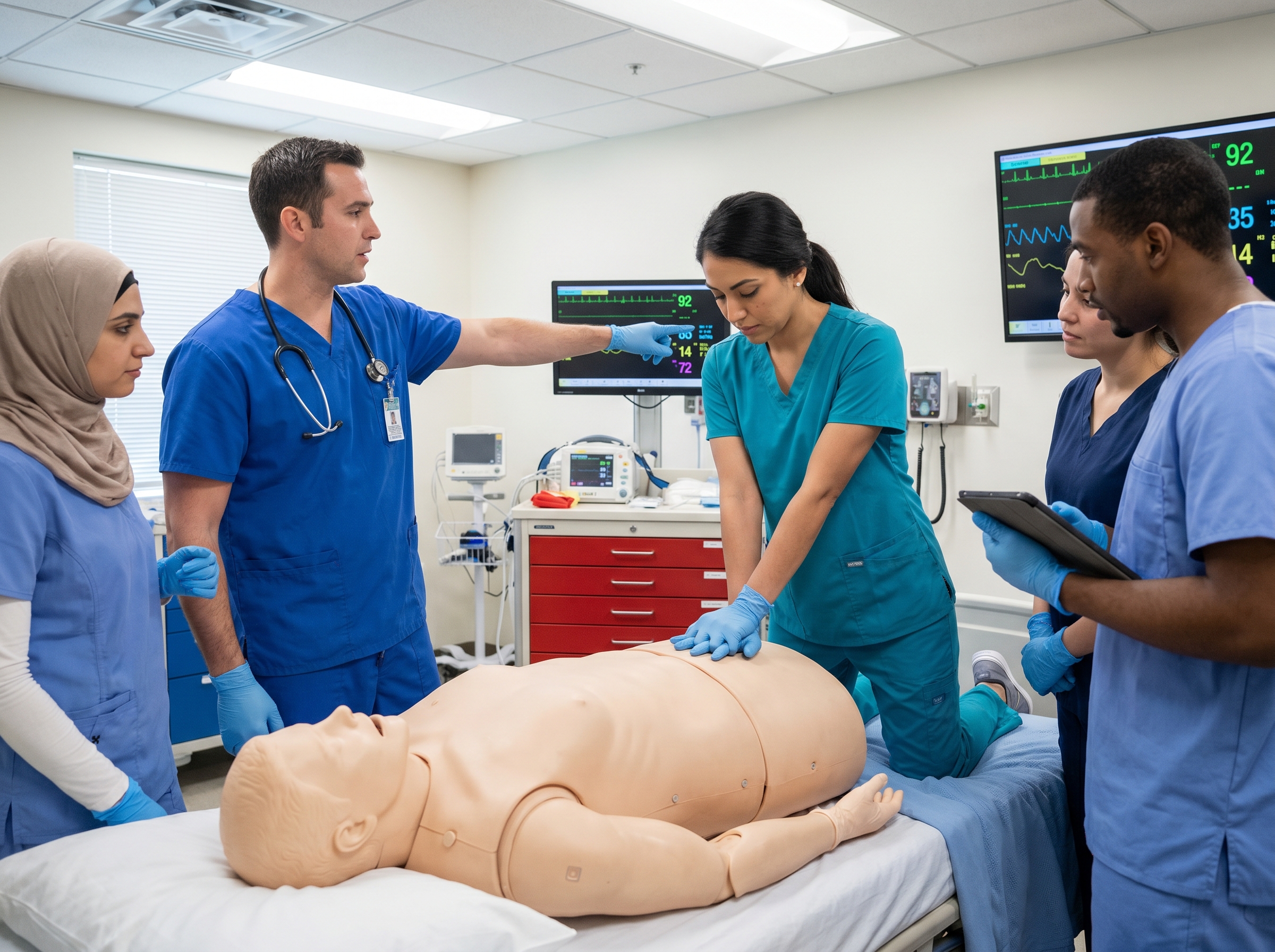
Healthcare team performing CPR chest compressions on a bariatric training mannequin during ACLS simulation training


This guide, written by the emergency medicine physicians at Affordable ACLS, walks through each phase of resuscitation in the obese patient and explains—in practical, peer-to-peer terms—exactly what you need to do differently and why. Whether you work in a bariatric surgery unit, an ICU, or a general emergency department, these principles will help you run a more effective code when the patient in front of you is not the textbook average.


The Epidemiology Problem: Obesity and Cardiac Arrest Risk

Understanding the scale of the challenge starts with the numbers. According to data from the CDC, U.S. obesity prevalence reached approximately 40% during the 2021–2023 measurement period. Globally, projections suggest that more than half of the world's population will be overweight or obese by 2035. Cardiogenic arrest—often linked to the coronary artery disease, hypertension, and sleep apnea that cluster with obesity—accounts for roughly 20% of all deaths annually.


Research published in PMC examining cardiac arrest hospitalizations in patients with obesity found that obese patients represent a growing proportion of resuscitation cases, yet outcome data remains sobering. Studies tracking out-of-hospital cardiac arrest patients reveal that obese patients have significantly lower rates of favorable neurological outcomes compared to normal-weight counterparts—16.2% versus 29.2% in one large registry. These disparities are not inevitable. Many reflect correctable failures in resuscitation technique driven by insufficient adaptation to the patient's body habitus.


This is the real clinical mandate: not to have a separate algorithm, but to have providers who understand the physiology deeply enough to adapt in real time.


High-Quality CPR in the Obese Patient: What Changes at the Chest Wall

The cornerstone of any successful resuscitation remains high-quality chest compressions. The Adult Cardiac Arrest Vertical Algorithm specifies compressions at a depth of 2 to 2.4 inches (5–6 cm), a rate of 100–120 per minute, full chest recoil, and minimal interruptions. In a patient with morbid obesity, achieving even the minimum recommended depth of 2 inches requires substantially greater force than in a patient of normal weight.


A retrospective CT-based study published in the Journal of the American Heart Association examined whether standard compression depths generate adequate cardiac output in obese patients and found that the standard 5–6 cm depth is unlikely to provide sufficient ejection fraction due to the increased anterior chest wall depth created by adipose tissue. The sternum itself may be far deeper from the skin surface than in a normal-weight patient, meaning that external compressions compress only soft tissue before ever reaching the thoracic cage.


Practical adaptations for chest compressions in obese patients include the following:


  • Increase applied force deliberately: Aim for compressions that visibly depress the chest, understanding that feedback devices calibrated for average anatomy may underestimate the depth actually needed.
  • Use heel-of-hand technique: Concentrating force through the heel rather than the palm allows better penetration through adipose layers to the sternum.
  • Shorten rotation intervals: Standard ACLS recommends switching compressors every 2 minutes. In obese patients, the dramatically increased physical demand means compressor fatigue arrives sooner. Consider rotating every 90 seconds or even 1 minute and designate relief compressors proactively.
  • Consider mechanical compression devices: Devices such as the LUCAS or AutoPulse can deliver consistent, fatigue-independent compressions and are particularly valuable in the bariatric patient. Position the device carefully to ensure proper sternal placement rather than letting adipose tissue redirect force.
  • Optimize patient positioning: A firm, flat surface is essential. Standard stretchers compress under patient weight, absorbing energy. A backboard placed beneath the patient transfers compression force to a solid base. Bariatric-rated equipment with rigid surfaces is preferable.


The scoping review on CPR in obese patients published in PMC confirms that the quality of chest compressions is the most modifiable determinant of outcome in this population and that provider education specifically addressing obese patient resuscitation significantly improves performance metrics.


Airway Management: The Highest-Stakes Adaptation

If chest compressions are the foundation of bariatric resuscitation, airway management is its most technically demanding element. Morbid obesity produces a constellation of anatomical changes that make bag-mask ventilation difficult, laryngoscopy unpredictable, and rapid desaturation nearly inevitable. The functional residual capacity (FRC) of the obese patient is markedly reduced, oxygen reserve is depleted faster, and the apneic tolerance window is dramatically shorter than in a normal-weight patient.


Anatomical barriers to intubation in the severely obese include a short, thick neck with increased cervical adiposity, redundant pharyngeal soft tissue that collapses during apnea, higher Mallampati scores, limited atlanto-occipital extension, and macroglossia. According to the Anesthesia Patient Safety Foundation, morbid obesity is independently associated with difficult laryngoscopy, failed intubation, and severe peri-intubation hypoxemia.
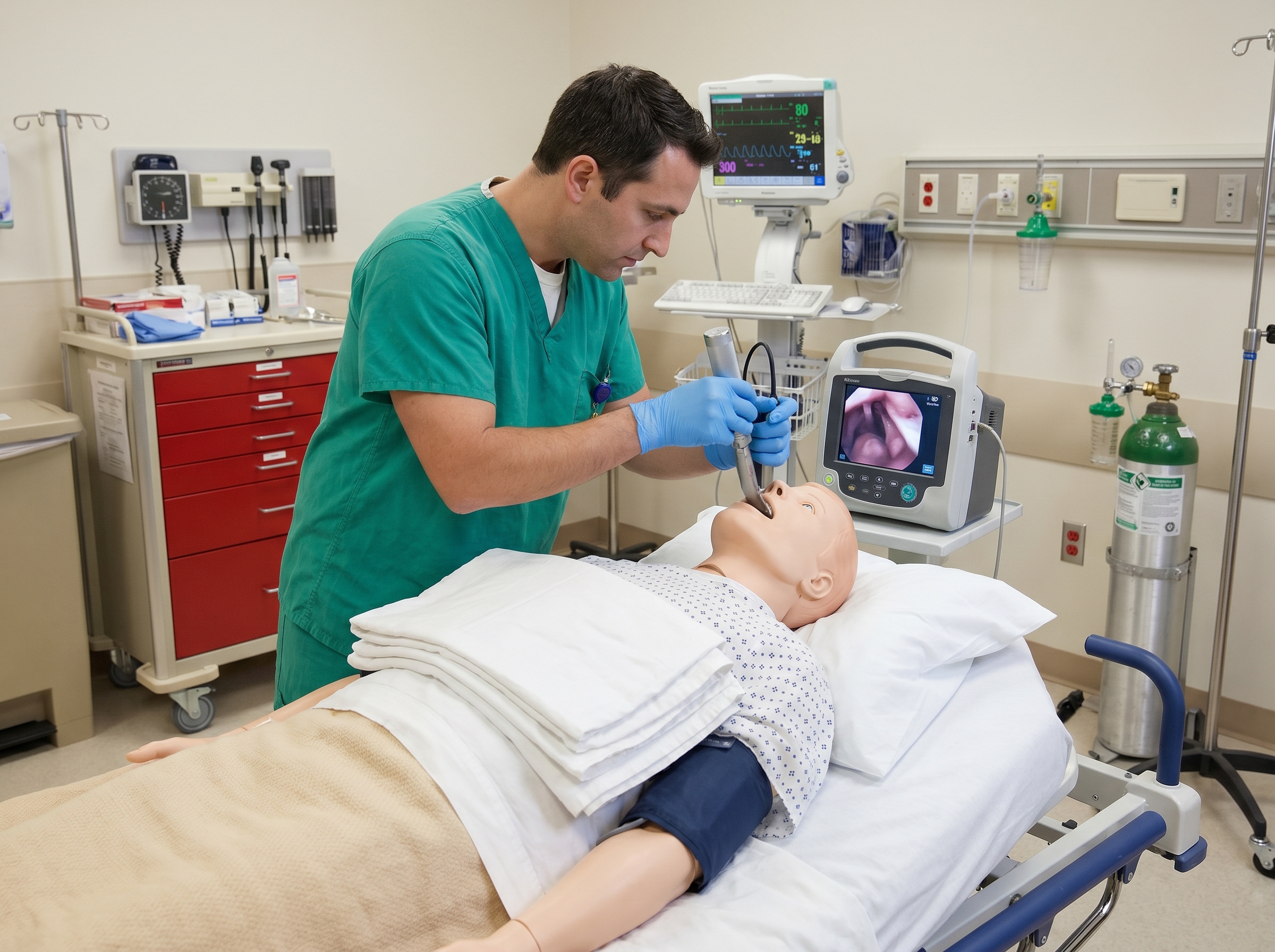
Emergency provider using video laryngoscopy for airway management in a bariatric patient with ramped positioning


For providers responding to a bariatric cardiac arrest, mastering endotracheal intubation fundamentals is the baseline. But in the obese patient, those fundamentals must be supplemented with specific adaptations:


  • Positioning before the airway attempt: The ramped position—where the patient's head, neck, and shoulders are elevated so that the external auditory meatus aligns horizontally with the sternal notch—dramatically improves laryngoscopic views compared to the standard sniffing position. In a supine arrest patient, place folded blankets or a commercial positioning device under the upper back and head.
  • Preoxygenate aggressively: In a peri-arrest patient, every second of high-flow oxygen via non-rebreather mask or bag-valve-mask buys time before the intubation attempt. In cardiac arrest, CPR itself provides some degree of passive oxygenation if performed correctly.
  • Video laryngoscopy as first-line: Video laryngoscopy (VL) consistently improves first-pass intubation success in obese patients compared to direct laryngoscopy. Have VL immediately available and consider it the primary tool rather than a rescue device for any patient with BMI above 40.
  • Have rescue devices ready: Supraglottic airways (SGA) such as the LMA or King LT provide temporary airway control when intubation fails. In a cardiac arrest, a properly placed SGA is acceptable and can sustain oxygenation and ventilation while compressions continue.
  • Two-person BVM technique: Bag-mask ventilation is harder in obese patients because of increased airway resistance and poor mask seal on a larger, fattier face. Use the two-person technique—one provider maintains seal with two hands, the second squeezes the bag—to ensure adequate tidal volume delivery.


For a deeper review of the physiological principles underlying airway emergencies, including respiratory arrest management, see our guide on managing respiratory arrest. Understanding ventilatory failure mechanics directly applies to the bariatric resuscitation scenario.


Defibrillation in Obese Patients: Energy, Electrode Placement, and Impedance

Defibrillation remains the definitive treatment for shockable rhythms—ventricular fibrillation and pulseless ventricular tachycardia. For a detailed review of these arrhythmias, see our article on shockable rhythms. In obese patients, the transthoracic impedance (TTI)—the resistance the electrical current must overcome to reach the myocardium—is increased due to the additional adipose tissue between the electrode and the chest wall.


Current evidence and the Red Cross guidelines database suggest that standard defibrillation energy settings (200 J biphasic for most modern defibrillators) should be used initially and escalated as needed per standard ACLS protocol. Unlike drug dosing, weight-based energy adjustments for defibrillation are not established in current guidelines. However, several practical considerations apply:


  • Optimal electrode placement: Standard anterolateral placement may be compromised by large breast tissue or abdominal pannus. The anteroposterior (AP) position—one pad on the anterior chest and one beneath the left scapula—may provide better current delivery to the cardiac mass in extremely obese patients.
  • Firm pad application: Press defibrillation pads firmly against the chest wall to reduce air gaps caused by skin folds. Air gaps increase impedance significantly and reduce current delivery to the heart.
  • Escalating energy if initial shocks fail: If the initial 200 J shock fails to terminate VF, escalate to maximum energy on subsequent attempts per device capability (typically 360 J for monophasic and maximum biphasic output).
  • Minimize CPR interruption: The 2025 AHA guideline emphasis on minimally interrupted chest compressions applies with equal force here. Preparation for defibrillation—charging, pad placement, team clear—should be completed during the last 30 seconds of a CPR cycle, not as a separate pause.


Drug Dosing in the Obese Patient: Pharmacokinetic Considerations

Standard ACLS drug protocols use fixed doses rather than weight-based dosing for most resuscitation medications. This approach, while pragmatic in a code situation, creates real pharmacokinetic challenges in patients with extreme obesity. Volume of distribution, protein binding, and drug redistribution are all altered in severe obesity, and the question of which body weight metric to use—total body weight (TBW), ideal body weight (IBW), or lean body weight (LBW)—is not always straightforward.


For the core resuscitation drugs used per the ACLS cardiac arrest algorithm:


  • Epinephrine (1 mg IV/IO every 3–5 minutes): Fixed dosing is used as per standard ACLS protocol. The evidence base for weight adjustment in cardiac arrest epinephrine dosing is insufficient, and fixed 1 mg dosing remains the guideline recommendation regardless of patient weight.
  • Amiodarone (300 mg IV for first dose, 150 mg for second): Fixed dosing applies. Amiodarone is highly lipophilic and distributes extensively into adipose tissue, meaning that in severe obesity, effective myocardial concentrations may be achieved differently than in lean patients—though this remains a theoretical concern in the acute resuscitation context.
  • Lidocaine (1–1.5 mg/kg IV): This is a weight-based dose. Use lean body weight (LBW) or ideal body weight (IBW) for calculation rather than total body weight to avoid toxicity from overdosing.
  • Post-resuscitation sedation and paralysis: If ROSC is achieved and the patient requires intubation or procedural sedation, most agents (propofol, ketamine, succinylcholine, rocuronium) require weight-based dosing. Using TBW for succinylcholine and LBW for rocuronium is the standard approach in obese patients.


For a complete reference on resuscitation drug indications, routes, and dosages during a code, bookmark the ACLS Medications Cheat Sheet. This resource is particularly useful for reviewing drug protocols before working in high-acuity bariatric settings.


Identifying Reversible Causes: The Hs and Ts in the Obese Patient

A core principle of ACLS management is the systematic search for and treatment of reversible causes of cardiac arrest—the Hs and Ts. In obese patients, several of these causes deserve specific attention because their prevalence is elevated in this population. Understanding how to identify and address each is essential to any modified resuscitation approach. For a comprehensive review of these causes, see our dedicated guide on Sudden Cardiac Arrest: The Hs and Ts You Need to Know.


Several Hs and Ts deserve particular attention in the bariatric patient:


  • Hypoxia: Obese patients have chronically reduced FRC and frequently carry underlying sleep apnea, obesity hypoventilation syndrome, or baseline hypoxemia. Hypoxic arrest is a significant risk in this population, particularly during sedation or anesthesia induction. Aggressive oxygenation and early, definitive airway control are the corrective actions.
  • Tension Pneumothorax: Mechanically ventilated obese patients require higher airway pressures to achieve adequate tidal volumes, increasing the risk of barotrauma and tension pneumothorax. Needle decompression in an obese patient requires a longer needle (4.5 cm or greater at the second intercostal space, mid-clavicular line) to reach the pleural space past the chest wall adipose tissue.
  • Pulmonary Embolism (Thrombosis): Obesity is a major independent risk factor for venous thromboembolism. Massive PE causing cardiac arrest should be high on the differential, particularly in post-surgical bariatric patients or those with limited mobility. Bedside echocardiography showing right heart strain is a key diagnostic clue.
  • Hypo/Hyperglycemia: Obese patients have a markedly elevated rate of type 2 diabetes. Profound hypoglycemia or hyperglycemic crises can precipitate cardiac arrest and should be checked and corrected early with point-of-care glucose testing.


Post-Resuscitation Care: ROSC Is Not the Finish Line

Achieving return of spontaneous circulation (ROSC) in an obese patient initiates a new set of challenges. The post-cardiac arrest syndrome—a combination of brain injury, myocardial dysfunction, systemic ischemia-reperfusion injury, and the precipitating pathology—is compounded by the physiological burden of severe obesity. Our full guide on immediate post-cardiac arrest care covers the foundational algorithm; here we focus on obese-specific adaptations.


Key post-ROSC considerations in the bariatric patient include:


  • Ventilator management: Obese patients in the ICU require lung-protective ventilation with PEEP titrated to prevent atelectasis. Higher PEEP (8–12 cmH2O) is often necessary to maintain oxygenation and prevent cyclic alveolar collapse. Tidal volumes should be calculated based on IBW, not TBW, to avoid volutrauma.
  • Hemodynamic support: Post-ROSC hypotension should be treated with norepinephrine as first-line vasopressor per standard algorithm. Fluid resuscitation should be judicious—obese patients are at high risk for pulmonary edema due to diastolic dysfunction and elevated filling pressures.
  • Targeted temperature management (TTM): Where TTM is indicated (comatose patient post-arrest), the logistics are more complex in bariatric patients. Surface cooling systems may require larger blankets or water-circulating pads sized for the patient. Internal cooling with IV cold saline is an option but carries fluid volume concerns. Temperature targets (33–36 degrees C) remain the same.
  • Coronary angiography decisions: Obese patients have a high prevalence of coronary artery disease as the precipitating cause of arrest. Early coronary angiography with potential PCI should be considered in all post-arrest patients without an obvious non-cardiac cause, per current guideline recommendations.
  • Glucose management: Maintain blood glucose between 140–180 mg/dL using an insulin infusion protocol. Both hypoglycemia and hyperglycemia worsen neurological outcomes post-arrest, and diabetic obese patients require careful titration.


Team Logistics and Equipment: Planning Before the Code

Effective bariatric resuscitation is not improvised. It requires institutional preparation—equipment, staffing, and training that account for the bariatric patient before the emergency arrives. The gap between a well-run code and a chaotic one often comes down to whether the team had the right tools ready and knew how to use them.


Essential equipment considerations for bariatric-capable resuscitation include:


  • Weight-rated stretchers and backboards: Standard stretchers rated to 350 lbs are insufficient for many bariatric patients. Bariatric stretchers (rated 700–1,000 lbs) with rigid frames are necessary. A standard backboard may bow under extreme weight, absorbing compression energy.
  • Appropriately sized BP cuffs and monitoring equipment: Standard BP cuffs on obese arms produce inaccurate readings. Thigh-sized cuffs or arterial line placement provides reliable hemodynamic monitoring. Pulse oximetry may be unreliable on obese fingertips due to poor perfusion; an ear probe is often more accurate.
  • Video laryngoscopy immediately available: This should be first-line airway equipment, not a backup device, for any patient with known or suspected bariatric status.
  • Long IV needles and catheters: Standard IV access may be difficult in obese patients due to deep, non-visible veins. Longer (3–4 cm) IV catheters improve success rates. IO access may be technically easier and should be established early if peripheral IV is not rapidly achieved.
  • Sufficient personnel: A bariatric code is a labor-intensive event. Six to eight providers is not excessive. Designate roles clearly: compressor 1, compressor 2 (relief), airway, IV/IO access, drug administration, team leader, recorder. The physical demands mean everyone needs a defined rotation schedule.


Simulation training specifically addressing bariatric resuscitation scenarios has been shown to improve provider performance. Facilities that serve obese populations—bariatric surgery centers, metabolic medicine units, and general hospitals in high-prevalence regions—should incorporate bariatric arrest simulation into annual competency training. Learn more about how simulation builds real-world skills in our guide on how simulation training enhances resuscitation skills.


A Parallel Case: Modified Resuscitation in Other Special Populations

Bariatric resuscitation is one of several scenarios where the standard ACLS algorithm requires significant, evidence-based modification. Providers who master the principles of adaptation—understanding the physiology that drives the modification rather than memorizing a separate protocol—are better equipped to handle any special-population arrest. The parallel case of pregnancy offers instructive insights into this adaptability mindset.


As our detailed resource on cardiac arrest in pregnant patients explains, uterine displacement during compressions, modified intubation approach due to airway changes, and perimortem cesarean delivery are all algorithm modifications driven by specific physiological realities of pregnancy. The same principle applies to obesity: the modification follows logically from the physiology. When you understand why the standard approach falls short, you know exactly how to adapt it.


This physiology-first approach is the hallmark of expert ACLS practice—and it is directly cultivated through comprehensive certification training that goes beyond algorithm memorization to develop genuine clinical reasoning.


Staying Sharp: ACLS Certification and the Evolving Evidence Base

The evidence base for bariatric resuscitation is actively evolving. New studies continue to refine our understanding of compression biomechanics in obese patients, optimal airway strategies, and post-arrest management. Staying current requires more than reading the occasional journal article—it requires systematic, up-to-date ACLS training that incorporates the most recent guideline updates and special-population considerations.


At Affordable ACLS, our courses are built and updated by board-certified emergency medicine physicians with over 20 years of combined clinical experience. They reflect the latest ILCOR and AHA guidance, including the emerging evidence on body weight and return of spontaneous circulation that is reshaping how we think about special-population resuscitation.


Our ACLS certification is available 100% online, self-paced, and priced at $99 for new certification and $89 for recertification. Unlimited retakes mean you can review the material as many times as needed to achieve true competency—not just a passing score. For busy clinicians managing bariatric or high-acuity patient populations, this flexibility makes continuing education accessible without sacrificing clinical hours.


The real measure of ACLS competency is not whether you can run a textbook code on a 70-kg patient. It is whether you can adapt—effectively and efficiently—when the patient in front of you breaks every assumption the algorithm was built on. Bariatric resuscitation is one of the most common and consequential of those adaptations, and it is one where preparation makes an outcome-changing difference.


Putting It All Together: The Bariatric Resuscitation Framework

Effective bariatric resuscitation requires disciplined application of a modified approach at every phase of the code. The core framework is not complicated, but it must be internalized before the emergency:


  • Compressions: Increase applied force, use heel-of-hand technique, shorten rotation intervals, use mechanical compression devices when available, and ensure a rigid surface under the patient.
  • Airway: Use ramped positioning, preoxygenate aggressively, default to video laryngoscopy, and have supraglottic rescue devices immediately available.
  • Defibrillation: Apply pads firmly, consider AP placement, escalate energy on repeat shocks, and minimize CPR interruptions during cardioversion.
  • Pharmacology: Use fixed dosing for epinephrine and amiodarone; use IBW for lidocaine and weight-based post-ROSC medications; recalculate dosing for sedation and paralysis.
  • Reversible causes: Prioritize hypoxia, PE, tension pneumothorax, and glycemic emergencies in the bariatric differential.
  • Post-ROSC care: Lung-protective ventilation with IBW-based tidal volumes, judicious fluid management, TTM logistics, and early coronary angiography consideration.
  • Team and equipment: Plan in advance, use bariatric-rated equipment, staff the code adequately, and train specifically on bariatric scenarios.


The growing prevalence of obesity in the patient population means that bariatric resuscitation is no longer a niche skill reserved for specialized units. It is a core competency for every emergency provider—and one that demands the same evidence-based rigor and clinical humility as any other advanced intervention. The goal remains unchanged from the standard algorithm: the best possible neurological outcome for a patient in cardiac arrest. Getting there simply requires a more informed, more adaptive approach.


For further reading on related ACLS topics, review the Key Changes in ACLS Guidelines for 2025 to ensure your practice reflects the most current evidence base. And when you are ready to certify or recertify, Affordable ACLS is here with a self-paced, clinician-designed course that fits your schedule and your budget.


ACLS Blogs

Bariatric Resuscitation: How ACLS Algorithms Must Adapt for Patients with Severe Obesity

Why Bariatric Resuscitation Demands a Different Approach

Obesity is no longer an edge-case clinical scenario. With prevalence estimates now placing roughly 40% of American adults in the obese category, the likelihood that your next cardiac arrest patient will have a BMI above 35 or even above 50 is higher than ever. Yet the standard Advanced Cardiovascular Life Support algorithms were largely developed and validated on patients of average body habitus. When you are standing over a 350-pound patient in full arrest, the gaps between protocol and physiology become critically apparent.


Bariatric resuscitation is not a separate algorithm you will find printed on the back of an ACLS pocket card. Rather, it is a clinician's mindset—a deliberate set of modifications applied to every step of the standard ACLS framework to account for the anatomical, physiological, and logistical challenges that severe obesity introduces. From the force required to achieve adequate compression depth, to the difficulty of visualizing the vocal cords, to the altered pharmacokinetics of resuscitation drugs, every element of the code demands recalibration.

Healthcare team performing CPR chest compressions on a bariatric training mannequin during ACLS simulation training


This guide, written by the emergency medicine physicians at Affordable ACLS, walks through each phase of resuscitation in the obese patient and explains—in practical, peer-to-peer terms—exactly what you need to do differently and why. Whether you work in a bariatric surgery unit, an ICU, or a general emergency department, these principles will help you run a more effective code when the patient in front of you is not the textbook average.


The Epidemiology Problem: Obesity and Cardiac Arrest Risk

Understanding the scale of the challenge starts with the numbers. According to data from the CDC, U.S. obesity prevalence reached approximately 40% during the 2021–2023 measurement period. Globally, projections suggest that more than half of the world's population will be overweight or obese by 2035. Cardiogenic arrest—often linked to the coronary artery disease, hypertension, and sleep apnea that cluster with obesity—accounts for roughly 20% of all deaths annually.


Research published in PMC examining cardiac arrest hospitalizations in patients with obesity found that obese patients represent a growing proportion of resuscitation cases, yet outcome data remains sobering. Studies tracking out-of-hospital cardiac arrest patients reveal that obese patients have significantly lower rates of favorable neurological outcomes compared to normal-weight counterparts—16.2% versus 29.2% in one large registry. These disparities are not inevitable. Many reflect correctable failures in resuscitation technique driven by insufficient adaptation to the patient's body habitus.


This is the real clinical mandate: not to have a separate algorithm, but to have providers who understand the physiology deeply enough to adapt in real time.


High-Quality CPR in the Obese Patient: What Changes at the Chest Wall

The cornerstone of any successful resuscitation remains high-quality chest compressions. The Adult Cardiac Arrest Vertical Algorithm specifies compressions at a depth of 2 to 2.4 inches (5–6 cm), a rate of 100–120 per minute, full chest recoil, and minimal interruptions. In a patient with morbid obesity, achieving even the minimum recommended depth of 2 inches requires substantially greater force than in a patient of normal weight.


A retrospective CT-based study published in the Journal of the American Heart Association examined whether standard compression depths generate adequate cardiac output in obese patients and found that the standard 5–6 cm depth is unlikely to provide sufficient ejection fraction due to the increased anterior chest wall depth created by adipose tissue. The sternum itself may be far deeper from the skin surface than in a normal-weight patient, meaning that external compressions compress only soft tissue before ever reaching the thoracic cage.


Practical adaptations for chest compressions in obese patients include the following:


  • Increase applied force deliberately: Aim for compressions that visibly depress the chest, understanding that feedback devices calibrated for average anatomy may underestimate the depth actually needed.
  • Use heel-of-hand technique: Concentrating force through the heel rather than the palm allows better penetration through adipose layers to the sternum.
  • Shorten rotation intervals: Standard ACLS recommends switching compressors every 2 minutes. In obese patients, the dramatically increased physical demand means compressor fatigue arrives sooner. Consider rotating every 90 seconds or even 1 minute and designate relief compressors proactively.
  • Consider mechanical compression devices: Devices such as the LUCAS or AutoPulse can deliver consistent, fatigue-independent compressions and are particularly valuable in the bariatric patient. Position the device carefully to ensure proper sternal placement rather than letting adipose tissue redirect force.
  • Optimize patient positioning: A firm, flat surface is essential. Standard stretchers compress under patient weight, absorbing energy. A backboard placed beneath the patient transfers compression force to a solid base. Bariatric-rated equipment with rigid surfaces is preferable.


The scoping review on CPR in obese patients published in PMC confirms that the quality of chest compressions is the most modifiable determinant of outcome in this population and that provider education specifically addressing obese patient resuscitation significantly improves performance metrics.


Airway Management: The Highest-Stakes Adaptation

If chest compressions are the foundation of bariatric resuscitation, airway management is its most technically demanding element. Morbid obesity produces a constellation of anatomical changes that make bag-mask ventilation difficult, laryngoscopy unpredictable, and rapid desaturation nearly inevitable. The functional residual capacity (FRC) of the obese patient is markedly reduced, oxygen reserve is depleted faster, and the apneic tolerance window is dramatically shorter than in a normal-weight patient.


Anatomical barriers to intubation in the severely obese include a short, thick neck with increased cervical adiposity, redundant pharyngeal soft tissue that collapses during apnea, higher Mallampati scores, limited atlanto-occipital extension, and macroglossia. According to the Anesthesia Patient Safety Foundation, morbid obesity is independently associated with difficult laryngoscopy, failed intubation, and severe peri-intubation hypoxemia.

Emergency provider using video laryngoscopy for airway management in a bariatric patient with ramped positioning


For providers responding to a bariatric cardiac arrest, mastering endotracheal intubation fundamentals is the baseline. But in the obese patient, those fundamentals must be supplemented with specific adaptations:


  • Positioning before the airway attempt: The ramped position—where the patient's head, neck, and shoulders are elevated so that the external auditory meatus aligns horizontally with the sternal notch—dramatically improves laryngoscopic views compared to the standard sniffing position. In a supine arrest patient, place folded blankets or a commercial positioning device under the upper back and head.
  • Preoxygenate aggressively: In a peri-arrest patient, every second of high-flow oxygen via non-rebreather mask or bag-valve-mask buys time before the intubation attempt. In cardiac arrest, CPR itself provides some degree of passive oxygenation if performed correctly.
  • Video laryngoscopy as first-line: Video laryngoscopy (VL) consistently improves first-pass intubation success in obese patients compared to direct laryngoscopy. Have VL immediately available and consider it the primary tool rather than a rescue device for any patient with BMI above 40.
  • Have rescue devices ready: Supraglottic airways (SGA) such as the LMA or King LT provide temporary airway control when intubation fails. In a cardiac arrest, a properly placed SGA is acceptable and can sustain oxygenation and ventilation while compressions continue.
  • Two-person BVM technique: Bag-mask ventilation is harder in obese patients because of increased airway resistance and poor mask seal on a larger, fattier face. Use the two-person technique—one provider maintains seal with two hands, the second squeezes the bag—to ensure adequate tidal volume delivery.


For a deeper review of the physiological principles underlying airway emergencies, including respiratory arrest management, see our guide on managing respiratory arrest. Understanding ventilatory failure mechanics directly applies to the bariatric resuscitation scenario.


Defibrillation in Obese Patients: Energy, Electrode Placement, and Impedance

Defibrillation remains the definitive treatment for shockable rhythms—ventricular fibrillation and pulseless ventricular tachycardia. For a detailed review of these arrhythmias, see our article on shockable rhythms. In obese patients, the transthoracic impedance (TTI)—the resistance the electrical current must overcome to reach the myocardium—is increased due to the additional adipose tissue between the electrode and the chest wall.


Current evidence and the Red Cross guidelines database suggest that standard defibrillation energy settings (200 J biphasic for most modern defibrillators) should be used initially and escalated as needed per standard ACLS protocol. Unlike drug dosing, weight-based energy adjustments for defibrillation are not established in current guidelines. However, several practical considerations apply:


  • Optimal electrode placement: Standard anterolateral placement may be compromised by large breast tissue or abdominal pannus. The anteroposterior (AP) position—one pad on the anterior chest and one beneath the left scapula—may provide better current delivery to the cardiac mass in extremely obese patients.
  • Firm pad application: Press defibrillation pads firmly against the chest wall to reduce air gaps caused by skin folds. Air gaps increase impedance significantly and reduce current delivery to the heart.
  • Escalating energy if initial shocks fail: If the initial 200 J shock fails to terminate VF, escalate to maximum energy on subsequent attempts per device capability (typically 360 J for monophasic and maximum biphasic output).
  • Minimize CPR interruption: The 2025 AHA guideline emphasis on minimally interrupted chest compressions applies with equal force here. Preparation for defibrillation—charging, pad placement, team clear—should be completed during the last 30 seconds of a CPR cycle, not as a separate pause.


Drug Dosing in the Obese Patient: Pharmacokinetic Considerations

Standard ACLS drug protocols use fixed doses rather than weight-based dosing for most resuscitation medications. This approach, while pragmatic in a code situation, creates real pharmacokinetic challenges in patients with extreme obesity. Volume of distribution, protein binding, and drug redistribution are all altered in severe obesity, and the question of which body weight metric to use—total body weight (TBW), ideal body weight (IBW), or lean body weight (LBW)—is not always straightforward.


For the core resuscitation drugs used per the ACLS cardiac arrest algorithm:


  • Epinephrine (1 mg IV/IO every 3–5 minutes): Fixed dosing is used as per standard ACLS protocol. The evidence base for weight adjustment in cardiac arrest epinephrine dosing is insufficient, and fixed 1 mg dosing remains the guideline recommendation regardless of patient weight.
  • Amiodarone (300 mg IV for first dose, 150 mg for second): Fixed dosing applies. Amiodarone is highly lipophilic and distributes extensively into adipose tissue, meaning that in severe obesity, effective myocardial concentrations may be achieved differently than in lean patients—though this remains a theoretical concern in the acute resuscitation context.
  • Lidocaine (1–1.5 mg/kg IV): This is a weight-based dose. Use lean body weight (LBW) or ideal body weight (IBW) for calculation rather than total body weight to avoid toxicity from overdosing.
  • Post-resuscitation sedation and paralysis: If ROSC is achieved and the patient requires intubation or procedural sedation, most agents (propofol, ketamine, succinylcholine, rocuronium) require weight-based dosing. Using TBW for succinylcholine and LBW for rocuronium is the standard approach in obese patients.


For a complete reference on resuscitation drug indications, routes, and dosages during a code, bookmark the ACLS Medications Cheat Sheet. This resource is particularly useful for reviewing drug protocols before working in high-acuity bariatric settings.


Identifying Reversible Causes: The Hs and Ts in the Obese Patient

A core principle of ACLS management is the systematic search for and treatment of reversible causes of cardiac arrest—the Hs and Ts. In obese patients, several of these causes deserve specific attention because their prevalence is elevated in this population. Understanding how to identify and address each is essential to any modified resuscitation approach. For a comprehensive review of these causes, see our dedicated guide on Sudden Cardiac Arrest: The Hs and Ts You Need to Know.


Several Hs and Ts deserve particular attention in the bariatric patient:


  • Hypoxia: Obese patients have chronically reduced FRC and frequently carry underlying sleep apnea, obesity hypoventilation syndrome, or baseline hypoxemia. Hypoxic arrest is a significant risk in this population, particularly during sedation or anesthesia induction. Aggressive oxygenation and early, definitive airway control are the corrective actions.
  • Tension Pneumothorax: Mechanically ventilated obese patients require higher airway pressures to achieve adequate tidal volumes, increasing the risk of barotrauma and tension pneumothorax. Needle decompression in an obese patient requires a longer needle (4.5 cm or greater at the second intercostal space, mid-clavicular line) to reach the pleural space past the chest wall adipose tissue.
  • Pulmonary Embolism (Thrombosis): Obesity is a major independent risk factor for venous thromboembolism. Massive PE causing cardiac arrest should be high on the differential, particularly in post-surgical bariatric patients or those with limited mobility. Bedside echocardiography showing right heart strain is a key diagnostic clue.
  • Hypo/Hyperglycemia: Obese patients have a markedly elevated rate of type 2 diabetes. Profound hypoglycemia or hyperglycemic crises can precipitate cardiac arrest and should be checked and corrected early with point-of-care glucose testing.


Post-Resuscitation Care: ROSC Is Not the Finish Line

Achieving return of spontaneous circulation (ROSC) in an obese patient initiates a new set of challenges. The post-cardiac arrest syndrome—a combination of brain injury, myocardial dysfunction, systemic ischemia-reperfusion injury, and the precipitating pathology—is compounded by the physiological burden of severe obesity. Our full guide on immediate post-cardiac arrest care covers the foundational algorithm; here we focus on obese-specific adaptations.


Key post-ROSC considerations in the bariatric patient include:


  • Ventilator management: Obese patients in the ICU require lung-protective ventilation with PEEP titrated to prevent atelectasis. Higher PEEP (8–12 cmH2O) is often necessary to maintain oxygenation and prevent cyclic alveolar collapse. Tidal volumes should be calculated based on IBW, not TBW, to avoid volutrauma.
  • Hemodynamic support: Post-ROSC hypotension should be treated with norepinephrine as first-line vasopressor per standard algorithm. Fluid resuscitation should be judicious—obese patients are at high risk for pulmonary edema due to diastolic dysfunction and elevated filling pressures.
  • Targeted temperature management (TTM): Where TTM is indicated (comatose patient post-arrest), the logistics are more complex in bariatric patients. Surface cooling systems may require larger blankets or water-circulating pads sized for the patient. Internal cooling with IV cold saline is an option but carries fluid volume concerns. Temperature targets (33–36 degrees C) remain the same.
  • Coronary angiography decisions: Obese patients have a high prevalence of coronary artery disease as the precipitating cause of arrest. Early coronary angiography with potential PCI should be considered in all post-arrest patients without an obvious non-cardiac cause, per current guideline recommendations.
  • Glucose management: Maintain blood glucose between 140–180 mg/dL using an insulin infusion protocol. Both hypoglycemia and hyperglycemia worsen neurological outcomes post-arrest, and diabetic obese patients require careful titration.


Team Logistics and Equipment: Planning Before the Code

Effective bariatric resuscitation is not improvised. It requires institutional preparation—equipment, staffing, and training that account for the bariatric patient before the emergency arrives. The gap between a well-run code and a chaotic one often comes down to whether the team had the right tools ready and knew how to use them.


Essential equipment considerations for bariatric-capable resuscitation include:


  • Weight-rated stretchers and backboards: Standard stretchers rated to 350 lbs are insufficient for many bariatric patients. Bariatric stretchers (rated 700–1,000 lbs) with rigid frames are necessary. A standard backboard may bow under extreme weight, absorbing compression energy.
  • Appropriately sized BP cuffs and monitoring equipment: Standard BP cuffs on obese arms produce inaccurate readings. Thigh-sized cuffs or arterial line placement provides reliable hemodynamic monitoring. Pulse oximetry may be unreliable on obese fingertips due to poor perfusion; an ear probe is often more accurate.
  • Video laryngoscopy immediately available: This should be first-line airway equipment, not a backup device, for any patient with known or suspected bariatric status.
  • Long IV needles and catheters: Standard IV access may be difficult in obese patients due to deep, non-visible veins. Longer (3–4 cm) IV catheters improve success rates. IO access may be technically easier and should be established early if peripheral IV is not rapidly achieved.
  • Sufficient personnel: A bariatric code is a labor-intensive event. Six to eight providers is not excessive. Designate roles clearly: compressor 1, compressor 2 (relief), airway, IV/IO access, drug administration, team leader, recorder. The physical demands mean everyone needs a defined rotation schedule.


Simulation training specifically addressing bariatric resuscitation scenarios has been shown to improve provider performance. Facilities that serve obese populations—bariatric surgery centers, metabolic medicine units, and general hospitals in high-prevalence regions—should incorporate bariatric arrest simulation into annual competency training. Learn more about how simulation builds real-world skills in our guide on how simulation training enhances resuscitation skills.


A Parallel Case: Modified Resuscitation in Other Special Populations

Bariatric resuscitation is one of several scenarios where the standard ACLS algorithm requires significant, evidence-based modification. Providers who master the principles of adaptation—understanding the physiology that drives the modification rather than memorizing a separate protocol—are better equipped to handle any special-population arrest. The parallel case of pregnancy offers instructive insights into this adaptability mindset.


As our detailed resource on cardiac arrest in pregnant patients explains, uterine displacement during compressions, modified intubation approach due to airway changes, and perimortem cesarean delivery are all algorithm modifications driven by specific physiological realities of pregnancy. The same principle applies to obesity: the modification follows logically from the physiology. When you understand why the standard approach falls short, you know exactly how to adapt it.


This physiology-first approach is the hallmark of expert ACLS practice—and it is directly cultivated through comprehensive certification training that goes beyond algorithm memorization to develop genuine clinical reasoning.


Staying Sharp: ACLS Certification and the Evolving Evidence Base

The evidence base for bariatric resuscitation is actively evolving. New studies continue to refine our understanding of compression biomechanics in obese patients, optimal airway strategies, and post-arrest management. Staying current requires more than reading the occasional journal article—it requires systematic, up-to-date ACLS training that incorporates the most recent guideline updates and special-population considerations.


At Affordable ACLS, our courses are built and updated by board-certified emergency medicine physicians with over 20 years of combined clinical experience. They reflect the latest ILCOR and AHA guidance, including the emerging evidence on body weight and return of spontaneous circulation that is reshaping how we think about special-population resuscitation.


Our ACLS certification is available 100% online, self-paced, and priced at $99 for new certification and $89 for recertification. Unlimited retakes mean you can review the material as many times as needed to achieve true competency—not just a passing score. For busy clinicians managing bariatric or high-acuity patient populations, this flexibility makes continuing education accessible without sacrificing clinical hours.


The real measure of ACLS competency is not whether you can run a textbook code on a 70-kg patient. It is whether you can adapt—effectively and efficiently—when the patient in front of you breaks every assumption the algorithm was built on. Bariatric resuscitation is one of the most common and consequential of those adaptations, and it is one where preparation makes an outcome-changing difference.


Putting It All Together: The Bariatric Resuscitation Framework

Effective bariatric resuscitation requires disciplined application of a modified approach at every phase of the code. The core framework is not complicated, but it must be internalized before the emergency:


  • Compressions: Increase applied force, use heel-of-hand technique, shorten rotation intervals, use mechanical compression devices when available, and ensure a rigid surface under the patient.
  • Airway: Use ramped positioning, preoxygenate aggressively, default to video laryngoscopy, and have supraglottic rescue devices immediately available.
  • Defibrillation: Apply pads firmly, consider AP placement, escalate energy on repeat shocks, and minimize CPR interruptions during cardioversion.
  • Pharmacology: Use fixed dosing for epinephrine and amiodarone; use IBW for lidocaine and weight-based post-ROSC medications; recalculate dosing for sedation and paralysis.
  • Reversible causes: Prioritize hypoxia, PE, tension pneumothorax, and glycemic emergencies in the bariatric differential.
  • Post-ROSC care: Lung-protective ventilation with IBW-based tidal volumes, judicious fluid management, TTM logistics, and early coronary angiography consideration.
  • Team and equipment: Plan in advance, use bariatric-rated equipment, staff the code adequately, and train specifically on bariatric scenarios.


The growing prevalence of obesity in the patient population means that bariatric resuscitation is no longer a niche skill reserved for specialized units. It is a core competency for every emergency provider—and one that demands the same evidence-based rigor and clinical humility as any other advanced intervention. The goal remains unchanged from the standard algorithm: the best possible neurological outcome for a patient in cardiac arrest. Getting there simply requires a more informed, more adaptive approach.


For further reading on related ACLS topics, review the Key Changes in ACLS Guidelines for 2025 to ensure your practice reflects the most current evidence base. And when you are ready to certify or recertify, Affordable ACLS is here with a self-paced, clinician-designed course that fits your schedule and your budget.


blogs

More articles for you

all articles

Start Today!

Get certified at your own pace, on your schedule, from the comfort of your home.