ACLS Blogs

ACLS Medications Cheat Sheet: Dosages, Routes, and Indications

When you're facing a cardiac emergency, every second counts. Advanced Cardiovascular Life Support (ACLS) is the gold standard for managing life-threatening cardiovascular conditions—from cardiac arrest to stroke. You need to act fast, think clearly, and execute precisely.

ACLS medications are crucial in these critical interventions. The right drug, at the right dose, through the right route can mean the difference between life and death. Whether it's ventricular fibrillation, symptomatic bradycardia, or torsades de pointes—each scenario requires specific pharmaceutical intervention.

This ACLS Medications Cheat Sheet: Dosages, Routes, and Indications is your quick-reference guide during high-pressure situations. It contains essential information about dosages, administration routes, and clinical indications for the most common ACLS medications. Whether you're an experienced emergency physician, a critical care nurse, or a paramedic, having this information readily available helps you provide optimal care when your patient needs it most.

Let's explore the medications that save lives in cardiac emergencies.

In addition to understanding ACLS medications, it's important to recognize the broader impact of ACLS training. For example, real-life success stories demonstrate how advanced cardiac care can make a significant difference in emergency situations. These stories highlight the importance of quick and skilled responses during such critical moments.

Furthermore, ACLS and BLS certification can greatly benefit primary care physicians who are often on the frontline of patient care. While their main focus is on preventive medicine and chronic disease management, having emergent care skills can prove invaluable in certain situations.

It's also worth noting that dental practice staff can greatly enhance patient care by being trained in BLS and ACLS. Given that dentists often work with patients who may experience anxiety or have underlying health issues leading to unexpected medical emergencies, such training equips them to respond effectively.

Lastly, with advancements in technology, digital health and ACLS apps are improving emergency preparedness and education. These resources offer valuable information and tools that can be lifesaving in urgent situations.

Mastering ACLS medications is just one part of the equation. Understanding the broader implications of ACLS training and leveraging digital resources can significantly improve patient outcomes during cardiac emergencies.

Understanding ACLS Medications

When you're managing a cardiac emergency, knowing your ACLS drug classifications helps you respond faster and more effectively. Emergency cardiac drugs fall into several key categories based on their primary mechanisms of action:

  • Antiarrhythmics like amiodarone, lidocaine, and sotalol work to stabilize abnormal heart rhythms.
  • Vasopressors and inotropes such as epinephrine and dopamine support blood pressure and cardiac output.
  • Anticholinergics like atropine block parasympathetic effects to increase heart rate.
  • Electrolytes including magnesium sulfate correct imbalances that can trigger dangerous arrhythmias.

You need to understand that correct dosing isn't just important—it's critical. A miscalculated dose can mean the difference between successful resuscitation and poor patient outcomes. The same applies to administration routes. Using the wrong route can delay drug action when every second counts.

Routes of Medication Administration in ACLS

Intravenous (IV)

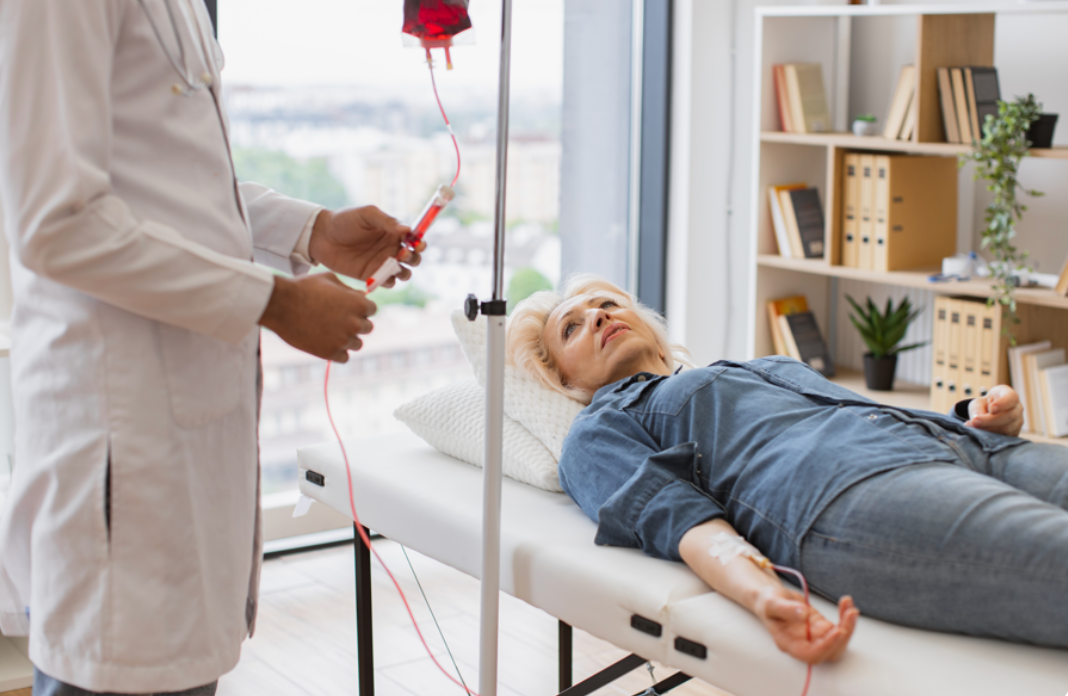
Intravenous (IV) access remains your primary route for medication administration during ACLS. The IV route delivers drugs directly into the bloodstream, providing rapid onset of action. You'll achieve peak drug concentrations quickly, which is exactly what you need during cardiac emergencies.

Intraosseous (IO)

Intraosseous (IO) access serves as your backup when IV access proves difficult or impossible. The IO route delivers medications into the bone marrow cavity, where they're rapidly absorbed into the central circulation. You can use the same dosages for IO administration as you would for IV.

Intramuscular (IM)

Intramuscular (IM) routes have limited applications in ACLS protocols. You'll primarily use IM administration for epinephrine in anaphylaxis cases, where the 0.3-0.5 mg dose gets absorbed through muscle tissue. This route isn't suitable for cardiac arrest scenarios because absorption is too slow when peripheral circulation is compromised.

Expanding Your Knowledge Beyond ACLS

In addition to these ACLS-specific protocols, it's also beneficial to explore related areas such as PALS training, which equips you with skills to handle pediatric emergencies effectively. Furthermore, mastering online course study techniques could significantly enhance your learning experience and outcome when pursuing certifications like ACLS or BLS, as outlined in these best study tips.

Moreover, for those dealing with specific conditions such as ventricular fibrillation in outpatient settings, it's crucial to have effective strategies at hand. Lastly, if you're an electrical contractor, obtaining a BLS certification can significantly enhance safety measures on-site while also boosting your professional credibility and teamwork skills.
Key ACLS Medications and Their Dosages, Routes, and Indications

1. Adenosine

Adenosine is the first medication you'll use to treat certain types of fast heartbeats in emergencies. Specifically, you'll give this drug for narrow-complex paroxysmal supraventricular tachycardia (PSVT) or supraventricular tachycardia (SVT). It can also be used for wide QRS tachycardia, but you must not use it for irregular wide QRS rhythms such as atrial fibrillation with aberrant conduction or polymorphic ventricular tachycardia.

ACLS Medication Dosages and Administration

The standard adenosine dosage follows a specific escalation protocol:

  • Initial dose: 6 mg rapid IV bolus
  • Second dose: 12 mg rapid IV bolus (if first dose ineffective)
  • Third dose: 12 mg rapid IV bolus (if second dose ineffective)

You need to administer adenosine as a rapid push followed immediately by a 20 mL saline flush. The medication has an extremely short half-life of less than 10 seconds, which means you must push it quickly through a large-bore IV line. When possible, use an antecubital vein or other proximal site for administration. If you're using a peripheral line, elevate the arm immediately after injection to speed delivery to the heart.

ACLS Medication Routes

Adenosine is administered exclusively via the intravenous (IV) route. You cannot give this medication through intraosseous (IO) access, intramuscular (IM) injection, or endotracheal tube. The rapid bolus technique is non-negotiable—slow administration renders the drug ineffective due to its ultra-short half-life.

Side Effects and Precautions

Your patients will often experience transient but uncomfortable side effects:

  • Facial flushing (most common)
  • Chest pressure or heaviness
  • Dyspnea
  • Brief asystole (typically 3-5 seconds)

While understanding these medications is crucial for effective emergency response, it's equally important to have proper training in Basic Life Support (BLS) and Advanced Cardiovascular Life Support (ACLS). You might consider exploring online BLS courses that provide flexibility while ensuring comprehensive learning.

Moreover, for those preparing for specialized pediatric emergencies, resources are available for preparing for your PALS exam.

Lastly, if you're a fitness enthusiast who wants to stay safe while working out, remember that knowing how to respond in case of an emergency can be invaluable. Here are some ACLS tips for fitness enthusiasts that can help you workout with confidence.

For those in need of group registration keys for ACLS courses, visit our key redemption page where you can enter your email redemption key.

2. Amiodarone

Amiodarone is a key antiarrhythmic medication used in ACLS protocols, especially for treating ventricular fibrillation and controlling tachycardia. It is administered in cases of life-threatening ventricular arrhythmias and when rate control is required for unstable tachycardias.

Dosing Protocols Based on Patient Status

The amiodarone dosing strategy changes dramatically depending on whether your patient is conscious or unconscious:

For Conscious Patients with VT/VF:

  • Initial dose: 150 mg IV administered over 10 minutes
  • Follow with a maintenance infusion to prevent recurrence

For Unconscious Patients in VF/VT:

  • First dose: 300 mg IV push
  • Second dose: 150 mg IV if the initial dose proves ineffective
  • Maximum cumulative dose: 450 mg during cardiac arrest

Critical Safety Considerations

You need to monitor closely for several significant side effects when administering amiodarone. Hypotension represents the most common immediate concern, often requiring you to slow the infusion rate. Bradycardia can develop, particularly in patients with underlying conduction system disease. Gastrointestinal toxicity may manifest with prolonged use.

Absolute Contraindications:

  • Second-degree or third-degree heart block (without pacemaker)
  • Endotracheal administration (never use this route)
  • Known hypersensitivity to iodine

The medication's effectiveness in ACLS medication routes makes it invaluable, but you must respect these dosing limits and contraindications to ensure patient safety during resuscitation efforts.

3. Atropine

Atropine is the first medication you should use when treating symptomatic bradycardia according to ACLS protocols. You will use this anticholinergic drug when your patient has a slow heart rate and shows signs of inadequate blood flow, such as confusion, chest pain, low blood pressure, or sudden heart failure.

Standard Dosing Protocol

The recommended atropine dosage for bradycardia treatment follows a straightforward approach:

  • Initial dose: 1 mg IV or IO push
  • Repeat interval: Every 3-5 minutes as needed
  • Maximum total dose: 3 mg

You should give atropine quickly as an IV bolus instead of slowly infusing it in order to achieve the best therapeutic effect.

Special Dosing Considerations

Some toxicological emergencies require higher doses of atropine compared to standard ACLS protocols. When treating patients with organophosphate poisoning or exposure to nerve agents, you may need to administer doses of 2-4 mg repeatedly until you see signs of adequate atropinization such as dilated pupils and reduced secretions.

Critical Contraindications

There are specific clinical situations where you must not use atropine:

  • Patients with narrow-angle glaucoma (atropine can trigger acute angle closure)
  • Tachyarrhythmias or any condition where increasing heart rate is dangerous
  • Second or third-degree heart block with wide QRS complexes (atropine may worsen the block)

When you come across these contraindications, you will have to explore other options like transcutaneous pacing or dopamine infusion for managing symptomatic bradycardia.

In such cases, it's crucial to make use of all available resources and training methods in order to achieve the best possible outcomes for your patients. For example, incorporating Virtual Reality into ACLS skills training can greatly improve the learning experience by offering realistic simulations, immediate feedback, and better retention of skills for healthcare professionals.

4. Dopamine Infusion in Shock Management

Dopamine is a vital medication used in ACLS protocols to treat patients with shock or congestive heart failure (CHF). It acts as a vasopressor, meaning it helps constrict blood vessels and increase blood pressure. Dopamine works by stimulating specific receptors in the body, resulting in different effects depending on the dosage administered.

When to Use Dopamine:

Dopamine can be beneficial in the following clinical situations:

  • Symptomatic bradycardia unresponsive to atropine
  • Cardiogenic shock with adequate blood pressure
  • Distributive shock requiring vasopressor support
  • CHF with low blood pressure and poor blood flow to organs

How to Administer Dopamine: Dosage Guidelines

The typical starting dose for dopamine infusion is 5-20 mcg/kg/min IV. However, it's essential to adjust this dosage based on how your patient responds hemodynamically. Here are some key points regarding dosage titration:

  • Monitor blood pressure, heart rate, and signs of organ perfusion regularly.
  • Increase or decrease the infusion rate gradually based on your observations.
  • Lower doses (2-5 mcg/kg/min) primarily affect blood flow to the kidneys and intestines.
  • Higher doses (10-20 mcg/kg/min) may cause significant constriction of blood vessels.

Important Step Before Giving Dopamine: Fluid Resuscitation

Before starting dopamine infusion, make sure you have given enough fluids to the patient. If you give vasopressors like dopamine when a patient has low fluid levels (hypovolemia), it can worsen blood flow to organs and lead to complications such as tachyarrhythmias or excessive constriction of blood vessels that impair circulation in the limbs. Therefore, establish intravenous (IV) access—preferably through a central line—and optimize the patient's fluid volume status first. This approach will enhance the effectiveness of dopamine while reducing the risk of side effects

5. Epinephrine in Cardiac Arrest to Anaphylaxis Management

Epinephrine is one of the most versatile medications in your ACLS toolkit, with specific dosing guidelines for different emergency situations. Knowing these differences is crucial for effective patient care.

Cardiac Arrest Protocol (IV/IO)

During cardiac arrest, you'll administer 1 mg IV/IO every 3-5 minutes throughout the resuscitation effort. This epinephrine cardiac arrest dose remains consistent regardless of the arrest rhythm. You should establish vascular access quickly—preferably through a central line when feasible, as this ensures more reliable drug delivery to the heart. If central access isn't immediately available, peripheral IV or intraosseous routes work effectively. For a comprehensive understanding of post-resuscitation care, refer to this Post Cardiac Arrest Algorithm.

Anaphylaxis Management (IM)

For anaphylaxis, the route changes dramatically. You'll give 0.3-0.5 mg IM (intramuscular), typically into the mid-outer thigh. This anaphylaxis epinephrine IM dose can be repeated every 5-15 minutes based on patient response. The intramuscular route provides rapid absorption while minimizing cardiovascular complications in patients with intact circulation.

Symptomatic Bradycardia and Shock (Infusion)

When managing symptomatic bradycardia or shock states, you'll use a continuous infusion starting at 2-10 mcg/min, titrating to achieve desired hemodynamic effects. This symptomatic bradycardia infusion requires careful monitoring of heart rate and blood pressure.

The preferred administration route remains through a central line whenever possible, reducing the risk of tissue necrosis from peripheral extravasation and ensuring consistent drug delivery during critical moments.

In pediatric cases, the approach slightly varies. The Pediatric Basic Life Support Algorithm offers a structured pathway for managing such emergencies when two or more rescuers are present.

Furthermore, with the rise of technology, AI is transforming emergency cardiac care by enhancing diagnosis, treatment accuracy, and patient outcomes through advanced data analysis and real-time decision support.

Lastly, if you're frequently dealing with children in emergencies, knowing about PALS primary and secondary surveys can equip you with vital skills necessary to save lives during critical situations.

6. Lidocaine for Ventricular Arrhythmias Treatment

Lidocaine is an important medication used to treat certain heart rhythm problems, specifically ventricular fibrillation (VF), pulseless ventricular tachycardia (VT), or wide complex tachycardia in patients with a pulse. It is particularly useful when another medication called amiodarone is not available or as an alternative treatment option during cardiac arrest situations.

Initial Loading Dose Protocol

The initial dose of lidocaine is given as a bolus injection directly into the bloodstream (IV) at a rate of 1-1.5 mg/kg based on the patient's weight. If the abnormal heart rhythm persists after 5-10 minutes, a second dose can be administered at half the initial amount (0.5-0.75 mg/kg). However, it is important not to exceed a total loading dose of 3 mg/kg to avoid potential toxicity.

Maintenance Infusion

Once the abnormal heart rhythm has been successfully converted back to normal, a continuous infusion of lidocaine will be started at a rate of 1-4 mg/min. This steady infusion helps maintain therapeutic levels of the medication in the patient's system and prevents the recurrence of the arrhythmia.

Critical Renal Considerations

When administering lidocaine to patients with kidney problems (renal impairment), caution must be exercised. The kidneys are responsible for clearing metabolites of lidocaine from the body, so if their function is compromised, there is an increased risk of accumulation and toxicity. In such cases, both the loading and maintenance doses may need to be reduced, and close monitoring should be done for any signs of central nervous system toxicity such as confusion, seizures, or respiratory depression.

Patients with liver dysfunction also require careful dose adjustments since lidocaine is primarily metabolized by the liver.

7. Magnesium Sulfate in Torsades de Pointes Treatment

Magnesium sulfate is the main treatment for torsades de pointes, a type of irregular heartbeat called polymorphic ventricular tachycardia. It is identified by a unique pattern on an ECG known as "twisting of the points." This medication is used to treat both types of torsades: one without a pulse and one with a pulse. However, the way you give the medication will depend on the specific situation.

Dosage Protocols for Different Scenarios:

For cardiac arrest with pulseless torsades de pointes, you'll administer 1-2 grams IV over 5-20 minutes. This rapid administration helps restore normal cardiac rhythm during critical resuscitation efforts. The faster infusion time is appropriate given the life-threatening nature of pulseless arrest.

When treating torsades with pulse, you'll use the same initial dose of 1-2 grams IV, but extend the infusion time to 5-60 minutes. This slower administration reduces the risk of adverse hemodynamic effects. Following the initial bolus, you'll start a maintenance infusion at 0.5-1 gram per hour to prevent recurrence.

Critical Safety Considerations:

Rapid bolus administration can trigger hypotension and bradycardia, so you'll monitor vital signs closely during infusion. Patients with renal impairment require special attention since magnesium is primarily eliminated through the kidneys. You'll need to adjust dosing and monitor serum magnesium levels in these patients to prevent toxicity. Watch for signs of magnesium toxicity including decreased deep tendon reflexes, respiratory depression, and cardiac conduction abnormalities.

8. Sotalol as a Third-Line Antiarrhythmic Agent Treatment Option for Monomorphic VT

Sotalol is used when first-line and second-line antiarrhythmics fail to control monomorphic ventricular tachycardia. You'll use this medication after amiodarone and procainamide haven't achieved the desired rhythm conversion in your patient with stable wide QRS tachycardia.

Sotalol IV Dosage for Monomorphic VT Treatment

The recommended sotalol IV dosage follows a weight-based calculation:

  • Standard dose: 100 mg (1.5 mg/kg) administered intravenously
  • Administration time: Infuse over five minutes
  • Route: Intravenous only

You need to calculate the exact dose based on your patient's weight to avoid underdosing or potential toxicity. A 70 kg patient would receive approximately 105 mg, which you'd round to the standard 100 mg dose.

Critical Contraindications

Sotalol has a significant contraindication you must screen for before giving it. You should never give sotalol to patients with prolonged QT syndrome. The medication's mechanism of action involves QT interval prolongation, which can trigger life-threatening arrhythmias in susceptible patients.

Before giving sotalol, you need to:

  • Review the patient's baseline ECG for QT prolongation
  • Check electrolyte levels, particularly potassium and magnesium
  • Assess renal function, as sotalol requires dose adjustment in renal impairment
  • Monitor continuous cardiac rhythm throughout administration

Monitoring Considerations in ACLS Medication Use

You need to be very careful when giving ACLS medications because these strong drugs can cause serious side effects even at normal doses. Continuous cardiac monitoring is absolutely necessary during any ACLS intervention—you're looking out for changes in heart rate, rhythm, and blood pressure that could indicate problems.

Watch Out for Low Blood Pressure

Low blood pressure is one of the most common side effects of ACLS medications, especially with amiodarone, procainamide, and fast magnesium sulfate administration. You should always have vasopressors ready and think about slowing down the infusion rates if blood pressure drops significantly.

Be Cautious with Heart Rate

When using amiodarone, beta-blockers, or too much atropine (which can paradoxically worsen heart rate), keep an eye out for bradycardia.

Stay Aware of Dosing Safety

When giving ACLS drugs, pay attention to:

  • Kidney function before administering lidocaine or magnesium sulfate
  • Total doses to avoid going over the maximum limits (450 mg for amiodarone, 17 mg/kg for procainamide)
  • QT interval prolongation with drugs like sotalol and procainamide
  • Signs of toxicity such as changes in mental status, seizures, or new arrhythmias

Keep Detailed Records

It's important to write down each medication dose, time of administration, and how the patient responds carefully—this information will help you make decisions about further treatment during long resuscitation efforts.

Understanding Life Support Certifications

It's also important to understand the differences between various life support certifications. Knowing the distinctions between Pediatric Advanced Life Support (PALS) and Advanced Cardiovascular Life Support (ACLS) can be critical in certain situations; learn more about their differences here.

If you're thinking about getting both ACLS certification and PALS certification together, there are resources available that can help you through this process smoothly. Additionally, there are convenient ways to obtain your BLS certification while also pursuing ACLS training.

If you want to advance your healthcare career by getting ACLS certification, you can do it in just three simple steps through online courses offered by different providers.

Conclusion

You now have a comprehensive ACLS Medications Cheat Sheet: Dosages, Routes, and Indications at your fingertips. Keep this guide accessible during emergency situations—whether you're managing cardiac arrest, treating ventricular arrhythmias, or addressing symptomatic bradycardia. The precise dosages, administration routes, and clinical indications outlined here serve as your quick reference when seconds matter most.

Emergency cardiac care demands confidence and accuracy. This cheat sheet empowers you to make informed decisions about medication management when your patients need you most. Bookmark this resource, print it for your crash cart, or save it on your mobile device. Your preparedness translates directly into better patient outcomes during those critical moments when advanced cardiovascular life support makes the difference between life and death.

ACLS Blogs

ACLS Medications Cheat Sheet: Dosages, Routes, and Indications

When you're facing a cardiac emergency, every second counts. Advanced Cardiovascular Life Support (ACLS) is the gold standard for managing life-threatening cardiovascular conditions—from cardiac arrest to stroke. You need to act fast, think clearly, and execute precisely.

ACLS medications are crucial in these critical interventions. The right drug, at the right dose, through the right route can mean the difference between life and death. Whether it's ventricular fibrillation, symptomatic bradycardia, or torsades de pointes—each scenario requires specific pharmaceutical intervention.

This ACLS Medications Cheat Sheet: Dosages, Routes, and Indications is your quick-reference guide during high-pressure situations. It contains essential information about dosages, administration routes, and clinical indications for the most common ACLS medications. Whether you're an experienced emergency physician, a critical care nurse, or a paramedic, having this information readily available helps you provide optimal care when your patient needs it most.

Let's explore the medications that save lives in cardiac emergencies.

In addition to understanding ACLS medications, it's important to recognize the broader impact of ACLS training. For example, real-life success stories demonstrate how advanced cardiac care can make a significant difference in emergency situations. These stories highlight the importance of quick and skilled responses during such critical moments.

Furthermore, ACLS and BLS certification can greatly benefit primary care physicians who are often on the frontline of patient care. While their main focus is on preventive medicine and chronic disease management, having emergent care skills can prove invaluable in certain situations.

It's also worth noting that dental practice staff can greatly enhance patient care by being trained in BLS and ACLS. Given that dentists often work with patients who may experience anxiety or have underlying health issues leading to unexpected medical emergencies, such training equips them to respond effectively.

Lastly, with advancements in technology, digital health and ACLS apps are improving emergency preparedness and education. These resources offer valuable information and tools that can be lifesaving in urgent situations.

Mastering ACLS medications is just one part of the equation. Understanding the broader implications of ACLS training and leveraging digital resources can significantly improve patient outcomes during cardiac emergencies.

Understanding ACLS Medications

When you're managing a cardiac emergency, knowing your ACLS drug classifications helps you respond faster and more effectively. Emergency cardiac drugs fall into several key categories based on their primary mechanisms of action:

  • Antiarrhythmics like amiodarone, lidocaine, and sotalol work to stabilize abnormal heart rhythms.
  • Vasopressors and inotropes such as epinephrine and dopamine support blood pressure and cardiac output.
  • Anticholinergics like atropine block parasympathetic effects to increase heart rate.
  • Electrolytes including magnesium sulfate correct imbalances that can trigger dangerous arrhythmias.

You need to understand that correct dosing isn't just important—it's critical. A miscalculated dose can mean the difference between successful resuscitation and poor patient outcomes. The same applies to administration routes. Using the wrong route can delay drug action when every second counts.

Routes of Medication Administration in ACLS

Intravenous (IV)

Intravenous (IV) access remains your primary route for medication administration during ACLS. The IV route delivers drugs directly into the bloodstream, providing rapid onset of action. You'll achieve peak drug concentrations quickly, which is exactly what you need during cardiac emergencies.

Intraosseous (IO)

Intraosseous (IO) access serves as your backup when IV access proves difficult or impossible. The IO route delivers medications into the bone marrow cavity, where they're rapidly absorbed into the central circulation. You can use the same dosages for IO administration as you would for IV.

Intramuscular (IM)

Intramuscular (IM) routes have limited applications in ACLS protocols. You'll primarily use IM administration for epinephrine in anaphylaxis cases, where the 0.3-0.5 mg dose gets absorbed through muscle tissue. This route isn't suitable for cardiac arrest scenarios because absorption is too slow when peripheral circulation is compromised.

Expanding Your Knowledge Beyond ACLS

In addition to these ACLS-specific protocols, it's also beneficial to explore related areas such as PALS training, which equips you with skills to handle pediatric emergencies effectively. Furthermore, mastering online course study techniques could significantly enhance your learning experience and outcome when pursuing certifications like ACLS or BLS, as outlined in these best study tips.

Moreover, for those dealing with specific conditions such as ventricular fibrillation in outpatient settings, it's crucial to have effective strategies at hand. Lastly, if you're an electrical contractor, obtaining a BLS certification can significantly enhance safety measures on-site while also boosting your professional credibility and teamwork skills.

Key ACLS Medications and Their Dosages, Routes, and Indications

1. Adenosine

Adenosine is the first medication you'll use to treat certain types of fast heartbeats in emergencies. Specifically, you'll give this drug for narrow-complex paroxysmal supraventricular tachycardia (PSVT) or supraventricular tachycardia (SVT). It can also be used for wide QRS tachycardia, but you must not use it for irregular wide QRS rhythms such as atrial fibrillation with aberrant conduction or polymorphic ventricular tachycardia.

ACLS Medication Dosages and Administration

The standard adenosine dosage follows a specific escalation protocol:

  • Initial dose: 6 mg rapid IV bolus
  • Second dose: 12 mg rapid IV bolus (if first dose ineffective)
  • Third dose: 12 mg rapid IV bolus (if second dose ineffective)

You need to administer adenosine as a rapid push followed immediately by a 20 mL saline flush. The medication has an extremely short half-life of less than 10 seconds, which means you must push it quickly through a large-bore IV line. When possible, use an antecubital vein or other proximal site for administration. If you're using a peripheral line, elevate the arm immediately after injection to speed delivery to the heart.

ACLS Medication Routes

Adenosine is administered exclusively via the intravenous (IV) route. You cannot give this medication through intraosseous (IO) access, intramuscular (IM) injection, or endotracheal tube. The rapid bolus technique is non-negotiable—slow administration renders the drug ineffective due to its ultra-short half-life.

Side Effects and Precautions

Your patients will often experience transient but uncomfortable side effects:

  • Facial flushing (most common)
  • Chest pressure or heaviness
  • Dyspnea
  • Brief asystole (typically 3-5 seconds)

While understanding these medications is crucial for effective emergency response, it's equally important to have proper training in Basic Life Support (BLS) and Advanced Cardiovascular Life Support (ACLS). You might consider exploring online BLS courses that provide flexibility while ensuring comprehensive learning.

Moreover, for those preparing for specialized pediatric emergencies, resources are available for preparing for your PALS exam.

Lastly, if you're a fitness enthusiast who wants to stay safe while working out, remember that knowing how to respond in case of an emergency can be invaluable. Here are some ACLS tips for fitness enthusiasts that can help you workout with confidence.

For those in need of group registration keys for ACLS courses, visit our key redemption page where you can enter your email redemption key.

2. Amiodarone

Amiodarone is a key antiarrhythmic medication used in ACLS protocols, especially for treating ventricular fibrillation and controlling tachycardia. It is administered in cases of life-threatening ventricular arrhythmias and when rate control is required for unstable tachycardias.

Dosing Protocols Based on Patient Status

The amiodarone dosing strategy changes dramatically depending on whether your patient is conscious or unconscious:

For Conscious Patients with VT/VF:

  • Initial dose: 150 mg IV administered over 10 minutes
  • Follow with a maintenance infusion to prevent recurrence

For Unconscious Patients in VF/VT:

  • First dose: 300 mg IV push
  • Second dose: 150 mg IV if the initial dose proves ineffective
  • Maximum cumulative dose: 450 mg during cardiac arrest

Critical Safety Considerations

You need to monitor closely for several significant side effects when administering amiodarone. Hypotension represents the most common immediate concern, often requiring you to slow the infusion rate. Bradycardia can develop, particularly in patients with underlying conduction system disease. Gastrointestinal toxicity may manifest with prolonged use.

Absolute Contraindications:

  • Second-degree or third-degree heart block (without pacemaker)
  • Endotracheal administration (never use this route)
  • Known hypersensitivity to iodine

The medication's effectiveness in ACLS medication routes makes it invaluable, but you must respect these dosing limits and contraindications to ensure patient safety during resuscitation efforts.

3. Atropine

Atropine is the first medication you should use when treating symptomatic bradycardia according to ACLS protocols. You will use this anticholinergic drug when your patient has a slow heart rate and shows signs of inadequate blood flow, such as confusion, chest pain, low blood pressure, or sudden heart failure.

Standard Dosing Protocol

The recommended atropine dosage for bradycardia treatment follows a straightforward approach:

  • Initial dose: 1 mg IV or IO push
  • Repeat interval: Every 3-5 minutes as needed
  • Maximum total dose: 3 mg

You should give atropine quickly as an IV bolus instead of slowly infusing it in order to achieve the best therapeutic effect.

Special Dosing Considerations

Some toxicological emergencies require higher doses of atropine compared to standard ACLS protocols. When treating patients with organophosphate poisoning or exposure to nerve agents, you may need to administer doses of 2-4 mg repeatedly until you see signs of adequate atropinization such as dilated pupils and reduced secretions.

Critical Contraindications

There are specific clinical situations where you must not use atropine:

  • Patients with narrow-angle glaucoma (atropine can trigger acute angle closure)
  • Tachyarrhythmias or any condition where increasing heart rate is dangerous
  • Second or third-degree heart block with wide QRS complexes (atropine may worsen the block)

When you come across these contraindications, you will have to explore other options like transcutaneous pacing or dopamine infusion for managing symptomatic bradycardia.

In such cases, it's crucial to make use of all available resources and training methods in order to achieve the best possible outcomes for your patients. For example, incorporating Virtual Reality into ACLS skills training can greatly improve the learning experience by offering realistic simulations, immediate feedback, and better retention of skills for healthcare professionals.

4. Dopamine Infusion in Shock Management

Dopamine is a vital medication used in ACLS protocols to treat patients with shock or congestive heart failure (CHF). It acts as a vasopressor, meaning it helps constrict blood vessels and increase blood pressure. Dopamine works by stimulating specific receptors in the body, resulting in different effects depending on the dosage administered.

When to Use Dopamine:

Dopamine can be beneficial in the following clinical situations:

  • Symptomatic bradycardia unresponsive to atropine
  • Cardiogenic shock with adequate blood pressure
  • Distributive shock requiring vasopressor support
  • CHF with low blood pressure and poor blood flow to organs

How to Administer Dopamine: Dosage Guidelines

The typical starting dose for dopamine infusion is 5-20 mcg/kg/min IV. However, it's essential to adjust this dosage based on how your patient responds hemodynamically. Here are some key points regarding dosage titration:

  • Monitor blood pressure, heart rate, and signs of organ perfusion regularly.
  • Increase or decrease the infusion rate gradually based on your observations.
  • Lower doses (2-5 mcg/kg/min) primarily affect blood flow to the kidneys and intestines.
  • Higher doses (10-20 mcg/kg/min) may cause significant constriction of blood vessels.

Important Step Before Giving Dopamine: Fluid Resuscitation

Before starting dopamine infusion, make sure you have given enough fluids to the patient. If you give vasopressors like dopamine when a patient has low fluid levels (hypovolemia), it can worsen blood flow to organs and lead to complications such as tachyarrhythmias or excessive constriction of blood vessels that impair circulation in the limbs. Therefore, establish intravenous (IV) access—preferably through a central line—and optimize the patient's fluid volume status first. This approach will enhance the effectiveness of dopamine while reducing the risk of side effects

5. Epinephrine in Cardiac Arrest to Anaphylaxis Management

Epinephrine is one of the most versatile medications in your ACLS toolkit, with specific dosing guidelines for different emergency situations. Knowing these differences is crucial for effective patient care.

Cardiac Arrest Protocol (IV/IO)

During cardiac arrest, you'll administer 1 mg IV/IO every 3-5 minutes throughout the resuscitation effort. This epinephrine cardiac arrest dose remains consistent regardless of the arrest rhythm. You should establish vascular access quickly—preferably through a central line when feasible, as this ensures more reliable drug delivery to the heart. If central access isn't immediately available, peripheral IV or intraosseous routes work effectively. For a comprehensive understanding of post-resuscitation care, refer to this Post Cardiac Arrest Algorithm.

Anaphylaxis Management (IM)

For anaphylaxis, the route changes dramatically. You'll give 0.3-0.5 mg IM (intramuscular), typically into the mid-outer thigh. This anaphylaxis epinephrine IM dose can be repeated every 5-15 minutes based on patient response. The intramuscular route provides rapid absorption while minimizing cardiovascular complications in patients with intact circulation.

Symptomatic Bradycardia and Shock (Infusion)

When managing symptomatic bradycardia or shock states, you'll use a continuous infusion starting at 2-10 mcg/min, titrating to achieve desired hemodynamic effects. This symptomatic bradycardia infusion requires careful monitoring of heart rate and blood pressure.

The preferred administration route remains through a central line whenever possible, reducing the risk of tissue necrosis from peripheral extravasation and ensuring consistent drug delivery during critical moments.

In pediatric cases, the approach slightly varies. The Pediatric Basic Life Support Algorithm offers a structured pathway for managing such emergencies when two or more rescuers are present.

Furthermore, with the rise of technology, AI is transforming emergency cardiac care by enhancing diagnosis, treatment accuracy, and patient outcomes through advanced data analysis and real-time decision support.

Lastly, if you're frequently dealing with children in emergencies, knowing about PALS primary and secondary surveys can equip you with vital skills necessary to save lives during critical situations.

6. Lidocaine for Ventricular Arrhythmias Treatment

Lidocaine is an important medication used to treat certain heart rhythm problems, specifically ventricular fibrillation (VF), pulseless ventricular tachycardia (VT), or wide complex tachycardia in patients with a pulse. It is particularly useful when another medication called amiodarone is not available or as an alternative treatment option during cardiac arrest situations.

Initial Loading Dose Protocol

The initial dose of lidocaine is given as a bolus injection directly into the bloodstream (IV) at a rate of 1-1.5 mg/kg based on the patient's weight. If the abnormal heart rhythm persists after 5-10 minutes, a second dose can be administered at half the initial amount (0.5-0.75 mg/kg). However, it is important not to exceed a total loading dose of 3 mg/kg to avoid potential toxicity.

Maintenance Infusion

Once the abnormal heart rhythm has been successfully converted back to normal, a continuous infusion of lidocaine will be started at a rate of 1-4 mg/min. This steady infusion helps maintain therapeutic levels of the medication in the patient's system and prevents the recurrence of the arrhythmia.

Critical Renal Considerations

When administering lidocaine to patients with kidney problems (renal impairment), caution must be exercised. The kidneys are responsible for clearing metabolites of lidocaine from the body, so if their function is compromised, there is an increased risk of accumulation and toxicity. In such cases, both the loading and maintenance doses may need to be reduced, and close monitoring should be done for any signs of central nervous system toxicity such as confusion, seizures, or respiratory depression.

Patients with liver dysfunction also require careful dose adjustments since lidocaine is primarily metabolized by the liver.

7. Magnesium Sulfate in Torsades de Pointes Treatment

Magnesium sulfate is the main treatment for torsades de pointes, a type of irregular heartbeat called polymorphic ventricular tachycardia. It is identified by a unique pattern on an ECG known as "twisting of the points." This medication is used to treat both types of torsades: one without a pulse and one with a pulse. However, the way you give the medication will depend on the specific situation.

Dosage Protocols for Different Scenarios:

For cardiac arrest with pulseless torsades de pointes, you'll administer 1-2 grams IV over 5-20 minutes. This rapid administration helps restore normal cardiac rhythm during critical resuscitation efforts. The faster infusion time is appropriate given the life-threatening nature of pulseless arrest.

When treating torsades with pulse, you'll use the same initial dose of 1-2 grams IV, but extend the infusion time to 5-60 minutes. This slower administration reduces the risk of adverse hemodynamic effects. Following the initial bolus, you'll start a maintenance infusion at 0.5-1 gram per hour to prevent recurrence.

Critical Safety Considerations:

Rapid bolus administration can trigger hypotension and bradycardia, so you'll monitor vital signs closely during infusion. Patients with renal impairment require special attention since magnesium is primarily eliminated through the kidneys. You'll need to adjust dosing and monitor serum magnesium levels in these patients to prevent toxicity. Watch for signs of magnesium toxicity including decreased deep tendon reflexes, respiratory depression, and cardiac conduction abnormalities.

8. Sotalol as a Third-Line Antiarrhythmic Agent Treatment Option for Monomorphic VT

Sotalol is used when first-line and second-line antiarrhythmics fail to control monomorphic ventricular tachycardia. You'll use this medication after amiodarone and procainamide haven't achieved the desired rhythm conversion in your patient with stable wide QRS tachycardia.

Sotalol IV Dosage for Monomorphic VT Treatment

The recommended sotalol IV dosage follows a weight-based calculation:

  • Standard dose: 100 mg (1.5 mg/kg) administered intravenously
  • Administration time: Infuse over five minutes
  • Route: Intravenous only

You need to calculate the exact dose based on your patient's weight to avoid underdosing or potential toxicity. A 70 kg patient would receive approximately 105 mg, which you'd round to the standard 100 mg dose.

Critical Contraindications

Sotalol has a significant contraindication you must screen for before giving it. You should never give sotalol to patients with prolonged QT syndrome. The medication's mechanism of action involves QT interval prolongation, which can trigger life-threatening arrhythmias in susceptible patients.

Before giving sotalol, you need to:

  • Review the patient's baseline ECG for QT prolongation
  • Check electrolyte levels, particularly potassium and magnesium
  • Assess renal function, as sotalol requires dose adjustment in renal impairment
  • Monitor continuous cardiac rhythm throughout administration

Monitoring Considerations in ACLS Medication Use

You need to be very careful when giving ACLS medications because these strong drugs can cause serious side effects even at normal doses. Continuous cardiac monitoring is absolutely necessary during any ACLS intervention—you're looking out for changes in heart rate, rhythm, and blood pressure that could indicate problems.

Watch Out for Low Blood Pressure

Low blood pressure is one of the most common side effects of ACLS medications, especially with amiodarone, procainamide, and fast magnesium sulfate administration. You should always have vasopressors ready and think about slowing down the infusion rates if blood pressure drops significantly.

Be Cautious with Heart Rate

When using amiodarone, beta-blockers, or too much atropine (which can paradoxically worsen heart rate), keep an eye out for bradycardia.

Stay Aware of Dosing Safety

When giving ACLS drugs, pay attention to:

  • Kidney function before administering lidocaine or magnesium sulfate
  • Total doses to avoid going over the maximum limits (450 mg for amiodarone, 17 mg/kg for procainamide)
  • QT interval prolongation with drugs like sotalol and procainamide
  • Signs of toxicity such as changes in mental status, seizures, or new arrhythmias

Keep Detailed Records

It's important to write down each medication dose, time of administration, and how the patient responds carefully—this information will help you make decisions about further treatment during long resuscitation efforts.

Understanding Life Support Certifications

It's also important to understand the differences between various life support certifications. Knowing the distinctions between Pediatric Advanced Life Support (PALS) and Advanced Cardiovascular Life Support (ACLS) can be critical in certain situations; learn more about their differences here.

If you're thinking about getting both ACLS certification and PALS certification together, there are resources available that can help you through this process smoothly. Additionally, there are convenient ways to obtain your BLS certification while also pursuing ACLS training.

If you want to advance your healthcare career by getting ACLS certification, you can do it in just three simple steps through online courses offered by different providers.

Conclusion

You now have a comprehensive ACLS Medications Cheat Sheet: Dosages, Routes, and Indications at your fingertips. Keep this guide accessible during emergency situations—whether you're managing cardiac arrest, treating ventricular arrhythmias, or addressing symptomatic bradycardia. The precise dosages, administration routes, and clinical indications outlined here serve as your quick reference when seconds matter most.

Emergency cardiac care demands confidence and accuracy. This cheat sheet empowers you to make informed decisions about medication management when your patients need you most. Bookmark this resource, print it for your crash cart, or save it on your mobile device. Your preparedness translates directly into better patient outcomes during those critical moments when advanced cardiovascular life support makes the difference between life and death.

blogs

More articles for you

all articles

Start Today!

Get certified at your own pace, on your schedule, from the comfort of your home.