ACLS Blogs

How Simulation Training Enhances Real-World Resuscitation Skills

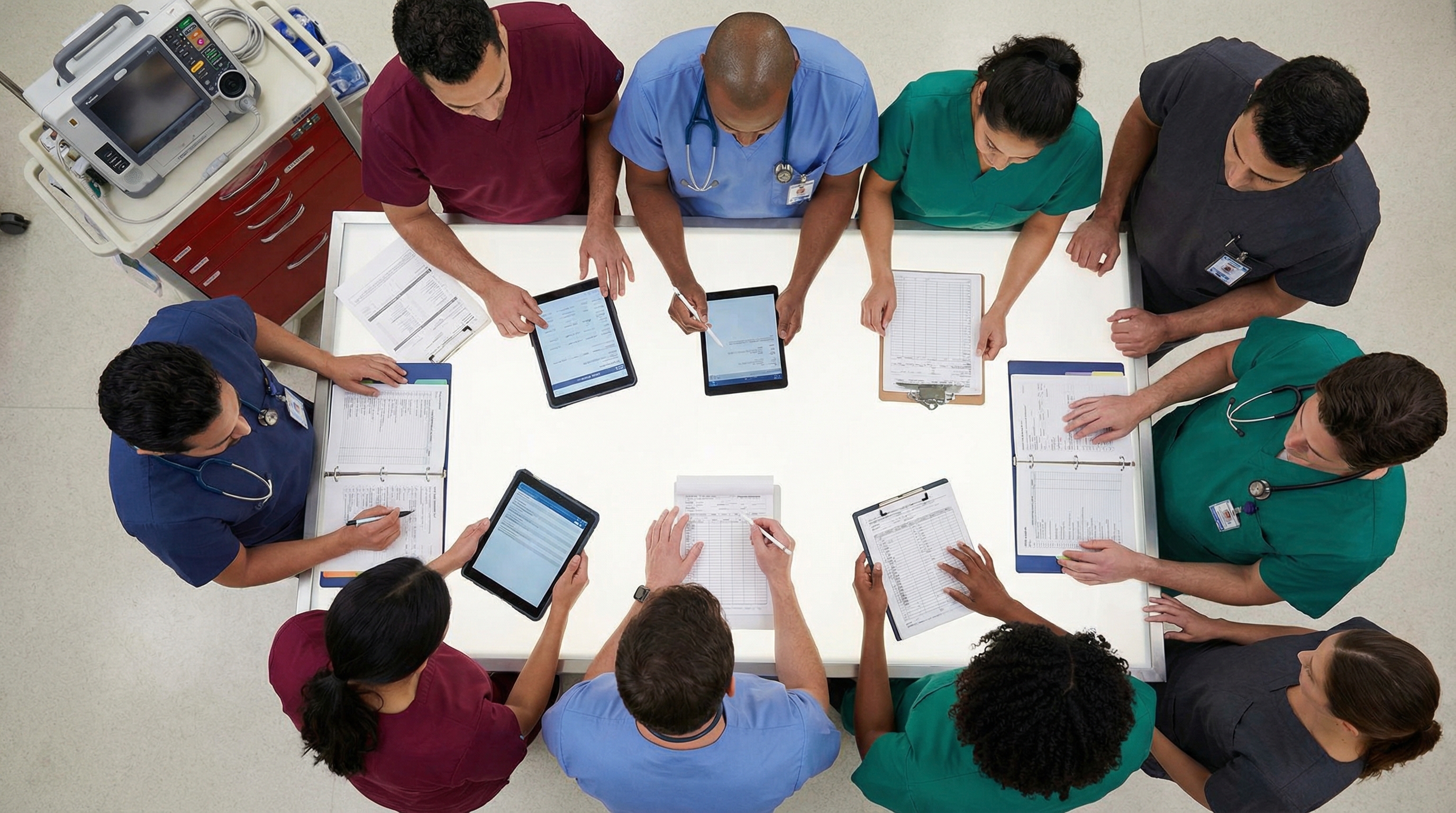
Simulation training has changed the game in medical education. It provides a safe and realistic setting for healthcare professionals to practice and improve their essential clinical skills. By using technology and carefully designed scenarios, simulation training recreates real-life medical situations, giving learners the opportunity to practice without putting patients at risk.

One of the most important skills that simulation training focuses on is resuscitation skills. When a patient suffers from cardiac arrest, respiratory failure, or other life-threatening emergencies, your ability to respond quickly and effectively can be the deciding factor between life and death. These critical moments require not only technical expertise but also quick thinking and smooth teamwork.

In this article, we will explore how simulation training enhances real-world resuscitation skills. We will look into different training methods, their measurable benefits, and the evidence behind their effectiveness. You'll learn how simulation-based medical education transforms theoretical knowledge into practical expertise. For example, real-life success stories demonstrate the life-saving impact of advanced cardiac care and highlight the importance of swift and skilled responses in emergency situations.

We will also discuss specific scenarios such as managing Adult Bradycardia with a Pulse, providing expert tips on how to handle these critical situations with confidence.

Furthermore, we will explore how digital health and ACLS apps are improving emergency preparedness and education.

Lastly, it is crucial to understand the distinctions between different types of life support training such as PALS vs ACLS, as this knowledge can further enhance your ability to provide optimal care during critical moments when every second matters.

The Role of Simulation Training in Medical Education

Medical simulation has evolved from basic training tools to advanced systems that completely change how healthcare professionals gain clinical skills. This transformation started many years ago with simple dummies used for CPR practice, but now it includes technologies that would have seemed impossible only a few years back.

How Simulation Training Works

The learning experience now includes various methods of simulation:

  • High-fidelity mannequins: These lifelike dummies accurately mimic human body functions, showing vital signs, producing heart and lung sounds, and reacting to medications in real-time.
  • Virtual reality (VR): VR setups immerse learners in three-dimensional scenarios where they can navigate complex medical emergencies without being limited by physical equipment.
  • Standardized patients: These are trained actors who portray specific medical conditions, bringing realistic human interaction and emotional responses into training situations.
  • Hybrid simulations: This approach combines different methods, such as using mannequins alongside standardized patients or integrating VR elements with physical task trainers.

The Benefits of Simulation Training

The most valuable aspect of simulation training is the controlled environment it provides. Here are some key benefits:

  • You can make mistakes and learn from them without putting actual patients at risk.
  • You have the opportunity to repeat procedures multiple times until you feel confident.
  • Rare complications can be simulated, allowing you to practice handling unexpected situations.
  • The anxiety that often comes with real clinical scenarios is eliminated, enabling you to focus on improving your skills and decision-making abilities.

The Importance of Combining Theory with Practice

While practical experience gained through simulation is invaluable, it's equally important to supplement it with theoretical knowledge. For example:

  • Obtaining an ACLS certification is essential for healthcare providers involved in cardiac emergencies.
  • Familiarizing yourself with BLS algorithms can potentially save lives during critical situations.

When it comes to acquiring these certifications, online courses offer flexibility compared to traditional classroom settings, making it easier for busy professionals to enhance their skills. However, the choice between an online BLS course or a live AHA class ultimately depends on personal preference and learning style.

Expanding Qualifications through Bundling

For those seeking further qualifications beyond ACLS certification alone, considering the advantages of bundling ACLS and PALS certifications may be beneficial.

Preparing for Certification Exams

Proper preparation is crucial when it comes to passing exams such as the PALS test. Resources are available to assist in preparing for your PALS exam, ensuring you are well-equipped for this important certification.

Modalities of Simulation Training for Resuscitation Skills Enhancement

High-Fidelity Mannequins: Bridging the Gap Between Theory and Practice

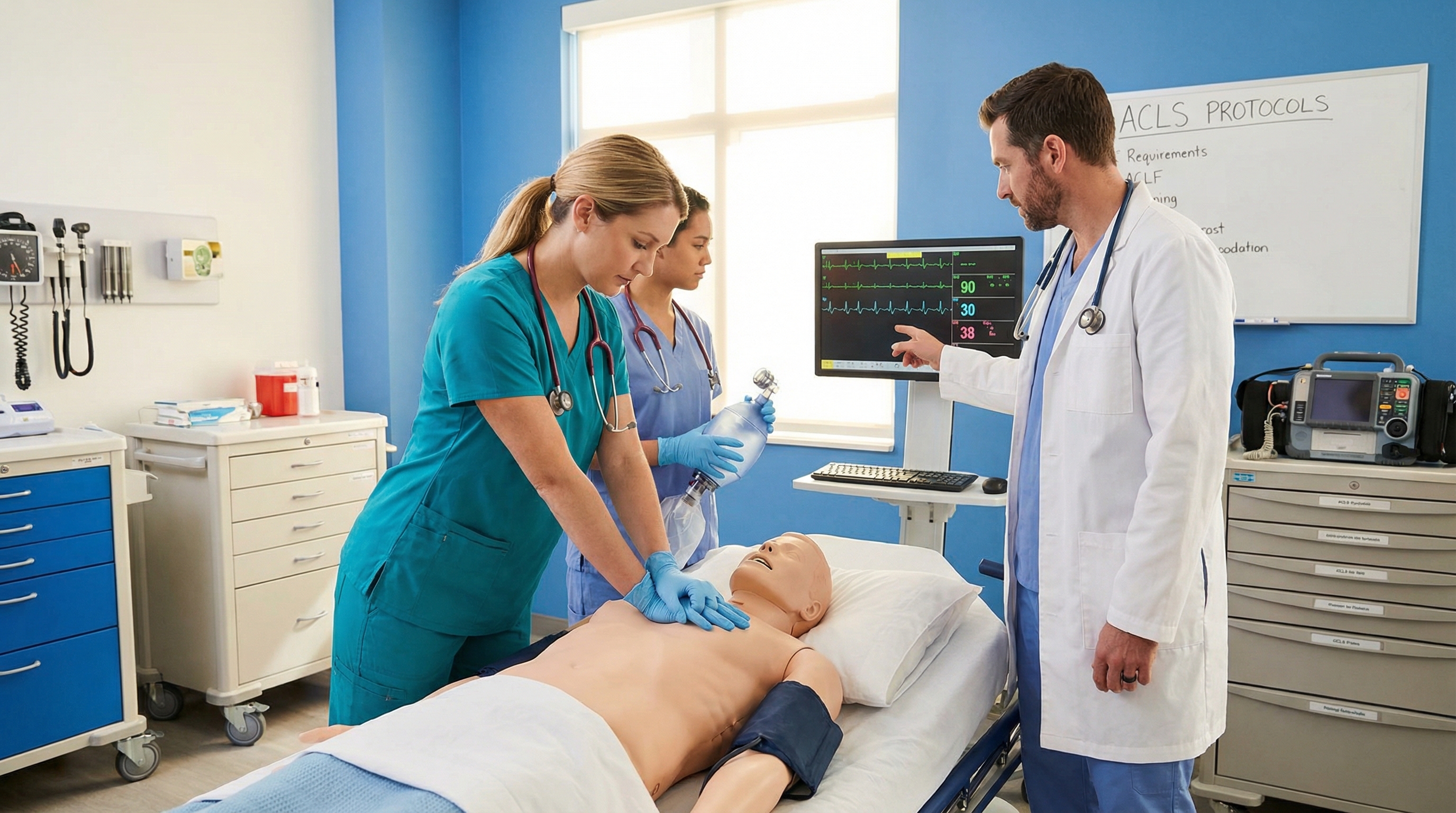
High-fidelity simulators are the best in resuscitation training technology. These advanced mannequins closely mimic real-life physiological responses—you can track immediate changes in heart rate, blood pressure, breathing patterns, and even pupil reactions. The mannequins breathe, bleed, and react to medications just like real patients.

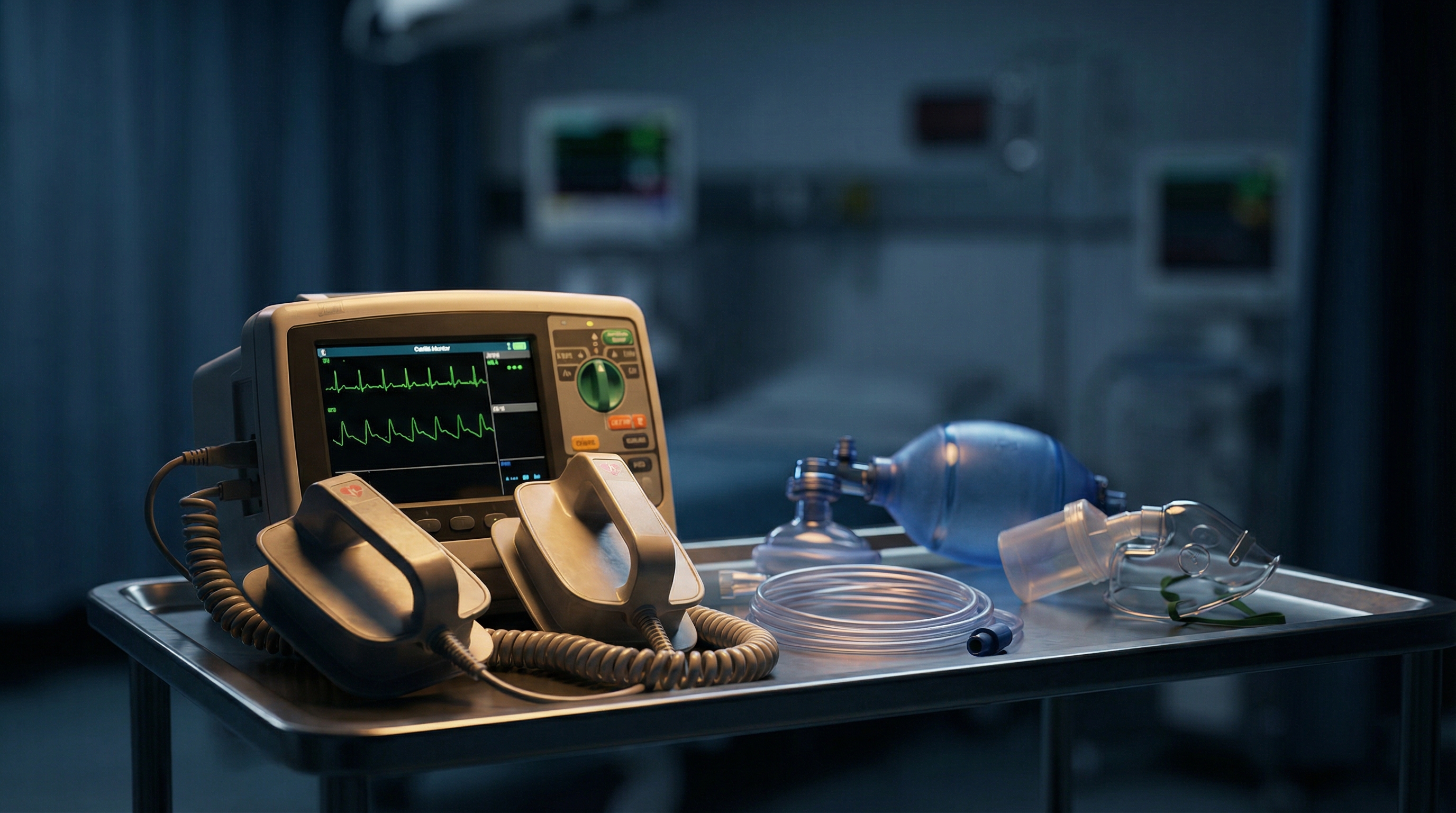
When you practice cardiac arrest scenarios on these simulators, you face a wide range of resuscitation challenges. The mannequin's chest resistance during compressions feels genuine, defibrillation pads provide realistic feedback, and you can practice advanced airway management techniques including intubation with anatomically correct airways. Trauma scenarios become equally realistic—you can identify tension pneumothorax, manage hemorrhagic shock, and perform needle decompression on mannequins that show appropriate clinical signs.

The impact on your confidence cannot be overstated. Research consistently shows that healthcare providers who train on high-fidelity simulators demonstrate measurably improved performance in actual clinical settings. You develop muscle memory for critical procedures and learn to recognize subtle clinical deterioration patterns before they become life-threatening emergencies.

Virtual Reality and Augmented Reality: Immersive Training Environments

Virtual reality (VR) and augmented reality (AR) technologies transform how you prepare for high-stakes resuscitation situations. VR headsets transport you into fully rendered emergency departments or operating rooms where you manage complex critical care situations without geographical or resource constraints.

Immersive learning through VR allows you to practice rare but critical scenarios repeatedly—managing malignant hyperthermia during anesthesia, responding to massive transfusion protocols, or coordinating multi-casualty incidents. AR overlays digital information onto physical mannequins, providing real-time guidance on compression depth, ventilation rates, and medication dosing during resuscitation attempts.

These technologies excel at building technical skills under pressure. You can pause, rewind, and replay scenarios to understand decision points that led to successful or unsuccessful outcomes.

Standardized Patients and Hybrid Simulations: The Human Element

While high-tech simulations are invaluable, the human element in training should not be overlooked. Standardized patients, trained to present specific medical conditions consistently, offer a unique opportunity for learners to practice communication skills and bedside manner in a controlled environment. This type of training is particularly beneficial in pediatric advanced life support (PALS) scenarios where understanding a child’s medical history and symptoms is crucial for effective treatment.

Incorporating advanced techniques like the post cardiac arrest algorithm into these simulations can further enhance their effectiveness by providing a comprehensive framework for managing patients after resuscitation efforts.

Moreover, as we delve deeper into the realm of emergency cardiac care, the impact of AI cannot be ignored. AI is revolutionizing this field by improving diagnosis accuracy, treatment precision, and patient outcomes through advanced data analysis and real-time decision support.

Lastly, understanding how to effectively deal with complications such as ventricular fibrillation.

Key Benefits of Simulation Training in Enhancing Resuscitation Skills

Skill Acquisition and Retention

Mastering resuscitation techniques requires more than theoretical knowledge—you need hands-on experience that builds muscle memory and clinical intuition. Repeated practice in simulation environments allows you to perform chest compressions, airway management, and defibrillation procedures until these actions become second nature. This repetitive exposure creates neural pathways that help you respond automatically during real emergencies.

Immediate feedback transforms your learning trajectory. When you're performing CPR on a high-fidelity mannequin, the system tells you instantly if your compression depth is too shallow or your rate is too fast. You don't have to wait days or weeks to discover mistakes—you correct them in real-time, preventing the reinforcement of incorrect techniques that could compromise patient outcomes.

Structured debriefing sessions after each simulation scenario create powerful learning moments. Your instructors review your decision-making process, technical execution, and clinical reasoning while the experience remains fresh in your mind. These sessions help you understand why certain interventions worked or failed, connecting your actions to patient outcomes in ways that lectures simply cannot achieve.

Team-Based Resuscitation Training

Real resuscitation events rarely involve solo practitioners. Team-based simulation prepares you for the coordinated chaos of actual code situations where multiple healthcare providers must work in perfect synchrony. You learn to communicate clearly, delegate tasks effectively, and maintain situational awareness while managing your specific responsibilities.

Neonatal resuscitation scenarios particularly benefit from simulation training. The high-stakes nature of newborn emergencies combined with their relative infrequency means many practitioners lack confidence in these situations. Simulation allows neonatal teams to practice rare but critical scenarios like meconium aspiration or severe bradycardia without putting vulnerable infants at risk.

In addition, pediatric basic life support algorithm training can be integrated into these simulations. This specific training is essential when two or more rescuers are present during pediatric emergencies.

Leadership skills emerge naturally through repeated simulation experiences. You develop the ability to make rapid decisions, coordinate team members, and maintain composure when protocols don't unfold as expected—capabilities that directly translate to improved patient survival rates.

Moreover, such simulation training not only benefits medical professionals but also empowers parents for pediatric emergencies through community workshops.

Furthermore, it's crucial for various professionals including electrical contractors and dental practice staff to undergo BLS certification which boosts safety and teamwork among their teams. Similarly, ACLS and BLS certification is beneficial for primary care physicians who often find themselves in situations requiring emergent care skills.

Lastly, for dental practice staff who often deal with patients at risk of unexpected medical emergencies due to anxiety or underlying health issues, being trained in BLS and ACLS can significantly enhance their readiness to respond effectively.

Objective Evaluation and Performance Improvement Through Simulation Training for Resuscitation Skills Development

Measuring the effectiveness of simulation training requires robust assessment tools that quantify learner progress. OSCE evaluations have emerged as the gold standard for objectively measuring skill gains in resuscitation training. These structured examinations assess specific competencies through standardized scenarios, allowing instructors to compare pre-training and post-training performance using consistent criteria. You can track improvements in chest compression depth, ventilation rates, defibrillation timing, and medication administration accuracy through these systematic assessments.

In addition to OSCE evaluations, integrating [video-based debriefing](https://affordableacls.com/best-study-tips-for-online-course-takers) adds another dimension to performance evaluation by capturing the entire resuscitation scenario for detailed analysis. When you review recorded sessions, you identify subtle errors in technique, communication breakdowns, and decision-making patterns that might go unnoticed during real-time observation. This method allows learners to see themselves from an external perspective, creating powerful learning moments that stick with them far longer than verbal feedback alone.

Research consistently demonstrates the impact of these evaluation methods. Studies using OSCE evaluations show significant score improvements ranging from 20-40% after structured simulation training programs. One notable study of pediatric residents revealed that participants who underwent video-assisted debriefing sessions scored 35% higher on subsequent resuscitation assessments compared to those receiving standard verbal feedback. The combination of objective measurement and visual performance analysis creates a feedback loop that accelerates skill development and identifies specific areas requiring additional practice.

For those looking to enhance their resuscitation skills further, exploring ACLS courses or BLS courses could provide comprehensive training tailored for healthcare professionals and first responders. These courses not only improve emergency response knowledge but also significantly increase certification success rate.

Moreover, it's crucial to remember the importance of maintaining safety during practical application of these skills. Fitness enthusiasts should consider learning about ACLS tips for safe workouts, which emphasize the significance of ACLS certification in potentially saving lives during fitness activities.

Lastly, if you're currently pursuing online courses for your certification journey, implementing some of the best study tips could greatly aid in your success.

Challenges in Implementing Simulation Training for Resuscitation Skills Enhancement

Simulation training faces significant cost barriers that prevent many healthcare institutions from adopting these programs. High-fidelity mannequins can cost between $50,000 to $250,000 per unit, and that's before accounting for dedicated simulation centers, maintenance expenses, and regular software updates. Smaller hospitals and training facilities in resource-limited settings struggle to justify these investments, creating disparities in access to quality resuscitation training.

The faculty training requirement presents another substantial hurdle. You can't simply place instructors in front of simulation equipment and expect effective learning outcomes. Educators need specialized training in simulation pedagogy, scenario design, and debriefing techniques. The process of developing competent simulation instructors takes considerable time and resources—typically requiring dedicated courses, certifications, and ongoing professional development.

Many institutions face a shortage of qualified simulation educators who can:

  • Design realistic and educationally sound scenarios
  • Operate complex simulation equipment effectively
  • Facilitate meaningful debriefing sessions
  • Assess learner performance objectively
  • Troubleshoot technical issues during sessions

The time commitment required from faculty members adds another layer of complexity. Running simulation sessions demands more instructor hours compared to traditional lecture-based teaching, and many academic medical centers already struggle with faculty bandwidth. These resource constraints often force institutions to limit simulation training opportunities, reducing the frequency and depth of practice available to healthcare providers seeking to enhance their resuscitation skills.

Future Directions and Innovations in Simulation Training for Resuscitation Skills Development

The world of simulation training is constantly changing, thanks to new technologies that have the potential to completely transform how healthcare providers acquire resuscitation skills.

1. The Role of Artificial Intelligence in Simulation Training

Artificial intelligence (AI) plays a crucial role in this transformation. It offers AI-driven learning applications that adapt to individual learner needs in real-time. These intelligent systems analyze your performance patterns, identify specific weaknesses in technique or decision-making, and automatically adjust scenario difficulty to match your skill level.

2. Enhancing Feedback with Machine Learning Algorithms

Machine learning algorithms are now being used to track subtle metrics during resuscitation simulations. This includes measuring the depth and rate of chest compressions as well as the timing of medication administration. By doing so, these algorithms provide detailed feedback that human instructors may overlook.

3. Creating Immersive Experiences with Virtual Reality Technology

Virtual reality (VR) technology is also advancing beyond basic visualization. Haptic feedback systems have been developed to simulate physical sensations such as feeling the resistance of chest compressions and experiencing the texture of airways during intubation attempts. This creates multisensory experiences that closely resemble real-life patient interactions.

4. Enabling Remote Collaborative Training through Cloud-Based Platforms

Cloud-based simulation platforms are another area where innovation is taking place. These platforms enable remote collaborative training, allowing teams located in different places to practice coordinated resuscitation responses together.

5. Understanding Performance under Pressure with Wearable Biosensors

Wearable biosensors integrated into training programs are being used to measure stress levels and cognitive load during high-pressure scenarios. This information helps instructors gain insights into how individuals perform when faced with realistic emotional conditions.

6. Combining Technical Proficiency with Psychological Readiness

By adopting a data-driven approach to understanding How Simulation Training Enhances Real-World Resuscitation Skills, there are opportunities for developing more advanced preparation strategies that consider both technical skills and psychological readiness

Conclusion

Patient safety outcomes are the main focus of every improvement in simulation-based resuscitation training. By investing in simulation education, you are directly investing in the lives of future patients who will benefit from healthcare providers who are better prepared. The evidence is clear: healthcare professionals trained through simulation show better technical skills, improved team coordination, and superior decision-making during critical moments.

To understand how simulation training improves real-world resuscitation skills, it is important to realize that this is not just about technology or equipment - it is about fostering a culture of continuous learning and improvement. You must embrace these educational innovations within your institution, advocate for resources to support simulation programs, and commit to ongoing skill development.

Furthermore, it is essential to remember that patient safety goes beyond the hospital. For example, enrolling in an online PALS course can greatly improve your skills in dealing with emergencies caused by common household hazards, ensuring child safety at home.

Moving forward requires collaboration between educators, clinicians, technology developers, and healthcare administrators. Your role in this evolution is important, whether you are a medical student starting your journey or an experienced practitioner looking to enhance your expertise. Simulation training has proven its worth; now it is time to broaden its reach and maximize its potential to save lives.

ACLS Blogs

How Simulation Training Enhances Real-World Resuscitation Skills

Simulation training has changed the game in medical education. It provides a safe and realistic setting for healthcare professionals to practice and improve their essential clinical skills. By using technology and carefully designed scenarios, simulation training recreates real-life medical situations, giving learners the opportunity to practice without putting patients at risk.

One of the most important skills that simulation training focuses on is resuscitation skills. When a patient suffers from cardiac arrest, respiratory failure, or other life-threatening emergencies, your ability to respond quickly and effectively can be the deciding factor between life and death. These critical moments require not only technical expertise but also quick thinking and smooth teamwork.

In this article, we will explore how simulation training enhances real-world resuscitation skills. We will look into different training methods, their measurable benefits, and the evidence behind their effectiveness. You'll learn how simulation-based medical education transforms theoretical knowledge into practical expertise. For example, real-life success stories demonstrate the life-saving impact of advanced cardiac care and highlight the importance of swift and skilled responses in emergency situations.

We will also discuss specific scenarios such as managing Adult Bradycardia with a Pulse, providing expert tips on how to handle these critical situations with confidence.

Furthermore, we will explore how digital health and ACLS apps are improving emergency preparedness and education.

Lastly, it is crucial to understand the distinctions between different types of life support training such as PALS vs ACLS, as this knowledge can further enhance your ability to provide optimal care during critical moments when every second matters.

The Role of Simulation Training in Medical Education

Medical simulation has evolved from basic training tools to advanced systems that completely change how healthcare professionals gain clinical skills. This transformation started many years ago with simple dummies used for CPR practice, but now it includes technologies that would have seemed impossible only a few years back.

How Simulation Training Works

The learning experience now includes various methods of simulation:

  • High-fidelity mannequins: These lifelike dummies accurately mimic human body functions, showing vital signs, producing heart and lung sounds, and reacting to medications in real-time.
  • Virtual reality (VR): VR setups immerse learners in three-dimensional scenarios where they can navigate complex medical emergencies without being limited by physical equipment.
  • Standardized patients: These are trained actors who portray specific medical conditions, bringing realistic human interaction and emotional responses into training situations.
  • Hybrid simulations: This approach combines different methods, such as using mannequins alongside standardized patients or integrating VR elements with physical task trainers.

The Benefits of Simulation Training

The most valuable aspect of simulation training is the controlled environment it provides. Here are some key benefits:

  • You can make mistakes and learn from them without putting actual patients at risk.
  • You have the opportunity to repeat procedures multiple times until you feel confident.
  • Rare complications can be simulated, allowing you to practice handling unexpected situations.
  • The anxiety that often comes with real clinical scenarios is eliminated, enabling you to focus on improving your skills and decision-making abilities.

The Importance of Combining Theory with Practice

While practical experience gained through simulation is invaluable, it's equally important to supplement it with theoretical knowledge. For example:

  • Obtaining an ACLS certification is essential for healthcare providers involved in cardiac emergencies.
  • Familiarizing yourself with BLS algorithms can potentially save lives during critical situations.

When it comes to acquiring these certifications, online courses offer flexibility compared to traditional classroom settings, making it easier for busy professionals to enhance their skills. However, the choice between an online BLS course or a live AHA class ultimately depends on personal preference and learning style.

Expanding Qualifications through Bundling

For those seeking further qualifications beyond ACLS certification alone, considering the advantages of bundling ACLS and PALS certifications may be beneficial.

Preparing for Certification Exams

Proper preparation is crucial when it comes to passing exams such as the PALS test. Resources are available to assist in preparing for your PALS exam, ensuring you are well-equipped for this important certification.

Modalities of Simulation Training for Resuscitation Skills Enhancement

High-Fidelity Mannequins: Bridging the Gap Between Theory and Practice

High-fidelity simulators are the best in resuscitation training technology. These advanced mannequins closely mimic real-life physiological responses—you can track immediate changes in heart rate, blood pressure, breathing patterns, and even pupil reactions. The mannequins breathe, bleed, and react to medications just like real patients.

When you practice cardiac arrest scenarios on these simulators, you face a wide range of resuscitation challenges. The mannequin's chest resistance during compressions feels genuine, defibrillation pads provide realistic feedback, and you can practice advanced airway management techniques including intubation with anatomically correct airways. Trauma scenarios become equally realistic—you can identify tension pneumothorax, manage hemorrhagic shock, and perform needle decompression on mannequins that show appropriate clinical signs.

The impact on your confidence cannot be overstated. Research consistently shows that healthcare providers who train on high-fidelity simulators demonstrate measurably improved performance in actual clinical settings. You develop muscle memory for critical procedures and learn to recognize subtle clinical deterioration patterns before they become life-threatening emergencies.

Virtual Reality and Augmented Reality: Immersive Training Environments

Virtual reality (VR) and augmented reality (AR) technologies transform how you prepare for high-stakes resuscitation situations. VR headsets transport you into fully rendered emergency departments or operating rooms where you manage complex critical care situations without geographical or resource constraints.

Immersive learning through VR allows you to practice rare but critical scenarios repeatedly—managing malignant hyperthermia during anesthesia, responding to massive transfusion protocols, or coordinating multi-casualty incidents. AR overlays digital information onto physical mannequins, providing real-time guidance on compression depth, ventilation rates, and medication dosing during resuscitation attempts.

These technologies excel at building technical skills under pressure. You can pause, rewind, and replay scenarios to understand decision points that led to successful or unsuccessful outcomes.

Standardized Patients and Hybrid Simulations: The Human Element

While high-tech simulations are invaluable, the human element in training should not be overlooked. Standardized patients, trained to present specific medical conditions consistently, offer a unique opportunity for learners to practice communication skills and bedside manner in a controlled environment. This type of training is particularly beneficial in pediatric advanced life support (PALS) scenarios where understanding a child’s medical history and symptoms is crucial for effective treatment.

Incorporating advanced techniques like the post cardiac arrest algorithm into these simulations can further enhance their effectiveness by providing a comprehensive framework for managing patients after resuscitation efforts.

Moreover, as we delve deeper into the realm of emergency cardiac care, the impact of AI cannot be ignored. AI is revolutionizing this field by improving diagnosis accuracy, treatment precision, and patient outcomes through advanced data analysis and real-time decision support.

Lastly, understanding how to effectively deal with complications such as ventricular fibrillation.

Key Benefits of Simulation Training in Enhancing Resuscitation Skills

Skill Acquisition and Retention

Mastering resuscitation techniques requires more than theoretical knowledge—you need hands-on experience that builds muscle memory and clinical intuition. Repeated practice in simulation environments allows you to perform chest compressions, airway management, and defibrillation procedures until these actions become second nature. This repetitive exposure creates neural pathways that help you respond automatically during real emergencies.

Immediate feedback transforms your learning trajectory. When you're performing CPR on a high-fidelity mannequin, the system tells you instantly if your compression depth is too shallow or your rate is too fast. You don't have to wait days or weeks to discover mistakes—you correct them in real-time, preventing the reinforcement of incorrect techniques that could compromise patient outcomes.

Structured debriefing sessions after each simulation scenario create powerful learning moments. Your instructors review your decision-making process, technical execution, and clinical reasoning while the experience remains fresh in your mind. These sessions help you understand why certain interventions worked or failed, connecting your actions to patient outcomes in ways that lectures simply cannot achieve.

Team-Based Resuscitation Training

Real resuscitation events rarely involve solo practitioners. Team-based simulation prepares you for the coordinated chaos of actual code situations where multiple healthcare providers must work in perfect synchrony. You learn to communicate clearly, delegate tasks effectively, and maintain situational awareness while managing your specific responsibilities.

Neonatal resuscitation scenarios particularly benefit from simulation training. The high-stakes nature of newborn emergencies combined with their relative infrequency means many practitioners lack confidence in these situations. Simulation allows neonatal teams to practice rare but critical scenarios like meconium aspiration or severe bradycardia without putting vulnerable infants at risk.

In addition, pediatric basic life support algorithm training can be integrated into these simulations. This specific training is essential when two or more rescuers are present during pediatric emergencies.

Leadership skills emerge naturally through repeated simulation experiences. You develop the ability to make rapid decisions, coordinate team members, and maintain composure when protocols don't unfold as expected—capabilities that directly translate to improved patient survival rates.

Moreover, such simulation training not only benefits medical professionals but also empowers parents for pediatric emergencies through community workshops.

Furthermore, it's crucial for various professionals including electrical contractors and dental practice staff to undergo BLS certification which boosts safety and teamwork among their teams. Similarly, ACLS and BLS certification is beneficial for primary care physicians who often find themselves in situations requiring emergent care skills.

Lastly, for dental practice staff who often deal with patients at risk of unexpected medical emergencies due to anxiety or underlying health issues, being trained in BLS and ACLS can significantly enhance their readiness to respond effectively.

Objective Evaluation and Performance Improvement Through Simulation Training for Resuscitation Skills Development

Measuring the effectiveness of simulation training requires robust assessment tools that quantify learner progress. OSCE evaluations have emerged as the gold standard for objectively measuring skill gains in resuscitation training. These structured examinations assess specific competencies through standardized scenarios, allowing instructors to compare pre-training and post-training performance using consistent criteria. You can track improvements in chest compression depth, ventilation rates, defibrillation timing, and medication administration accuracy through these systematic assessments.

In addition to OSCE evaluations, integrating [video-based debriefing](https://affordableacls.com/best-study-tips-for-online-course-takers) adds another dimension to performance evaluation by capturing the entire resuscitation scenario for detailed analysis. When you review recorded sessions, you identify subtle errors in technique, communication breakdowns, and decision-making patterns that might go unnoticed during real-time observation. This method allows learners to see themselves from an external perspective, creating powerful learning moments that stick with them far longer than verbal feedback alone.

Research consistently demonstrates the impact of these evaluation methods. Studies using OSCE evaluations show significant score improvements ranging from 20-40% after structured simulation training programs. One notable study of pediatric residents revealed that participants who underwent video-assisted debriefing sessions scored 35% higher on subsequent resuscitation assessments compared to those receiving standard verbal feedback. The combination of objective measurement and visual performance analysis creates a feedback loop that accelerates skill development and identifies specific areas requiring additional practice.

For those looking to enhance their resuscitation skills further, exploring ACLS courses or BLS courses could provide comprehensive training tailored for healthcare professionals and first responders. These courses not only improve emergency response knowledge but also significantly increase certification success rate.

Moreover, it's crucial to remember the importance of maintaining safety during practical application of these skills. Fitness enthusiasts should consider learning about ACLS tips for safe workouts, which emphasize the significance of ACLS certification in potentially saving lives during fitness activities.

Lastly, if you're currently pursuing online courses for your certification journey, implementing some of the best study tips could greatly aid in your success.

Challenges in Implementing Simulation Training for Resuscitation Skills Enhancement

Simulation training faces significant cost barriers that prevent many healthcare institutions from adopting these programs. High-fidelity mannequins can cost between $50,000 to $250,000 per unit, and that's before accounting for dedicated simulation centers, maintenance expenses, and regular software updates. Smaller hospitals and training facilities in resource-limited settings struggle to justify these investments, creating disparities in access to quality resuscitation training.

The faculty training requirement presents another substantial hurdle. You can't simply place instructors in front of simulation equipment and expect effective learning outcomes. Educators need specialized training in simulation pedagogy, scenario design, and debriefing techniques. The process of developing competent simulation instructors takes considerable time and resources—typically requiring dedicated courses, certifications, and ongoing professional development.

Many institutions face a shortage of qualified simulation educators who can:

  • Design realistic and educationally sound scenarios
  • Operate complex simulation equipment effectively
  • Facilitate meaningful debriefing sessions
  • Assess learner performance objectively
  • Troubleshoot technical issues during sessions

The time commitment required from faculty members adds another layer of complexity. Running simulation sessions demands more instructor hours compared to traditional lecture-based teaching, and many academic medical centers already struggle with faculty bandwidth. These resource constraints often force institutions to limit simulation training opportunities, reducing the frequency and depth of practice available to healthcare providers seeking to enhance their resuscitation skills.

Future Directions and Innovations in Simulation Training for Resuscitation Skills Development

The world of simulation training is constantly changing, thanks to new technologies that have the potential to completely transform how healthcare providers acquire resuscitation skills.

1. The Role of Artificial Intelligence in Simulation Training

Artificial intelligence (AI) plays a crucial role in this transformation. It offers AI-driven learning applications that adapt to individual learner needs in real-time. These intelligent systems analyze your performance patterns, identify specific weaknesses in technique or decision-making, and automatically adjust scenario difficulty to match your skill level.

2. Enhancing Feedback with Machine Learning Algorithms

Machine learning algorithms are now being used to track subtle metrics during resuscitation simulations. This includes measuring the depth and rate of chest compressions as well as the timing of medication administration. By doing so, these algorithms provide detailed feedback that human instructors may overlook.

3. Creating Immersive Experiences with Virtual Reality Technology

Virtual reality (VR) technology is also advancing beyond basic visualization. Haptic feedback systems have been developed to simulate physical sensations such as feeling the resistance of chest compressions and experiencing the texture of airways during intubation attempts. This creates multisensory experiences that closely resemble real-life patient interactions.

4. Enabling Remote Collaborative Training through Cloud-Based Platforms

Cloud-based simulation platforms are another area where innovation is taking place. These platforms enable remote collaborative training, allowing teams located in different places to practice coordinated resuscitation responses together.

5. Understanding Performance under Pressure with Wearable Biosensors

Wearable biosensors integrated into training programs are being used to measure stress levels and cognitive load during high-pressure scenarios. This information helps instructors gain insights into how individuals perform when faced with realistic emotional conditions.

6. Combining Technical Proficiency with Psychological Readiness

By adopting a data-driven approach to understanding How Simulation Training Enhances Real-World Resuscitation Skills, there are opportunities for developing more advanced preparation strategies that consider both technical skills and psychological readiness

Conclusion

Patient safety outcomes are the main focus of every improvement in simulation-based resuscitation training. By investing in simulation education, you are directly investing in the lives of future patients who will benefit from healthcare providers who are better prepared. The evidence is clear: healthcare professionals trained through simulation show better technical skills, improved team coordination, and superior decision-making during critical moments.

To understand how simulation training improves real-world resuscitation skills, it is important to realize that this is not just about technology or equipment - it is about fostering a culture of continuous learning and improvement. You must embrace these educational innovations within your institution, advocate for resources to support simulation programs, and commit to ongoing skill development.

Furthermore, it is essential to remember that patient safety goes beyond the hospital. For example, enrolling in an online PALS course can greatly improve your skills in dealing with emergencies caused by common household hazards, ensuring child safety at home.

Moving forward requires collaboration between educators, clinicians, technology developers, and healthcare administrators. Your role in this evolution is important, whether you are a medical student starting your journey or an experienced practitioner looking to enhance your expertise. Simulation training has proven its worth; now it is time to broaden its reach and maximize its potential to save lives.

blogs

More articles for you

all articles

Start Today!

Get certified at your own pace, on your schedule, from the comfort of your home.