ACLS Blogs

ACLS Essentials for Ambulatory Surgery Center Staff: Preparing for Rare but Critical Cardiac Events

Why ACLS Preparedness Matters in Ambulatory Surgery Centers

Ambulatory surgery centers have transformed modern healthcare delivery, offering patients convenient, cost-effective surgical care in comfortable outpatient settings. As more complex procedures migrate from hospital operating rooms to ASC facilities, staff face an evolving reality: while cardiac emergencies remain statistically rare in these settings, the consequences of inadequate preparedness can be catastrophic. According to research on emergency preparedness in ambulatory surgery centers, these facilities typically operate without rapid response teams or code teams on site, making every team member's ACLS knowledge critical during the crucial minutes of a cardiac emergency.

The unique challenges of ambulatory settings demand that surgical teams maintain advanced cardiovascular life support competencies despite infrequent opportunities to apply them clinically. Unlike hospital-based colleagues who may participate in code situations regularly, ASC staff might experience a cardiac arrest only once every few years. This infrequency creates a paradox: the skills are rarely needed but must be immediately accessible and flawlessly executed when seconds determine survival. For ASC professionals, ACLS certification represents not just a credential requirement but a professional insurance policy that protects both patients and care teams.

The American Society of Anesthesiologists explicitly requires that personnel with training in advanced resuscitative techniques, including ACLS, be immediately available in ambulatory surgical facilities until all patients are discharged home. This regulatory expectation reflects the clinical reality that cardiac emergencies, though uncommon, can occur during any phase of surgical care, from induction through recovery. Understanding the epidemiology, recognition patterns, and algorithmic responses to cardiac events in the ASC environment empowers staff to transform potential tragedies into survival stories.

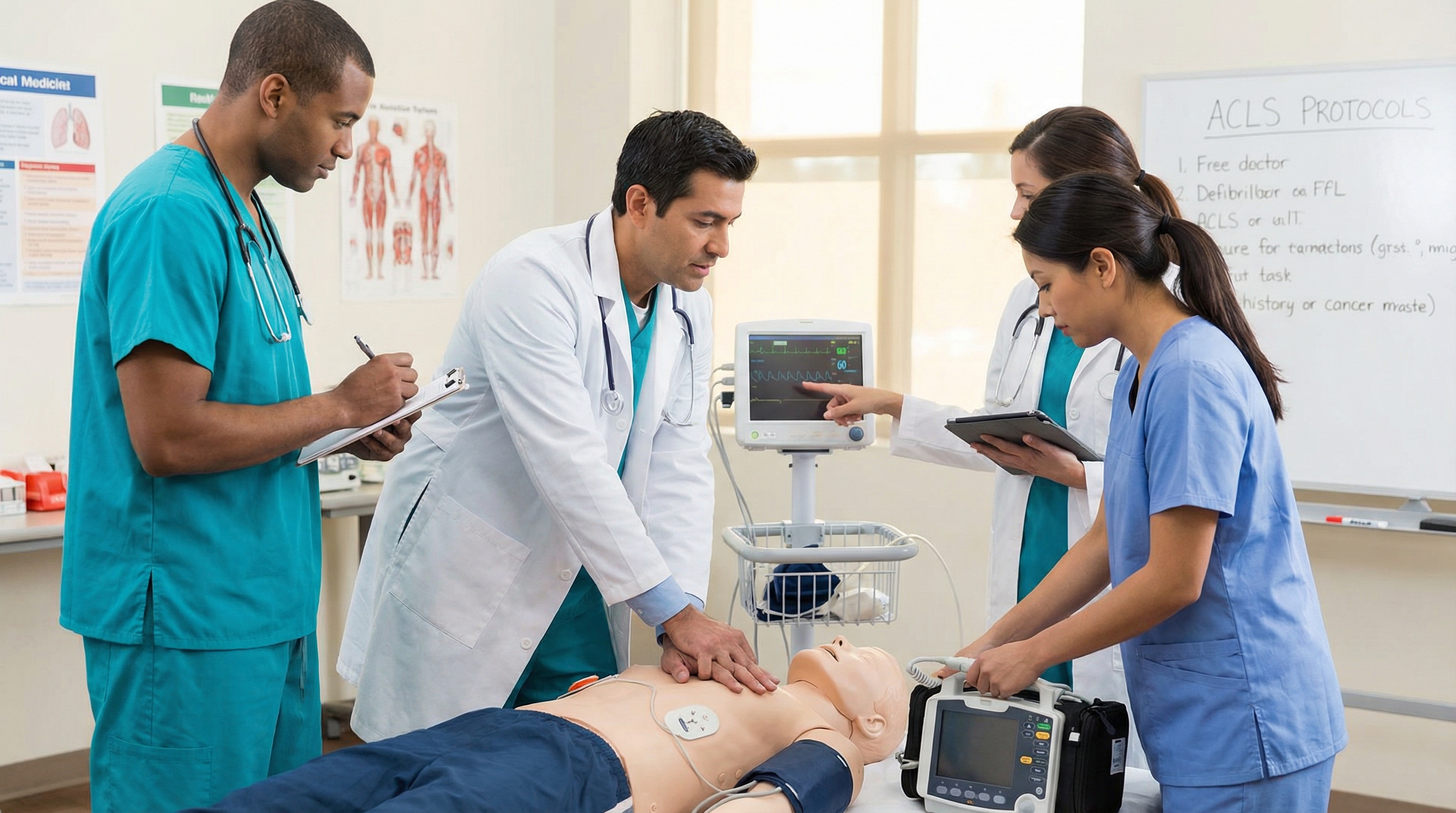
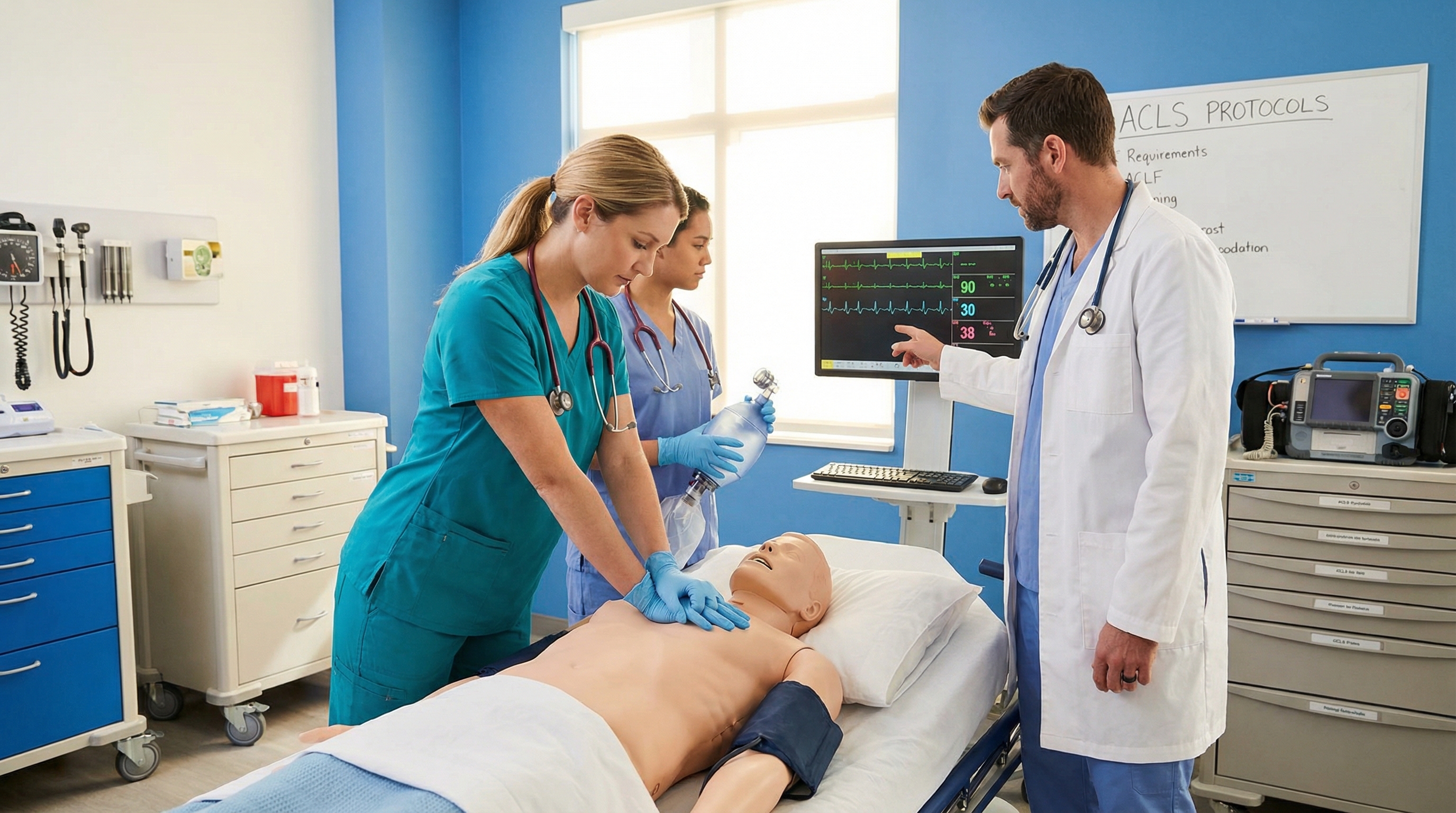
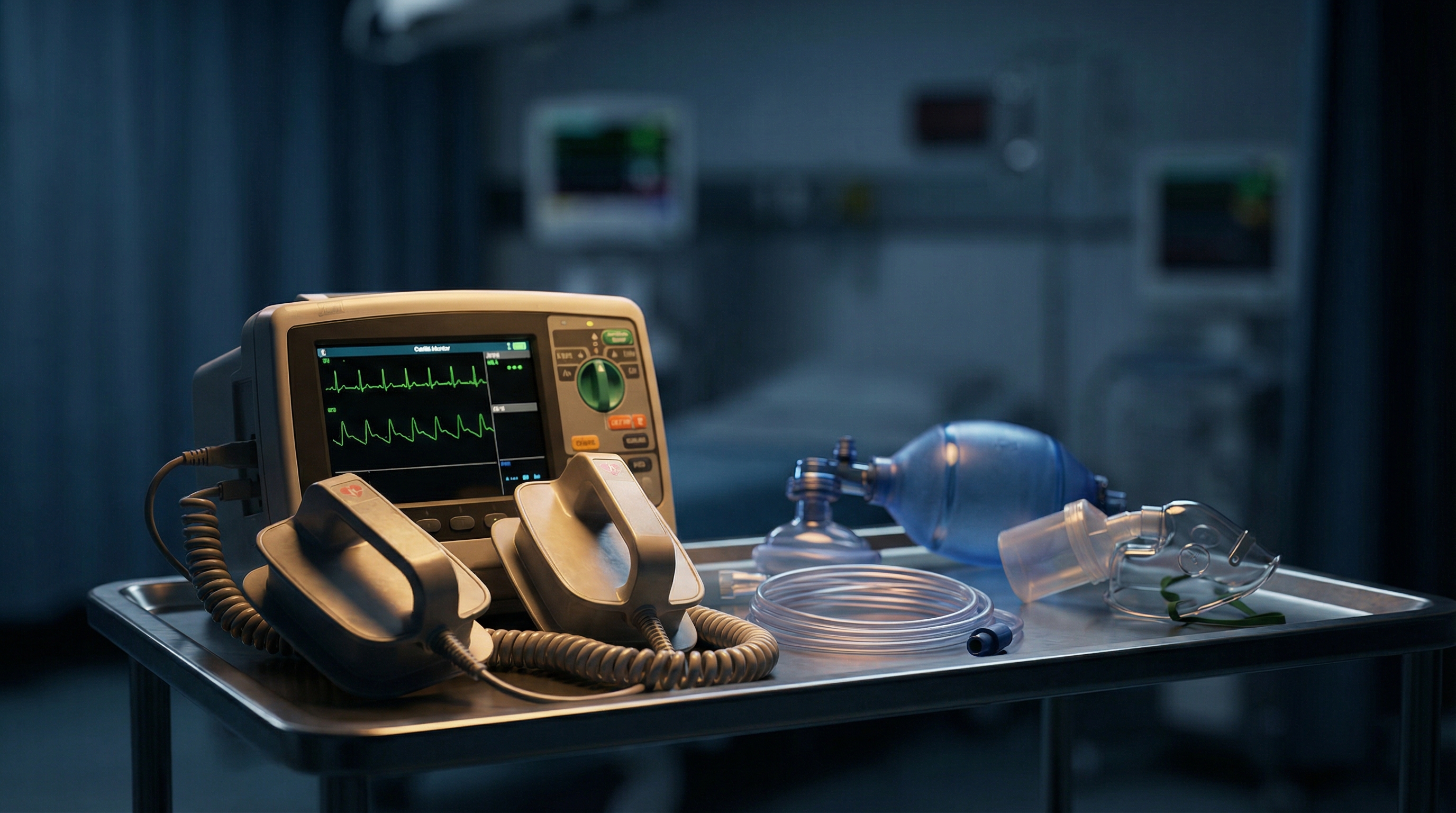
ASC medical team reviewing emergency resuscitation equipment and protocols

Effective emergency preparedness requires more than individual knowledge—it demands coordinated team readiness, functional equipment, and regular practice to maintain skills that may be needed at any moment.

Understanding Cardiac Risk in the Ambulatory Surgery Setting

Perioperative cardiac arrest remains a low-probability, high-impact event in ambulatory surgery. Research examining noncardiac surgical cases found that cardiac arrest occurred in approximately 6 per 10,000 surgical procedures, with the incidence of perioperative cardiac arrest estimated at about 7.4 per 10,000 anesthetics. While these statistics primarily reflect all surgical settings, ambulatory surgery centers typically manage healthier patient populations with fewer comorbidities, suggesting potentially lower baseline risk. However, the expanding scope of procedures performed in ASCs, including more complex cardiac interventions, is changing this landscape dramatically.

Industry projections indicate that by 2025, approximately 33 percent of cardiology procedures will be performed in ambulatory surgery centers, according to market analysis reports. This shift brings patients with underlying cardiovascular disease into outpatient facilities, fundamentally altering the risk profile ASC teams must prepare to manage. The convergence of sicker patients, more invasive procedures, and leaner staffing models creates an environment where ACLS readiness transitions from theoretical preparation to practical necessity.

Beyond procedure-related events, ASCs must prepare for spontaneous cardiac emergencies in waiting areas, pre-operative holding, and recovery units. The stress of surgery, medication interactions, unrecognized cardiac disease, and metabolic disturbances can precipitate life-threatening arrhythmias or arrest in seemingly stable patients. Unlike hospital settings with tiered response systems, ASC staff represent the entire emergency response infrastructure, making individual competence in recognition and intervention absolutely essential. Every team member, from circulating nurses to surgical technicians, must function as a potential first responder in cardiac emergencies.

Regulatory Requirements and Professional Standards for ASC Emergency Preparedness

The Centers for Medicare and Medicaid Services mandate that ambulatory surgical centers establish and maintain comprehensive emergency preparedness programs based on documented facility and community risk assessments using an all-hazards approach. These plans must be reviewed and updated at least every two years, with specific provisions for managing medical emergencies that exceed the facility's capabilities. The American Society of Anesthesiologists standards specifically require that personnel trained in advanced resuscitative techniques be immediately available, establishing ACLS certification as a foundational requirement rather than an optional enhancement.

State licensing boards and accreditation bodies including the Accreditation Association for Ambulatory Health Care and the Joint Commission incorporate emergency response capabilities into their survey processes. Facilities must demonstrate not only that staff possess current ACLS certification but that they can effectively execute resuscitation protocols through regular simulation drills and competency assessments. Documentation of emergency equipment maintenance, medication inventory management, and transfer protocols to higher levels of care forms the administrative backbone of compliance, but individual provider competence represents the clinical core.

Professional liability considerations further reinforce the importance of ACLS preparedness. In the event of an adverse outcome, regulatory agencies and legal reviewers will scrutinize whether staff maintained current certifications, whether emergency equipment was functional and accessible, and whether the response followed established ACLS algorithms. For ASC administrators, ensuring comprehensive team certification represents both a quality initiative and a risk management strategy. The relatively modest investment in online ACLS training delivers substantial protection against the catastrophic costs of unprepared emergency response.

Recognizing Cardiac Emergencies in the Perioperative Environment

Early recognition represents the first critical link in the chain of survival for cardiac emergencies in ambulatory surgery centers. Unlike out-of-hospital cardiac arrest where recognition depends on identifying unconsciousness and absent pulse, ASC cardiac events typically unfold under continuous monitoring, providing opportunities for earlier intervention. Vigilant observation of telemetry, pulse oximetry, capnography, and blood pressure trends allows teams to identify deterioration before complete cardiovascular collapse. Common warning patterns include progressive bradycardia unresponsive to anticholinergic medications, widening QRS complexes suggesting conduction abnormalities, or sudden onset of ventricular ectopy that may herald more malignant rhythms.

The most frequent triggers for emergency team activation in postoperative patients include hypotension, cardiac rhythm disturbances, and pulmonary complications, according to research on postoperative emergencies. In the ASC environment where dedicated emergency response teams do not exist, the circulating nurse, anesthesia provider, or recovery room staff member who first recognizes deterioration must simultaneously initiate treatment and activate the facility's emergency response protocol. This dual responsibility demands both clinical expertise and procedural clarity about roles, resources, and escalation pathways.

Distinguishing between rhythms requiring immediate defibrillation and those requiring other interventions forms a core ACLS competency particularly relevant in monitored ASC settings. Recognition of shockable rhythms including ventricular fibrillation and pulseless ventricular tachycardia enables immediate defibrillation, the intervention most strongly associated with survival. Equally important is recognizing non-shockable rhythms like pulseless electrical activity and asystole, which require focused investigation of reversible causes rather than electrical therapy. The compressed timeframes and limited personnel of ASC emergencies leave no room for diagnostic uncertainty or algorithmic hesitation.

Core ACLS Algorithms Every ASC Team Member Must Know

The foundation of effective ACLS response in ambulatory surgery centers rests on fluent execution of core algorithms that address the most likely cardiac emergencies. The adult cardiac arrest algorithm provides the systematic framework for managing pulseless patients, emphasizing high-quality CPR as the cornerstone intervention while rhythm assessment guides defibrillation decisions and medication administration. In the ASC context where teams are smaller and resources more limited than hospital settings, algorithm adherence prevents cognitive overload and ensures critical interventions occur in proper sequence despite the stress of the emergency.

For shockable rhythms, the algorithm prioritizes immediate defibrillation followed by two minutes of CPR before rhythm reassessment, with epinephrine administration after the second shock and amiodarone consideration after the third shock. This structured approach optimizes the interventions most likely to restore organized cardiac activity while maintaining perfusion through continuous chest compressions. ASC teams must resist the temptation to prematurely check pulses or perform unnecessary rhythm checks, as interruptions in chest compressions directly correlate with decreased survival. The discipline of algorithm adherence becomes particularly challenging in small facilities where the emotional intensity of resuscitating a known patient can disrupt systematic thinking.

Non-shockable rhythms demand a different cognitive framework focused on identifying and treating reversible causes. The systematic evaluation of the Hs and Ts provides a mental checklist for addressing hypovolemia, hypoxia, hydrogen ion excess, hypokalemia, hyperkalemia, hypothermia, tension pneumothorax, tamponade, toxins, and thrombosis. In the surgical setting, hypovolemia from occult bleeding, tension pneumothorax from central line placement, and local anesthetic toxicity represent particularly relevant considerations. ACLS training that incorporates case-based scenarios specific to ambulatory surgical contexts enhances pattern recognition and appropriate cause-directed therapy during actual emergencies.

Managing Symptomatic Bradycardia and Tachycardia in the ASC

Bradycardic emergencies in ambulatory surgery frequently result from excessive vagal stimulation during procedures, medication effects, or underlying conduction system disease unmasked by anesthetic agents. The ACLS bradycardia algorithm guides assessment of hemodynamic stability and directs intervention based on the presence or absence of symptoms and concerning features. Atropine remains the first-line medication for symptomatic bradycardia, administered in 0.5 mg doses every three to five minutes to a maximum of 3 mg, though its effectiveness diminishes in complete heart block where the escape rhythm originates below the level of vagal influence.

When atropine proves ineffective or the patient demonstrates severe symptoms including altered mental status, shock, acute heart failure, or ischemic chest discomfort, ASC teams must be prepared to initiate transcutaneous pacing if available or arrange emergent transfer to a facility with advanced cardiac capabilities. The decision to transfer a hemodynamically unstable patient requires careful consideration of transport risks versus on-site capabilities, emphasizing the importance of established relationships with receiving hospitals and clear transfer protocols. During the interval before transfer, epinephrine or dopamine infusions may provide temporizing hemodynamic support, though preparation and administration of these medications challenges ASC pharmacy and nursing resources not routinely utilized in outpatient settings.

Tachycardic emergencies demand rapid assessment of pulse presence, QRS width, and rhythm regularity to guide appropriate intervention. Narrow complex regular tachycardias often respond to vagal maneuvers or adenosine administration, interventions readily performed in ASC settings with appropriate monitoring. Wide complex tachycardias present greater diagnostic and therapeutic complexity, as distinguishing ventricular tachycardia from supraventricular tachycardia with aberrant conduction carries significant treatment implications. In ambiguous cases, the ACLS algorithm recommends treating wide complex tachycardia as ventricular in origin, utilizing amiodarone for stable patients or synchronized cardioversion for those demonstrating hemodynamic instability. ASC staff must maintain competence in both cardioversion and defibrillation, understanding the critical importance of synchronization mode selection to prevent delivery of shocks during vulnerable periods of the cardiac cycle that could precipitate ventricular fibrillation.

Advanced Airway Management During ASC Resuscitation

Effective airway management during cardiac arrest significantly impacts resuscitation outcomes, yet the optimal approach remains contextual based on provider skills, available equipment, and patient factors. In ambulatory surgery centers staffed by anesthesia providers experienced in advanced airway techniques, early endotracheal intubation may provide superior ventilation and airway protection compared to bag-mask ventilation. However, ACLS guidelines emphasize that airway interventions should not interrupt chest compressions for extended periods, as tissue perfusion depends primarily on continuous compression-generated blood flow rather than ventilation in the early minutes of cardiac arrest.

The recommended approach prioritizes high-quality CPR with bag-mask ventilation initially, deferring intubation until adequate personnel arrive to perform the procedure without interrupting compressions or after return of spontaneous circulation appears imminent. Supraglottic airway devices including laryngeal mask airways offer a middle option providing better ventilation than bag-mask technique while requiring less skill and time than endotracheal intubation. ASC facilities should stock appropriately sized supraglottic devices and ensure staff competence in their insertion, as these devices may represent the optimal airway management strategy when anesthesia providers are simultaneously managing other aspects of the resuscitation.

Once an advanced airway is established, ventilation strategy shifts from synchronized with compressions to continuous, with providers delivering one breath every six seconds while compressions continue uninterrupted at a rate of 100 to 120 per minute. This transition requires clear communication and role designation to prevent hyperventilation, which increases intrathoracic pressure, decreases venous return, and ultimately diminishes cardiac output during CPR. Capnography becomes invaluable for confirming tube placement, monitoring ventilation adequacy, and potentially prognosticating resuscitation likelihood, as persistently low end-tidal CO2 values suggest inadequate perfusion despite ongoing resuscitative efforts. ASC emergency equipment must include reliable capnography capabilities integrated into the resuscitation workflow.

Critical Medications for Cardiac Emergencies in Ambulatory Settings

The ACLS medication armamentarium focuses on a relatively compact list of essential drugs that every ASC must stock in immediately accessible locations with clear protocols for preparation and administration. Epinephrine represents the cornerstone vasopressor for cardiac arrest, administered intravenously at 1 mg every three to five minutes during resuscitation of both shockable and non-shockable rhythms. While definitive evidence of improved long-term neurologically intact survival remains elusive, epinephrine's alpha-adrenergic effects increase coronary and cerebral perfusion pressures during CPR, potentially improving return of spontaneous circulation rates. ASC medication storage must protect epinephrine from light exposure and temperature extremes while ensuring rapid accessibility, typically achieved through crash cart placement with regular expiration date monitoring.

Amiodarone serves as the preferred antiarrhythmic for ventricular fibrillation and pulseless ventricular tachycardia unresponsive to defibrillation and epinephrine, administered as a 300 mg IV bolus with a second 150 mg dose available for refractory arrhythmias. The medication's complex pharmacology produces multiple cardiac effects including sodium, potassium, and calcium channel blockade along with non-competitive beta-receptor antagonism. While amiodarone improves short-term survival to hospital admission, evidence for enhanced long-term outcomes remains less definitive. ASC facilities must stock appropriate doses in ready-to-administer forms, as the time required to calculate doses, draw up medications, and establish infusions during resuscitation creates opportunities for errors and delays.

Additional ACLS medications including atropine for bradycardia, adenosine for narrow complex tachycardias, and calcium for hyperkalemia or calcium channel blocker toxicity should be immediately available with clear labeling and standardized concentrations. Many ASCs utilize pre-filled syringes or commercial code cart systems that organize medications by algorithm and provide dosing references directly on packaging. These systems reduce cognitive load during emergencies when providers must simultaneously manage multiple tasks while experiencing significant stress. Regular medication inventory checks, staff education on preparation techniques, and simulation exercises incorporating actual medication administration reinforce the procedural knowledge needed for flawless execution during actual emergencies. The modest cost of comprehensive medication stocking pales compared to the potential consequences of delayed or incorrect drug therapy during cardiac arrest.

High-Quality CPR: The Foundation of Successful Resuscitation

Regardless of rhythm, medications, or advanced interventions, high-quality chest compressions represent the single most important determinant of cardiac arrest survival. ACLS guidelines specify compression depth of at least two inches but not exceeding 2.4 inches in adults, delivered at a rate between 100 and 120 compressions per minute with complete chest recoil between compressions and minimal interruptions. These parameters reflect physiologic principles: adequate depth and rate generate sufficient intrathoracic pressure changes to produce blood flow, complete recoil allows ventricular filling, and compression continuity maintains the coronary perfusion pressure needed for return of spontaneous circulation.

In ambulatory surgery centers where staff may perform CPR infrequently, maintaining technique quality over extended resuscitations challenges even motivated providers. Compressor fatigue degrades performance within two minutes despite providers' perceptions of continued effectiveness, necessitating planned rotation schedules that swap compressors approximately every two minutes, ideally coordinating changes with rhythm checks to minimize interruption duration. Real-time feedback devices that measure compression depth, rate, and recoil provide objective performance data and significantly improve CPR quality, representing valuable additions to ASC emergency equipment. These devices transform CPR from a subjective skill to a measurable competency, enabling both immediate correction during resuscitations and targeted training for providers demonstrating persistent deficiencies.
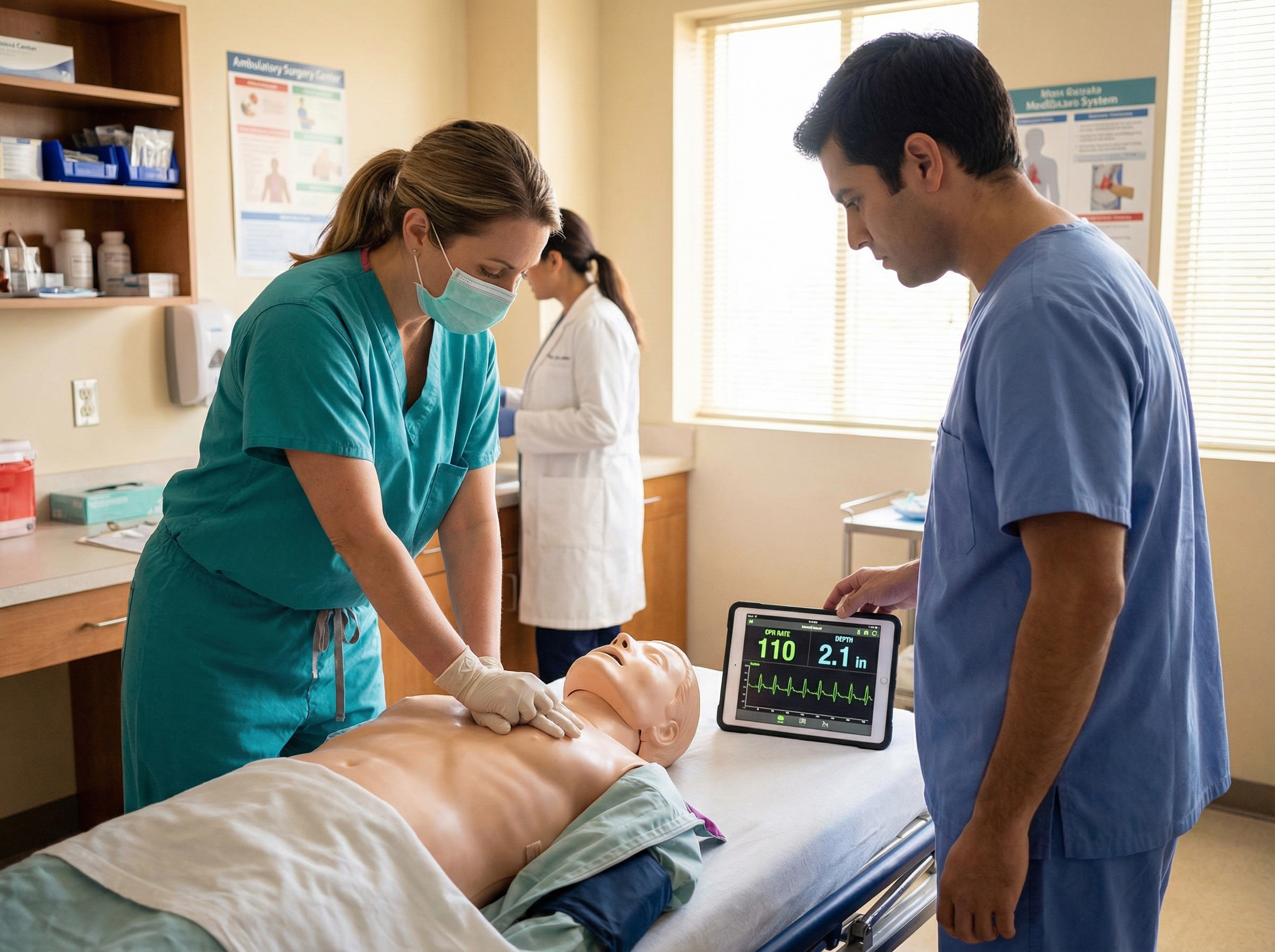
Medical provider practicing CPR technique with real-time feedback device on training mannequin

The ratio of compressions to ventilations depends on whether an advanced airway is in place, with a 30:2 ratio recommended for two-rescuer CPR with basic airways and continuous compressions with asynchronous ventilations following advanced airway placement. In ASC settings where anesthesia providers and surgical team members work together regularly, pre-assigned roles during emergencies optimize performance by eliminating the confusion about responsibilities that often plagues early resuscitation efforts. Designating specific individuals for compressions, airway management, medication preparation, defibrillator operation, and documentation before emergencies occur allows teams to initiate coordinated responses immediately. Regular simulation drills reinforce these assignments and identify gaps in equipment, knowledge, or communication that can be addressed through focused improvements before actual patient emergencies test the system.

Defibrillation and Cardioversion in the Ambulatory Surgery Center

Early defibrillation represents the definitive treatment for ventricular fibrillation and pulseless ventricular tachycardia, the rhythms most amenable to successful resuscitation when shocked promptly. Every minute of delay between cardiac arrest onset and defibrillation decreases survival probability by approximately seven to ten percent in the absence of CPR, emphasizing the critical importance of immediately accessible and functional defibrillators in ASC settings. Modern automated external defibrillators simplify operation through voice prompts and automatic rhythm analysis, allowing even providers without extensive cardiac training to deliver potentially life-saving therapy. However, ACLS-trained personnel should utilize manual defibrillators when available, as these devices permit more rapid shock delivery without the delays inherent in automated rhythm analysis.

Proper pad placement optimizes current flow through myocardial tissue, with standard positioning locating one pad to the right of the upper sternum below the clavicle and the second pad lateral to the left nipple with the pad center in the mid-axillary line. Alternative anteroposterior placement may provide superior defibrillation in some patients, particularly those with implanted devices or anatomical variations that complicate standard pad positioning. ASC staff must verify that defibrillator pads maintain adequate adhesive properties and that batteries carry sufficient charge to deliver multiple shocks, as equipment failures during actual emergencies can prove fatal. Monthly checks of defibrillator function, pad expiration dates, and battery status should be documented with immediate replacement of any deficient components.

Synchronized cardioversion differs fundamentally from defibrillation in both indication and technique, used for unstable tachycardias where organized electrical activity persists but produces inadequate cardiac output. The synchronization function delays shock delivery until the device detects an R wave, preventing discharge during the relative refractory period when shocks can precipitate ventricular fibrillation. Initial cardioversion energy varies by rhythm, with 50 to 100 joules appropriate for narrow complex regular tachycardias, 120 to 200 joules for atrial fibrillation, and higher energies for wide complex tachycardias. Conscious patients require procedural sedation before cardioversion, adding complexity to ASC emergency management and potentially delaying definitive therapy. Pre-established protocols for emergency sedation including medication selection, dosing, and monitoring requirements enable teams to balance the competing priorities of patient comfort and expedited treatment.

Effective Team Dynamics and Communication During ASC Emergencies

The transition from routine surgical care to emergency resuscitation demands rapid reorganization of team structure, role assignments, and communication patterns. Effective ACLS teams require clear leadership with a designated team leader who maintains situational awareness, coordinates interventions, and makes treatment decisions while avoiding direct participation in procedural tasks that would compromise their oversight function. In ambulatory surgery centers where the anesthesia provider often possesses the most extensive resuscitation training, they frequently assume team leadership, though this role might alternatively fall to the surgeon, charge nurse, or other designated individual based on facility protocols and individual expertise.

Closed-loop communication represents a fundamental team performance principle that prevents the errors and omissions common during high-stress situations. This technique requires that when the leader requests an intervention, the assigned team member verbally confirms the request, announces when the task is initiated, and reports completion along with results. For example, the sequence might be: Leader states 'Give one milligram of epinephrine IV,' assigned nurse responds 'One milligram epinephrine IV understood,' followed moments later by 'One milligram epinephrine given IV at 10:23.' This structured communication creates a shared mental model of the resuscitation timeline, prevents duplicate or missed interventions, and enables the leader to track progress without direct observation of every action.

Constructive intervention, sometimes called advocacy and assertion, empowers team members to challenge decisions or actions they believe incorrect without undermining leadership or creating conflict. This safety culture proves particularly important in healthcare hierarchies where nurses or technicians may hesitate to question physician decisions despite recognizing errors. Training teams to use standardized phrases like 'I'm concerned about...' or 'I need clarification about...' legitimizes speaking up while maintaining respectful professional relationships. For new code team members, understanding that experienced practitioners welcome appropriate questions and value diverse perspectives reduces the intimidation that often silences valuable input during emergencies. Regular simulation training provides safe opportunities to practice these communication skills before they are needed in actual patient care situations where the stakes are highest.

Special Considerations for Cardiac Emergencies in Ambulatory Surgery

Local anesthetic systemic toxicity represents a cardiac emergency relatively unique to surgical and procedural settings, occurring when inadvertent intravascular injection or excessive dosing of local anesthetics produces cardiovascular collapse. Early neurologic symptoms including perioral numbness, tinnitus, and agitation may progress rapidly to seizures and cardiac arrest characterized by profound hypotension, arrhythmias, and resistance to standard ACLS interventions. Recognition of this toxicity pattern should trigger immediate administration of lipid emulsion therapy, which effectively sequesters lipophilic local anesthetic molecules away from cardiac tissue, often producing dramatic hemodynamic improvement even in patients refractory to conventional resuscitation.

ASC facilities performing regional anesthesia or significant local infiltration should stock appropriate lipid emulsion rescue doses with clear protocols for preparation and administration. The treatment consists of an initial 20 percent lipid emulsion bolus of 1.5 mL per kilogram over one minute, followed by an infusion of 0.25 mL per kilogram per minute, with repeat boluses and increased infusion rates for persistent cardiovascular collapse. Because lipid emulsion therapy represents a specialized intervention unfamiliar to many providers, educational efforts must ensure that all staff understand indications, dosing, and administration techniques. Mock drills simulating local anesthetic toxicity scenarios reinforce the cognitive pattern recognition and procedural skills needed for effective response while identifying logistical challenges in medication preparation and delivery that can be addressed prospectively.

Perioperative myocardial infarction, though less common in the healthy ASC population, may occur in patients with unrecognized coronary disease or those undergoing higher-risk vascular or orthopedic procedures. Presentations may be atypical in anesthetized or sedated patients, with ST-segment changes on monitoring providing the primary diagnostic clue. Management requires balancing the bleeding risks of antiplatelet and anticoagulation therapies against the ischemic risks of delayed treatment, often necessitating consultation with cardiology and emergent transfer to facilities capable of cardiac catheterization. ASC protocols should specify thresholds for transfer, communication pathways to receiving facilities, and interim management strategies including supplemental oxygen, aspirin administration if not contraindicated, and nitrate therapy for ongoing chest discomfort in appropriate patients. These complex clinical scenarios underscore the importance of comprehensive pre-operative cardiac risk assessment to identify patients better served by hospital-based surgical care where advanced cardiac resources are immediately available.

Post-Cardiac Arrest Care and Transfer Protocols

Successful return of spontaneous circulation marks a transition point rather than the conclusion of cardiac emergency management, as the immediate post-arrest period requires intensive monitoring and intervention to optimize neurologic outcomes and prevent re-arrest. ACLS guidelines emphasize targeted temperature management, avoidance of hypotension through fluid resuscitation and vasopressor support as needed, oxygenation and ventilation optimization, and consideration of coronary angiography for patients with ST-elevation myocardial infarction or suspected cardiac etiology of arrest. These complex interventions exceed the capabilities and resources of ambulatory surgery centers, making rapid transfer to hospitals with intensive care and interventional cardiology capabilities essential for post-arrest patients.

Transfer preparation should begin during resuscitation rather than after return of spontaneous circulation, with designated staff notifying receiving hospitals, arranging transport, and preparing accompanying medical information including pre-arrest status, arrest rhythm and duration, interventions performed, and current clinical status. Advanced life support equipped ambulances provide the appropriate transfer environment, with consideration of air medical transport for facilities in rural areas distant from tertiary care hospitals. ASC staff should anticipate continuing intensive support throughout the transfer process, maintaining airway management, vasopressor infusions, and continuous monitoring until care is transferred to transport team personnel.

Documentation during and after cardiac emergencies serves multiple critical functions including clinical continuity, quality improvement, regulatory compliance, and legal protection. Real-time recording of interventions, medication doses, rhythm changes, and time points creates an accurate record that supports receiving hospital care while providing data for retrospective analysis of resuscitation performance. Many facilities utilize standardized code documentation forms or electronic systems that prompt recording of essential data elements and facilitate post-event review. The emotional intensity and time pressure of resuscitations often compromise documentation quality, reinforcing the importance of designating a specific team member for this role during emergencies. Post-event debriefing sessions reviewing both clinical outcomes and team performance contribute to organizational learning and continuous improvement in emergency preparedness, transforming each cardiac event into an educational opportunity that enhances future response effectiveness.

Simulation-Based Training and Competency Maintenance

The rarity of cardiac arrests in ambulatory surgery centers creates a fundamental challenge: how can staff maintain proficiency in skills they rarely perform clinically. Simulation-based education provides the answer, offering realistic practice opportunities in controlled environments where mistakes become learning experiences rather than patient harm. Research on emergency preparedness in ambulatory settings demonstrates that regular simulation-based training schedules effectively prepare teams for emergency response despite resource limitations compared to hospital-based programs.

Effective simulation programs for ASCs should incorporate high-fidelity scenarios replicating the specific clinical and environmental context of the facility, utilizing actual equipment, documentation systems, and physical spaces where real emergencies would occur. Scenarios might include ventricular fibrillation during induction, progressive bradycardia in the recovery unit, or pulseless electrical activity following surgical complications, with confederates playing patient family members or calling physicians adding authentic communication challenges. Debriefing following scenarios represents the most educationally valuable component, providing structured reflection on performance with specific, actionable feedback addressing both technical skills and team dynamics. These discussions create psychologically safe environments where participants can acknowledge uncertainties, discuss alternative approaches, and build collective competence.

Competency assessment through simulation enables ASC leaders to identify both individual and system-level performance gaps requiring remediation. Providers demonstrating deficient CPR technique can receive focused coaching and practice, while patterns of communication breakdown or equipment access delays point toward needed process improvements. Frequency recommendations vary, with quarterly simulations representing a reasonable minimum that balances educational benefit against operational disruption and cost. Integrating ACLS simulation into existing staff meeting schedules or conducting brief scenario drills during slower clinical periods helps maintain engagement without requiring extensive dedicated training time. The investment in regular simulation training delivers returns through enhanced preparedness, improved team cohesion, and the confidence that comes from knowing that when seconds count during an actual emergency, the team will perform at the level patients deserve and regulations require.

Leveraging Online ACLS Certification for ASC Staff Development

Maintaining current ACLS certification for entire ASC teams presents logistical and financial challenges that often strain operational budgets and staffing flexibility. Traditional classroom-based courses require staff to travel to training sites during work hours, creating scheduling conflicts that compromise both educational participation and clinical coverage. The associated costs including registration fees, travel expenses, and lost productivity multiply across entire departments, potentially consuming substantial portions of professional development budgets. Online ACLS certification platforms offer compelling alternatives that address these challenges while delivering guideline-compliant content developed by practicing emergency physicians.

Self-paced online courses allow ASC staff to complete certification requirements during personally convenient times without disrupting facility operations or requiring coverage arrangements for absent personnel. The flexibility proves particularly valuable for part-time staff, per diem employees, and night shift workers who often struggle to attend scheduled classes. Immediate certification upon course completion eliminates the delays associated with waiting for physical cards to arrive, ensuring continuous compliance even for providers whose certifications expire between scheduled renewal dates. The cost advantages of online platforms, typically ranging from 49 to 99 dollars compared to 200 to 400 dollars for traditional courses, enable facilities to maintain team-wide certification while reallocating saved resources toward simulation equipment, emergency supplies, or other quality initiatives.

Concerns about online certification acceptance and clinical preparation quality have diminished as employer recognition has become widespread and course content has evolved to incorporate interactive elements, video demonstrations, and comprehensive testing. Platforms like Affordable ACLS base their curricula on current American Heart Association and International Liaison Committee on Resuscitation guidelines, ensuring that online-trained providers learn the same algorithms, medications, and techniques as classroom participants. The unlimited retake policies offered by quality online providers actually enhance learning by removing test anxiety and allowing providers to study challenging concepts until mastery is achieved rather than accepting minimally passing scores. For ASC administrators seeking to optimize emergency preparedness within budget constraints, online ACLS certification represents an evidence-based solution that maintains regulatory compliance, enhances staff competence, and demonstrates commitment to patient safety without the operational disruptions and excessive costs of traditional training models.

Preparing for Excellence: Building a Culture of Cardiac Emergency Readiness

The statistical improbability of cardiac arrest in ambulatory surgery centers can breed complacency, yet the potential consequences of unprepared response demand unwavering vigilance and continuous competency development. Every patient who entrusts their care to an ASC facility deserves the assurance that should the unthinkable occur, the team surrounding them possesses not only the technical equipment but the knowledge, skills, and coordinated teamwork to provide the same quality of emergency care available in fully-resourced hospital settings. This assurance requires intentional investment in certification, training, equipment, protocols, and the cultural commitment that emergency preparedness represents a core organizational value rather than a regulatory checkbox.

ACLS certification forms the foundation of this preparedness, providing the algorithmic framework and clinical knowledge that transforms panic into purposeful action during cardiac emergencies. Whether obtained through traditional classroom courses or convenient online platforms, current certification signals to regulators, patients, and colleagues that providers maintain contemporary competence in life support interventions. However, certification alone proves insufficient without the complementary elements of regular simulation practice, functional emergency equipment, clear role assignments, and the psychological safety that empowers every team member to contribute maximally during crises. These elements combine synergistically to create resilient systems capable of managing rare but critical events with the proficiency that saves lives.

As ambulatory surgery continues expanding its scope and complexity, the imperative for comprehensive ACLS readiness will only intensify. Facilities and individual providers who embrace this reality proactively rather than reactively position themselves not merely for regulatory compliance but for clinical excellence. The peace of mind that comes from knowing your team is prepared, your equipment is functional, and your protocols are proven creates an intangible but invaluable benefit that enhances both job satisfaction and patient confidence. In the final analysis, ACLS preparation for ambulatory surgery center staff represents an investment in the possibility we hope never materializes but must always be ready to manage perfectly because when seconds determine survival, there are no second chances to get it right.

ACLS Blogs

ACLS Essentials for Ambulatory Surgery Center Staff: Preparing for Rare but Critical Cardiac Events

Ambulatory surgery centers have transformed modern healthcare delivery, offering patients convenient, cost-effective surgical care in comfortable outpatient settings. As more complex procedures migrate from hospital operating rooms to ASC facilities, staff face an evolving reality: while cardiac emergencies remain statistically rare in these settings, the consequences of inadequate preparedness can be catastrophic.

Why ACLS Preparedness Matters in Ambulatory Surgery Centers

Ambulatory surgery centers have transformed modern healthcare delivery, offering patients convenient, cost-effective surgical care in comfortable outpatient settings. As more complex procedures migrate from hospital operating rooms to ASC facilities, staff face an evolving reality: while cardiac emergencies remain statistically rare in these settings, the consequences of inadequate preparedness can be catastrophic. According to research on emergency preparedness in ambulatory surgery centers, these facilities typically operate without rapid response teams or code teams on site, making every team member's ACLS knowledge critical during the crucial minutes of a cardiac emergency.

The unique challenges of ambulatory settings demand that surgical teams maintain advanced cardiovascular life support competencies despite infrequent opportunities to apply them clinically. Unlike hospital-based colleagues who may participate in code situations regularly, ASC staff might experience a cardiac arrest only once every few years. This infrequency creates a paradox: the skills are rarely needed but must be immediately accessible and flawlessly executed when seconds determine survival. For ASC professionals, ACLS certification represents not just a credential requirement but a professional insurance policy that protects both patients and care teams.

The American Society of Anesthesiologists explicitly requires that personnel with training in advanced resuscitative techniques, including ACLS, be immediately available in ambulatory surgical facilities until all patients are discharged home. This regulatory expectation reflects the clinical reality that cardiac emergencies, though uncommon, can occur during any phase of surgical care, from induction through recovery. Understanding the epidemiology, recognition patterns, and algorithmic responses to cardiac events in the ASC environment empowers staff to transform potential tragedies into survival stories.

ASC medical team reviewing emergency resuscitation equipment and protocols

Effective emergency preparedness requires more than individual knowledge—it demands coordinated team readiness, functional equipment, and regular practice to maintain skills that may be needed at any moment.

Understanding Cardiac Risk in the Ambulatory Surgery Setting

Perioperative cardiac arrest remains a low-probability, high-impact event in ambulatory surgery. Research examining noncardiac surgical cases found that cardiac arrest occurred in approximately 6 per 10,000 surgical procedures, with the incidence of perioperative cardiac arrest estimated at about 7.4 per 10,000 anesthetics. While these statistics primarily reflect all surgical settings, ambulatory surgery centers typically manage healthier patient populations with fewer comorbidities, suggesting potentially lower baseline risk. However, the expanding scope of procedures performed in ASCs, including more complex cardiac interventions, is changing this landscape dramatically.

Industry projections indicate that by 2025, approximately 33 percent of cardiology procedures will be performed in ambulatory surgery centers, according to market analysis reports. This shift brings patients with underlying cardiovascular disease into outpatient facilities, fundamentally altering the risk profile ASC teams must prepare to manage. The convergence of sicker patients, more invasive procedures, and leaner staffing models creates an environment where ACLS readiness transitions from theoretical preparation to practical necessity.

Beyond procedure-related events, ASCs must prepare for spontaneous cardiac emergencies in waiting areas, pre-operative holding, and recovery units. The stress of surgery, medication interactions, unrecognized cardiac disease, and metabolic disturbances can precipitate life-threatening arrhythmias or arrest in seemingly stable patients. Unlike hospital settings with tiered response systems, ASC staff represent the entire emergency response infrastructure, making individual competence in recognition and intervention absolutely essential. Every team member, from circulating nurses to surgical technicians, must function as a potential first responder in cardiac emergencies.

Regulatory Requirements and Professional Standards for ASC Emergency Preparedness

The Centers for Medicare and Medicaid Services mandate that ambulatory surgical centers establish and maintain comprehensive emergency preparedness programs based on documented facility and community risk assessments using an all-hazards approach. These plans must be reviewed and updated at least every two years, with specific provisions for managing medical emergencies that exceed the facility's capabilities. The American Society of Anesthesiologists standards specifically require that personnel trained in advanced resuscitative techniques be immediately available, establishing ACLS certification as a foundational requirement rather than an optional enhancement.

State licensing boards and accreditation bodies including the Accreditation Association for Ambulatory Health Care and the Joint Commission incorporate emergency response capabilities into their survey processes. Facilities must demonstrate not only that staff possess current ACLS certification but that they can effectively execute resuscitation protocols through regular simulation drills and competency assessments. Documentation of emergency equipment maintenance, medication inventory management, and transfer protocols to higher levels of care forms the administrative backbone of compliance, but individual provider competence represents the clinical core.

Professional liability considerations further reinforce the importance of ACLS preparedness. In the event of an adverse outcome, regulatory agencies and legal reviewers will scrutinize whether staff maintained current certifications, whether emergency equipment was functional and accessible, and whether the response followed established ACLS algorithms. For ASC administrators, ensuring comprehensive team certification represents both a quality initiative and a risk management strategy. The relatively modest investment in online ACLS training delivers substantial protection against the catastrophic costs of unprepared emergency response.

Recognizing Cardiac Emergencies in the Perioperative Environment

Early recognition represents the first critical link in the chain of survival for cardiac emergencies in ambulatory surgery centers. Unlike out-of-hospital cardiac arrest where recognition depends on identifying unconsciousness and absent pulse, ASC cardiac events typically unfold under continuous monitoring, providing opportunities for earlier intervention. Vigilant observation of telemetry, pulse oximetry, capnography, and blood pressure trends allows teams to identify deterioration before complete cardiovascular collapse. Common warning patterns include progressive bradycardia unresponsive to anticholinergic medications, widening QRS complexes suggesting conduction abnormalities, or sudden onset of ventricular ectopy that may herald more malignant rhythms.

The most frequent triggers for emergency team activation in postoperative patients include hypotension, cardiac rhythm disturbances, and pulmonary complications, according to research on postoperative emergencies. In the ASC environment where dedicated emergency response teams do not exist, the circulating nurse, anesthesia provider, or recovery room staff member who first recognizes deterioration must simultaneously initiate treatment and activate the facility's emergency response protocol. This dual responsibility demands both clinical expertise and procedural clarity about roles, resources, and escalation pathways.

Distinguishing between rhythms requiring immediate defibrillation and those requiring other interventions forms a core ACLS competency particularly relevant in monitored ASC settings. Recognition of shockable rhythms including ventricular fibrillation and pulseless ventricular tachycardia enables immediate defibrillation, the intervention most strongly associated with survival. Equally important is recognizing non-shockable rhythms like pulseless electrical activity and asystole, which require focused investigation of reversible causes rather than electrical therapy. The compressed timeframes and limited personnel of ASC emergencies leave no room for diagnostic uncertainty or algorithmic hesitation.

Core ACLS Algorithms Every ASC Team Member Must Know

The foundation of effective ACLS response in ambulatory surgery centers rests on fluent execution of core algorithms that address the most likely cardiac emergencies. The adult cardiac arrest algorithm provides the systematic framework for managing pulseless patients, emphasizing high-quality CPR as the cornerstone intervention while rhythm assessment guides defibrillation decisions and medication administration. In the ASC context where teams are smaller and resources more limited than hospital settings, algorithm adherence prevents cognitive overload and ensures critical interventions occur in proper sequence despite the stress of the emergency.

For shockable rhythms, the algorithm prioritizes immediate defibrillation followed by two minutes of CPR before rhythm reassessment, with epinephrine administration after the second shock and amiodarone consideration after the third shock. This structured approach optimizes the interventions most likely to restore organized cardiac activity while maintaining perfusion through continuous chest compressions. ASC teams must resist the temptation to prematurely check pulses or perform unnecessary rhythm checks, as interruptions in chest compressions directly correlate with decreased survival. The discipline of algorithm adherence becomes particularly challenging in small facilities where the emotional intensity of resuscitating a known patient can disrupt systematic thinking.

Non-shockable rhythms demand a different cognitive framework focused on identifying and treating reversible causes. The systematic evaluation of the Hs and Ts provides a mental checklist for addressing hypovolemia, hypoxia, hydrogen ion excess, hypokalemia, hyperkalemia, hypothermia, tension pneumothorax, tamponade, toxins, and thrombosis. In the surgical setting, hypovolemia from occult bleeding, tension pneumothorax from central line placement, and local anesthetic toxicity represent particularly relevant considerations. ACLS training that incorporates case-based scenarios specific to ambulatory surgical contexts enhances pattern recognition and appropriate cause-directed therapy during actual emergencies.

Managing Symptomatic Bradycardia and Tachycardia in the ASC

Bradycardic emergencies in ambulatory surgery frequently result from excessive vagal stimulation during procedures, medication effects, or underlying conduction system disease unmasked by anesthetic agents. The ACLS bradycardia algorithm guides assessment of hemodynamic stability and directs intervention based on the presence or absence of symptoms and concerning features. Atropine remains the first-line medication for symptomatic bradycardia, administered in 0.5 mg doses every three to five minutes to a maximum of 3 mg, though its effectiveness diminishes in complete heart block where the escape rhythm originates below the level of vagal influence.

When atropine proves ineffective or the patient demonstrates severe symptoms including altered mental status, shock, acute heart failure, or ischemic chest discomfort, ASC teams must be prepared to initiate transcutaneous pacing if available or arrange emergent transfer to a facility with advanced cardiac capabilities. The decision to transfer a hemodynamically unstable patient requires careful consideration of transport risks versus on-site capabilities, emphasizing the importance of established relationships with receiving hospitals and clear transfer protocols. During the interval before transfer, epinephrine or dopamine infusions may provide temporizing hemodynamic support, though preparation and administration of these medications challenges ASC pharmacy and nursing resources not routinely utilized in outpatient settings.

Tachycardic emergencies demand rapid assessment of pulse presence, QRS width, and rhythm regularity to guide appropriate intervention. Narrow complex regular tachycardias often respond to vagal maneuvers or adenosine administration, interventions readily performed in ASC settings with appropriate monitoring. Wide complex tachycardias present greater diagnostic and therapeutic complexity, as distinguishing ventricular tachycardia from supraventricular tachycardia with aberrant conduction carries significant treatment implications. In ambiguous cases, the ACLS algorithm recommends treating wide complex tachycardia as ventricular in origin, utilizing amiodarone for stable patients or synchronized cardioversion for those demonstrating hemodynamic instability. ASC staff must maintain competence in both cardioversion and defibrillation, understanding the critical importance of synchronization mode selection to prevent delivery of shocks during vulnerable periods of the cardiac cycle that could precipitate ventricular fibrillation.

Advanced Airway Management During ASC Resuscitation

Effective airway management during cardiac arrest significantly impacts resuscitation outcomes, yet the optimal approach remains contextual based on provider skills, available equipment, and patient factors. In ambulatory surgery centers staffed by anesthesia providers experienced in advanced airway techniques, early endotracheal intubation may provide superior ventilation and airway protection compared to bag-mask ventilation. However, ACLS guidelines emphasize that airway interventions should not interrupt chest compressions for extended periods, as tissue perfusion depends primarily on continuous compression-generated blood flow rather than ventilation in the early minutes of cardiac arrest.

The recommended approach prioritizes high-quality CPR with bag-mask ventilation initially, deferring intubation until adequate personnel arrive to perform the procedure without interrupting compressions or after return of spontaneous circulation appears imminent. Supraglottic airway devices including laryngeal mask airways offer a middle option providing better ventilation than bag-mask technique while requiring less skill and time than endotracheal intubation. ASC facilities should stock appropriately sized supraglottic devices and ensure staff competence in their insertion, as these devices may represent the optimal airway management strategy when anesthesia providers are simultaneously managing other aspects of the resuscitation.

Once an advanced airway is established, ventilation strategy shifts from synchronized with compressions to continuous, with providers delivering one breath every six seconds while compressions continue uninterrupted at a rate of 100 to 120 per minute. This transition requires clear communication and role designation to prevent hyperventilation, which increases intrathoracic pressure, decreases venous return, and ultimately diminishes cardiac output during CPR. Capnography becomes invaluable for confirming tube placement, monitoring ventilation adequacy, and potentially prognosticating resuscitation likelihood, as persistently low end-tidal CO2 values suggest inadequate perfusion despite ongoing resuscitative efforts. ASC emergency equipment must include reliable capnography capabilities integrated into the resuscitation workflow.

Critical Medications for Cardiac Emergencies in Ambulatory Settings

The ACLS medication armamentarium focuses on a relatively compact list of essential drugs that every ASC must stock in immediately accessible locations with clear protocols for preparation and administration. Epinephrine represents the cornerstone vasopressor for cardiac arrest, administered intravenously at 1 mg every three to five minutes during resuscitation of both shockable and non-shockable rhythms. While definitive evidence of improved long-term neurologically intact survival remains elusive, epinephrine's alpha-adrenergic effects increase coronary and cerebral perfusion pressures during CPR, potentially improving return of spontaneous circulation rates. ASC medication storage must protect epinephrine from light exposure and temperature extremes while ensuring rapid accessibility, typically achieved through crash cart placement with regular expiration date monitoring.

Amiodarone serves as the preferred antiarrhythmic for ventricular fibrillation and pulseless ventricular tachycardia unresponsive to defibrillation and epinephrine, administered as a 300 mg IV bolus with a second 150 mg dose available for refractory arrhythmias. The medication's complex pharmacology produces multiple cardiac effects including sodium, potassium, and calcium channel blockade along with non-competitive beta-receptor antagonism. While amiodarone improves short-term survival to hospital admission, evidence for enhanced long-term outcomes remains less definitive. ASC facilities must stock appropriate doses in ready-to-administer forms, as the time required to calculate doses, draw up medications, and establish infusions during resuscitation creates opportunities for errors and delays.

Additional ACLS medications including atropine for bradycardia, adenosine for narrow complex tachycardias, and calcium for hyperkalemia or calcium channel blocker toxicity should be immediately available with clear labeling and standardized concentrations. Many ASCs utilize pre-filled syringes or commercial code cart systems that organize medications by algorithm and provide dosing references directly on packaging. These systems reduce cognitive load during emergencies when providers must simultaneously manage multiple tasks while experiencing significant stress. Regular medication inventory checks, staff education on preparation techniques, and simulation exercises incorporating actual medication administration reinforce the procedural knowledge needed for flawless execution during actual emergencies. The modest cost of comprehensive medication stocking pales compared to the potential consequences of delayed or incorrect drug therapy during cardiac arrest.

High-Quality CPR: The Foundation of Successful Resuscitation

Regardless of rhythm, medications, or advanced interventions, high-quality chest compressions represent the single most important determinant of cardiac arrest survival. ACLS guidelines specify compression depth of at least two inches but not exceeding 2.4 inches in adults, delivered at a rate between 100 and 120 compressions per minute with complete chest recoil between compressions and minimal interruptions. These parameters reflect physiologic principles: adequate depth and rate generate sufficient intrathoracic pressure changes to produce blood flow, complete recoil allows ventricular filling, and compression continuity maintains the coronary perfusion pressure needed for return of spontaneous circulation.

In ambulatory surgery centers where staff may perform CPR infrequently, maintaining technique quality over extended resuscitations challenges even motivated providers. Compressor fatigue degrades performance within two minutes despite providers' perceptions of continued effectiveness, necessitating planned rotation schedules that swap compressors approximately every two minutes, ideally coordinating changes with rhythm checks to minimize interruption duration. Real-time feedback devices that measure compression depth, rate, and recoil provide objective performance data and significantly improve CPR quality, representing valuable additions to ASC emergency equipment. These devices transform CPR from a subjective skill to a measurable competency, enabling both immediate correction during resuscitations and targeted training for providers demonstrating persistent deficiencies.

Medical provider practicing CPR technique with real-time feedback device on training mannequin

The ratio of compressions to ventilations depends on whether an advanced airway is in place, with a 30:2 ratio recommended for two-rescuer CPR with basic airways and continuous compressions with asynchronous ventilations following advanced airway placement. In ASC settings where anesthesia providers and surgical team members work together regularly, pre-assigned roles during emergencies optimize performance by eliminating the confusion about responsibilities that often plagues early resuscitation efforts. Designating specific individuals for compressions, airway management, medication preparation, defibrillator operation, and documentation before emergencies occur allows teams to initiate coordinated responses immediately. Regular simulation drills reinforce these assignments and identify gaps in equipment, knowledge, or communication that can be addressed through focused improvements before actual patient emergencies test the system.

Defibrillation and Cardioversion in the Ambulatory Surgery Center

Early defibrillation represents the definitive treatment for ventricular fibrillation and pulseless ventricular tachycardia, the rhythms most amenable to successful resuscitation when shocked promptly. Every minute of delay between cardiac arrest onset and defibrillation decreases survival probability by approximately seven to ten percent in the absence of CPR, emphasizing the critical importance of immediately accessible and functional defibrillators in ASC settings. Modern automated external defibrillators simplify operation through voice prompts and automatic rhythm analysis, allowing even providers without extensive cardiac training to deliver potentially life-saving therapy. However, ACLS-trained personnel should utilize manual defibrillators when available, as these devices permit more rapid shock delivery without the delays inherent in automated rhythm analysis.

Proper pad placement optimizes current flow through myocardial tissue, with standard positioning locating one pad to the right of the upper sternum below the clavicle and the second pad lateral to the left nipple with the pad center in the mid-axillary line. Alternative anteroposterior placement may provide superior defibrillation in some patients, particularly those with implanted devices or anatomical variations that complicate standard pad positioning. ASC staff must verify that defibrillator pads maintain adequate adhesive properties and that batteries carry sufficient charge to deliver multiple shocks, as equipment failures during actual emergencies can prove fatal. Monthly checks of defibrillator function, pad expiration dates, and battery status should be documented with immediate replacement of any deficient components.

Synchronized cardioversion differs fundamentally from defibrillation in both indication and technique, used for unstable tachycardias where organized electrical activity persists but produces inadequate cardiac output. The synchronization function delays shock delivery until the device detects an R wave, preventing discharge during the relative refractory period when shocks can precipitate ventricular fibrillation. Initial cardioversion energy varies by rhythm, with 50 to 100 joules appropriate for narrow complex regular tachycardias, 120 to 200 joules for atrial fibrillation, and higher energies for wide complex tachycardias. Conscious patients require procedural sedation before cardioversion, adding complexity to ASC emergency management and potentially delaying definitive therapy. Pre-established protocols for emergency sedation including medication selection, dosing, and monitoring requirements enable teams to balance the competing priorities of patient comfort and expedited treatment.

Effective Team Dynamics and Communication During ASC Emergencies

The transition from routine surgical care to emergency resuscitation demands rapid reorganization of team structure, role assignments, and communication patterns. Effective ACLS teams require clear leadership with a designated team leader who maintains situational awareness, coordinates interventions, and makes treatment decisions while avoiding direct participation in procedural tasks that would compromise their oversight function. In ambulatory surgery centers where the anesthesia provider often possesses the most extensive resuscitation training, they frequently assume team leadership, though this role might alternatively fall to the surgeon, charge nurse, or other designated individual based on facility protocols and individual expertise.

Closed-loop communication represents a fundamental team performance principle that prevents the errors and omissions common during high-stress situations. This technique requires that when the leader requests an intervention, the assigned team member verbally confirms the request, announces when the task is initiated, and reports completion along with results. For example, the sequence might be: Leader states 'Give one milligram of epinephrine IV,' assigned nurse responds 'One milligram epinephrine IV understood,' followed moments later by 'One milligram epinephrine given IV at 10:23.' This structured communication creates a shared mental model of the resuscitation timeline, prevents duplicate or missed interventions, and enables the leader to track progress without direct observation of every action.

Constructive intervention, sometimes called advocacy and assertion, empowers team members to challenge decisions or actions they believe incorrect without undermining leadership or creating conflict. This safety culture proves particularly important in healthcare hierarchies where nurses or technicians may hesitate to question physician decisions despite recognizing errors. Training teams to use standardized phrases like 'I'm concerned about...' or 'I need clarification about...' legitimizes speaking up while maintaining respectful professional relationships. For new code team members, understanding that experienced practitioners welcome appropriate questions and value diverse perspectives reduces the intimidation that often silences valuable input during emergencies. Regular simulation training provides safe opportunities to practice these communication skills before they are needed in actual patient care situations where the stakes are highest.

Special Considerations for Cardiac Emergencies in Ambulatory Surgery

Local anesthetic systemic toxicity represents a cardiac emergency relatively unique to surgical and procedural settings, occurring when inadvertent intravascular injection or excessive dosing of local anesthetics produces cardiovascular collapse. Early neurologic symptoms including perioral numbness, tinnitus, and agitation may progress rapidly to seizures and cardiac arrest characterized by profound hypotension, arrhythmias, and resistance to standard ACLS interventions. Recognition of this toxicity pattern should trigger immediate administration of lipid emulsion therapy, which effectively sequesters lipophilic local anesthetic molecules away from cardiac tissue, often producing dramatic hemodynamic improvement even in patients refractory to conventional resuscitation.

ASC facilities performing regional anesthesia or significant local infiltration should stock appropriate lipid emulsion rescue doses with clear protocols for preparation and administration. The treatment consists of an initial 20 percent lipid emulsion bolus of 1.5 mL per kilogram over one minute, followed by an infusion of 0.25 mL per kilogram per minute, with repeat boluses and increased infusion rates for persistent cardiovascular collapse. Because lipid emulsion therapy represents a specialized intervention unfamiliar to many providers, educational efforts must ensure that all staff understand indications, dosing, and administration techniques. Mock drills simulating local anesthetic toxicity scenarios reinforce the cognitive pattern recognition and procedural skills needed for effective response while identifying logistical challenges in medication preparation and delivery that can be addressed prospectively.

Perioperative myocardial infarction, though less common in the healthy ASC population, may occur in patients with unrecognized coronary disease or those undergoing higher-risk vascular or orthopedic procedures. Presentations may be atypical in anesthetized or sedated patients, with ST-segment changes on monitoring providing the primary diagnostic clue. Management requires balancing the bleeding risks of antiplatelet and anticoagulation therapies against the ischemic risks of delayed treatment, often necessitating consultation with cardiology and emergent transfer to facilities capable of cardiac catheterization. ASC protocols should specify thresholds for transfer, communication pathways to receiving facilities, and interim management strategies including supplemental oxygen, aspirin administration if not contraindicated, and nitrate therapy for ongoing chest discomfort in appropriate patients. These complex clinical scenarios underscore the importance of comprehensive pre-operative cardiac risk assessment to identify patients better served by hospital-based surgical care where advanced cardiac resources are immediately available.

Post-Cardiac Arrest Care and Transfer Protocols

Successful return of spontaneous circulation marks a transition point rather than the conclusion of cardiac emergency management, as the immediate post-arrest period requires intensive monitoring and intervention to optimize neurologic outcomes and prevent re-arrest. ACLS guidelines emphasize targeted temperature management, avoidance of hypotension through fluid resuscitation and vasopressor support as needed, oxygenation and ventilation optimization, and consideration of coronary angiography for patients with ST-elevation myocardial infarction or suspected cardiac etiology of arrest. These complex interventions exceed the capabilities and resources of ambulatory surgery centers, making rapid transfer to hospitals with intensive care and interventional cardiology capabilities essential for post-arrest patients.

Transfer preparation should begin during resuscitation rather than after return of spontaneous circulation, with designated staff notifying receiving hospitals, arranging transport, and preparing accompanying medical information including pre-arrest status, arrest rhythm and duration, interventions performed, and current clinical status. Advanced life support equipped ambulances provide the appropriate transfer environment, with consideration of air medical transport for facilities in rural areas distant from tertiary care hospitals. ASC staff should anticipate continuing intensive support throughout the transfer process, maintaining airway management, vasopressor infusions, and continuous monitoring until care is transferred to transport team personnel.

Documentation during and after cardiac emergencies serves multiple critical functions including clinical continuity, quality improvement, regulatory compliance, and legal protection. Real-time recording of interventions, medication doses, rhythm changes, and time points creates an accurate record that supports receiving hospital care while providing data for retrospective analysis of resuscitation performance. Many facilities utilize standardized code documentation forms or electronic systems that prompt recording of essential data elements and facilitate post-event review. The emotional intensity and time pressure of resuscitations often compromise documentation quality, reinforcing the importance of designating a specific team member for this role during emergencies. Post-event debriefing sessions reviewing both clinical outcomes and team performance contribute to organizational learning and continuous improvement in emergency preparedness, transforming each cardiac event into an educational opportunity that enhances future response effectiveness.

Simulation-Based Training and Competency Maintenance

The rarity of cardiac arrests in ambulatory surgery centers creates a fundamental challenge: how can staff maintain proficiency in skills they rarely perform clinically. Simulation-based education provides the answer, offering realistic practice opportunities in controlled environments where mistakes become learning experiences rather than patient harm. Research on emergency preparedness in ambulatory settings demonstrates that regular simulation-based training schedules effectively prepare teams for emergency response despite resource limitations compared to hospital-based programs.

Effective simulation programs for ASCs should incorporate high-fidelity scenarios replicating the specific clinical and environmental context of the facility, utilizing actual equipment, documentation systems, and physical spaces where real emergencies would occur. Scenarios might include ventricular fibrillation during induction, progressive bradycardia in the recovery unit, or pulseless electrical activity following surgical complications, with confederates playing patient family members or calling physicians adding authentic communication challenges. Debriefing following scenarios represents the most educationally valuable component, providing structured reflection on performance with specific, actionable feedback addressing both technical skills and team dynamics. These discussions create psychologically safe environments where participants can acknowledge uncertainties, discuss alternative approaches, and build collective competence.

Competency assessment through simulation enables ASC leaders to identify both individual and system-level performance gaps requiring remediation. Providers demonstrating deficient CPR technique can receive focused coaching and practice, while patterns of communication breakdown or equipment access delays point toward needed process improvements. Frequency recommendations vary, with quarterly simulations representing a reasonable minimum that balances educational benefit against operational disruption and cost. Integrating ACLS simulation into existing staff meeting schedules or conducting brief scenario drills during slower clinical periods helps maintain engagement without requiring extensive dedicated training time. The investment in regular simulation training delivers returns through enhanced preparedness, improved team cohesion, and the confidence that comes from knowing that when seconds count during an actual emergency, the team will perform at the level patients deserve and regulations require.

Leveraging Online ACLS Certification for ASC Staff Development

Maintaining current ACLS certification for entire ASC teams presents logistical and financial challenges that often strain operational budgets and staffing flexibility. Traditional classroom-based courses require staff to travel to training sites during work hours, creating scheduling conflicts that compromise both educational participation and clinical coverage. The associated costs including registration fees, travel expenses, and lost productivity multiply across entire departments, potentially consuming substantial portions of professional development budgets. Online ACLS certification platforms offer compelling alternatives that address these challenges while delivering guideline-compliant content developed by practicing emergency physicians.

Self-paced online courses allow ASC staff to complete certification requirements during personally convenient times without disrupting facility operations or requiring coverage arrangements for absent personnel. The flexibility proves particularly valuable for part-time staff, per diem employees, and night shift workers who often struggle to attend scheduled classes. Immediate certification upon course completion eliminates the delays associated with waiting for physical cards to arrive, ensuring continuous compliance even for providers whose certifications expire between scheduled renewal dates. The cost advantages of online platforms, typically ranging from 49 to 99 dollars compared to 200 to 400 dollars for traditional courses, enable facilities to maintain team-wide certification while reallocating saved resources toward simulation equipment, emergency supplies, or other quality initiatives.

Concerns about online certification acceptance and clinical preparation quality have diminished as employer recognition has become widespread and course content has evolved to incorporate interactive elements, video demonstrations, and comprehensive testing. Platforms like Affordable ACLS base their curricula on current American Heart Association and International Liaison Committee on Resuscitation guidelines, ensuring that online-trained providers learn the same algorithms, medications, and techniques as classroom participants. The unlimited retake policies offered by quality online providers actually enhance learning by removing test anxiety and allowing providers to study challenging concepts until mastery is achieved rather than accepting minimally passing scores. For ASC administrators seeking to optimize emergency preparedness within budget constraints, online ACLS certification represents an evidence-based solution that maintains regulatory compliance, enhances staff competence, and demonstrates commitment to patient safety without the operational disruptions and excessive costs of traditional training models.

Preparing for Excellence: Building a Culture of Cardiac Emergency Readiness

The statistical improbability of cardiac arrest in ambulatory surgery centers can breed complacency, yet the potential consequences of unprepared response demand unwavering vigilance and continuous competency development. Every patient who entrusts their care to an ASC facility deserves the assurance that should the unthinkable occur, the team surrounding them possesses not only the technical equipment but the knowledge, skills, and coordinated teamwork to provide the same quality of emergency care available in fully-resourced hospital settings. This assurance requires intentional investment in certification, training, equipment, protocols, and the cultural commitment that emergency preparedness represents a core organizational value rather than a regulatory checkbox.

ACLS certification forms the foundation of this preparedness, providing the algorithmic framework and clinical knowledge that transforms panic into purposeful action during cardiac emergencies. Whether obtained through traditional classroom courses or convenient online platforms, current certification signals to regulators, patients, and colleagues that providers maintain contemporary competence in life support interventions. However, certification alone proves insufficient without the complementary elements of regular simulation practice, functional emergency equipment, clear role assignments, and the psychological safety that empowers every team member to contribute maximally during crises. These elements combine synergistically to create resilient systems capable of managing rare but critical events with the proficiency that saves lives.

As ambulatory surgery continues expanding its scope and complexity, the imperative for comprehensive ACLS readiness will only intensify. Facilities and individual providers who embrace this reality proactively rather than reactively position themselves not merely for regulatory compliance but for clinical excellence. The peace of mind that comes from knowing your team is prepared, your equipment is functional, and your protocols are proven creates an intangible but invaluable benefit that enhances both job satisfaction and patient confidence. In the final analysis, ACLS preparation for ambulatory surgery center staff represents an investment in the possibility we hope never materializes but must always be ready to manage perfectly because when seconds determine survival, there are no second chances to get it right.

blogs

More articles for you

all articles

Start Today!

Get certified at your own pace, on your schedule, from the comfort of your home.