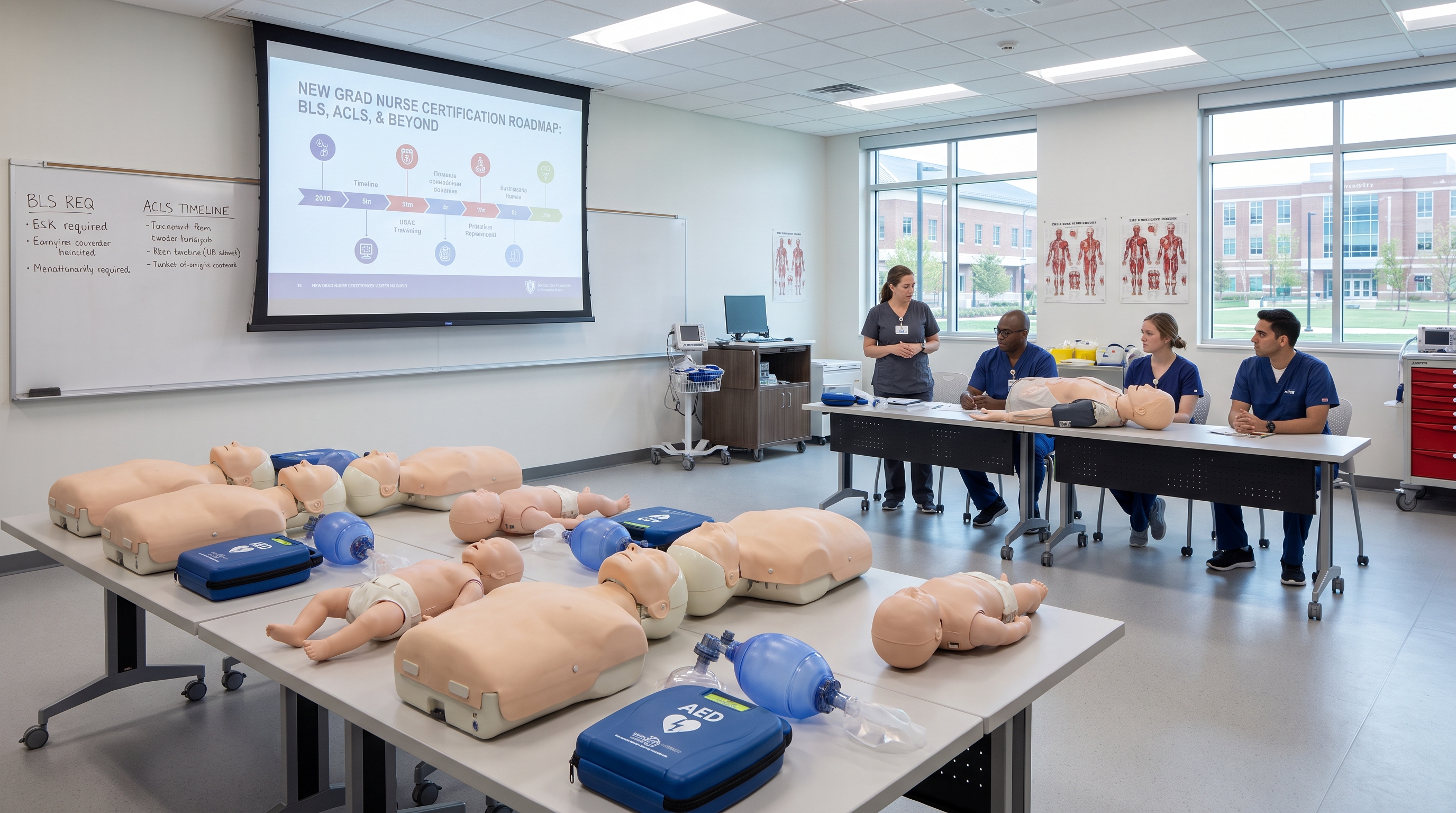
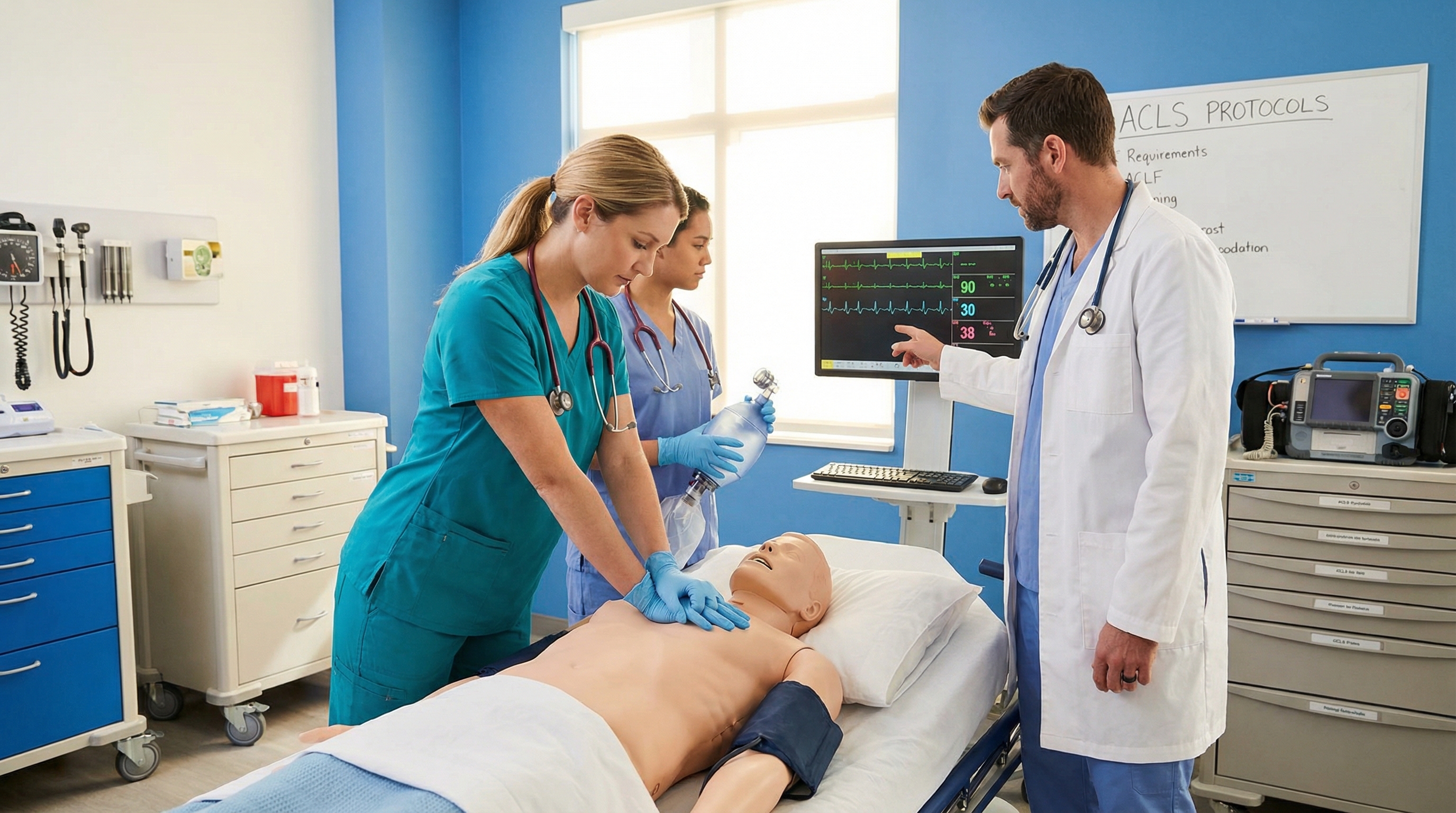
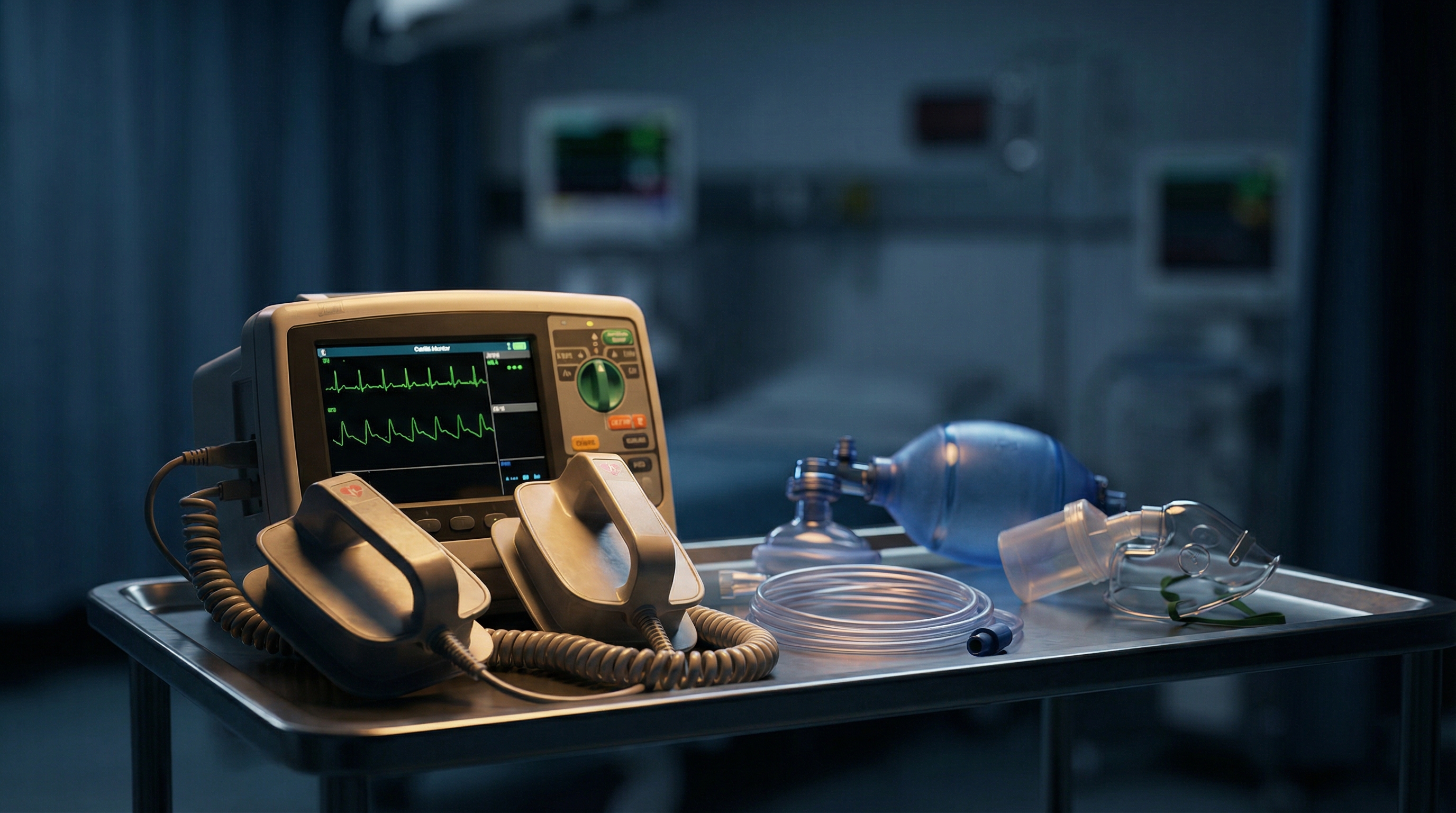
August is when hospitals bring on their largest wave of new graduate nurses each year, and if you are one of them, your inbox is probably already full of onboarding checklists, background check forms, and one line that keeps showing up near the top of every offer: current BLS certification required. Somewhere below it, often in smaller print, sits a second line about ACLS, usually attached to a deadline instead of a hard requirement. Knowing which certification to get first, when to get it, and what your future employer actually expects you to walk in already knowing versus what they plan to train you on can save you money, stress, and a last-minute scramble in your final weeks before your first shift.
This roadmap breaks the process down in the order it actually happens during real hiring: what to have finished before you apply, what needs to be done before orientation starts, and what can reasonably wait until your specific unit tells you it is time. It is written for new graduate registered nurses heading into their first hospital job, though new LPNs and nursing students preparing for upcoming clinical rotations will find the same timeline useful.
Nursing programs teach BLS-level skills as part of the curriculum, but a classroom skills check during school is not the same as holding a current, employer-recognized certification card. Hospitals need that card on file before you are cleared to touch a patient, because it is the credential their compliance office tracks, their liability insurer expects to see, and their state licensing board may reference during a facility audit. ACLS works differently. It is tied to unit acuity rather than applied universally across every role, which is exactly why so many new grads get the order wrong and either pay for a certification they do not need yet or fall behind on one their unit expects immediately.
Before you build a certification budget or a study schedule, it helps to know whether BLS is actually required for the specific type of entry-level nursing role you are targeting, since the answer is close to universal for hospital-based positions but can vary for some outpatient and community settings.
Basic Life Support is the certification almost no employer will negotiate on, and it is also the fastest and least expensive one to complete, which is exactly why it belongs first on your list. Every unit in a hospital, from postpartum to psychiatry to the emergency department, staffs nurses who are expected to start high-quality chest compressions, deliver appropriate ventilations, and operate an AED the moment they recognize a cardiac or respiratory arrest. That expectation does not wait for a unit-specific orientation packet. It is baseline nursing practice, and most hospital applicant tracking systems will not let a nursing application move forward without an active BLS card attached or a completion date entered.
The practical move is to complete an affordable, self-paced BLS certification course before you start submitting job applications, not after you accept an offer. Doing it early means you are never explaining a pending certification during a phone screen, you are not paying rush fees to get certified in the two weeks between offer and start date, and you walk into orientation with one less form to chase down. A BLS card typically stays valid for two years, so completing it a few months ahead of graduation, rather than the week before, still leaves you comfortably inside the certification window when your first scheduled shift arrives. Simulation-based orientation research on newly employed nurses and BLS skills training reinforces why hospitals treat this certification as a non-negotiable baseline rather than a box to check once and forget, since knowledge retention and confidence around resuscitation skills are areas hospitals actively study and try to reinforce well past the initial course.
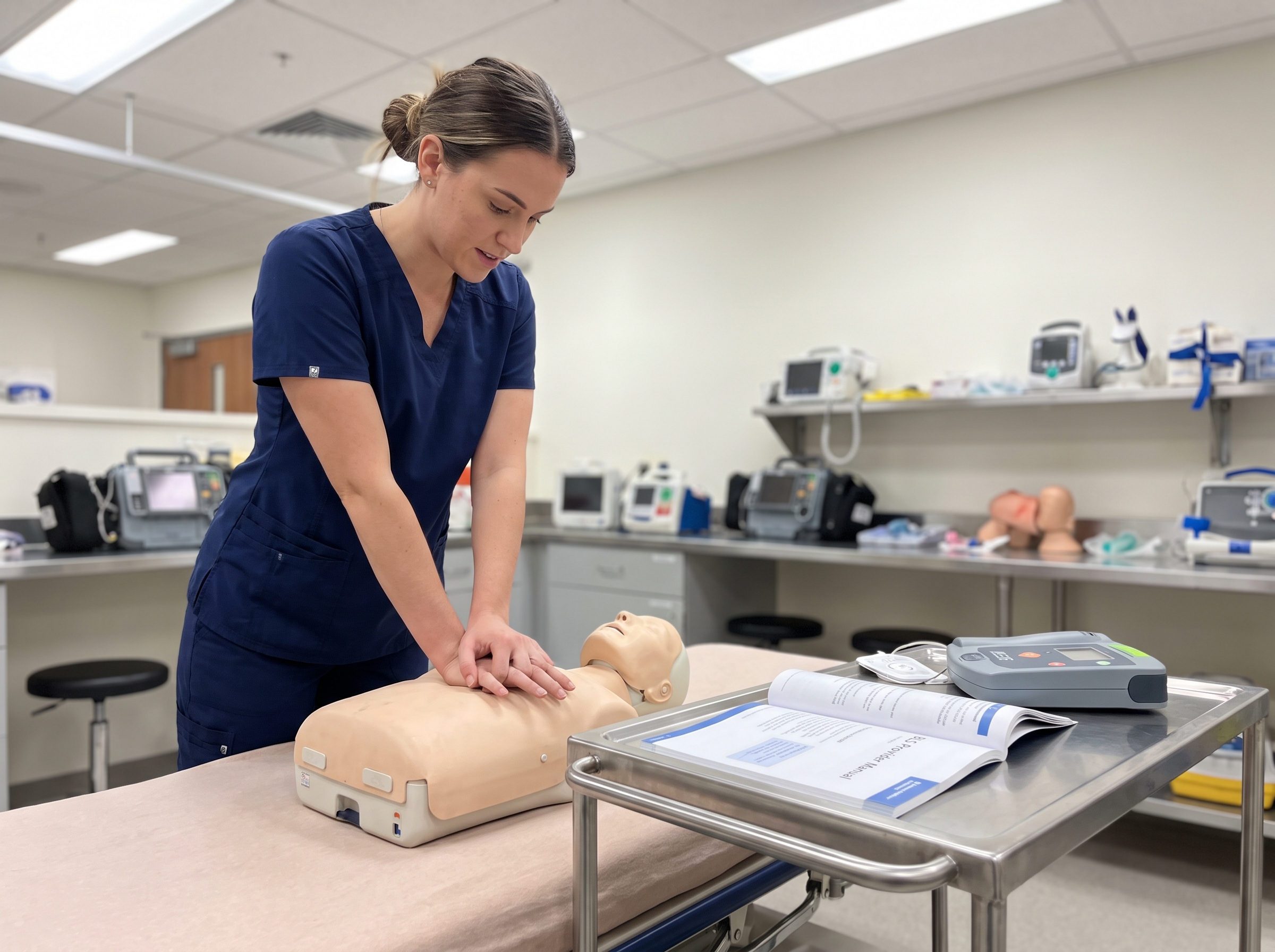
ACLS is where the roadmap branches, because the realistic timeline depends entirely on where you are hired. A new grad heading into a general medical-surgical floor, a postpartum unit, or an outpatient clinic is often given several months, sometimes closer to a year, to complete ACLS after starting. A new grad accepting a position in the emergency department, ICU, PACU, cardiac step-down, or a pediatric critical care unit should expect a much tighter runway, and on some job postings, ACLS is listed as a condition of hire rather than something to finish during orientation.
Before you assume you have months to spare, read your offer letter and unit-specific onboarding checklist carefully, and ask your recruiter directly what the internal deadline actually is. Seeing ACLS certified on your resume before you have worked a single code tends to read as preparation rather than overreach to hiring managers in high-acuity units, provided you can also speak honestly about your comfort level applying it. If your target unit is critical care, emergency medicine, or another high-acuity setting, it can make sense to complete ACLS certification before your start date rather than waiting to be told to.
New grads consistently overestimate how much resuscitation expertise they are expected to walk in with, and it creates unnecessary anxiety heading into a first job. On day one, most units expect exactly two things related to life support: an active BLS card on file, and the willingness to respond immediately and correctly to the compression-airway-breathing sequence until more experienced help arrives. A national survey of residency program directors published in Medical Education Online found that a majority valued life-support competency being established before formal training even begins, which lines up with why hospitals treat BLS as a pre-hire baseline rather than something taught on the job.
Nobody expects a brand-new nurse to run a code, choose a medication dose, or lead team communication during a resuscitation in the first weeks on a unit, even in departments where ACLS is required within a matter of months. What employers train, extensively, is everything past that baseline: your unit's specific code team roles, where the crash cart and airway equipment live on your floor, how your hospital's rapid response system activates, and how the more experienced nurses around you divide tasks during an actual event. An overview of nurse residency program best practices describes exactly this kind of staged skill-building, spread deliberately over months rather than days, as central to how successful residency programs are structured.
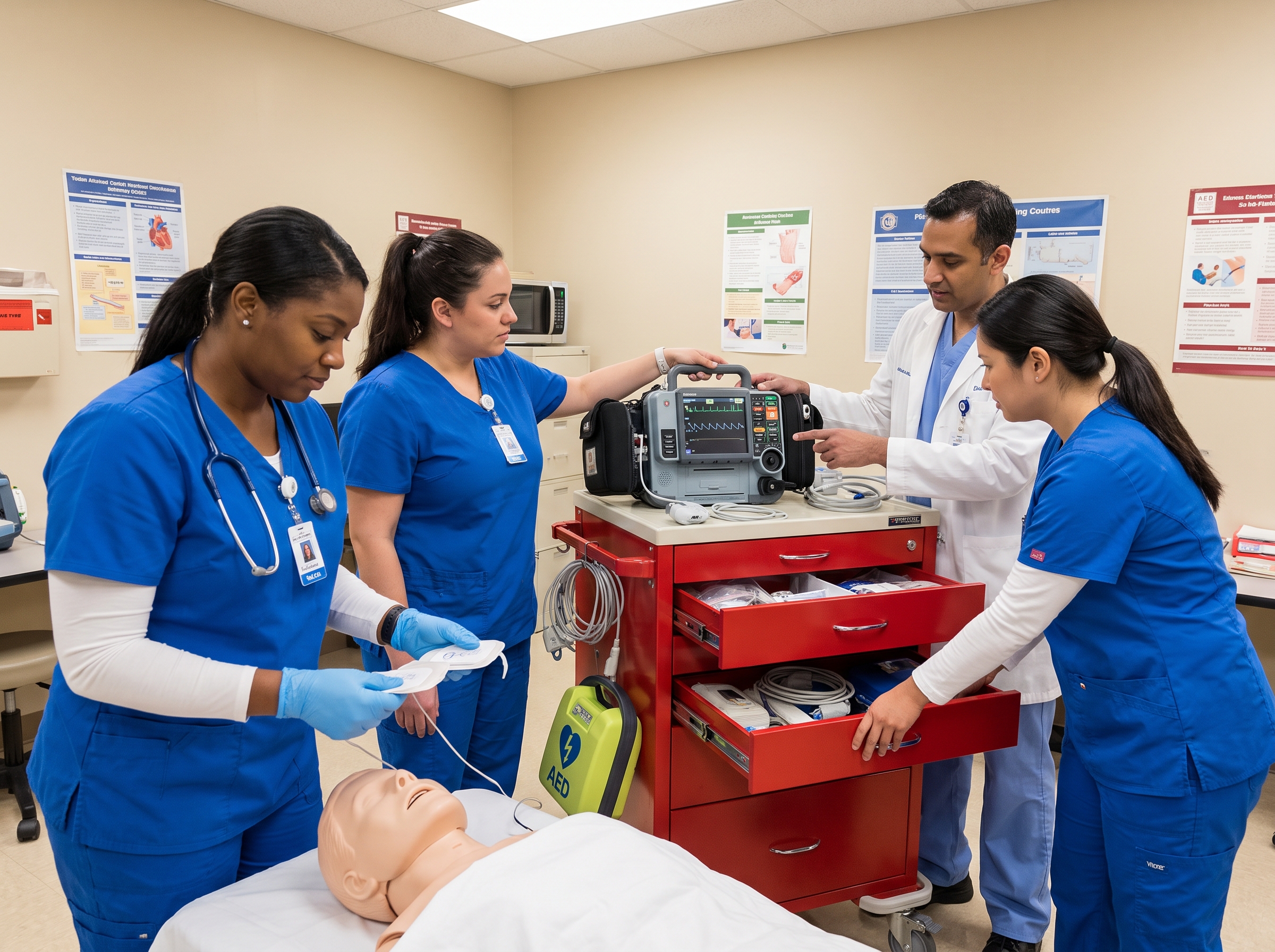
If you want a realistic preview of what those first real events feel like, mental preparation for your first real code matters as much as algorithm memorization, and building comfort with the code team dynamic is a gradual process that continues well past your orientation weeks. Most new grads describe the shift from bystander to contributing team member as something that happens over months of repeated exposure, not a single training day, which lines up with guidance on transitioning from student to code team leader during your first clinical year.
Every hospital's exact deadlines differ, but the sequence below reflects how certification requirements typically unfold for a new graduate RN moving from job search to first year on the unit.
A few avoidable missteps show up again and again during new grad hiring season.
BLS and ACLS are not the end of the road, they are the start of it. Many new grads who begin on a general floor eventually move toward critical care, the emergency department, or pediatrics, and each of those transitions tends to bring its own certification requirement, most commonly PALS for anyone working with pediatric patients. Rather than treating each certification as a separate scramble, it helps to think of BLS, ACLS, and PALS as one connected path that tracks your career progression instead of three unrelated deadlines. A more detailed breakdown of how to map your career path from BLS certification to ACLS and PALS is worth reading during your first year, even if PALS is not on your radar yet, simply so you know what is likely coming.
Whatever stage of that path you are on, the safest habit is to check your certifications against current guidance rather than assuming last year's requirements still apply. The American Heart Association periodically updates its CPR and Emergency Cardiovascular Care guidelines, and any certification course you take should reflect the current version rather than outdated print materials left over from nursing school.
For most general floor, medical-surgical, and outpatient postings, no. BLS is the near-universal requirement to apply and interview, while ACLS is typically expected sometime after hire, on a timeline your specific unit sets. High-acuity postings such as the ED, ICU, PACU, and cardiac units are the exception, and some list ACLS as a condition of hire rather than a post-hire deadline, so always check the specific posting rather than assuming.
You can, and self-paced online formats make it logistically possible to complete both within the same week. Whether that makes sense financially and practically depends on your unit's actual deadline. If your first job does not require ACLS for several months, most new grads are better served completing BLS first, settling into the job, and returning to ACLS once orientation has given them real exposure to their unit's resuscitation process, rather than front-loading both certifications before a single shift has been worked.
Policies vary by employer, but missing an internal certification deadline is typically treated as a compliance issue handled through your manager and hospital education department rather than an automatic reason for termination. Even so, it is far easier to avoid that conversation entirely than to have it, so treat your unit's stated deadline as a hard date on your calendar, not a soft suggestion, and start the course with enough runway built in to allow for a retake if you need one.
Affordable ACLS was built by actively practicing, board-certified emergency medicine physicians who wanted a certification option that fit around clinical schedules instead of the other way around. For a new grad juggling NCLEX preparation, job applications, and a moving start date, that structure matters: courses are entirely online and self-paced, so you are not tied to a single class date that might land in the middle of finals week or a cross-country move. Certification is issued immediately on completion, retakes are unlimited if you do not pass an exam attempt on the first try, and certifications are backed by a money-back guarantee if an employer does not accept them.
Whether you are checking the box on BLS before you submit applications or getting ahead of an ACLS deadline for a critical care position, working with course options built around a new grad's actual schedule, rather than a fixed class calendar, removes one more variable from an already busy transition into practice.
If you take one thing from this roadmap into August's hiring season, let it be this order of operations: BLS before you apply, ACLS on whatever timeline your specific unit sets, and a clear-eyed sense that your employer expects a validated baseline skill on day one, not code-leading expertise. The confidence, the muscle memory, and the ability to anticipate what your team needs before they ask are built during orientation and your first year on the floor, exactly the way they are supposed to be.
.jpg)