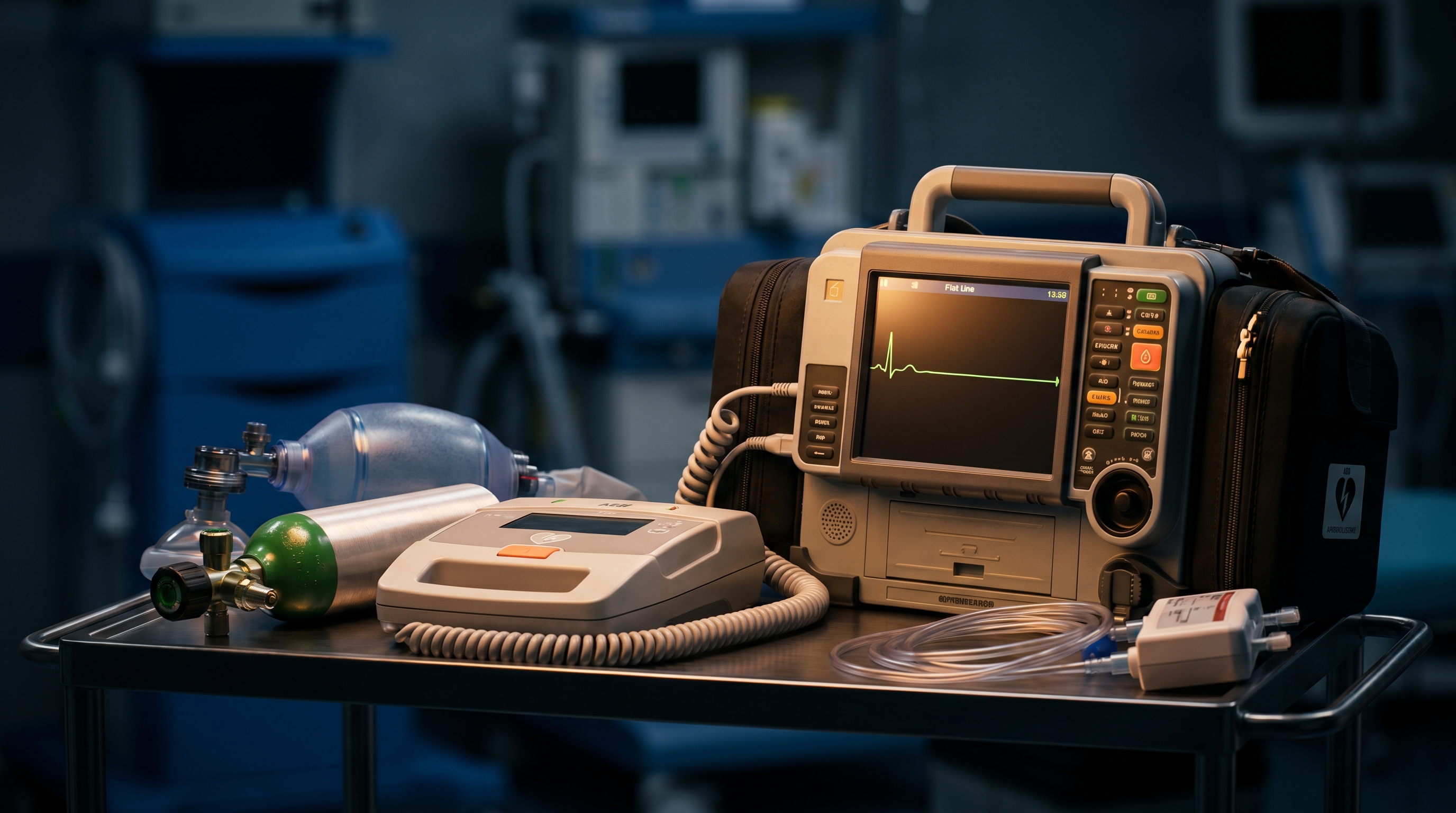
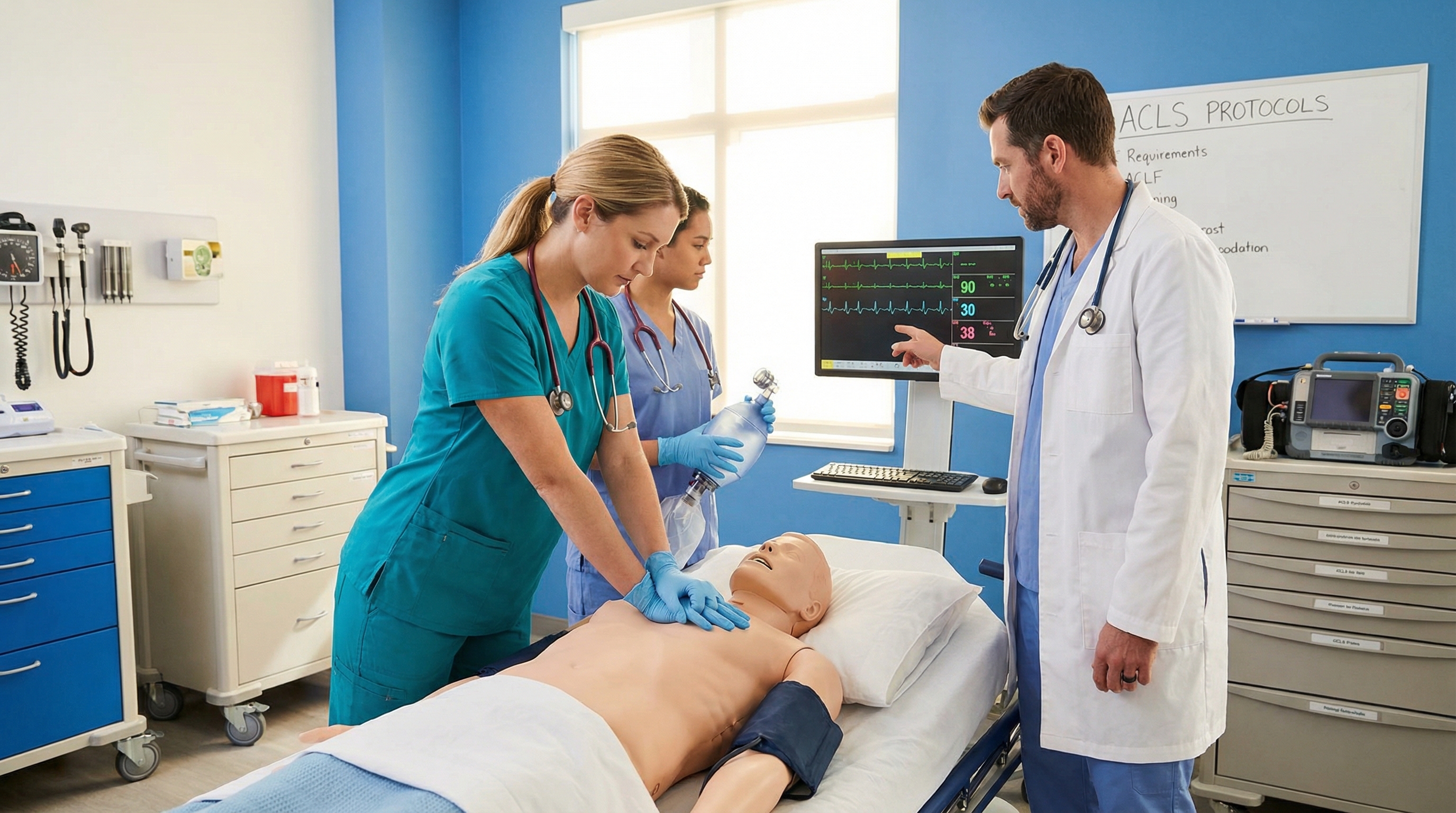
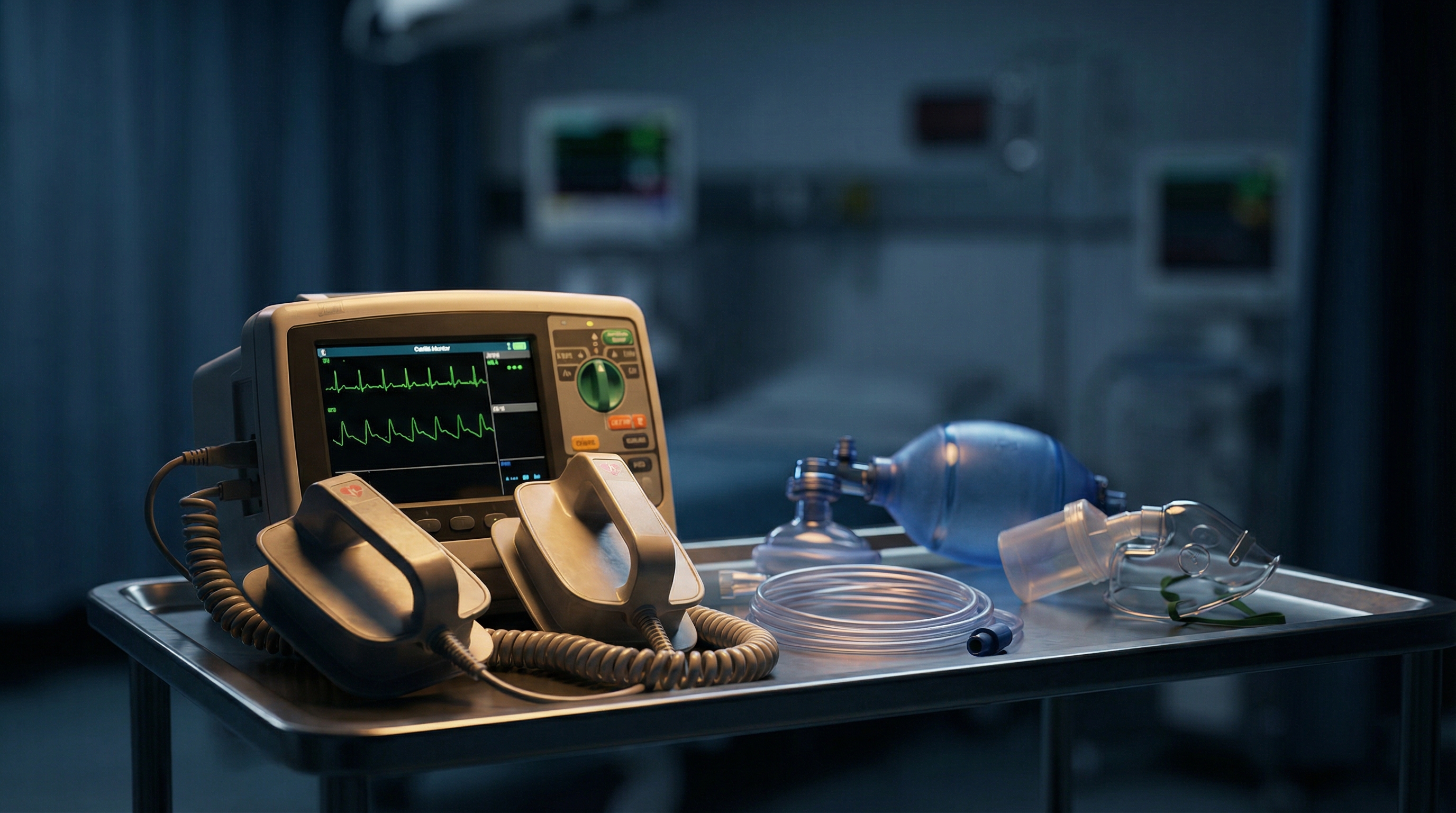
That phrase, long attributed to emergency medicine and wilderness medicine folklore, has quietly become one of the most clinically significant mantras in resuscitation science. When a patient is pulled from icy water in cardiac arrest, the instinct to call the resuscitation may be strong — no pulse, no respirations, fixed pupils, prolonged down-time. But in the context of cold water submersion and hypothermic cardiac arrest, that instinct can cost a life that was entirely savable.
Hypothermic cardiac arrest represents one of the most physiologically distinct cardiac arrest states a clinician will ever encounter. The rules that govern decision-making in normothermic arrest — time to first shock, epinephrine timing, when to stop CPR — do not apply in the same way here. Understanding why those rules break down, and what replaces them, is foundational knowledge for any provider who may encounter cold water submersion emergencies.
This article examines the pathophysiology of hypothermic cardiac arrest, the evidence behind extended resuscitation, criteria for extracorporeal CPR (ECPR) and ECMO-assisted rewarming, and the clinical decision framework that separates survivable from non-survivable presentations. We will also address the 2025 AHA Guidelines update and what it means for your practice at the bedside.
To understand why extended resuscitation is justified in hypothermic cardiac arrest, you first need to understand what cold water actually does to the body at a cellular level. Hypothermia — defined as a core body temperature below 35°C — causes a progressive, dose-dependent reduction in metabolic demand. The colder the patient, the less oxygen the brain and vital organs require to maintain viability.
At 30°C, cerebral metabolic rate drops to approximately 50% of normal. At 20°C, it falls to around 25%. At temperatures below 15°C, the brain can tolerate circulatory arrest for significantly longer periods than at normothermic temperatures, where irreversible anoxic injury begins within 4-6 minutes. This is the neuroprotective core of the "no one is dead until warm and dead" principle.
Cold water immersion compounds this effect for two reasons. First, water conducts heat away from the body approximately 25 times faster than air, meaning core temperature can drop rapidly — sometimes within minutes in icy conditions. Second, the cold shock response — an involuntary gasp reflex triggered by sudden cold water contact — can cause aspiration of water, laryngospasm, and rapid cardiac arrhythmia. Ventricular fibrillation typically occurs as core temperature drops below 28-30°C, and asystole follows at temperatures approaching 20°C.
Crucially, the cardiac arrest in true accidental hypothermia is often primary hypothermic arrest — meaning the hypothermia itself caused the arrest, rather than cardiac arrest causing the temperature drop. This distinction matters enormously for prognosis. Primary hypothermic arrest carries a dramatically better prognosis than cardiac arrest with secondary hypothermia, because the organs were cold and protected before, not after, perfusion ceased.
Every ACLS-trained provider knows the Hs and Ts — the mnemonic framework for identifying reversible causes of cardiac arrest that must be addressed simultaneously with resuscitation efforts. Hypothermia is one of the H's, and in cold water submersion, it moves to the top of the differential immediately. Unlike hypovolemia or tension pneumothorax, which can often be addressed quickly in the field, hypothermia requires a rewarming strategy that may take hours and may require specialized equipment including extracorporeal life support (ECLS).
Understanding the full framework of Hs and Ts in cardiac arrest helps providers rapidly exclude other reversible causes while committing to the prolonged resuscitation that hypothermic arrest demands. In practice, this means establishing vascular access, measuring core temperature with a rectal or esophageal probe, and — critically — not terminating resuscitation based on down-time alone.
The Swiss staging system provides a practical clinical framework for categorizing hypothermic patients based on observed signs rather than core temperature alone (though temperature remains the gold standard when measurable). It stratifies patients from Stage I (conscious, shivering) through Stage V (no vital signs, not compatible with life), and guides both triage decisions and destination of care.
The critical clinical inflection point is Stage IV. Once a patient has progressed to hypothermic cardiac arrest — no pulse, no respirations, core temperature below approximately 24°C — the default treatment approach in a hospital with ECLS capability is to initiate and maintain CPR while arranging transfer or activation of extracorporeal rewarming. Time to termination of efforts should not be based on the clock. It should be based on core temperature at the time of ROSC or confirmation of a non-survivable presentation.
Extracorporeal membrane oxygenation (ECMO) — specifically veno-arterial ECMO (VA-ECMO) — has emerged as the preferred rewarming modality for patients in hypothermic cardiac arrest. It simultaneously provides cardiac and pulmonary support while rewarming the patient at a controlled rate, and it can sustain circulation for the hours sometimes required to bring a profoundly hypothermic patient back to a core temperature where spontaneous cardiac activity can resume.
According to the 2025 American Heart Association Guidelines for CPR and Emergency Cardiovascular Care, VA-ECMO for hypothermic cardiac arrest carries a Class of Recommendation 2a with Level of Evidence B-NR. This represents a strong endorsement of ECMO-assisted rewarming in appropriate candidates, reflecting the growing evidence base for this intervention.
The survival data supporting ECMO in hypothermic arrest is compelling. A systematic review and meta-analysis published in Frontiers in Medicine found survival rates approaching 38-44% after ECMO rewarming in hypothermic cardiac arrest victims — survival rates that would be considered extraordinary in any normothermic arrest scenario involving comparable down-times. One observational study reported 70% survival with good neurological outcomes in selected hypothermic cardiac arrest patients managed with early ECMO. These are not small gains. These are patients who, in facilities without ECLS capability or with providers who terminated resuscitation early, would have died.
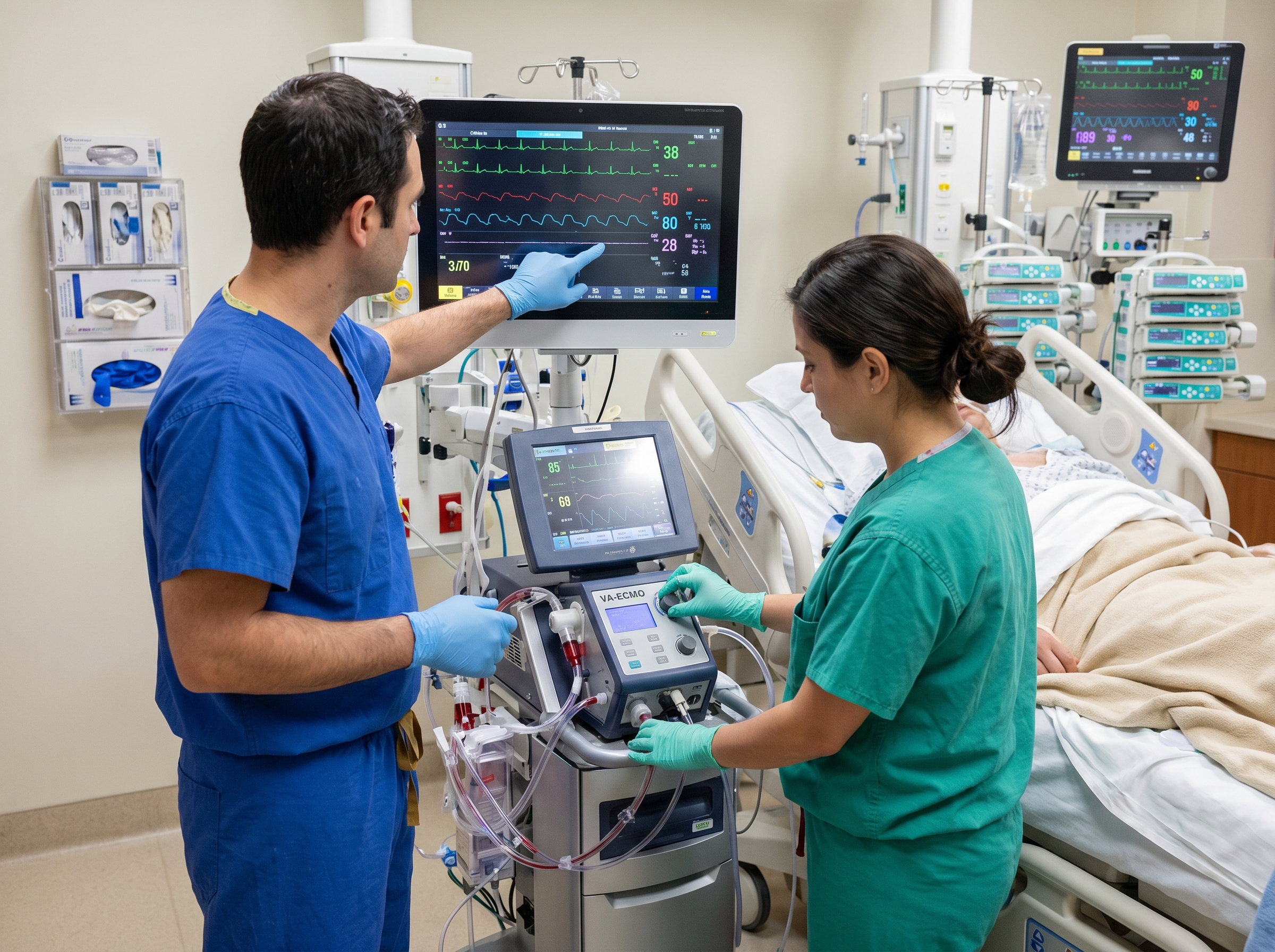
Extracorporeal CPR (ECPR) — the use of ECMO to support circulation during active resuscitation when spontaneous circulation cannot be achieved — represents the bridge between failed conventional resuscitation and ECMO-facilitated rewarming. In experienced ECLS centers, ECPR can be initiated while CPR is ongoing, providing perfusion to vital organs until rewarming allows cardiac function to return.
Not every patient in cold water submersion cardiac arrest is a candidate for extended resuscitation or ECMO rewarming. Accurate risk stratification distinguishes potentially survivable from non-survivable presentations, and this judgment is one of the most consequential clinical decisions in emergency medicine.
The most widely cited and validated predictor of non-survivable hypothermic cardiac arrest is a serum potassium level greater than 12 mEq/L at hospital arrival. Potassium rises as cells lyse with prolonged anoxic death, and extremely elevated potassium reflects irreversible cellular destruction rather than reversible hypothermic arrest. The 2025 European Resuscitation Council Guidelines on Special Circumstances in Resuscitation reinforce the use of potassium as the primary biomarker for survivability determination, while also acknowledging that values just above 12 mEq/L in the presence of prolonged asphyxia may not reliably predict outcome in all cases.
One important nuance: asystole as the initial rhythm on arrival is not, by itself, a contraindication for ECLS rewarming. The 2025 AHA Guidelines explicitly note this, recognizing that asystole in profound hypothermia reflects the temperature-dependent suppression of cardiac electrical activity rather than irreversible cardiac death.
Most cold water submersion events occur far from ECLS-capable centers. The provider on scene — whether a paramedic, wilderness physician, or first responder — cannot initiate ECMO. But they play a critical role in preserving the patient's viability for definitive care. The chain of survival for hypothermic cardiac arrest depends on every link, and the prehospital phase is the first and most fragile link.
Key field management principles include:
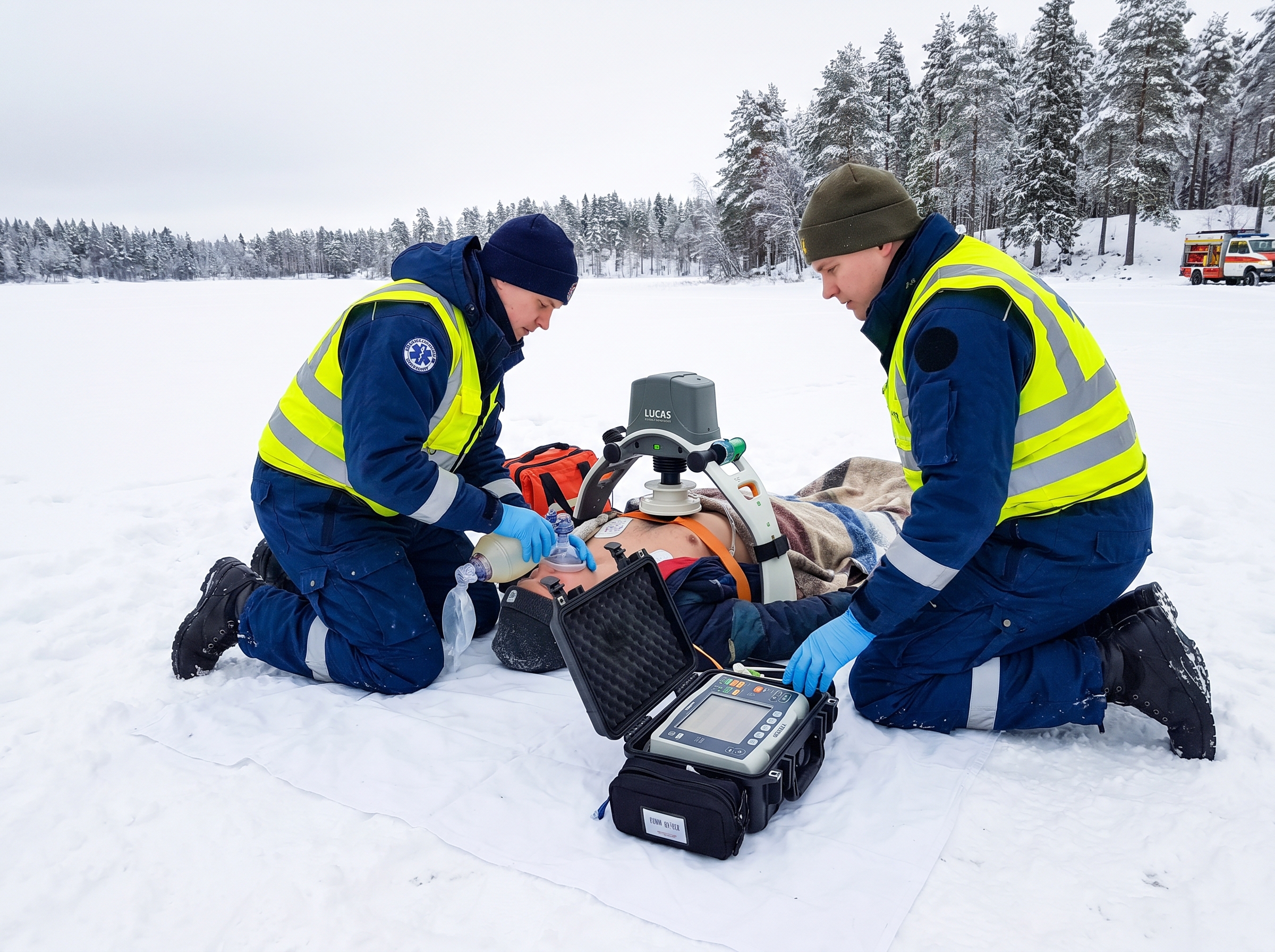
For providers working in remote or wilderness environments where transport times are extreme, implementing ACLS in resource-limited settings requires a modified approach that preserves viability while working within logistical constraints. The fundamental principle remains the same: maintain perfusion, prevent further cooling, and get the patient to definitive care.
The pharmacology of cardiac arrest changes significantly in the hypothermic state. Drug metabolism is profoundly slowed, distribution volumes change, and the myocardium may be refractory to pharmacologic intervention until adequate rewarming has occurred. This has direct implications for medication use during resuscitation.
Standard ACLS medications — including epinephrine — are typically administered with modified frequency during hypothermic arrest. The 2025 AHA Guidelines recommend withholding vasopressors or extending the interval between doses when core temperature is below 30°C. The rationale is that medications given at standard intervals accumulate to toxic levels as metabolism slows, and a bolus effect upon rewarming can cause rebound arrhythmia or other complications. This represents a meaningful departure from standard normothermic arrest management, where epinephrine is given every 3-5 minutes without temperature-based modification.
The evidence around epinephrine versus vasopressin in cardiac arrest applies primarily to normothermic arrest, and providers should recognize that the evidence base for medication timing in hypothermic arrest is less robust. The general recommendation is conservative medication use until core temperature exceeds 30°C, at which point standard ACLS dosing can resume.
Amiodarone for ventricular fibrillation follows a similar principle — it can be given, but should not be dosed repeatedly in the hope of converting VF that is temperature-dependent. The VF of hypothermia is often refractory to defibrillation and antiarrhythmics until adequate rewarming occurs. Attempting repeated cardioversion or medication escalation without addressing temperature is unlikely to succeed and may delay transport.
When ROSC is achieved after hypothermic cardiac arrest — whether spontaneously or via ECMO — the post-resuscitation care phase presents its own set of challenges and opportunities. This is where the critical care team takes over, and where decisions about targeted temperature management, neurological monitoring, and organ support significantly influence final outcome.
Post-ROSC care protocols developed for normothermic arrest include targeted temperature management (TTM), but the application in post-hypothermic arrest is nuanced. The patient who achieves ROSC after rewarming from 15°C is already receiving an iatrogenic form of temperature management — the question becomes how to continue controlled warming to normothermia without overshooting and creating hyperthermia, which is independently harmful in the post-arrest brain.
Key post-ROSC priorities after hypothermic arrest include:
One of the most ethically and clinically difficult aspects of hypothermic cardiac arrest management is prognostication — determining when it is appropriate to withdraw resuscitative efforts or, in the post-ROSC patient, when neurological outcomes are sufficiently clear to guide goals-of-care conversations.
The core principle is this: neurological prognostication after hypothermic cardiac arrest should not occur until normothermia has been achieved and maintained for at least 72 hours following ROSC. Standard post-arrest prognostication timelines apply from the point of normothermia, not from the time of the original arrest. This is because the neuroprotective effects of hypothermia, combined with the metabolic suppression during arrest, mean that even patients with initially concerning neurological examinations may recover substantially once temperature is normalized.
The 2025 AHA Guidelines and the European Resuscitation Council specifically caution against early neurological prognostication after hypothermic arrest. Providers who base withdrawal decisions on early post-arrest neurological examination are likely to underestimate the capacity for recovery in this population. This is not a hypothetical concern — cases of patients with initially absent brainstem reflexes and absent motor responses who made full neurological recoveries after hypothermic arrest are documented in the peer-reviewed literature.
Extended resuscitation lasting 60-180 minutes or more places extraordinary demands on both the team and the equipment. Monitoring CPR quality is essential to ensure that the perfusion being provided is genuinely sufficient to maintain organ viability during the rewarming interval. End-tidal CO2 (ETCO2) monitoring via capnography is the most accessible and informative real-time marker of CPR effectiveness in this context.
ETCO2 during CPR reflects cardiac output generated by chest compressions — a higher ETCO2 indicates better perfusion. The 2025 AHA Guidelines note that ETCO2 less than 10 mmHg despite optimal CPR technique may be a marker of non-survivability even in hypothermic arrest, though this threshold should be interpreted in conjunction with other clinical data rather than used in isolation. Providers managing prolonged hypothermic resuscitation should use capnography continuously and document values as part of the resuscitation record.
For the team managing a prolonged hypothermic resuscitation, capnography serves a dual function: it guides real-time CPR quality improvement, and it provides physiologic data that helps inform the survivability assessment. An ETCO2 that trends upward as temperature rises can be an encouraging sign that perfusion is improving with rewarming — a signal that continuing efforts may be worthwhile. Conversely, a persistently flat or declining ETCO2 despite warming and high-quality CPR warrants careful reassessment of the overall clinical picture.
ECMO is the gold standard, but most cold water submersion events do not occur within range of an ECLS center. Avalanche burial, backcountry kayaking accidents, ice rescue operations — these emergencies happen in environments where the nearest hospital may be hours away and extracorporeal support is not remotely available. How does the extended resuscitation framework apply in these settings?
The Wilderness Medical Society and wilderness emergency medicine community have developed practical guidelines for managing hypothermic cardiac arrest in resource-limited environments. The core principle is: if evacuation to an ECLS center within a reasonable time frame is possible and the patient meets inclusion criteria for extended resuscitation, CPR should be maintained throughout transport regardless of duration. A mechanically assisted CPR device is ideal; if unavailable, rescuer rotation with attention to CPR quality is essential.
If ECLS cannot be reached within approximately 6 hours and non-extracorporeal rewarming is the only option, minimally invasive rewarming techniques including warmed IV fluids, airway rewarming, and body-cavity lavage can be used cautiously. These methods rewarm more slowly than ECMO and carry higher risk of rewarming complications, but they may be the only available option in some contexts. According to a systematic review and meta-analysis on rewarming from hypothermic cardiac arrest applying extracorporeal life support, ECLS consistently outperforms non-ECLS rewarming in terms of survival and neurological outcome, but outcomes with non-ECLS rewarming can still be meaningful in carefully selected patients.
It is worth emphasizing that the decision to terminate resuscitation in the field for a hypothermic cardiac arrest patient should not be made lightly, and should ideally involve consultation with medical direction. The post-cardiac arrest care algorithm should always inform your decision framework, even when ECMO is not available — the goal is to preserve viability for whatever level of care can be reached.
Hypothermic cardiac arrest is not common in most emergency departments or prehospital systems. The very rarity of the scenario makes deliberate training essential — when you encounter it, you need to know immediately what to do differently. This is exactly the kind of case where ACLS certification becomes a critical foundational element.
Standard ACLS guidelines updates for 2025 include coverage of special circumstances in resuscitation, including hypothermia. Providers who maintain current ACLS certification and stay informed about guideline updates will have the mental framework to recognize a hypothermic cardiac arrest for what it is: a uniquely survivable arrest that demands a uniquely extended resuscitation effort.
There is a real knowledge gap in the field around this topic. Many providers — even experienced ones — still reflexively apply normothermic CPR decision timelines to hypothermic presentations. They stop at 20 minutes. They do not check core temperature. They do not activate the ECMO center. These are errors that are entirely preventable with education. For nurses, paramedics, residents, and emergency physicians who want to close that gap, understanding the clinical management of hypothermia in emergency medicine is a critical complement to core ACLS competencies.
When you encounter a patient in cardiac arrest following cold water submersion, the following framework should guide your approach:
Cold water submersion and hypothermic cardiac arrest represent one of emergency medicine's most profound paradoxes: a patient who appears profoundly dead may be genuinely and completely savable. The metabolic protection afforded by hypothermia, the accumulating evidence supporting ECMO-assisted rewarming, and the 2025 guideline endorsements of extended resuscitation have together moved the field to a clear position — when the presentation is consistent with primary hypothermic arrest and exclusion criteria are not met, resuscitation should continue until adequate rewarming has been achieved.
The research confirms it. According to a comprehensive narrative review of extracorporeal life support in accidental hypothermia, survival rates of 38-44% have been documented with ECLS — survival rates that would be considered exceptional in any normothermic cardiac arrest population with comparable down-times. And research on the chain of survival in hypothermic circulatory arrest confirms that early identification, risk stratification, and extracorporeal rewarming are the key determinants of outcome — and that all three require provider knowledge and institutional readiness.
This is a paradigm that every emergency provider — regardless of specialty or setting — needs to internalize. From the paramedic pulling a teenager from an icy river to the emergency physician receiving that patient hours later, the entire chain of care must be oriented toward one principle: don't stop until they're warm. If you are building or refreshing your clinical knowledge base and want to ensure your ACLS certification reflects current 2025 guidelines — including special circumstances like hypothermic arrest — reviewing the most current ACLS guideline updates is a critical starting point. Staying current with evidence is not just about certification compliance. In cases like this, it is the difference between a patient who walks out of the ICU and one who does not.
.jpg)