ACLS Blogs

Recognizing Brugada Syndrome and Other Inherited Arrhythmias: ACLS Decision-Making for Sudden Cardiac Death Syndromes

When the Heart's Electrical Wiring Is Wired Wrong: An Introduction to Inherited Arrhythmias

Every resuscitation tells a story. But some cardiac arrests arrive with no obvious coronary disease, no prior warning, no identifiable ischemic cause — just a young, otherwise healthy person in ventricular fibrillation. When that happens, the experienced clinician immediately considers the category of inherited cardiac channelopathies: genetic disorders of the ion channels that govern the heart's electrical system.


Conditions like Brugada syndrome, Long QT syndrome (LQTS), and catecholaminergic polymorphic ventricular tachycardia (CPVT) collectively account for a significant share of sudden cardiac death in patients under 40. They are structurally silent — a standard echocardiogram may look completely normal — yet electrically lethal. As emergency and critical care providers, our ability to recognize their signatures on the ECG and make sound ACLS decisions in the acute setting is not just a clinical skill. It is a lifesaving imperative.


This article walks you through the three major inherited arrhythmia syndromes you are most likely to encounter in a resuscitation scenario, with a focus on ECG recognition, acute ACLS decision-making, and the nuances that differentiate these conditions from run-of-the-mill ventricular fibrillation. Understanding the Hs and Ts framework of sudden cardiac arrest is an excellent starting point, but channelopathies add a layer of complexity that deserves dedicated focus.


Brugada Syndrome: The Coved Pattern That Demands Respect

First described in 1992 by Pedro and Josep Brugada, Brugada syndrome is an autosomal dominant channelopathy caused primarily by loss-of-function mutations in the SCN5A gene, which encodes the cardiac sodium channel Nav1.5. The result is a depolarization defect concentrated in the right ventricular outflow tract — an electrophysiological vulnerability that predisposes affected individuals to spontaneous ventricular fibrillation, most commonly at rest or during sleep when vagal tone is high.


Prevalence estimates range from 1 in 2,000 to 1 in 5,000 in the general population, with a notable predominance in Southeast Asian males. It is estimated to account for 4–12% of all sudden cardiac deaths and up to 20% of sudden deaths in patients with structurally normal hearts. According to StatPearls, among patients who experience life-threatening arrhythmias such as ventricular tachycardia or fibrillation, approximately 80% report a preceding episode of syncope — making syncopal history a critical red flag during your history-taking.


The hallmark of Brugada syndrome is a distinctive ECG pattern in the right precordial leads (V1–V3). Recognizing this pattern under pressure, when a patient is seizing, cyanotic, or in full arrest, is a core ACLS competency that separates the exceptional clinician from the merely adequate one.

12-lead ECG showing Type 1 Brugada coved pattern in right precordial leads


The Three Brugada ECG Types

The Type 1 Brugada pattern — the only one considered diagnostic — features a coved-type ST-segment elevation of at least 2 mm in one or more of leads V1–V3, followed by a descending ST segment and a negative T wave. Think of it as a shark fin or cobblestone morphology: the ST segment rises, rounds at the apex, and descends steeply into T-wave inversion. This is not a STEMI mimic you can dismiss; it is a potentially fatal electrical signature that requires immediate acknowledgment.


The Type 2 pattern demonstrates a saddleback morphology — the ST segment rises, dips slightly, and then rises again before descending. This pattern warrants further evaluation with sodium channel blocker provocation testing (ajmaline, flecainide) when clinical suspicion is high, though that is typically a cardiology consultation outside the resuscitation bay. The Type 3 pattern, showing either morphology with less than 2 mm of ST elevation, is non-diagnostic. Critically, fever is a well-known unmasking trigger: a febrile patient presenting with syncope and a V1–V3 ST abnormality should raise immediate concern for Brugada syndrome, as elevated body temperature can convert a Type 2 or 3 pattern into a diagnostic Type 1.


ACLS Decision-Making in Brugada Syndrome

In the acute setting, if a Brugada patient presents in ventricular fibrillation, immediate defibrillation is the priority — the same as for any shockable rhythm. Do not let the ECG recognition delay your shock. Understanding how to identify and act on shockable rhythms forms the backbone of this response. Your ACLS algorithm for VF and pulseless VT applies in full: high-quality CPR, early defibrillation, and epinephrine every 3–5 minutes.


Where Brugada syndrome diverges from garden-variety VF is in drug selection. Avoid sodium channel blockers — Class Ia and Ic antiarrhythmics including procainamide, flecainide, and propafenone — as these can exacerbate the sodium channel dysfunction and worsen arrhythmia. Amiodarone has a mixed evidence base in Brugada-triggered VF; it is not contraindicated in cardiac arrest but should not be viewed as a definitive stabilizing agent. For electrical storm — defined as three or more VF episodes in 24 hours — isoproterenol is the most evidence-supported acute intervention, counteracting the high vagal tone that precipitates arrhythmia recurrence. The 2022 ESC Guidelines for Ventricular Arrhythmias give isoproterenol a Class IIa recommendation for electrical storm in Brugada syndrome — a nuance that is worth knowing cold.


Long QT Syndrome: When the T Wave Hides a Deadly Secret

Long QT syndrome encompasses a family of genetic disorders affecting repolarization, characterized by a prolonged QTc interval on the ECG. The most common subtypes — LQT1 (KCNQ1 mutations), LQT2 (KCNH2 mutations), and LQT3 (SCN5A gain-of-function mutations) — each carry distinct arrhythmia triggers and management nuances. Collectively, LQTS affects approximately 1 in 2,000 individuals and is a leading cause of sudden cardiac death in children and young adults.


On the ECG, a corrected QT interval (QTc) of greater than 450 ms in males or greater than 460 ms in females should prompt further evaluation. A QTc exceeding 500 ms significantly elevates arrhythmia risk. The signature arrhythmia of LQTS is torsades de pointes (TdP) — a polymorphic ventricular tachycardia that rotates around the isoelectric baseline. Left untreated, TdP can degenerate into ventricular fibrillation. A thorough review of ventricular fibrillation causes and treatment should inform your broader resuscitation approach in these patients.


Understanding arrhythmia triggers by subtype is clinically invaluable. LQT1 events are commonly triggered by physical exertion, particularly swimming. LQT2 events are triggered by sudden auditory stimuli — a ringing alarm clock or phone is a classically cited precipitant. LQT3 events occur preferentially during sleep or bradycardia. This trigger profile should inform both your history-taking and your risk counseling when a young patient presents with unexplained syncope.


ACLS Decision-Making in Long QT Syndrome

When torsades de pointes is recognized, the cornerstone of acute treatment is intravenous magnesium sulfate — typically 2g IV push over 1–2 minutes — even in patients with a normal serum magnesium level. Magnesium suppresses early afterdepolarizations, the triggering mechanism for TdP. If TdP degenerates into sustained VF, standard defibrillation applies. Critically, review and discontinue any QT-prolonging medications immediately: antipsychotics, certain antibiotics (azithromycin, fluoroquinolones), antiemetics (ondansetron), and antiarrhythmics like sotalol and amiodarone all have the potential to worsen LQTS-triggered arrhythmia.


For recurrent or refractory TdP, temporary cardiac pacing at rates of 90–120 bpm shortens the QT interval and suppresses arrhythmia by reducing bradycardia-dependent dispersion of repolarization. Isoproterenol can serve the same purpose pharmacologically when pacing is not immediately available. Correcting electrolyte abnormalities — hypokalemia and hypomagnesemia potentiate QT prolongation — is an essential parallel intervention. A detailed review of wide complex tachycardias will help you confidently differentiate TdP from other polymorphic VT patterns in real time.


CPVT: The Arrhythmia That Exercise Provokes

Catecholaminergic polymorphic ventricular tachycardia (CPVT) is perhaps the most diagnostically elusive of the inherited arrhythmia syndromes precisely because the resting ECG is almost always normal. CPVT is caused primarily by mutations in the RYR2 gene, which encodes the ryanodine receptor 2 — the calcium release channel on the sarcoplasmic reticulum of cardiac myocytes. When catecholamines surge during exercise or emotional stress, the defective RYR2 channel triggers calcium overload and delayed afterdepolarizations, initiating bidirectional or polymorphic ventricular tachycardia. According to a 2025 update on inherited arrhythmia syndromes, RYR2 and a second gene (CASQ2) together account for 50–65% of all CPVT cases.


CPVT typically presents in children and adolescents with exercise-induced syncope, seizures, or sudden cardiac arrest. The mean age of first symptoms is approximately 12 years. Because the baseline ECG is normal and there is no structural heart disease on imaging, these patients are frequently misdiagnosed with epilepsy or vasovagal syncope before the correct diagnosis is made. The diagnostic key is an exercise stress test: CPVT patients develop characteristic bidirectional ventricular tachycardia — alternating QRS axis on a beat-to-beat basis — at heart rates above approximately 120–130 bpm.


ACLS Decision-Making in CPVT

In the arrest scenario, CPVT-triggered VF is treated with standard defibrillation. However, the critical ACLS nuance is epinephrine caution. Epinephrine — a potent catecholamine — may paradoxically worsen arrhythmia in CPVT by amplifying the calcium overload mechanism. While current AHA ACLS guidelines still include epinephrine for cardiac arrest, providers managing a CPVT patient in known VF arrest should be aware of this physiological tension and discuss it with the team. Some electrophysiology experts advocate for lower epinephrine doses or vasopressin as an alternative vasopressor in this context, though definitive evidence-based guidance remains limited.

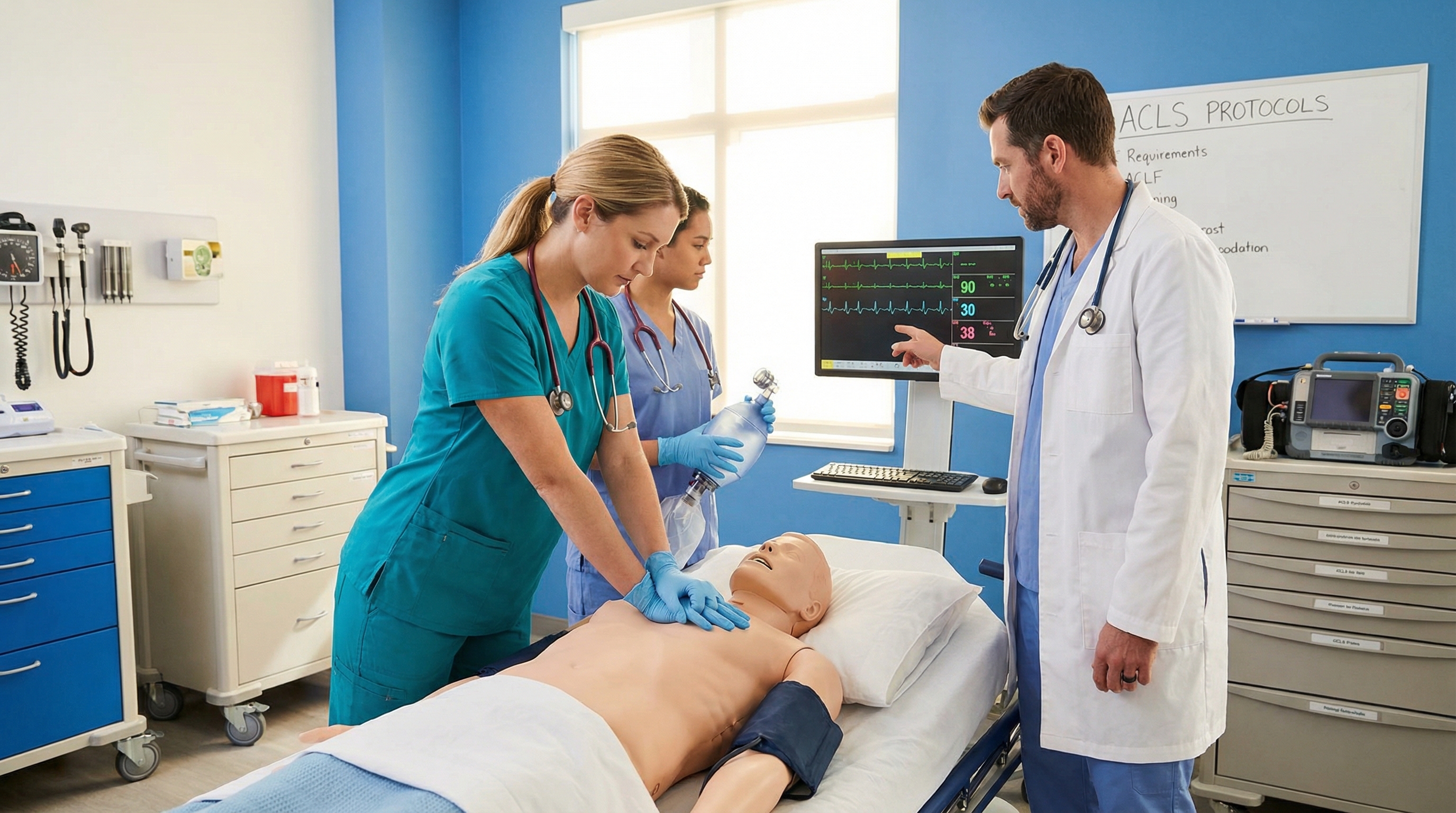
Emergency medicine team performing ACLS resuscitation in the emergency department


The mainstay of CPVT management — both acutely for arrhythmia suppression and chronically for prevention — is beta-blockade. High-dose nadolol or propranolol blunts the catecholamine surge that triggers VT episodes. In the acute setting, IV beta-blockade (esmolol, metoprolol) can help terminate electrical storm if VF episodes are recurring after successful defibrillations. According to peer-reviewed data on inherited arrhythmia syndromes, CPVT is a highly penetrant disease with sudden cardiac arrest often being the presenting symptom — underscoring why family screening after an index event is considered an absolute clinical prerequisite.


Putting It Together: ECG Recognition Under Pressure

The emergency department is not always the place for a leisurely ECG analysis. When a young patient collapses or presents post-resuscitation, you need a rapid, systematic approach to identifying an inherited arrhythmia pattern. Here is a clinically practical framework:


  • Step 1 — Look at leads V1–V3 first. Is there an ST elevation that does not fit a typical STEMI distribution? Absent reciprocal changes, absent classic culprit vessel territory? A right precordial ST elevation with coved or saddleback morphology points toward Brugada. Review your approach to ECG interpretation in myocardial ischemia to sharpen your differential.
  • Step 2 — Measure the QTc. Use Bazett's formula: QTc equals QT divided by the square root of the RR interval. A QTc greater than 500 ms in the context of a young patient with syncope or arrest should trigger your LQTS protocol.
  • Step 3 — Assess the VT morphology if present. Is it monomorphic? Polymorphic? Bidirectional? Bidirectional VT in an exercise context is essentially pathognomonic for CPVT. Polymorphic VT with a long QTc preceding it points to torsades. A wide complex regular tachycardia with a prior Brugada ECG suggests Brugada-triggered VT or VF.
  • Step 4 — Ask about fever, medications, and family history. A febrile unmasking of Brugada, a new QT-prolonging drug, or a first-degree relative with unexplained sudden death all shift your probability significantly.


Mastering the nuances of wide complex tachycardia interpretation will pay dividends across all of these scenarios — these patterns rarely announce themselves with a label.


A Brief Note on ARVC and Short QT Syndrome

Arrhythmogenic right ventricular cardiomyopathy (ARVC) involves fibrofatty replacement of right ventricular myocardium and presents with exercise-induced VT with a left bundle branch block morphology — the VT originates from the diseased RV. ECG findings include epsilon waves (small deflections after the QRS in V1–V3), T-wave inversions in V1–V3 in adults, and terminal QRS slurring. While ARVC has a structural component unlike the pure channelopathies, it frequently presents as an inherited arrhythmia in young athletes and warrants inclusion in your differential. The 2017 AHA/ACC/HRS Guideline for Management of Ventricular Arrhythmias provides an authoritative framework for ARVC evaluation and risk stratification.


Short QT syndrome — a QTc below 330–360 ms — is exceedingly rare but similarly predisposes to VF and sudden cardiac arrest, often via tall, peaked, and symmetrical T waves across all precordial leads. Recognizing an unexpectedly short QTc in a young arrest patient is an important diagnostic alert to pass along to the electrophysiology team.


Post-Arrest Care: What Comes After ROSC

Achieving return of spontaneous circulation (ROSC) is only the beginning. For a young patient resuscitated from VF with suspected inherited arrhythmia, your post-arrest care strategy must integrate the specific channelopathy context. Standard post-arrest care — targeted temperature management, hemodynamic optimization, continuous cardiac monitoring — applies universally. However, your team should immediately begin the diagnostic workup to characterize the underlying syndrome before the patient leaves your care.


Order a 12-lead ECG as soon as ROSC is achieved and the patient's temperature is normalizing. Request an electrophysiology consultation immediately. Initiate genetic counseling discussions with the family, since 2025 research emphasizes that family screening is an absolute prerequisite for all highly penetrant inherited arrhythmia syndromes — first-degree relatives of a CPVT or Brugada index patient carry substantial risk themselves. The long-term implications of neurological recovery after cardiac arrest are another domain your team must actively address in parallel with the arrhythmia workup.


For all three major inherited arrhythmia syndromes — Brugada, LQTS, and CPVT — the definitive long-term therapy following a cardiac arrest event is an implantable cardioverter-defibrillator (ICD). The 2022 ESC guidelines provide the most current evidence-based framework, and your role as an emergency or critical care provider is to bridge the patient safely to that definitive management, avoiding pharmacological harm along the way.


Dangerous Drugs in Each Syndrome: A Quick Reference

One of the highest-yield ACLS competencies when managing inherited arrhythmia patients is knowing which medications are contraindicated. The wrong drug at the wrong moment can precipitate the very arrhythmia you are trying to treat.


  • Brugada Syndrome: Avoid sodium channel blockers (Class Ic antiarrhythmics: flecainide, propafenone; Class Ia: procainamide, ajmaline). Avoid cocaine and excessive alcohol. Use isoproterenol for electrical storm. Beta-blockers are not first-line and may worsen vagally mediated VF in some settings.
  • Long QT Syndrome: Avoid all QT-prolonging agents including sotalol, amiodarone, azithromycin, fluoroquinolones, haloperidol, ondansetron, and tricyclic antidepressants. Use magnesium sulfate for TdP, and overdrive pacing or isoproterenol for recurrent TdP. Correct hypokalemia and hypomagnesemia aggressively.
  • CPVT: Exercise caution with catecholamines including epinephrine, which may worsen arrhythmia. Use IV beta-blockers (esmolol or metoprolol) for arrhythmia suppression. Flecainide has shown adjunctive benefit in high-risk CPVT patients when combined with beta-blockade.


Keeping this framework in mind integrates seamlessly with your existing knowledge of how amiodarone and cardioversion are applied in wide complex tachycardias — though in the channelopathy context, the decision to use amiodarone requires additional scrutiny.


The Cascade: Family Screening and the ACLS Provider's Role

When you resuscitate a young patient from an inherited arrhythmia-related cardiac arrest, you are not just treating one patient. You are identifying an index case that may have first-degree relatives carrying the same genetic mutation — and who may themselves be at risk for sudden cardiac death before they ever reach an emergency department. According to the 2020 APHRS/HRS Expert Consensus Statement on Sudden Unexplained Death, thorough investigation of decedents and cascade family screening are considered standard of care.


Your documentation during the acute encounter matters. Note the specific arrhythmia type observed, any ECG findings before or after ROSC, the clinical context (sleep, exertion, fever, medications), and any family history elicited from bystanders or accompanying family members. This information feeds directly into the genetic counseling and screening cascade that can prevent the next sudden death in that family. Recognizing and acting on inherited arrhythmia syndromes at the ACLS level thus has implications that extend far beyond the immediate resuscitation.


Strengthen Your ACLS Skills for Complex Arrhythmia Scenarios

The scenarios described throughout this article — a febrile young man in VF with a Brugada pattern, a teenager with exercise-induced bidirectional VT, a sleeping adult who arrests with a long QTc — represent the sharp edge of ACLS competency. They require not just knowledge of the standard algorithms but a flexible, pattern-based clinical reasoning that comes from deep, continuous education.


At Affordable ACLS, our ACLS certification curriculum is built and delivered by board-certified emergency medicine physicians who have managed exactly these presentations. Our courses are fully aligned with AHA/ILCOR guidelines, self-paced for working clinicians, and cover arrhythmia recognition, defibrillation principles, cardiac arrest algorithms, and post-arrest care in the depth that complex cases demand. ACLS certification is available for $99 (renewal $89), with BLS available at $59 and PALS at $99. Call us at 866-655-2157 to learn more.


Whether you are preparing for initial certification or renewing your credentials, building your recognition skills for inherited arrhythmia syndromes will make you a more effective provider in the moments that matter most. The patient who arrests from Brugada syndrome, LQTS, or CPVT deserves a clinician who sees past the VF waveform to the underlying electrical disorder — and who makes every ACLS decision accordingly.


ACLS Blogs

Recognizing Brugada Syndrome and Other Inherited Arrhythmias: ACLS Decision-Making for Sudden Cardiac Death Syndromes

When the Heart's Electrical Wiring Is Wired Wrong: An Introduction to Inherited Arrhythmias

Every resuscitation tells a story. But some cardiac arrests arrive with no obvious coronary disease, no prior warning, no identifiable ischemic cause — just a young, otherwise healthy person in ventricular fibrillation. When that happens, the experienced clinician immediately considers the category of inherited cardiac channelopathies: genetic disorders of the ion channels that govern the heart's electrical system.


Conditions like Brugada syndrome, Long QT syndrome (LQTS), and catecholaminergic polymorphic ventricular tachycardia (CPVT) collectively account for a significant share of sudden cardiac death in patients under 40. They are structurally silent — a standard echocardiogram may look completely normal — yet electrically lethal. As emergency and critical care providers, our ability to recognize their signatures on the ECG and make sound ACLS decisions in the acute setting is not just a clinical skill. It is a lifesaving imperative.


This article walks you through the three major inherited arrhythmia syndromes you are most likely to encounter in a resuscitation scenario, with a focus on ECG recognition, acute ACLS decision-making, and the nuances that differentiate these conditions from run-of-the-mill ventricular fibrillation. Understanding the Hs and Ts framework of sudden cardiac arrest is an excellent starting point, but channelopathies add a layer of complexity that deserves dedicated focus.


Brugada Syndrome: The Coved Pattern That Demands Respect

First described in 1992 by Pedro and Josep Brugada, Brugada syndrome is an autosomal dominant channelopathy caused primarily by loss-of-function mutations in the SCN5A gene, which encodes the cardiac sodium channel Nav1.5. The result is a depolarization defect concentrated in the right ventricular outflow tract — an electrophysiological vulnerability that predisposes affected individuals to spontaneous ventricular fibrillation, most commonly at rest or during sleep when vagal tone is high.


Prevalence estimates range from 1 in 2,000 to 1 in 5,000 in the general population, with a notable predominance in Southeast Asian males. It is estimated to account for 4–12% of all sudden cardiac deaths and up to 20% of sudden deaths in patients with structurally normal hearts. According to StatPearls, among patients who experience life-threatening arrhythmias such as ventricular tachycardia or fibrillation, approximately 80% report a preceding episode of syncope — making syncopal history a critical red flag during your history-taking.


The hallmark of Brugada syndrome is a distinctive ECG pattern in the right precordial leads (V1–V3). Recognizing this pattern under pressure, when a patient is seizing, cyanotic, or in full arrest, is a core ACLS competency that separates the exceptional clinician from the merely adequate one.

12-lead ECG showing Type 1 Brugada coved pattern in right precordial leads


The Three Brugada ECG Types

The Type 1 Brugada pattern — the only one considered diagnostic — features a coved-type ST-segment elevation of at least 2 mm in one or more of leads V1–V3, followed by a descending ST segment and a negative T wave. Think of it as a shark fin or cobblestone morphology: the ST segment rises, rounds at the apex, and descends steeply into T-wave inversion. This is not a STEMI mimic you can dismiss; it is a potentially fatal electrical signature that requires immediate acknowledgment.


The Type 2 pattern demonstrates a saddleback morphology — the ST segment rises, dips slightly, and then rises again before descending. This pattern warrants further evaluation with sodium channel blocker provocation testing (ajmaline, flecainide) when clinical suspicion is high, though that is typically a cardiology consultation outside the resuscitation bay. The Type 3 pattern, showing either morphology with less than 2 mm of ST elevation, is non-diagnostic. Critically, fever is a well-known unmasking trigger: a febrile patient presenting with syncope and a V1–V3 ST abnormality should raise immediate concern for Brugada syndrome, as elevated body temperature can convert a Type 2 or 3 pattern into a diagnostic Type 1.


ACLS Decision-Making in Brugada Syndrome

In the acute setting, if a Brugada patient presents in ventricular fibrillation, immediate defibrillation is the priority — the same as for any shockable rhythm. Do not let the ECG recognition delay your shock. Understanding how to identify and act on shockable rhythms forms the backbone of this response. Your ACLS algorithm for VF and pulseless VT applies in full: high-quality CPR, early defibrillation, and epinephrine every 3–5 minutes.


Where Brugada syndrome diverges from garden-variety VF is in drug selection. Avoid sodium channel blockers — Class Ia and Ic antiarrhythmics including procainamide, flecainide, and propafenone — as these can exacerbate the sodium channel dysfunction and worsen arrhythmia. Amiodarone has a mixed evidence base in Brugada-triggered VF; it is not contraindicated in cardiac arrest but should not be viewed as a definitive stabilizing agent. For electrical storm — defined as three or more VF episodes in 24 hours — isoproterenol is the most evidence-supported acute intervention, counteracting the high vagal tone that precipitates arrhythmia recurrence. The 2022 ESC Guidelines for Ventricular Arrhythmias give isoproterenol a Class IIa recommendation for electrical storm in Brugada syndrome — a nuance that is worth knowing cold.


Long QT Syndrome: When the T Wave Hides a Deadly Secret

Long QT syndrome encompasses a family of genetic disorders affecting repolarization, characterized by a prolonged QTc interval on the ECG. The most common subtypes — LQT1 (KCNQ1 mutations), LQT2 (KCNH2 mutations), and LQT3 (SCN5A gain-of-function mutations) — each carry distinct arrhythmia triggers and management nuances. Collectively, LQTS affects approximately 1 in 2,000 individuals and is a leading cause of sudden cardiac death in children and young adults.


On the ECG, a corrected QT interval (QTc) of greater than 450 ms in males or greater than 460 ms in females should prompt further evaluation. A QTc exceeding 500 ms significantly elevates arrhythmia risk. The signature arrhythmia of LQTS is torsades de pointes (TdP) — a polymorphic ventricular tachycardia that rotates around the isoelectric baseline. Left untreated, TdP can degenerate into ventricular fibrillation. A thorough review of ventricular fibrillation causes and treatment should inform your broader resuscitation approach in these patients.


Understanding arrhythmia triggers by subtype is clinically invaluable. LQT1 events are commonly triggered by physical exertion, particularly swimming. LQT2 events are triggered by sudden auditory stimuli — a ringing alarm clock or phone is a classically cited precipitant. LQT3 events occur preferentially during sleep or bradycardia. This trigger profile should inform both your history-taking and your risk counseling when a young patient presents with unexplained syncope.


ACLS Decision-Making in Long QT Syndrome

When torsades de pointes is recognized, the cornerstone of acute treatment is intravenous magnesium sulfate — typically 2g IV push over 1–2 minutes — even in patients with a normal serum magnesium level. Magnesium suppresses early afterdepolarizations, the triggering mechanism for TdP. If TdP degenerates into sustained VF, standard defibrillation applies. Critically, review and discontinue any QT-prolonging medications immediately: antipsychotics, certain antibiotics (azithromycin, fluoroquinolones), antiemetics (ondansetron), and antiarrhythmics like sotalol and amiodarone all have the potential to worsen LQTS-triggered arrhythmia.


For recurrent or refractory TdP, temporary cardiac pacing at rates of 90–120 bpm shortens the QT interval and suppresses arrhythmia by reducing bradycardia-dependent dispersion of repolarization. Isoproterenol can serve the same purpose pharmacologically when pacing is not immediately available. Correcting electrolyte abnormalities — hypokalemia and hypomagnesemia potentiate QT prolongation — is an essential parallel intervention. A detailed review of wide complex tachycardias will help you confidently differentiate TdP from other polymorphic VT patterns in real time.


CPVT: The Arrhythmia That Exercise Provokes

Catecholaminergic polymorphic ventricular tachycardia (CPVT) is perhaps the most diagnostically elusive of the inherited arrhythmia syndromes precisely because the resting ECG is almost always normal. CPVT is caused primarily by mutations in the RYR2 gene, which encodes the ryanodine receptor 2 — the calcium release channel on the sarcoplasmic reticulum of cardiac myocytes. When catecholamines surge during exercise or emotional stress, the defective RYR2 channel triggers calcium overload and delayed afterdepolarizations, initiating bidirectional or polymorphic ventricular tachycardia. According to a 2025 update on inherited arrhythmia syndromes, RYR2 and a second gene (CASQ2) together account for 50–65% of all CPVT cases.


CPVT typically presents in children and adolescents with exercise-induced syncope, seizures, or sudden cardiac arrest. The mean age of first symptoms is approximately 12 years. Because the baseline ECG is normal and there is no structural heart disease on imaging, these patients are frequently misdiagnosed with epilepsy or vasovagal syncope before the correct diagnosis is made. The diagnostic key is an exercise stress test: CPVT patients develop characteristic bidirectional ventricular tachycardia — alternating QRS axis on a beat-to-beat basis — at heart rates above approximately 120–130 bpm.


ACLS Decision-Making in CPVT

In the arrest scenario, CPVT-triggered VF is treated with standard defibrillation. However, the critical ACLS nuance is epinephrine caution. Epinephrine — a potent catecholamine — may paradoxically worsen arrhythmia in CPVT by amplifying the calcium overload mechanism. While current AHA ACLS guidelines still include epinephrine for cardiac arrest, providers managing a CPVT patient in known VF arrest should be aware of this physiological tension and discuss it with the team. Some electrophysiology experts advocate for lower epinephrine doses or vasopressin as an alternative vasopressor in this context, though definitive evidence-based guidance remains limited.

Emergency medicine team performing ACLS resuscitation in the emergency department


The mainstay of CPVT management — both acutely for arrhythmia suppression and chronically for prevention — is beta-blockade. High-dose nadolol or propranolol blunts the catecholamine surge that triggers VT episodes. In the acute setting, IV beta-blockade (esmolol, metoprolol) can help terminate electrical storm if VF episodes are recurring after successful defibrillations. According to peer-reviewed data on inherited arrhythmia syndromes, CPVT is a highly penetrant disease with sudden cardiac arrest often being the presenting symptom — underscoring why family screening after an index event is considered an absolute clinical prerequisite.


Putting It Together: ECG Recognition Under Pressure

The emergency department is not always the place for a leisurely ECG analysis. When a young patient collapses or presents post-resuscitation, you need a rapid, systematic approach to identifying an inherited arrhythmia pattern. Here is a clinically practical framework:


  • Step 1 — Look at leads V1–V3 first. Is there an ST elevation that does not fit a typical STEMI distribution? Absent reciprocal changes, absent classic culprit vessel territory? A right precordial ST elevation with coved or saddleback morphology points toward Brugada. Review your approach to ECG interpretation in myocardial ischemia to sharpen your differential.
  • Step 2 — Measure the QTc. Use Bazett's formula: QTc equals QT divided by the square root of the RR interval. A QTc greater than 500 ms in the context of a young patient with syncope or arrest should trigger your LQTS protocol.
  • Step 3 — Assess the VT morphology if present. Is it monomorphic? Polymorphic? Bidirectional? Bidirectional VT in an exercise context is essentially pathognomonic for CPVT. Polymorphic VT with a long QTc preceding it points to torsades. A wide complex regular tachycardia with a prior Brugada ECG suggests Brugada-triggered VT or VF.
  • Step 4 — Ask about fever, medications, and family history. A febrile unmasking of Brugada, a new QT-prolonging drug, or a first-degree relative with unexplained sudden death all shift your probability significantly.


Mastering the nuances of wide complex tachycardia interpretation will pay dividends across all of these scenarios — these patterns rarely announce themselves with a label.


A Brief Note on ARVC and Short QT Syndrome

Arrhythmogenic right ventricular cardiomyopathy (ARVC) involves fibrofatty replacement of right ventricular myocardium and presents with exercise-induced VT with a left bundle branch block morphology — the VT originates from the diseased RV. ECG findings include epsilon waves (small deflections after the QRS in V1–V3), T-wave inversions in V1–V3 in adults, and terminal QRS slurring. While ARVC has a structural component unlike the pure channelopathies, it frequently presents as an inherited arrhythmia in young athletes and warrants inclusion in your differential. The 2017 AHA/ACC/HRS Guideline for Management of Ventricular Arrhythmias provides an authoritative framework for ARVC evaluation and risk stratification.


Short QT syndrome — a QTc below 330–360 ms — is exceedingly rare but similarly predisposes to VF and sudden cardiac arrest, often via tall, peaked, and symmetrical T waves across all precordial leads. Recognizing an unexpectedly short QTc in a young arrest patient is an important diagnostic alert to pass along to the electrophysiology team.


Post-Arrest Care: What Comes After ROSC

Achieving return of spontaneous circulation (ROSC) is only the beginning. For a young patient resuscitated from VF with suspected inherited arrhythmia, your post-arrest care strategy must integrate the specific channelopathy context. Standard post-arrest care — targeted temperature management, hemodynamic optimization, continuous cardiac monitoring — applies universally. However, your team should immediately begin the diagnostic workup to characterize the underlying syndrome before the patient leaves your care.


Order a 12-lead ECG as soon as ROSC is achieved and the patient's temperature is normalizing. Request an electrophysiology consultation immediately. Initiate genetic counseling discussions with the family, since 2025 research emphasizes that family screening is an absolute prerequisite for all highly penetrant inherited arrhythmia syndromes — first-degree relatives of a CPVT or Brugada index patient carry substantial risk themselves. The long-term implications of neurological recovery after cardiac arrest are another domain your team must actively address in parallel with the arrhythmia workup.


For all three major inherited arrhythmia syndromes — Brugada, LQTS, and CPVT — the definitive long-term therapy following a cardiac arrest event is an implantable cardioverter-defibrillator (ICD). The 2022 ESC guidelines provide the most current evidence-based framework, and your role as an emergency or critical care provider is to bridge the patient safely to that definitive management, avoiding pharmacological harm along the way.


Dangerous Drugs in Each Syndrome: A Quick Reference

One of the highest-yield ACLS competencies when managing inherited arrhythmia patients is knowing which medications are contraindicated. The wrong drug at the wrong moment can precipitate the very arrhythmia you are trying to treat.


  • Brugada Syndrome: Avoid sodium channel blockers (Class Ic antiarrhythmics: flecainide, propafenone; Class Ia: procainamide, ajmaline). Avoid cocaine and excessive alcohol. Use isoproterenol for electrical storm. Beta-blockers are not first-line and may worsen vagally mediated VF in some settings.
  • Long QT Syndrome: Avoid all QT-prolonging agents including sotalol, amiodarone, azithromycin, fluoroquinolones, haloperidol, ondansetron, and tricyclic antidepressants. Use magnesium sulfate for TdP, and overdrive pacing or isoproterenol for recurrent TdP. Correct hypokalemia and hypomagnesemia aggressively.
  • CPVT: Exercise caution with catecholamines including epinephrine, which may worsen arrhythmia. Use IV beta-blockers (esmolol or metoprolol) for arrhythmia suppression. Flecainide has shown adjunctive benefit in high-risk CPVT patients when combined with beta-blockade.


Keeping this framework in mind integrates seamlessly with your existing knowledge of how amiodarone and cardioversion are applied in wide complex tachycardias — though in the channelopathy context, the decision to use amiodarone requires additional scrutiny.


The Cascade: Family Screening and the ACLS Provider's Role

When you resuscitate a young patient from an inherited arrhythmia-related cardiac arrest, you are not just treating one patient. You are identifying an index case that may have first-degree relatives carrying the same genetic mutation — and who may themselves be at risk for sudden cardiac death before they ever reach an emergency department. According to the 2020 APHRS/HRS Expert Consensus Statement on Sudden Unexplained Death, thorough investigation of decedents and cascade family screening are considered standard of care.


Your documentation during the acute encounter matters. Note the specific arrhythmia type observed, any ECG findings before or after ROSC, the clinical context (sleep, exertion, fever, medications), and any family history elicited from bystanders or accompanying family members. This information feeds directly into the genetic counseling and screening cascade that can prevent the next sudden death in that family. Recognizing and acting on inherited arrhythmia syndromes at the ACLS level thus has implications that extend far beyond the immediate resuscitation.


Strengthen Your ACLS Skills for Complex Arrhythmia Scenarios

The scenarios described throughout this article — a febrile young man in VF with a Brugada pattern, a teenager with exercise-induced bidirectional VT, a sleeping adult who arrests with a long QTc — represent the sharp edge of ACLS competency. They require not just knowledge of the standard algorithms but a flexible, pattern-based clinical reasoning that comes from deep, continuous education.


At Affordable ACLS, our ACLS certification curriculum is built and delivered by board-certified emergency medicine physicians who have managed exactly these presentations. Our courses are fully aligned with AHA/ILCOR guidelines, self-paced for working clinicians, and cover arrhythmia recognition, defibrillation principles, cardiac arrest algorithms, and post-arrest care in the depth that complex cases demand. ACLS certification is available for $99 (renewal $89), with BLS available at $59 and PALS at $99. Call us at 866-655-2157 to learn more.


Whether you are preparing for initial certification or renewing your credentials, building your recognition skills for inherited arrhythmia syndromes will make you a more effective provider in the moments that matter most. The patient who arrests from Brugada syndrome, LQTS, or CPVT deserves a clinician who sees past the VF waveform to the underlying electrical disorder — and who makes every ACLS decision accordingly.


blogs

More articles for you

all articles

Start Today!

Get certified at your own pace, on your schedule, from the comfort of your home.