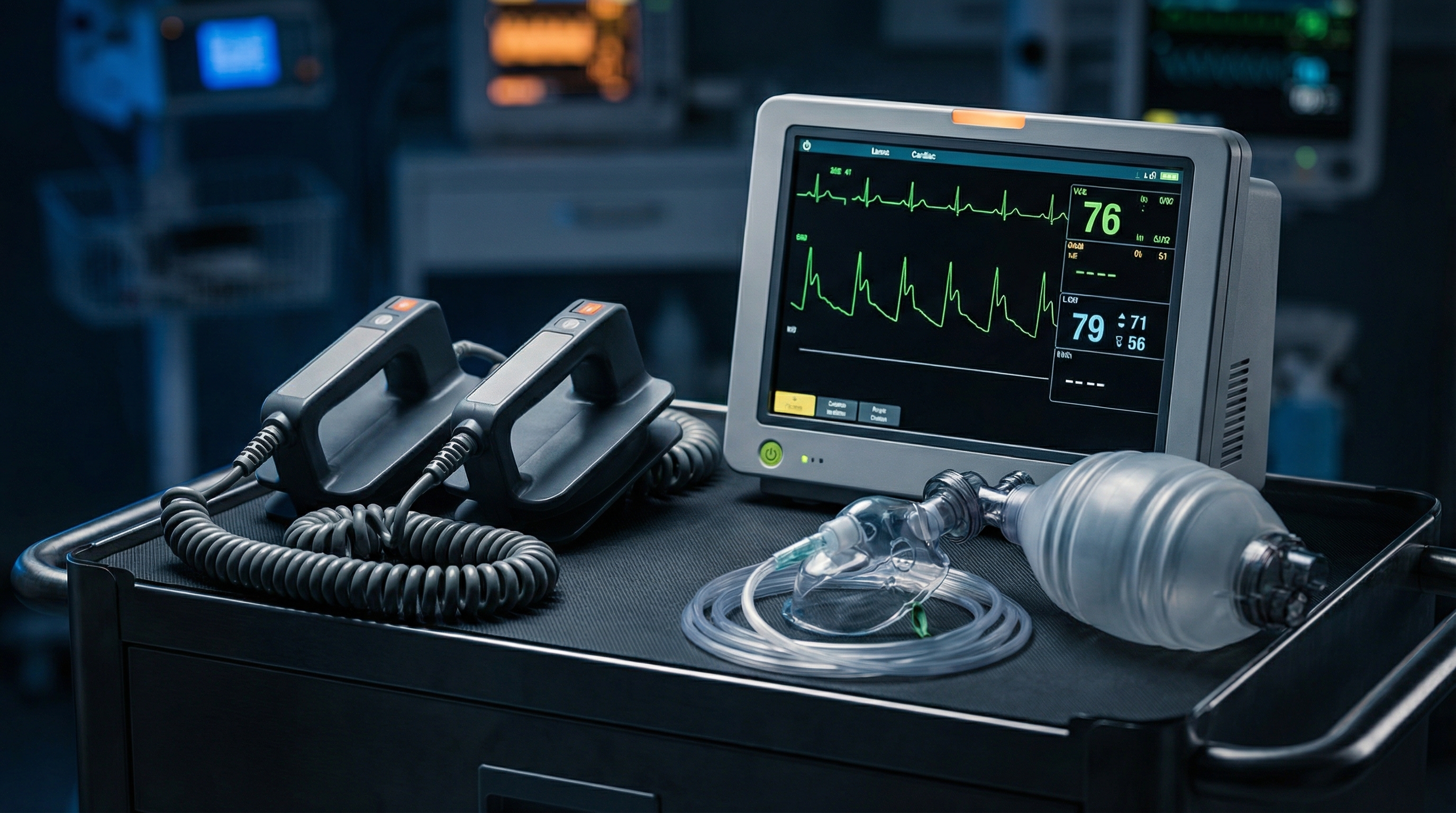
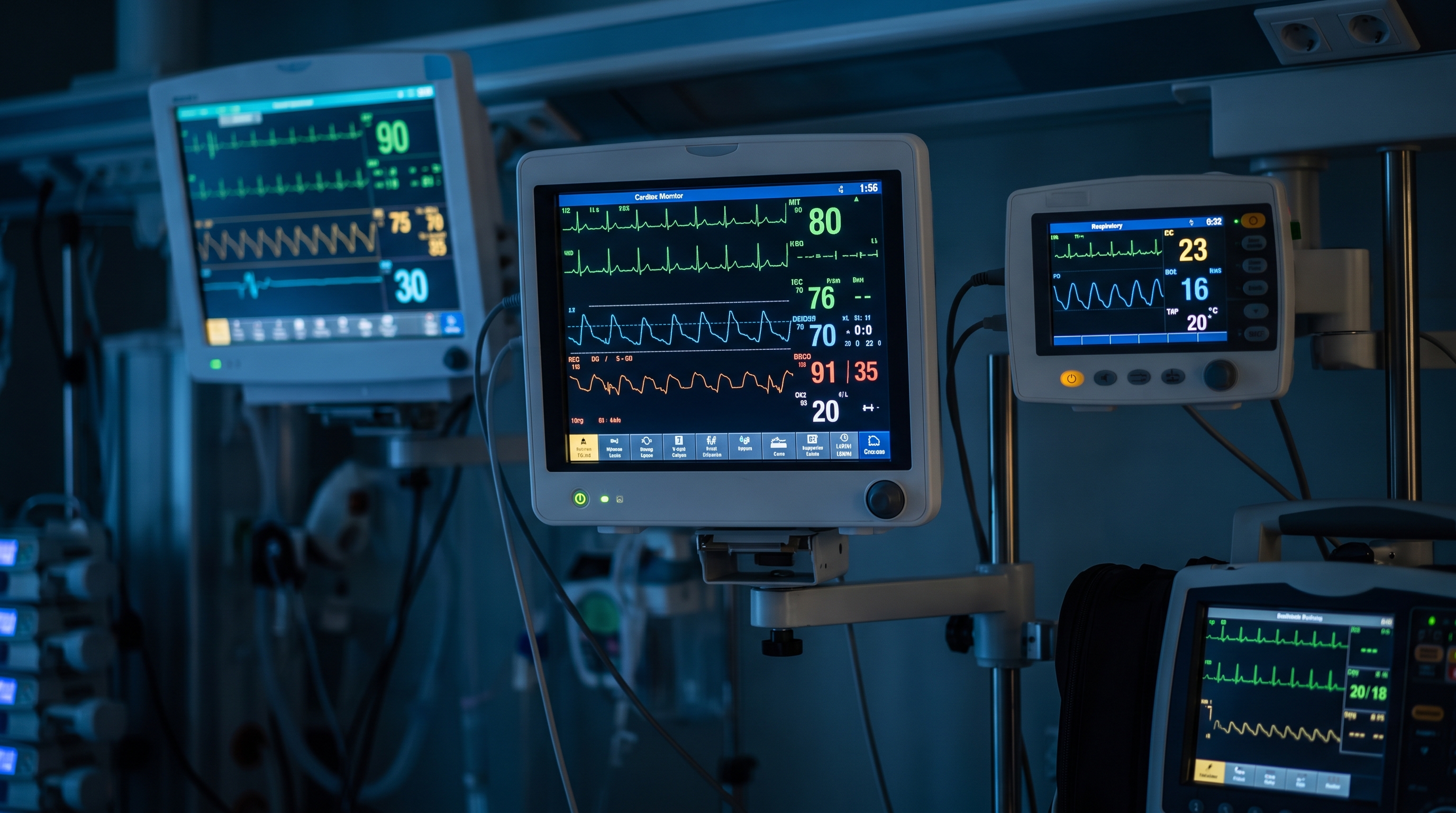
Cardiovascular disease remains the leading cause of death worldwide, claiming an estimated 18 million lives annually. Yet one of the most striking shifts in modern cardiology is not happening in catheterization labs or surgical suites — it is happening on patients' wrists, in their pockets, and in their homes. Wearable technology and remote monitoring platforms are fundamentally changing how early cardiac events are detected, managed, and ultimately prevented.
For healthcare professionals trained in the latest ACLS guidelines, these technologies represent both an opportunity and a responsibility. As continuous physiological data streams from millions of consumer devices into clinical workflows, clinicians must understand what these tools can and cannot do — and how they fit into established emergency response protocols. This article explores the current state of wearable cardiac monitoring, the evidence behind remote patient monitoring programs, and what it all means for healthcare providers on the front lines of cardiac care.

The concept of ambulatory cardiac monitoring is not new. Holter monitors have been a clinical staple since the 1960s, allowing physicians to capture 24 to 48 hours of continuous ECG data. The limitation was always the same: patients wore bulky, uncomfortable devices for a fixed window of time, and the data sat in a laboratory queue before a cardiologist reviewed it — often days later.
Modern wearable devices have overturned nearly every one of those constraints. Consumer-grade smartwatches, adhesive ECG patches, implantable loop recorders, and photoplethysmography (PPG)-based fitness bands now deliver continuous, real-time physiological data. What once required a hospital visit can today be captured passively during a morning run or a night of sleep. According to a 2025 systematic review published in the European Journal of Cardiovascular Medicine, wearable cardiovascular monitoring devices have demonstrated strong performance in real-time arrhythmia detection, with certain devices achieving sensitivity rates above 90 percent for atrial fibrillation identification.
This evolution matters enormously to the clinical community. Understanding how these technologies work, their validated use cases, and their inherent limitations is now a core competency for any provider managing cardiac patients — not just cardiologists, but emergency physicians, hospitalists, nurses, and advanced practice providers alike.
Among all cardiac conditions targeted by wearable technology, atrial fibrillation (AFib) has received the most rigorous scientific attention. AFib affects more than 33 million people globally and dramatically increases the risk of stroke and heart failure. Because AFib is often paroxysmal — meaning it comes and goes unpredictably — traditional short-duration monitoring frequently misses it entirely.
Consumer-grade devices have stepped into this gap with impressive results. The landmark Apple Heart Study, conducted by Stanford Medicine with over 400,000 participants, demonstrated that an irregular pulse notification from the Apple Watch had an 84 percent positive predictive value for atrial fibrillation confirmed by simultaneous ECG patch monitoring. The KardiaMobile device, developed by AliveCor, has achieved sensitivity rates of 91 percent for AFib detection in comparative studies. These figures represent a genuine clinical advance — passive screening at scale that was simply not possible a decade ago.
For a deeper clinical context on atrial fibrillation — including its mechanisms, symptoms, and current treatment pathways — the Affordable ACLS resource on understanding atrial fibrillation causes, symptoms, and treatments provides an excellent foundation. Pairing that clinical knowledge with an understanding of how wearables detect AFib equips providers to counsel patients effectively and triage wearable-generated alerts appropriately.
It is equally important to understand the limitations. A 2025 systematic review in MDPI Diagnostics found that while the Apple Watch and KardiaMobile devices performed well on first good-quality recordings, the Apple Watch's standard algorithm yielded 19 percent inconclusive results in standard testing. PPG-based detection, used in most fitness wearables without a dedicated ECG sensor, is less precise than single-lead ECG and can produce false positives in younger, healthier populations where the pre-test probability of AFib is low. The clinical takeaway is clear: a wearable alert is a prompt for evaluation, not a diagnosis.
Modern smartwatches equipped with ECG functionality — such as the Apple Watch Series 4 and later, as well as the Samsung Galaxy Watch — generate single-lead recordings comparable to lead I of a 12-lead ECG. This capability is genuinely useful for rhythm assessment. A single-lead tracing can identify AFib, detect bradycardia and tachycardia, and sometimes reveal other rhythm disturbances.
However, the diagnostic gap between a single-lead wearable recording and a full 12-lead clinical ECG is significant. Conditions such as myocardial ischemia, ST-segment changes, bundle branch blocks, and ventricular hypertrophy typically require multiple leads for confident identification. As reviewed in detail in our guide on ECG interpretation in myocardial ischemia, ST-segment analysis across multiple precordial and limb leads is essential for localizing ischemic territory and guiding acute management decisions. A smartwatch cannot replicate this level of diagnostic resolution.
The same 2025 MDPI Diagnostics review specifically examined the diagnostic accuracy of wearable ECG devices for ST-segment changes and found that while devices showed strong performance for AFib detection, evidence for reliable ST-segment change detection remained limited and inconsistent across device types. This underscores the need for clinical corroboration whenever a wearable raises concern about ischemia.
For healthcare providers, this means establishing clear triage protocols for wearable-generated ECG alerts. A patient who presents with a smartwatch notification of an irregular rhythm alongside chest pain, dyspnea, or syncope warrants a full 12-lead ECG and clinical assessment without delay — the wearable reading is a data point, not a substitute for standard evaluation.
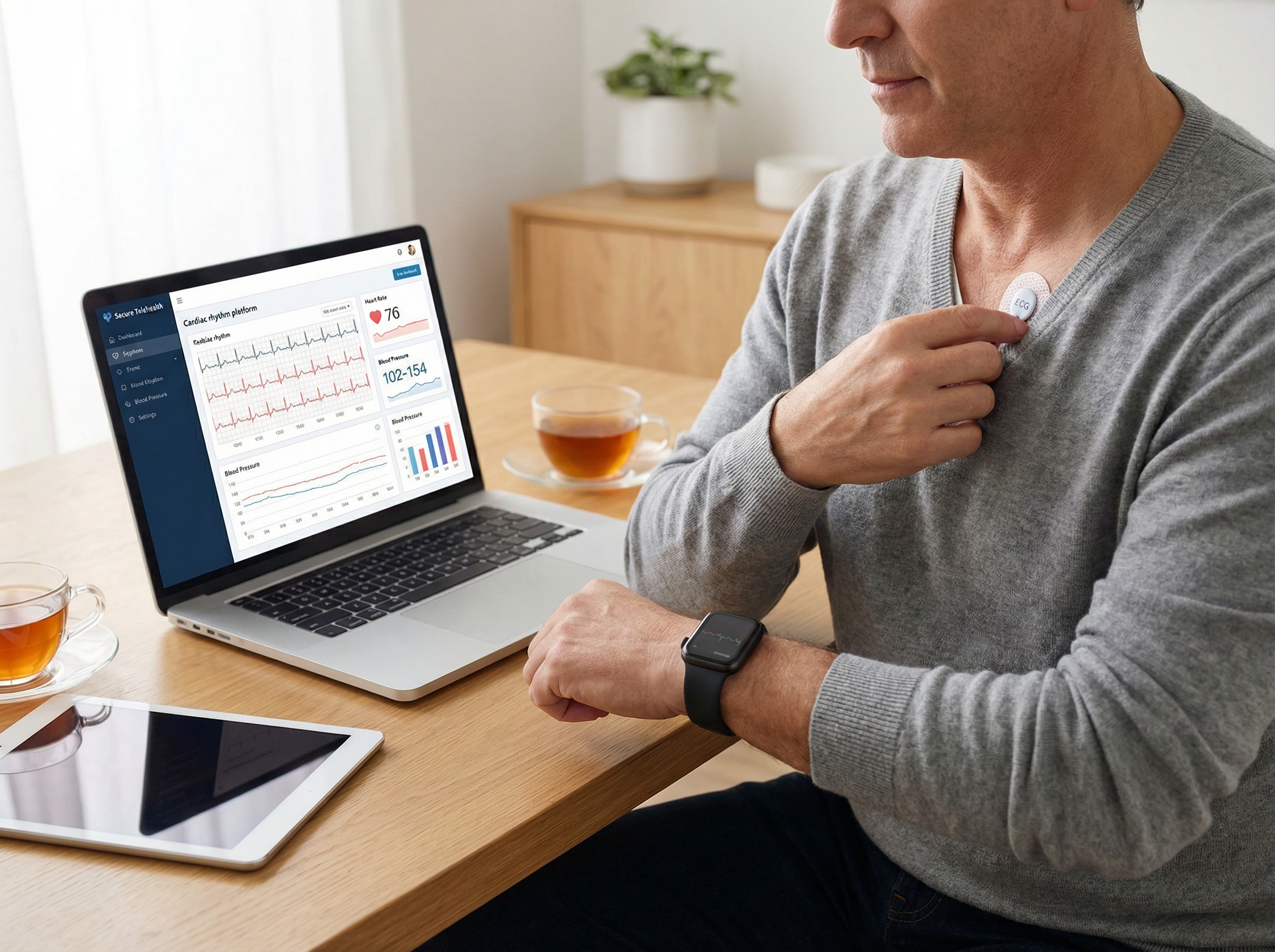
Beyond individual consumer devices, structured remote patient monitoring (RPM) programs represent a more formal integration of wearable data into clinical care. In RPM programs, patients use FDA-cleared devices to transmit physiological data — blood pressure, heart rate, oxygen saturation, weight, and ECG tracings — to care teams who review alerts and respond proactively.
The outcomes data for cardiac RPM programs has grown substantially in recent years. A major heart failure study demonstrated a 38 percent relative reduction in hospital readmissions for patients enrolled in RPM programs, alongside a 12-point improvement on the Kansas City Cardiomyopathy Questionnaire measuring quality of life. The TIM-HF2 trial found healthcare cost savings of approximately €3,125 per patient-year for remotely monitored heart failure patients. A 2025 study in JMIR Cardio demonstrated clinically meaningful blood pressure reductions in high-risk patients managed through team-based electronic health record-integrated RPM services.
For clinicians practicing telehealth and virtual cardiac triage, understanding how to interpret and act on remotely transmitted data is an increasingly critical skill set. The Affordable ACLS article on telehealth providers and remote patient monitoring in virtual cardiac triage details how ACLS knowledge informs decision-making when you cannot physically examine the patient in front of you. The same algorithms that guide in-person emergency management underpin sound virtual triage — and that connection between technology and foundational clinical training cannot be overemphasized.
Wearable devices generate extraordinary volumes of data. A single patient wearing a continuous ECG patch can produce thousands of individual heartbeat recordings over a 30-day monitoring period. No human reviewer could meaningfully analyze this data stream in real time. Artificial intelligence — specifically machine learning and deep learning algorithms — is what makes continuous cardiac monitoring clinically actionable at scale.
AI algorithms embedded in wearable devices and cloud-based analysis platforms can detect subtle rhythm variations, learn individual patient baseline patterns, and flag deviations that may precede a cardiac event by hours or even days. A 2025 scoping review published in JMIR mHealth and uHealth documented that AI-driven real-time cardiovascular monitoring using wearable devices showed strong promise for detecting arrhythmias, predicting deterioration in heart failure patients, and identifying silent AFib episodes that would otherwise go undetected.
The integration of AI into cardiac care is explored in depth in the Affordable ACLS resource on the impact of AI on emergency cardiac care. Understanding how these algorithms work — and recognizing their error modes — is essential for clinicians who will increasingly receive AI-generated alerts and recommendations as part of their workflow. Algorithms are only as good as the data they were trained on, and most current AI cardiac models were developed primarily on data from younger, healthier, or predominantly male populations. Validation in older adults, patients with multiple comorbidities, and diverse demographic groups remains an active area of research.
Perhaps the most ambitious frontier for wearable cardiac technology is early detection of acute coronary syndrome (ACS). ACS — encompassing unstable angina, NSTEMI, and STEMI — remains one of the leading causes of sudden cardiac death and emergency hospitalization. The challenge is that many ACS events are preceded by hours or days of warning signs that patients either ignore or do not recognize.
Research into wearable-based ACS prediction is in earlier stages than AFib detection, but the direction is promising. Several investigational systems are exploring continuous monitoring of heart rate variability, ST-segment trends, and activity patterns as potential early warning signatures. For clinicians, the key reference point remains the established clinical algorithms. The Affordable ACLS guide on the acute coronary syndrome algorithm and the companion resource on recognizing ACS symptoms are essential reading for any provider who may receive a wearable-generated alert and need to rapidly determine whether a patient requires emergency activation.
The gap between a consumer device detecting an abnormality and a provider correctly identifying ACS and activating the appropriate response chain is precisely where clinical training makes the difference. Wearable technology can shorten the time between symptom onset and first clinical contact — but only if the receiving clinician has the knowledge to act decisively on the data.
Wearable devices do not operate in isolation. They function as part of broader digital health ecosystems that include smartphone applications, cloud data platforms, electronic health record integrations, and telehealth interfaces. For patients with chronic cardiac conditions, this ecosystem can create a continuous feedback loop between their daily physiology and their care team — dramatically compressing the time between an early warning signal and a clinical response.
For healthcare providers, navigating these ecosystems requires both technical literacy and clinical judgment. The Affordable ACLS article on digital health and ACLS apps enhancing emergency preparedness examines how technology platforms are expanding the reach of emergency cardiac education and preparedness. Understanding these tools — from patient-facing monitoring apps to provider decision-support systems — is increasingly part of the core clinical skill set.
A 2025 npj Cardiovascular Health guide to consumer-grade wearables in cardiovascular clinical care recommends evaluating devices using an ABCD framework: Accuracy (validated diagnostic performance), Benefit (clinical usefulness for the intended population), Compatibility (integration with existing clinical workflows), and Data governance (privacy, security, and regulatory compliance). This structured approach helps clinicians move beyond marketing claims and make evidence-based recommendations to patients about which wearable tools are genuinely worth adopting.
Despite the genuine advances wearable cardiac technology represents, several significant challenges must be honestly addressed. First, device accuracy remains variable across patient populations. PPG-based sensors perform less accurately in patients with darker skin tones, in individuals with peripheral vascular disease, and during periods of motion artifact. Single-lead ECG devices produce inconclusive or unreadable recordings in a meaningful proportion of attempts, particularly in older adults and patients with obesity.
Second, the democratization of cardiac monitoring has introduced a new clinical burden: the management of false positive alerts. Wearable notifications of irregular rhythm can cause significant patient anxiety, prompt unnecessary emergency department visits, and consume healthcare resources when the underlying rhythm is benign. A 2025 editorial in JMIR Cardio raised important questions about whether the current volume of wearable ECG data being sent to clinicians represents help or hindrance — and noted that without clear triage pathways, well-intentioned monitoring can paradoxically reduce care efficiency.
Third, there is the critical issue of health equity. Premium wearable devices cost hundreds of dollars, and reimbursement pathways for RPM services, while expanding, remain inconsistent across payer types and geographic markets. The patients who stand to benefit most from continuous cardiac monitoring — those with limited access to regular in-person cardiology care — are often the least likely to have access to these technologies. Clinicians and health systems advocating for expanded wearable monitoring programs must simultaneously advocate for equitable access.
Fourth, data privacy and regulatory considerations are non-trivial. Cardiac data is among the most sensitive categories of personal health information. Patients and providers must both understand how device-generated data is stored, who has access to it, and how it is governed under existing privacy frameworks. The FDA continues to evolve its regulatory posture toward software as a medical device, and the clinical and legal landscape around wearable-generated health data is still developing.
It would be a mistake to interpret the rise of wearable cardiac technology as reducing the importance of foundational clinical training. The opposite is true. As the volume of cardiac monitoring data entering clinical workflows continues to increase, the ability to rapidly and accurately interpret that data — and connect it to established emergency management algorithms — becomes more valuable, not less.
When a patient presents after receiving a wearable alert about a rapid heart rate, the provider's response must be grounded in a thorough understanding of tachyarrhythmia management algorithms, not just the device's notification. When a remote monitoring platform flags an overnight bradycardic episode, the clinical response requires knowledge of bradycardia causes, medication effects, and the thresholds at which intervention is indicated. These are precisely the skills reinforced through rigorous ACLS training.
According to a 2025 review in PMC on advancing cardiac arrhythmia management, the integration of wearable technology into clinical care is most effective when paired with robust provider education and clearly defined clinical response protocols. Technology extends detection capability; training determines what happens next.
Affordable ACLS courses are designed by Board Certified Emergency Medicine physicians who understand exactly this intersection. Our curriculum covers the cardiac arrest algorithms, arrhythmia management protocols, and ACS recognition pathways that remain the authoritative response framework — regardless of how the cardiac event was first detected. Whether the alert came from a 12-lead ECG in the emergency department or a smartwatch notification at 2 a.m., the clinical decision pathway is the same, and mastery of that pathway is what saves lives.
The trajectory of wearable cardiac technology points toward even greater integration and diagnostic sophistication. Miniaturized implantable loop recorders already provide years of continuous monitoring with minimal patient burden. Next-generation skin-worn patches are being developed with multi-lead capability, moving closer to the diagnostic resolution of traditional clinical ECG. Cuffless blood pressure monitoring using wearable sensors is advancing rapidly, with several devices reaching regulatory clearance thresholds.
Research programs like the SMART-CARE study, published in Frontiers in Digital Health in 2025, are testing AI-based remote monitoring frameworks for chronic heart failure that combine wearable physiological data with patient-reported symptoms and clinical records to generate predictive risk scores. If validated, these systems could identify patients at risk of acute decompensation days before clinical deterioration becomes apparent — a potential transformation in how heart failure is managed at the population level.
According to projections cited in recent cardiovascular research, an estimated 35.6 million cardiovascular deaths are expected by 2050 — a 90 percent increase compared to current figures — driven largely by aging populations and the global rise of metabolic disease. The scale of this challenge makes the efficient, equitable deployment of cardiac monitoring technology not a luxury but an imperative. Wearables alone will not solve this crisis. But as one part of a comprehensive cardiac care strategy — paired with skilled clinicians, evidence-based protocols, and ongoing provider education — they represent a genuinely transformative capability.
For a broader perspective on where cardiology and emergency medicine are heading, the Affordable ACLS article on advancements in cardiology you need to know covers the latest developments shaping clinical practice. Staying current with both technological and guideline changes is the hallmark of the prepared cardiac provider.
Wearable technology and remote monitoring are genuinely reshaping early cardiac event detection. They are enabling passive, continuous surveillance of physiological signals that were previously invisible outside the clinic. They are catching silent AFib, shortening the time to diagnosis, reducing hospitalizations, and empowering patients to participate actively in their own cardiac health. This is remarkable progress, and it deserves genuine enthusiasm from the clinical community.
At the same time, these technologies are most powerful in the hands of clinicians who bring deep, current knowledge of cardiac emergency management to the interface. A wearable alert is a starting point, not a destination. What happens after that alert — the triage decision, the clinical assessment, the activation of an emergency response chain, the execution of an ACLS algorithm — depends entirely on the training and preparation of the healthcare provider who receives it.
Affordable ACLS is built on the conviction that every healthcare provider deserves access to rigorous, clinically current, and financially accessible cardiac emergency training. Our 100 percent online, self-paced courses — available for as little as $59 for BLS and $99 for ACLS — are developed by Board Certified Emergency Medicine physicians and align with AHA and ILCOR standards. As wearable technology continues to evolve, the clinical foundation it rests on must evolve with it. Visit www.affordableacls.com to explore our certification offerings and keep your cardiac emergency skills at the level this moment demands.
.jpg)