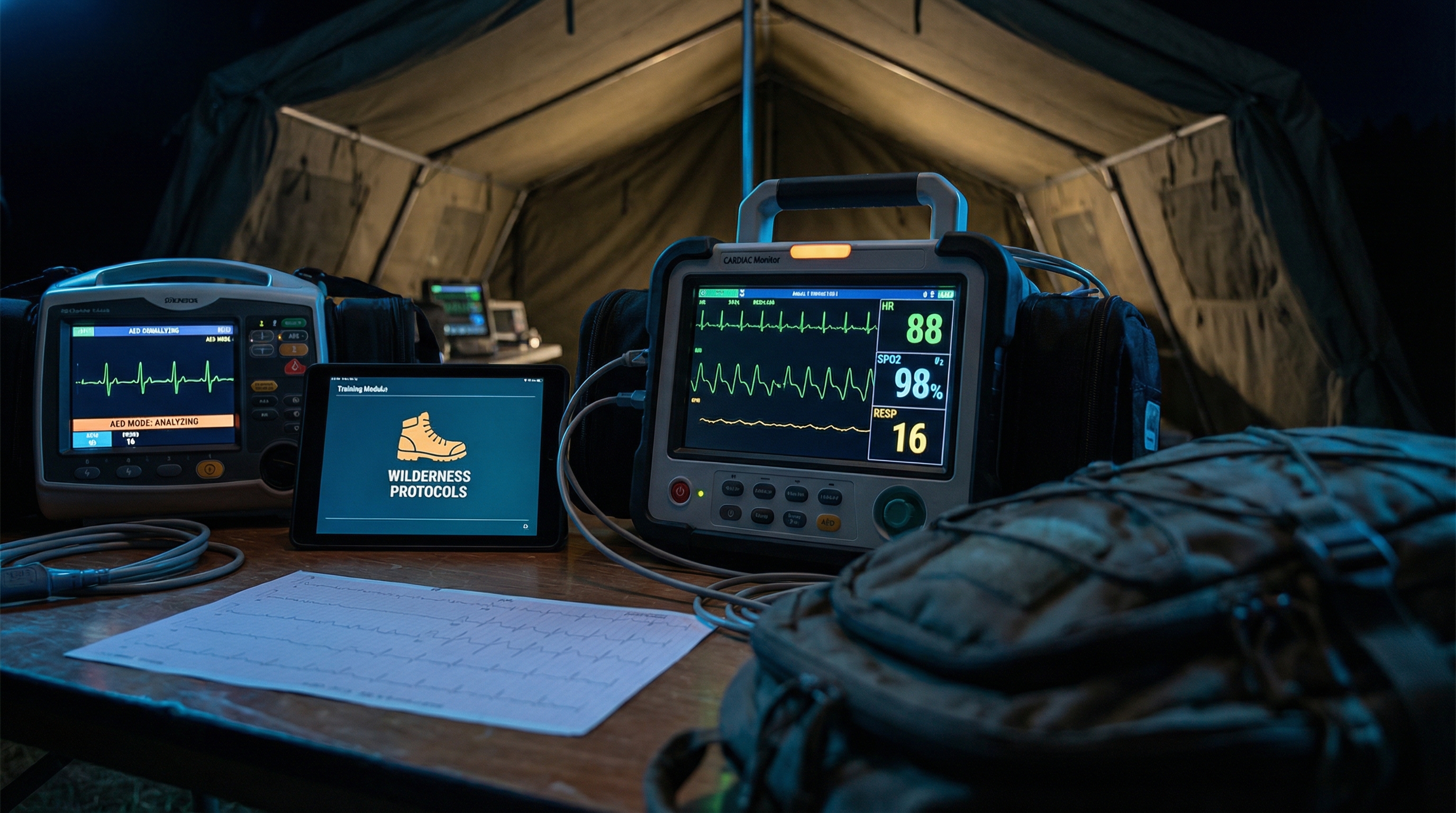
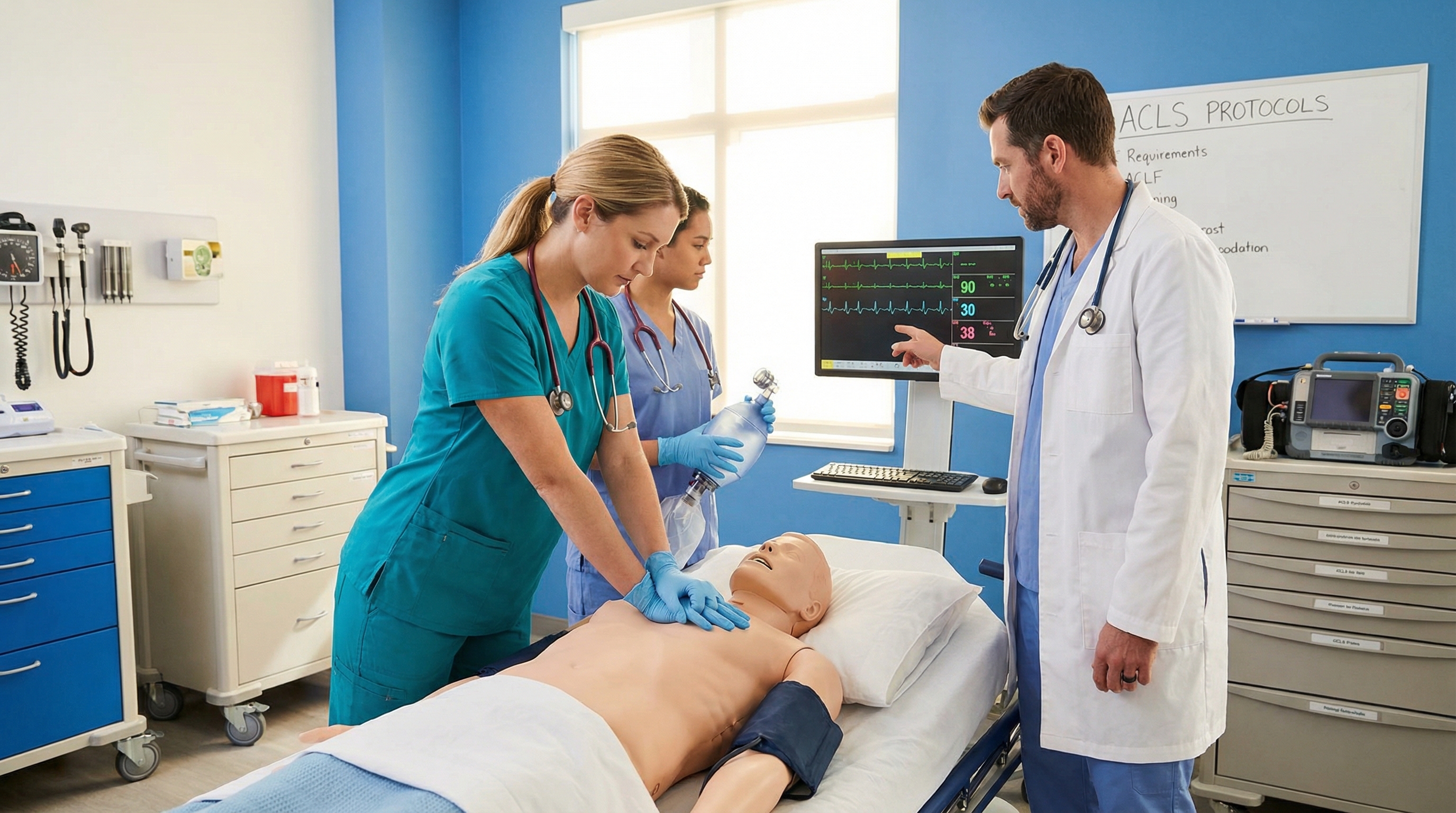
Every summer, millions of children attend camps and outdoor recreation programs across the United States, from traditional sleepaway camps in wooded valleys to adventure programs on mountain peaks. While these experiences create lifelong memories and foster personal growth, they also present unique medical challenges that require specialized preparedness. Unlike urban healthcare settings where emergency services arrive within minutes, wilderness environments can leave medical staff isolated with limited resources and extended response times.
For camp nurses and outdoor recreation staff, PALS certification and BLS training aren't just professional credentials—they're essential lifesaving skills that bridge the critical gap between a medical emergency and definitive care. Research examining disaster preparedness among children's summer camps reveals concerning gaps: many camps lack adequate emergency supplies, with 68% missing proper evacuation equipment and 21% without quarantine isolation areas. These statistics underscore the vital importance of having properly trained medical personnel who can respond effectively when every second counts.
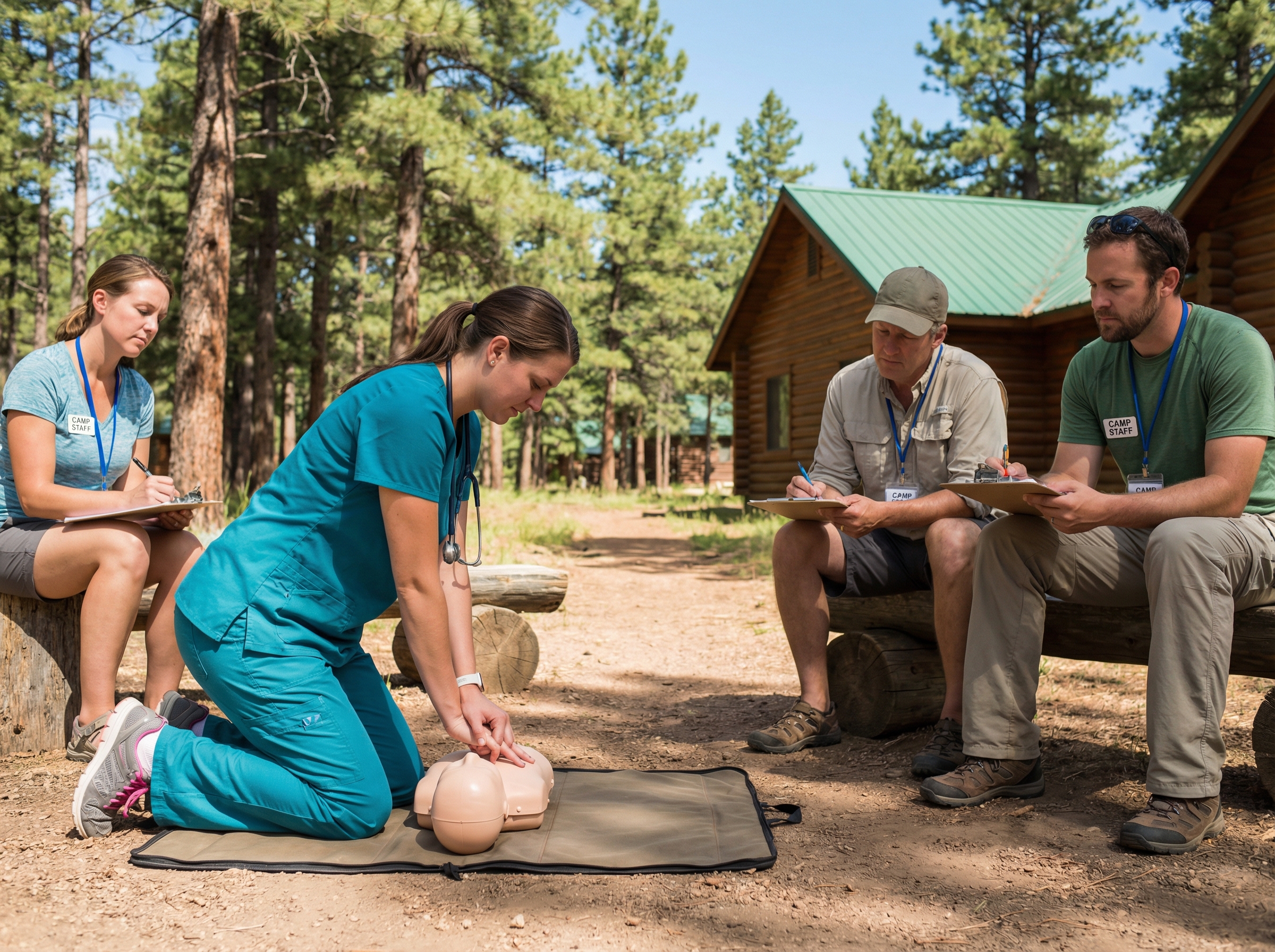
Providing medical care in outdoor recreation settings presents distinct challenges that differ dramatically from traditional healthcare environments. According to wilderness medicine statistics, common risks include gastrointestinal upset, minor injuries such as ankle sprains and fractures, scrapes and lacerations, as well as rarer but more serious conditions like major trauma, heat-related illnesses, and cardiovascular emergencies.
The most significant challenge facing camp medical staff is the extended time to definitive care. While urban emergency medical services typically arrive within 8-10 minutes, wilderness settings may require 30 minutes to several hours before paramedics can reach a patient. In some remote camps, helicopter evacuation may be the only viable option for critical emergencies. This extended response window means that camp nurses and recreation staff must be prepared to provide comprehensive emergency care far beyond basic first aid.
Limited medical equipment and supplies compound this challenge. Unlike hospital emergency departments with immediate access to monitors, medications, and diagnostic equipment, camp health centers typically operate with basic supplies. This reality makes clinical assessment skills—the foundation of both PALS and BLS training—absolutely critical for identifying serious conditions and initiating appropriate interventions.
Most camp and outdoor recreation programs serve predominantly pediatric populations, ranging from young children to adolescents. This demographic presents specific medical considerations that differ significantly from adult emergency care. Children have different normal vital signs, medication dosing requirements, and physiological responses to illness and injury. A heart rate of 120 beats per minute might indicate tachycardia in an adult but could be completely normal for a frightened 6-year-old.
Respiratory emergencies are particularly common in pediatric populations and represent one of the leading causes of cardiac arrest in children. Conditions like asthma exacerbations, allergic reactions, choking incidents, and near-drowning events require immediate recognition and intervention. PALS certification provides the specialized knowledge necessary to assess pediatric respiratory distress, recognize impending respiratory failure, and intervene appropriately before a child progresses to cardiac arrest.
Outdoor recreation settings introduce environmental hazards rarely encountered in traditional healthcare settings. Heat exhaustion and heat stroke are common concerns during summer months, particularly during strenuous activities. Hypothermia can occur even in moderate climates when children become wet and exposed to wind. Insect stings and bites, poisonous plant exposures, and animal encounters add additional layers of complexity to wilderness medical care.
Activity-specific injuries also require specialized knowledge. Rock climbing accidents, water sports injuries, equestrian incidents, and sports-related trauma can result in serious conditions requiring immediate stabilization. Understanding mechanisms of injury helps medical staff anticipate potential complications and provide appropriate care while awaiting emergency transport.
Pediatric Advanced Life Support (PALS) certification provides camp nurses and outdoor recreation medical staff with the specialized knowledge and systematic approach necessary to manage pediatric emergencies effectively. While basic first aid training covers simple injuries, PALS training prepares providers for the critical, life-threatening emergencies that can occur in any setting where children are present.
One of the most valuable components of PALS training is the systematic approach to pediatric assessment. The PALS assessment sequence teaches providers to rapidly identify children at risk for clinical deterioration before they experience cardiac arrest. This proactive approach focuses on recognizing respiratory distress, shock, and altered mental status—the three most common pathways to pediatric cardiac arrest.
This systematic assessment is particularly valuable in wilderness settings where advanced diagnostic equipment is unavailable. PALS training emphasizes clinical observation skills: recognizing increased work of breathing, assessing skin perfusion and capillary refill, evaluating level of consciousness using age-appropriate methods, and identifying subtle signs of physiological decompensation. For those preparing for PALS certification, understanding these assessment frameworks becomes second nature through comprehensive coursework.
Respiratory emergencies represent the most common serious medical events in pediatric populations. Conditions such as severe asthma exacerbations, anaphylaxis, croup, foreign body airway obstruction, and submersion injuries require immediate recognition and intervention. PALS training provides the knowledge to differentiate between upper and lower airway obstruction, recognize respiratory distress versus respiratory failure, and implement appropriate interventions.
Camp settings present particular risk for respiratory emergencies. Children with asthma may be exposed to environmental triggers like pollen, dust, or exercise-induced bronchospasm. Allergic reactions to insect stings or novel foods can progress rapidly to anaphylaxis. Water activities carry risk of submersion incidents. PALS-certified staff understand how to manage these emergencies, including proper use of rescue inhalers, administration of epinephrine for anaphylaxis, and post-resuscitation care for submersion victims.
Recognizing and managing shock in children requires specialized knowledge that PALS training provides. Children compensate remarkably well for volume loss and other causes of shock, maintaining normal blood pressure until they suddenly decompensate. This physiological response means that standard vital sign monitoring may miss early shock states.
PALS training teaches providers to recognize compensated shock through clinical signs: tachycardia, delayed capillary refill, cool extremities, altered mental status, and decreased urine output. In wilderness settings, causes of shock might include dehydration from heat exposure, blood loss from trauma, anaphylaxis from insect stings, or sepsis from infections. Understanding fluid resuscitation strategies and when to initiate emergency evacuation can be lifesaving.
While pediatric cardiac arrest is less common than in adults, when it occurs in wilderness settings, the outcome depends heavily on immediate, high-quality resuscitation. PALS training provides systematic algorithms for managing both shockable rhythms (ventricular fibrillation and pulseless ventricular tachycardia) and non-shockable rhythms (asystole and pulseless electrical activity).
PALS certification ensures providers understand proper AED use for infants and children, including appropriate energy levels, pad placement, and the importance of minimizing interruptions in chest compressions. The training emphasizes team-based resuscitation, which is particularly important when camp staff must work together during emergencies with clearly defined roles and effective communication.
While PALS certification provides advanced pediatric emergency management skills, Basic Life Support (BLS) certification forms the essential foundation of all emergency medical response. BLS training focuses on the immediate, hands-on skills that make the difference between life and death in the critical first minutes of a cardiac arrest or choking emergency.
BLS certification ensures camp nurses and recreation staff can perform high-quality cardiopulmonary resuscitation (CPR) for victims of all ages—adults, children, and infants. The training emphasizes critical components of effective CPR: adequate compression depth and rate, complete chest recoil between compressions, minimizing interruptions, and proper hand placement. These technical skills require hands-on practice to master, and BLS certification confirms competency in these lifesaving techniques.
In wilderness settings where advanced life support may be 30 minutes or more away, high-quality CPR becomes the primary intervention that sustains a chance of survival. Research consistently demonstrates that early, effective CPR significantly improves outcomes in cardiac arrest. For camp staff, maintaining BLS certification ensures these skills remain sharp and ready for the rare but critical moment when they're needed.
Foreign body airway obstruction is a common emergency in camp settings, particularly during mealtimes when children may be distracted, laughing, or eating too quickly. BLS training provides systematic approaches to managing choking in responsive and unresponsive victims across all age groups. Understanding when to use abdominal thrusts versus chest thrusts, how to modify techniques for infants, and when to begin CPR are critical decision points in these emergencies.
Camp dining halls present particular risk for choking incidents, and having BLS-certified staff present during meals can be lifesaving. The training also covers prevention strategies and recognition of partial versus complete airway obstruction, helping staff intervene appropriately without causing harm to children with partial obstructions who are still able to cough effectively.
BLS certification includes training on proper AED use, a critical skill for camp medical staff. While cardiac arrest in children is less likely to be caused by cardiac arrhythmias compared to adults, certain conditions—including commotio cordis from sports impacts, congenital heart conditions, and drowning—can result in shockable rhythms. Having staff who can confidently operate an AED and understand appropriate pad placement for pediatric patients increases survival chances significantly.
Modern AEDs are designed to be user-friendly, but proper training ensures confident, rapid deployment during the stress of an actual emergency. BLS certification confirms that staff can turn on the device, place pads correctly, ensure everyone is clear during analysis and shock delivery, and resume CPR immediately after shock delivery with minimal interruption.
One often overlooked but critically important component of BLS training is the emphasis on team-based resuscitation and effective communication. Camp emergencies rarely involve a single responder; typically, multiple staff members arrive to help, and without clear role assignment and communication, efforts can become chaotic and ineffective.
BLS training teaches closed-loop communication, where team members acknowledge instructions and report completion of tasks. This structured approach ensures everyone understands their role, prevents duplication of efforts, and maintains focus on the critical interventions that improve outcomes. For camp settings with staff of varying experience levels, this framework creates effective teamwork even among providers who haven't worked together previously.
Understanding certification requirements helps camp administrators ensure appropriate staffing and helps individual professionals meet the qualifications necessary for camp medical positions. While requirements vary by state, camp type, and accreditation standards, certain certifications are widely recognized as essential for camp nursing and outdoor recreation medical staff.
According to camp nursing professional guidelines, camp nurses must be registered nurses (RNs) who hold an Associate's Degree in Nursing (ADN) or Bachelor's Degree in Nursing (BSN) from an accredited nursing school, have passed the NCLEX-RN exam, and hold an active RN license. Many camp nurse positions prefer or require a BSN, which may increase employment opportunities.
Most camps prefer RNs who have clinical experience, and while not always required, prior experience in pediatrics or working with children is highly favorable, particularly for camps serving pediatric populations. Emergency department experience, pediatric intensive care, or school nursing backgrounds provide excellent preparation for the varied medical situations encountered in camp settings.
While there is no specific "camp nurse" certification, several life support certifications are essential or strongly recommended for camp medical positions. Current adult and pediatric BLS certification is typically required before camp nurses can begin work. This foundational certification ensures competency in basic emergency response skills applicable to staff and campers of all ages.
PALS certification, while not always mandatory, is extremely valuable and increasingly expected for camp nurses and head medical staff at pediatric camps. The specialized pediatric emergency management skills provided by PALS training directly address the most likely serious medical events in camp settings. Many camps now include PALS certification as a preferred qualification in job postings, recognizing its value in ensuring quality emergency care.
For outdoor adventure programs, wilderness expeditions, and remote camp settings, Wilderness First Responder (WFR) certification provides specialized training in medical care for remote and wilderness settings. According to industry guidelines, WFR is the standard level of medical training for professional outdoor recreation field staff who work multi-day, overnight trips in remote environments.
WFR courses typically consist of approximately 80 hours of training, including both didactic instruction and hands-on practical scenarios. The training covers wilderness-specific topics such as improvised splinting, patient assessment in austere environments, long-term care while awaiting evacuation, environmental emergencies, and evacuation decision-making. For camp nurses and recreation staff working in particularly remote settings, combining WFR certification with PALS and BLS creates comprehensive emergency preparedness.
Some jurisdictions have specific requirements based on distance from emergency medical services. When EMS response time exceeds 10 minutes, regulations may require the camp health officer to be licensed as a physician, nurse practitioner, registered nurse, physician assistant, paramedic, or EMT. When EMS is more than 60 minutes away, additional certifications such as American Red Cross Wilderness and Remote First Aid may be mandatory.
Camp administrators should verify specific state regulations and accreditation standards that apply to their location and camp type. Organizations such as the American Camp Association provide detailed health and safety standards that include medical staffing requirements and certification expectations.
Understanding how life support certification skills translate to real-world wilderness emergencies helps both camp staff and administrators appreciate the value of comprehensive training. The scenarios camp nurses and recreation staff encounter require adapting clinical skills to austere environments with limited resources and extended transport times.
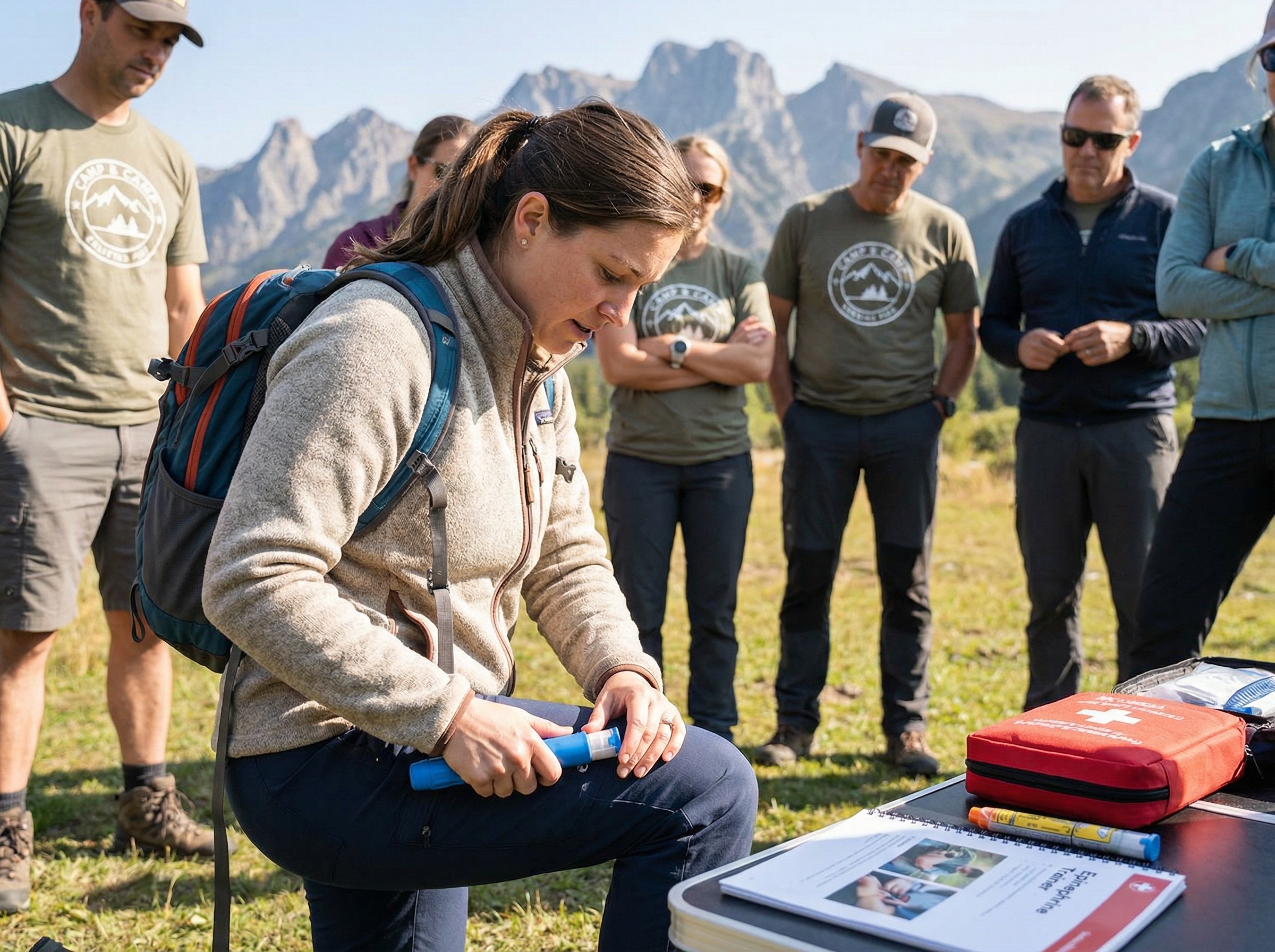
Insect stings are extremely common in outdoor settings, and for children with severe allergies, a bee or wasp sting can rapidly progress to life-threatening anaphylaxis. PALS and BLS training prepare staff to recognize early signs of anaphylaxis—including urticaria, angioedema, respiratory distress, and hypotension—and intervene immediately with epinephrine administration.
Camp medical staff must understand proper epinephrine auto-injector technique, appropriate dosing for different age groups, the importance of activating emergency services immediately, and the need for prolonged monitoring as reactions can be biphasic. PALS training specifically addresses management of anaphylactic shock, including recognition of compensated versus decompensated shock states and the systematic approach to stabilization while awaiting transport.
Water activities are central to many camp programs, and despite safety precautions, submersion incidents can occur. Near-drowning represents one of the most time-critical emergencies, where immediate intervention directly impacts survival and neurological outcomes. BLS skills—particularly rapid assessment, rescue breathing, and high-quality CPR—are the primary interventions that save lives in these situations.
PALS training extends these basic skills by addressing post-resuscitation care, recognition of secondary drowning concerns, and management of respiratory compromise in submersion victims who are successfully resuscitated. Understanding when to transport all submersion victims for evaluation, even those who appear to recover quickly, is an important component of comprehensive care that PALS certification provides.
Athletic activities and adventure sports inevitably result in injuries, ranging from minor sprains to serious trauma. While most injuries are minor, understanding which injuries require immediate evacuation and how to stabilize patients for transport is critical. Similar to PALS training for youth sports settings, camp medical staff must recognize life-threatening injuries and provide appropriate stabilization.
Head injuries merit particular attention, as concussions and more serious traumatic brain injuries can occur from falls, collisions, or sports impacts. PALS training provides frameworks for assessing altered mental status and recognizing signs of increased intracranial pressure. Understanding spinal injury precautions, when to immobilize patients, and how to package patients for evacuation in challenging terrain requires both clinical knowledge and practical wilderness skills.
Summer camps face significant risk for heat-related illnesses, particularly during strenuous activities or early season before children have acclimatized to heat. Recognizing the progression from heat exhaustion to heat stroke and intervening appropriately can prevent serious complications and death. PALS training addresses management of altered mental status and shock—the primary concerns in severe heat stroke.
Understanding how to cool patients rapidly using available resources, recognize end-organ damage, and determine when emergency evacuation is necessary requires both clinical judgment and practical experience. BLS and PALS certifications provide the systematic assessment frameworks that help staff differentiate between minor heat exhaustion requiring rest and hydration versus life-threatening heat stroke requiring immediate cooling and emergency transport.
For camp nurses and outdoor recreation staff, obtaining and maintaining life support certifications can present logistical and financial challenges, particularly when positions are seasonal or when staff work in remote locations. Traditional in-person certification courses often require travel to urban areas, scheduling time off from clinical work, and paying premium prices for short-notice courses.
Online certification platforms offer a practical solution that addresses many of these challenges. Affordable ACLS, founded by actively practicing Board Certified Emergency Medicine physicians with over 20 years of combined clinical and academic experience, provides comprehensive online PALS and BLS certification courses that are self-paced, affordable, and accessible from anywhere with internet access.
The benefits of online BLS certification for camp staff include the ability to complete coursework during off-season months, study at personal pace without pressure, review challenging concepts as needed, and avoid travel expenses to distant training centers. With BLS certification available for $69 and recertification for $59, and PALS certification for $109 with recertification at $99, online options significantly reduce the financial burden of maintaining certifications.
A common concern about online certification is whether the content meets current standards. Affordable ACLS courses are based on current American Heart Association (AHA) and International Liaison Committee on Resuscitation (ILCOR) guidelines, ensuring that the clinical content, algorithms, and techniques taught reflect the most current evidence-based practices in emergency cardiovascular care.
The courses are developed and regularly updated by practicing emergency medicine physicians who remain current with evolving resuscitation science. This ensures that camp nurses and recreation staff receive training that aligns with the same standards taught in traditional in-person courses, with the added benefit of self-paced learning that accommodates different learning styles and schedules.
For camp staff who need certification quickly—perhaps for an upcoming season or to meet last-minute employment requirements—online platforms provide immediate certification upon course completion. Unlike traditional courses that may require waiting weeks for physical cards to arrive by mail, digital certificates can be downloaded and printed instantly, allowing staff to begin work without delay.
This immediate certification is particularly valuable for camp administrators who need to verify staff credentials before the season begins, and for international staff or those working in remote locations where mail delivery may be unreliable. Digital certificates include verification codes that employers can use to confirm authenticity, providing the same documentation value as traditional certification cards.
Many camp nurses require multiple certifications, and purchasing courses individually can become expensive. Affordable ACLS offers bundle options that provide significant savings: ACLS + BLS for $123, ACLS + PALS for $168, BLS + PALS for $133, and ACLS + BLS + PALS for $227. For camp nurses who need both BLS and PALS certification, the bundle option saves money while ensuring comprehensive preparation for pediatric emergencies.
The platform also offers unlimited retakes at no additional charge, removing the stress and financial risk of exam failure. For healthcare professionals balancing clinical work, personal responsibilities, and certification requirements, this flexibility and affordability makes maintaining current credentials significantly more manageable.
Obtaining initial certification is only the beginning of maintaining clinical competency in emergency response. Life support certifications typically expire after two years, and staying current requires ongoing education and skills practice. For camp nurses and outdoor recreation staff who may only work seasonally or who don't regularly encounter the emergencies they're trained to manage, maintaining proficiency requires intentional effort.
Psychomotor skills like high-quality CPR deteriorate over time without practice. Camp administrators should implement regular skills practice sessions before and during the camp season, using training mannequins to practice chest compressions, rescue breathing, and coordinated team resuscitation. These sessions help staff maintain muscle memory and build confidence that translates to better performance during actual emergencies.
Scenario-based training that simulates realistic camp emergencies provides valuable practice in clinical decision-making and team coordination. Creating scenarios that incorporate the specific challenges of wilderness settings—such as limited equipment, extended transport times, and environmental factors—helps staff prepare mentally and practically for the situations they're most likely to encounter.
Research on camp preparedness reveals significant gaps in emergency planning. A study published in the Southern Medical Journal found that many camps lack adequate emergency plans for common scenarios, with 23% missing power outage plans, 15% without illness outbreak protocols, and 25% lacking methods to rapidly communicate with parents during emergencies.
Camp administrators should work with medical staff to develop comprehensive emergency action plans that address likely scenarios: cardiac arrest, severe allergic reactions, drowning, major trauma, and environmental emergencies. These plans should specify staff roles, communication protocols, equipment locations, evacuation procedures, and decision criteria for activating emergency medical services. Regular drills that test these plans help identify weaknesses and build staff confidence.
The same research study found that 75% of camps had not collaborated with medical organizations for emergency planning. Establishing relationships with local EMS providers, hospitals, and air medical services before the camp season begins can significantly improve emergency response. These collaborations can include pre-season site visits where EMS becomes familiar with camp layout and access routes, shared communication frequencies, and clarified protocols for patient handoff.
Understanding realistic response times for ground and air transport helps medical staff make informed decisions about when to activate emergency services and how to prepare patients for transport. Some remote camps establish formal relationships with helicopter services to reduce response times for critical emergencies, a consideration particularly important for locations more than an hour from definitive care.
Camp nurses benefit from joining professional organizations that provide continuing education, networking opportunities, and specialized resources. The Association of Camp Nurses and the Alliance for Camp Health offer professional support, conferences, online forums, and evidence-based practice guidelines specific to camp settings. These organizations help camp medical staff stay informed about current best practices and connect with colleagues facing similar challenges.
Similarly, outdoor recreation professionals can connect through the Association of Outdoor Recreation and Education (AORE), which provides professional development resources, including wilderness medicine training opportunities and guidelines for establishing medical protocols for outdoor education programs. Engaging with these professional communities supports ongoing learning and professional growth beyond initial certification.
Camp nurses and outdoor recreation staff occupy a unique position in healthcare—providing medical oversight in settings that combine the vulnerability of pediatric populations with the challenges of wilderness environments. The importance of comprehensive emergency preparedness cannot be overstated, as research continues to reveal significant gaps in camp safety planning and response capabilities.
PALS and BLS certifications provide the essential foundation for effective emergency response in these challenging environments. These certifications ensure that medical staff can recognize deteriorating patients early, intervene appropriately with limited resources, and provide high-quality care during the critical window before advanced help arrives. For camp administrators, ensuring medical staff maintain current certifications isn't simply a compliance checkbox—it's a fundamental investment in the safety and wellbeing of children and staff.
The availability of affordable, convenient online certification platforms removes traditional barriers to obtaining and maintaining these critical credentials. Whether you're a camp nurse preparing for summer season, an outdoor recreation professional expanding your qualifications, or a camp administrator ensuring your medical staff meet current standards, investing in comprehensive life support training demonstrates commitment to the highest standards of safety and care.
As you prepare for the coming season, consider not only meeting minimum certification requirements but exceeding them. The combination of BLS and PALS certification, supplemented with wilderness-specific training when appropriate, creates medical staff who are truly prepared for the unique challenges of providing care in outdoor settings. When emergencies occur—and in active outdoor programs, they inevitably will—properly trained staff make the difference between tragic outcomes and successful saves. That preparation begins with comprehensive certification and continues through ongoing education, skills practice, and collaborative planning with emergency services. The investment of time and resources in proper training returns immeasurable value when those skills preserve a child's life or prevent a minor medical event from becoming a catastrophic emergency.
.jpg)