ACLS Blogs

Local Anesthetic Systemic Toxicity (LAST): The ACLS Modification Every Procedural Provider Must Know

When the Anesthetic Becomes the Emergency

You've administered a regional block hundreds of times. The dosing is correct, the approach is textbook, and your patient is appropriately positioned. Then, within seconds to minutes, something shifts: a metallic taste reported by the patient, circumoral tingling, escalating agitation, and then — seizures. This is Local Anesthetic Systemic Toxicity (LAST), and if your instinct is to reach for standard ACLS algorithms, you may inadvertently make the situation worse.


LAST represents one of the most critical yet underappreciated emergencies in procedural medicine. It can occur in dental offices, ambulatory surgery centers, labor and delivery suites, plastic surgery clinics, pain management suites, and any setting where local anesthetics are used. The difference between a survivable event and a catastrophic outcome often comes down to one thing: whether the provider on scene knows that LAST requires a modified ACLS approach — not the standard algorithm most clinicians have memorized.

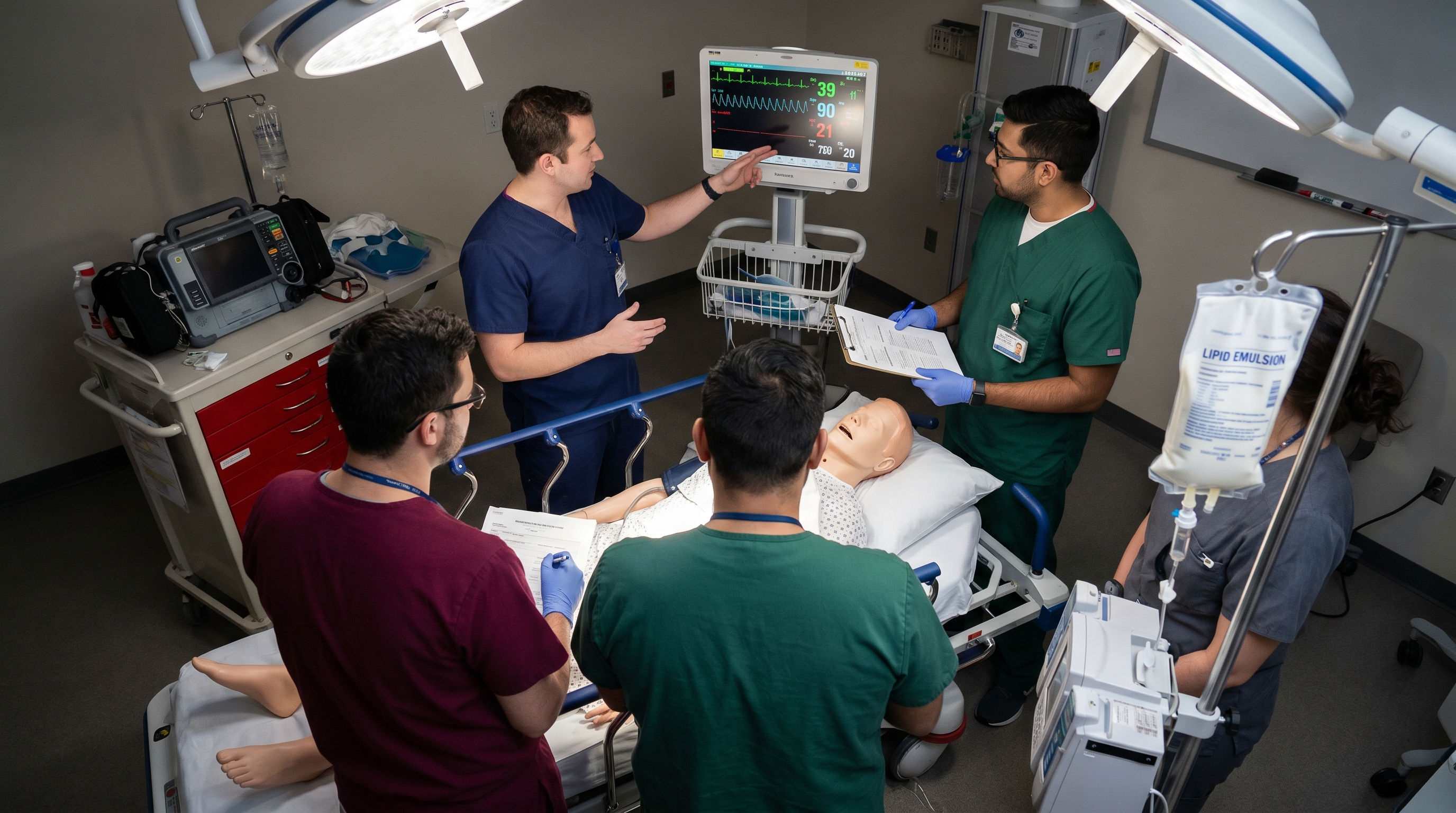
Emergency team responding to local anesthetic systemic toxicity in a procedure room


This article provides a comprehensive breakdown of LAST pathophysiology, recognition, and — most importantly — the specific ACLS modifications that every procedural provider needs to have internalized before the next time they pick up a syringe of bupivacaine.


What Is LAST and Why Does It Happen?

Local Anesthetic Systemic Toxicity occurs when local anesthetic agents reach systemic circulation at concentrations sufficient to produce toxic effects on the central nervous system (CNS) and cardiovascular system. This typically results from inadvertent intravascular injection, excessive dosing, or absorption from highly vascular tissue beds. While any local anesthetic can cause LAST, bupivacaine carries the greatest risk of severe cardiac toxicity due to its potency and high lipophilicity — properties that allow it to bind tightly and persistently to cardiac sodium channels.


The reported incidence of LAST is approximately 0.27 per 1,000 peripheral nerve blocks, with major events (cardiac arrest, seizures, or lipid rescue) occurring in 0.04 to 1.8 per 1,000 blocks depending on the study population and technique. These numbers may underrepresent the true incidence, as minor events — particularly CNS symptoms without cardiovascular involvement — are frequently unrecognized or underreported. As regional anesthesia and office-based procedural medicine expand beyond traditional anesthesiology settings, the population of providers at risk of encountering LAST grows accordingly. According to a large retrospective study of bupivacaine infiltration analgesia, the incidence of major LAST events among joint arthroplasty patients was 0.18%, representing a meaningful patient safety concern at scale.


The mechanism of toxicity follows a predictable pattern. Local anesthetics block fast-gated sodium channels in neurons, which is exactly what makes them therapeutically useful. At systemic concentrations, this same sodium channel blockade occurs globally — in cerebral neurons, producing excitatory then inhibitory CNS effects, and in myocardial conduction tissue, producing dose-dependent cardiac depression. Bupivacaine is particularly dangerous because of its slow dissociation from cardiac sodium channels, meaning that once it binds, cardiac depression can be refractory to standard resuscitation efforts.


Recognizing LAST Before It Escalates

LAST classically presents in two phases: CNS toxicity followed by cardiovascular toxicity, though this sequence is not universal. Approximately 20% of cases present with cardiovascular symptoms without preceding CNS signs, making vigilance throughout the procedural window essential.


Early CNS symptoms include perioral or tongue numbness, metallic taste, tinnitus, lightheadedness, visual disturbances, and a sense of impending doom. These prodromal symptoms may last only seconds before escalating to agitation, confusion, muscle twitching, and tonic-clonic seizures. In the deepest phase of CNS toxicity, excitation gives way to depression — coma, respiratory arrest, and apnea can follow rapidly.


Cardiovascular manifestations span a wide spectrum: initial hypertension and tachycardia can transition rapidly to conduction abnormalities (widened QRS, prolonged PR interval), malignant arrhythmias, and complete cardiovascular collapse. Ventricular fibrillation is the terminal rhythm in the most severe cases. Because cardiac toxicity is the most dangerous component of LAST — it is the one that kills — providers must never be falsely reassured by the absence of early CNS symptoms. According to StatPearls on Local Anesthetic Toxicity, cardiac toxicity is the most important component of LAST since, unlike CNS toxicity, it can end in cardiac arrest and death.


Onset is typically rapid: most events occur within 60 seconds of injection in cases of direct intravascular placement, though delayed presentations up to 30 minutes or beyond can occur with tissue absorption in highly vascular areas or with large-volume field blocks. Any deterioration in a patient who has recently received a local anesthetic must prompt immediate consideration of LAST.


The ACLS Modifications That Change Everything

This is the section that procedural providers must commit to memory. Standard ACLS was designed around primary cardiac pathology — ischemia, arrhythmia, pump failure from intrinsic disease. LAST-induced cardiac arrest is fundamentally different: the underlying problem is drug-induced sodium channel blockade and myocardial depression, not ischemia. Applying standard ACLS protocols without modification may not only be ineffective — some standard interventions can actively worsen outcomes in LAST.


Epinephrine: Use Sparingly, Not at Standard ACLS Doses

In standard ACLS, epinephrine 1 mg IV is administered every 3-5 minutes during cardiac arrest. In LAST, high-dose epinephrine is problematic. Animal studies and case reports suggest that large doses of epinephrine can worsen outcomes in bupivacaine-induced cardiac arrest by increasing myocardial oxygen demand, precipitating additional arrhythmias, and potentially reducing the efficacy of lipid emulsion therapy. Current ASRA guidance recommends using small doses of epinephrine (10 to 100 mcg IV boluses) rather than the standard 1 mg dose. Reserve escalating doses for truly refractory situations, and use clinical judgment about when the benefit outweighs the risk.


The rationale is straightforward: the goal in LAST-induced arrest is to reverse the sodium channel blockade and restore conduction, not to overcome peripheral vascular resistance with adrenergic vasopressors. Lipid emulsion therapy accomplishes the former; high-dose epinephrine does not, and may make arrhythmia management more difficult. Understanding the timing and mechanism of ACLS medications is essential for making these critical distinctions during high-stakes resuscitation.


Vasopressin: Avoid Entirely

Vasopressin, which is sometimes used as an adjunct in standard ACLS, is specifically contraindicated in LAST management. The fundamental problem in LAST cardiac arrest is cardiogenic failure from direct myocardial depression. Vasopressin dramatically increases systemic vascular resistance (afterload) without addressing the underlying conduction abnormality, potentially exacerbating the failing heart's inability to generate forward flow. The Anesthesia Patient Safety Foundation LAST checklist explicitly lists vasopressin as a medication to avoid, reinforcing that the standard ACLS vasopressor toolkit must be selectively applied in this setting.


Beta-Blockers and Calcium Channel Blockers: Absolutely Contraindicated

Both beta-blockers and calcium channel blockers are contraindicated in LAST. These agents can potentiate the conduction block already imposed by the local anesthetic, deepening bradycardia, worsening myocardial depression, and further impairing cardiac output. Even if a provider misinterprets the initial tachycardia of early LAST as a primary arrhythmia requiring rate control, reaching for metoprolol or diltiazem could be catastrophic. Managing toxicologic cardiac arrests from multiple agents requires always asking what drugs are on board before defaulting to standard antiarrhythmic strategies.


Amiodarone: The Preferred Antiarrhythmic — With Caveats

If antiarrhythmic therapy is needed for malignant ventricular arrhythmias in the setting of LAST, amiodarone is the preferred agent. However, there is an important nuance: avoid using lidocaine or other local anesthetic-class antiarrhythmics (sodium channel blockers) to treat LAST-induced arrhythmias, as these will add to the existing sodium channel burden and worsen the situation. Phenytoin is similarly contraindicated. The arrhythmia in LAST is caused by sodium channel blockade — adding more sodium channel blocking drugs is counterproductive.


Defibrillation: Still Indicated, But May Require Repeated Attempts

Defibrillation remains indicated for shockable rhythms (VF and pulseless VT) in LAST-induced cardiac arrest. However, providers should understand that defibrillation alone is often insufficient — the myocardium will continue to be susceptible to re-entry arrhythmias as long as the sodium channel blockade persists. This is precisely why lipid emulsion therapy must be initiated rapidly alongside resuscitation rather than deferred until after defibrillation attempts.


Lipid Emulsion Therapy: The Antidote That Saves Lives

Intravenous lipid emulsion (ILE), most commonly administered as 20% Intralipid, is the cornerstone of LAST management and represents the most critical departure from standard ACLS. Its mechanism of action is understood through two main theories: the "lipid sink" model, in which the lipid phase in blood sequesters lipophilic local anesthetic molecules away from cardiac tissue, and a direct energy substrate model in which fatty acids improve myocardial energy metabolism in a poisoned heart. StatPearls on Lipid Emulsion Therapy confirms that 20% lipid emulsion now serves as a cornerstone in LAST treatment, functioning as a lipid sink that sequesters lipophilic anesthetics from plasma and restores hemodynamic stability.


The ASRA-recommended dosing protocol for lipid emulsion in LAST is as follows:
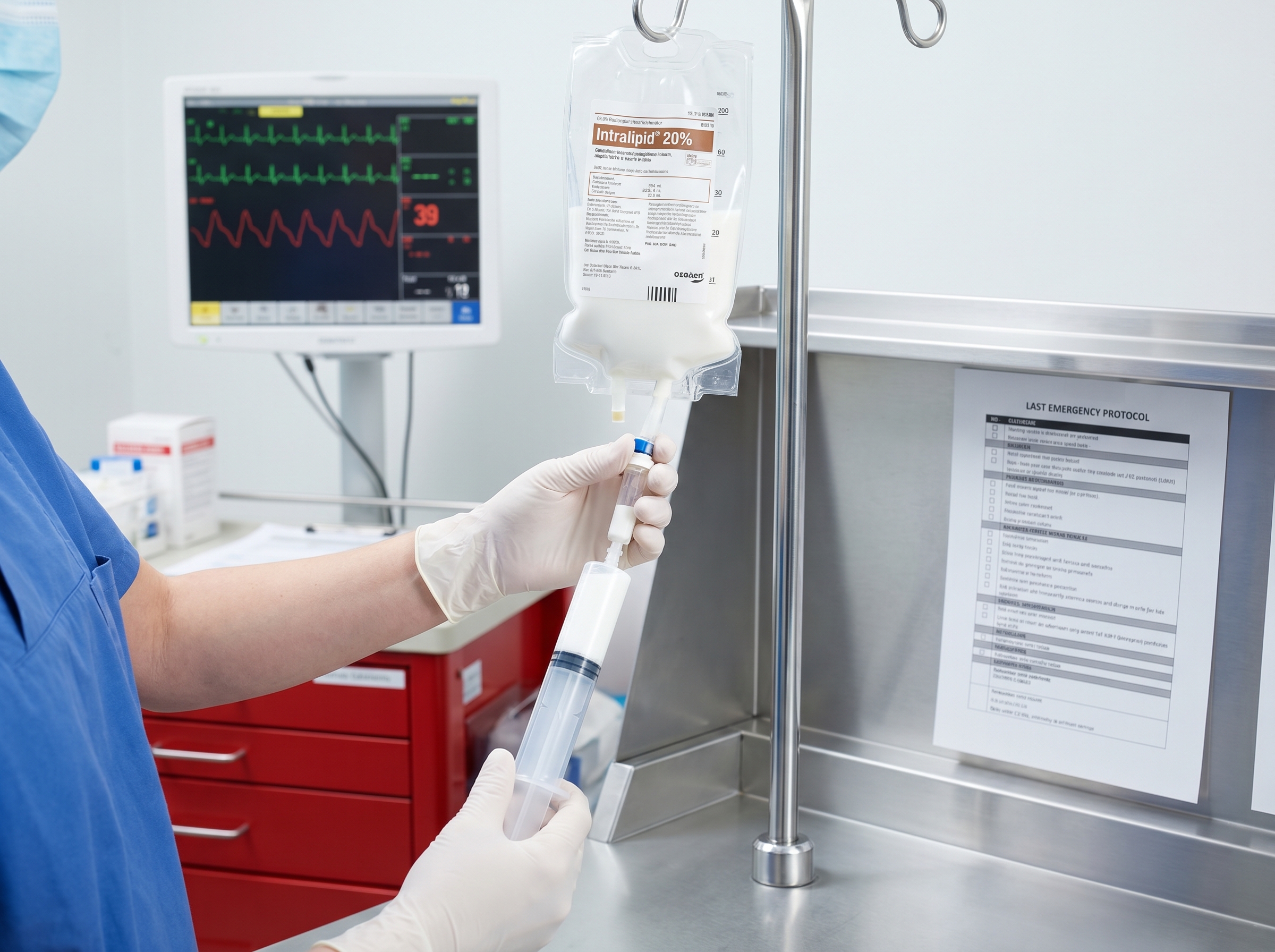
Healthcare provider preparing 20% lipid emulsion for LAST emergency treatment


  • Initial bolus: 1.5 mL/kg of 20% lipid emulsion IV over approximately 1 minute (approximately 100 mL for a 70 kg patient)
  • Continuous infusion: 0.25 mL/kg/min (approximately 18 mL/min for a 70 kg patient) for at least 15 minutes after hemodynamic stability is achieved
  • Repeat boluses: If cardiac arrest persists or recurs, up to two additional boluses of 1.5 mL/kg may be given at 5-minute intervals
  • Maximum dose: Do not exceed approximately 10-12 mL/kg total in the acute setting; doses above 1,000 mL raise concern for lipid overload complications


Timing is critical. Lipid emulsion should be initiated at the first sign of significant LAST — do not wait for cardiac arrest. Seizures, arrhythmias, or rapid hemodynamic deterioration are all triggers to start lipid infusion immediately. Providers in settings where local anesthetics are routinely used should ensure that 20% lipid emulsion is stocked, accessible, and that all clinical staff know its location. According to a 2025 case report published in PMC reviewing the 2020 ASRA updates, post-stabilization monitoring for a minimum observation period after LAST resolution is equally important, as delayed recurrence and rebound toxicity have been documented. Dental sedation emergencies and office-based procedure settings are particularly high-risk environments for delayed lipid rescue due to limited emergency supply stocking.


Managing LAST-Induced Seizures and Airway

Seizure control in LAST should be accomplished with benzodiazepines as first-line therapy (diazepam or midazolam). Benzodiazepines are preferred because they treat the CNS excitation without further compromising cardiac conduction. Small doses of propofol may be used cautiously for seizure control if benzodiazepines are unavailable, but avoid propofol in the setting of significant cardiovascular compromise — its myocardial depressant effects can worsen hemodynamics. Succinylcholine may be used for intubation if airway control is needed, but recognize that while it will terminate the motor manifestation of seizures, it does not stop the underlying cerebral electrical activity.


Airway management is a priority in every LAST scenario. Hypoxia and acidosis both potentiate local anesthetic cardiac toxicity by enhancing sodium channel binding affinity. Early, aggressive management of ventilation — maintaining normocapnia and avoiding acidosis — reduces the depth of cardiac toxicity and improves the likelihood of successful resuscitation. Calcium channel and sodium channel-blocking toxidromes share this same principle: correcting the metabolic milieu is as important as antidote administration.


When Standard Resuscitation Fails: ECMO as the Bridge

In cases of refractory LAST-induced cardiac arrest that does not respond to lipid emulsion and modified ACLS, extracorporeal membrane oxygenation (ECMO) or cardiopulmonary bypass should be considered if available. The rationale is compelling: bupivacaine-induced cardiac arrest is a pharmacologically reversible cause of arrest. If oxygenation and perfusion can be maintained while the drug redistributes or is metabolized, meaningful recovery is possible — even after prolonged resuscitation. This is a critical mindset shift for ACLS providers: in LAST, duration of resuscitation alone should not determine the decision to terminate efforts. A young, healthy patient with bupivacaine-induced arrest deserves aggressive prolonged resuscitation and transfer to ECMO capability if initial measures fail. Extracorporeal CPR and ECPR technology represents an increasingly accessible option for reversible causes of cardiac arrest, and LAST is among the strongest indications.


Prevention: The Best Treatment for LAST

While robust knowledge of LAST management is essential, prevention remains the most effective strategy. The ASRA checklist for LAST prevention emphasizes several key practices that every procedural provider should embed into their pre-procedure routine:


  • Aspirate before every injection: Check for blood return before injecting, and intermittently during large-volume injections. Negative aspiration does not rule out intravascular placement but reduces risk significantly.
  • Incremental injection technique: Administer local anesthetics in 3-5 mL aliquots with pauses between, watching for early signs of systemic absorption.
  • Use epinephrine as an intravascular marker: A test dose containing 15-20 mcg of epinephrine will produce a transient heart rate increase if injected intravascularly — a useful early warning signal.
  • Respect maximum dose limits: Calculate the maximum safe dose before the procedure and account for patient-specific factors (low body weight, hepatic disease, pregnancy) that reduce safe thresholds.
  • Ultrasound guidance for regional blocks: Real-time visualization reduces but does not eliminate the risk of intravascular injection.
  • Monitor throughout the procedure: Maintain IV access, ECG monitoring, pulse oximetry, and blood pressure monitoring for all patients receiving significant doses of local anesthetics.


Perhaps most importantly, ensure that your entire care team — nurses, medical assistants, surgical technicians — can recognize the early signs of LAST and knows to call for help immediately. In office-based settings, LAST drills and regular review of the emergency response plan are as important as any technical skill. Plastic surgery and cosmetic procedure settings that routinely use tumescent or field block anesthesia carry particularly high cumulative dosing risks that deserve protocol-level attention. The EMCrit LAST reference is an excellent free clinical resource for teams building institutional LAST protocols and checklists.


Who Needs to Know This: The Full Spectrum of Procedural Providers

LAST is not exclusively an anesthesiologist's problem. The expanding universe of providers who administer local anesthetics in procedural settings includes emergency physicians, oral surgeons, dentists, plastic surgeons, dermatologists, pain specialists, gynecologists, ophthalmologists, podiatrists, and physician assistants and nurse practitioners performing procedures. Each of these providers is a potential first responder at a LAST event — and many practice in settings without immediate anesthesia backup.


Clinical pharmacists who participate in code response teams are increasingly called upon to advise on toxicologic arrests, and understanding LAST-specific medication modifications is essential to that role. Clinical pharmacists expanding their role in code response must include LAST management in their ACLS knowledge base, particularly the contraindicated agents and lipid emulsion dosing protocols.


Even providers working in addiction medicine may encounter LAST-like toxicologic presentations with agents that share sodium channel blocking properties. Cardiac complications during overdose response frequently involve agents with membrane-stabilizing effects that mirror local anesthetic toxicity, making lipid emulsion familiarity valuable across multiple clinical domains.


A Practical LAST Response Protocol

When LAST is recognized or suspected, the following sequence provides a structured response framework that every provider should rehearse before they need it:


  • Stop the injection immediately and call for help.
  • Manage the airway: 100% oxygen, prepare for intubation if needed, avoid hypoxia and acidosis at all costs.
  • Treat seizures with benzodiazepines (diazepam or midazolam) as first-line agents.
  • Start lipid emulsion immediately: 1.5 mL/kg of 20% ILE bolus IV, then 0.25 mL/kg/min infusion. Do not wait for cardiac arrest to initiate this.
  • If cardiac arrest occurs: Begin CPR, use modified ACLS — small-dose epinephrine only (10-100 mcg), avoid vasopressin, avoid beta-blockers and calcium channel blockers, avoid lidocaine or phenytoin as antiarrhythmics.
  • Defibrillate shockable rhythms as indicated by ACLS algorithms.
  • Consider early transfer to an ECMO-capable center for refractory arrest — LAST is a reversible cause.
  • Continue monitoring for at least 4-6 hours after apparent resolution — LAST can have biphasic presentations with recurrent toxicity.


Stay Current. Stay Prepared.

LAST is a rare but immediately life-threatening emergency that demands a departure from reflex ACLS pattern recognition. The providers who successfully manage it — whose patients survive it — are the ones who prepared before the crisis arrived. That means knowing the lipid emulsion protocol, internalizing the medication contraindications, and understanding why this particular cardiac arrest behaves differently from every other scenario in the standard ACLS algorithm.


At Affordable ACLS, our courses are developed by actively practicing Board Certified Emergency Medicine physicians who understand the real-world complexity of resuscitation across clinical settings. Our ACLS certification and recertification courses are fully online, self-paced, AHA/ILCOR guideline-compliant, and available for completion in as little as 1-2 hours. At just $99 for initial certification and $89 for recertification, there is no reason to let your advanced cardiac life support knowledge lapse — or to leave gaps in your understanding of critical modifications like LAST. With unlimited retakes at no extra charge and a money-back guarantee if your employer does not accept the certification, the barrier to staying current has never been lower.


Whether you are a dentist, a plastic surgeon, a pain specialist, or an emergency physician, the next LAST event in your career will not announce itself in advance. Certify now, understand the full picture, and be ready to act correctly the moment it matters most.


ACLS Blogs

Local Anesthetic Systemic Toxicity (LAST): The ACLS Modification Every Procedural Provider Must Know

When the Anesthetic Becomes the Emergency

You've administered a regional block hundreds of times. The dosing is correct, the approach is textbook, and your patient is appropriately positioned. Then, within seconds to minutes, something shifts: a metallic taste reported by the patient, circumoral tingling, escalating agitation, and then — seizures. This is Local Anesthetic Systemic Toxicity (LAST), and if your instinct is to reach for standard ACLS algorithms, you may inadvertently make the situation worse.


LAST represents one of the most critical yet underappreciated emergencies in procedural medicine. It can occur in dental offices, ambulatory surgery centers, labor and delivery suites, plastic surgery clinics, pain management suites, and any setting where local anesthetics are used. The difference between a survivable event and a catastrophic outcome often comes down to one thing: whether the provider on scene knows that LAST requires a modified ACLS approach — not the standard algorithm most clinicians have memorized.

Emergency team responding to local anesthetic systemic toxicity in a procedure room


This article provides a comprehensive breakdown of LAST pathophysiology, recognition, and — most importantly — the specific ACLS modifications that every procedural provider needs to have internalized before the next time they pick up a syringe of bupivacaine.


What Is LAST and Why Does It Happen?

Local Anesthetic Systemic Toxicity occurs when local anesthetic agents reach systemic circulation at concentrations sufficient to produce toxic effects on the central nervous system (CNS) and cardiovascular system. This typically results from inadvertent intravascular injection, excessive dosing, or absorption from highly vascular tissue beds. While any local anesthetic can cause LAST, bupivacaine carries the greatest risk of severe cardiac toxicity due to its potency and high lipophilicity — properties that allow it to bind tightly and persistently to cardiac sodium channels.


The reported incidence of LAST is approximately 0.27 per 1,000 peripheral nerve blocks, with major events (cardiac arrest, seizures, or lipid rescue) occurring in 0.04 to 1.8 per 1,000 blocks depending on the study population and technique. These numbers may underrepresent the true incidence, as minor events — particularly CNS symptoms without cardiovascular involvement — are frequently unrecognized or underreported. As regional anesthesia and office-based procedural medicine expand beyond traditional anesthesiology settings, the population of providers at risk of encountering LAST grows accordingly. According to a large retrospective study of bupivacaine infiltration analgesia, the incidence of major LAST events among joint arthroplasty patients was 0.18%, representing a meaningful patient safety concern at scale.


The mechanism of toxicity follows a predictable pattern. Local anesthetics block fast-gated sodium channels in neurons, which is exactly what makes them therapeutically useful. At systemic concentrations, this same sodium channel blockade occurs globally — in cerebral neurons, producing excitatory then inhibitory CNS effects, and in myocardial conduction tissue, producing dose-dependent cardiac depression. Bupivacaine is particularly dangerous because of its slow dissociation from cardiac sodium channels, meaning that once it binds, cardiac depression can be refractory to standard resuscitation efforts.


Recognizing LAST Before It Escalates

LAST classically presents in two phases: CNS toxicity followed by cardiovascular toxicity, though this sequence is not universal. Approximately 20% of cases present with cardiovascular symptoms without preceding CNS signs, making vigilance throughout the procedural window essential.


Early CNS symptoms include perioral or tongue numbness, metallic taste, tinnitus, lightheadedness, visual disturbances, and a sense of impending doom. These prodromal symptoms may last only seconds before escalating to agitation, confusion, muscle twitching, and tonic-clonic seizures. In the deepest phase of CNS toxicity, excitation gives way to depression — coma, respiratory arrest, and apnea can follow rapidly.


Cardiovascular manifestations span a wide spectrum: initial hypertension and tachycardia can transition rapidly to conduction abnormalities (widened QRS, prolonged PR interval), malignant arrhythmias, and complete cardiovascular collapse. Ventricular fibrillation is the terminal rhythm in the most severe cases. Because cardiac toxicity is the most dangerous component of LAST — it is the one that kills — providers must never be falsely reassured by the absence of early CNS symptoms. According to StatPearls on Local Anesthetic Toxicity, cardiac toxicity is the most important component of LAST since, unlike CNS toxicity, it can end in cardiac arrest and death.


Onset is typically rapid: most events occur within 60 seconds of injection in cases of direct intravascular placement, though delayed presentations up to 30 minutes or beyond can occur with tissue absorption in highly vascular areas or with large-volume field blocks. Any deterioration in a patient who has recently received a local anesthetic must prompt immediate consideration of LAST.


The ACLS Modifications That Change Everything

This is the section that procedural providers must commit to memory. Standard ACLS was designed around primary cardiac pathology — ischemia, arrhythmia, pump failure from intrinsic disease. LAST-induced cardiac arrest is fundamentally different: the underlying problem is drug-induced sodium channel blockade and myocardial depression, not ischemia. Applying standard ACLS protocols without modification may not only be ineffective — some standard interventions can actively worsen outcomes in LAST.


Epinephrine: Use Sparingly, Not at Standard ACLS Doses

In standard ACLS, epinephrine 1 mg IV is administered every 3-5 minutes during cardiac arrest. In LAST, high-dose epinephrine is problematic. Animal studies and case reports suggest that large doses of epinephrine can worsen outcomes in bupivacaine-induced cardiac arrest by increasing myocardial oxygen demand, precipitating additional arrhythmias, and potentially reducing the efficacy of lipid emulsion therapy. Current ASRA guidance recommends using small doses of epinephrine (10 to 100 mcg IV boluses) rather than the standard 1 mg dose. Reserve escalating doses for truly refractory situations, and use clinical judgment about when the benefit outweighs the risk.


The rationale is straightforward: the goal in LAST-induced arrest is to reverse the sodium channel blockade and restore conduction, not to overcome peripheral vascular resistance with adrenergic vasopressors. Lipid emulsion therapy accomplishes the former; high-dose epinephrine does not, and may make arrhythmia management more difficult. Understanding the timing and mechanism of ACLS medications is essential for making these critical distinctions during high-stakes resuscitation.


Vasopressin: Avoid Entirely

Vasopressin, which is sometimes used as an adjunct in standard ACLS, is specifically contraindicated in LAST management. The fundamental problem in LAST cardiac arrest is cardiogenic failure from direct myocardial depression. Vasopressin dramatically increases systemic vascular resistance (afterload) without addressing the underlying conduction abnormality, potentially exacerbating the failing heart's inability to generate forward flow. The Anesthesia Patient Safety Foundation LAST checklist explicitly lists vasopressin as a medication to avoid, reinforcing that the standard ACLS vasopressor toolkit must be selectively applied in this setting.


Beta-Blockers and Calcium Channel Blockers: Absolutely Contraindicated

Both beta-blockers and calcium channel blockers are contraindicated in LAST. These agents can potentiate the conduction block already imposed by the local anesthetic, deepening bradycardia, worsening myocardial depression, and further impairing cardiac output. Even if a provider misinterprets the initial tachycardia of early LAST as a primary arrhythmia requiring rate control, reaching for metoprolol or diltiazem could be catastrophic. Managing toxicologic cardiac arrests from multiple agents requires always asking what drugs are on board before defaulting to standard antiarrhythmic strategies.


Amiodarone: The Preferred Antiarrhythmic — With Caveats

If antiarrhythmic therapy is needed for malignant ventricular arrhythmias in the setting of LAST, amiodarone is the preferred agent. However, there is an important nuance: avoid using lidocaine or other local anesthetic-class antiarrhythmics (sodium channel blockers) to treat LAST-induced arrhythmias, as these will add to the existing sodium channel burden and worsen the situation. Phenytoin is similarly contraindicated. The arrhythmia in LAST is caused by sodium channel blockade — adding more sodium channel blocking drugs is counterproductive.


Defibrillation: Still Indicated, But May Require Repeated Attempts

Defibrillation remains indicated for shockable rhythms (VF and pulseless VT) in LAST-induced cardiac arrest. However, providers should understand that defibrillation alone is often insufficient — the myocardium will continue to be susceptible to re-entry arrhythmias as long as the sodium channel blockade persists. This is precisely why lipid emulsion therapy must be initiated rapidly alongside resuscitation rather than deferred until after defibrillation attempts.


Lipid Emulsion Therapy: The Antidote That Saves Lives

Intravenous lipid emulsion (ILE), most commonly administered as 20% Intralipid, is the cornerstone of LAST management and represents the most critical departure from standard ACLS. Its mechanism of action is understood through two main theories: the "lipid sink" model, in which the lipid phase in blood sequesters lipophilic local anesthetic molecules away from cardiac tissue, and a direct energy substrate model in which fatty acids improve myocardial energy metabolism in a poisoned heart. StatPearls on Lipid Emulsion Therapy confirms that 20% lipid emulsion now serves as a cornerstone in LAST treatment, functioning as a lipid sink that sequesters lipophilic anesthetics from plasma and restores hemodynamic stability.


The ASRA-recommended dosing protocol for lipid emulsion in LAST is as follows:

Healthcare provider preparing 20% lipid emulsion for LAST emergency treatment


  • Initial bolus: 1.5 mL/kg of 20% lipid emulsion IV over approximately 1 minute (approximately 100 mL for a 70 kg patient)
  • Continuous infusion: 0.25 mL/kg/min (approximately 18 mL/min for a 70 kg patient) for at least 15 minutes after hemodynamic stability is achieved
  • Repeat boluses: If cardiac arrest persists or recurs, up to two additional boluses of 1.5 mL/kg may be given at 5-minute intervals
  • Maximum dose: Do not exceed approximately 10-12 mL/kg total in the acute setting; doses above 1,000 mL raise concern for lipid overload complications


Timing is critical. Lipid emulsion should be initiated at the first sign of significant LAST — do not wait for cardiac arrest. Seizures, arrhythmias, or rapid hemodynamic deterioration are all triggers to start lipid infusion immediately. Providers in settings where local anesthetics are routinely used should ensure that 20% lipid emulsion is stocked, accessible, and that all clinical staff know its location. According to a 2025 case report published in PMC reviewing the 2020 ASRA updates, post-stabilization monitoring for a minimum observation period after LAST resolution is equally important, as delayed recurrence and rebound toxicity have been documented. Dental sedation emergencies and office-based procedure settings are particularly high-risk environments for delayed lipid rescue due to limited emergency supply stocking.


Managing LAST-Induced Seizures and Airway

Seizure control in LAST should be accomplished with benzodiazepines as first-line therapy (diazepam or midazolam). Benzodiazepines are preferred because they treat the CNS excitation without further compromising cardiac conduction. Small doses of propofol may be used cautiously for seizure control if benzodiazepines are unavailable, but avoid propofol in the setting of significant cardiovascular compromise — its myocardial depressant effects can worsen hemodynamics. Succinylcholine may be used for intubation if airway control is needed, but recognize that while it will terminate the motor manifestation of seizures, it does not stop the underlying cerebral electrical activity.


Airway management is a priority in every LAST scenario. Hypoxia and acidosis both potentiate local anesthetic cardiac toxicity by enhancing sodium channel binding affinity. Early, aggressive management of ventilation — maintaining normocapnia and avoiding acidosis — reduces the depth of cardiac toxicity and improves the likelihood of successful resuscitation. Calcium channel and sodium channel-blocking toxidromes share this same principle: correcting the metabolic milieu is as important as antidote administration.


When Standard Resuscitation Fails: ECMO as the Bridge

In cases of refractory LAST-induced cardiac arrest that does not respond to lipid emulsion and modified ACLS, extracorporeal membrane oxygenation (ECMO) or cardiopulmonary bypass should be considered if available. The rationale is compelling: bupivacaine-induced cardiac arrest is a pharmacologically reversible cause of arrest. If oxygenation and perfusion can be maintained while the drug redistributes or is metabolized, meaningful recovery is possible — even after prolonged resuscitation. This is a critical mindset shift for ACLS providers: in LAST, duration of resuscitation alone should not determine the decision to terminate efforts. A young, healthy patient with bupivacaine-induced arrest deserves aggressive prolonged resuscitation and transfer to ECMO capability if initial measures fail. Extracorporeal CPR and ECPR technology represents an increasingly accessible option for reversible causes of cardiac arrest, and LAST is among the strongest indications.


Prevention: The Best Treatment for LAST

While robust knowledge of LAST management is essential, prevention remains the most effective strategy. The ASRA checklist for LAST prevention emphasizes several key practices that every procedural provider should embed into their pre-procedure routine:


  • Aspirate before every injection: Check for blood return before injecting, and intermittently during large-volume injections. Negative aspiration does not rule out intravascular placement but reduces risk significantly.
  • Incremental injection technique: Administer local anesthetics in 3-5 mL aliquots with pauses between, watching for early signs of systemic absorption.
  • Use epinephrine as an intravascular marker: A test dose containing 15-20 mcg of epinephrine will produce a transient heart rate increase if injected intravascularly — a useful early warning signal.
  • Respect maximum dose limits: Calculate the maximum safe dose before the procedure and account for patient-specific factors (low body weight, hepatic disease, pregnancy) that reduce safe thresholds.
  • Ultrasound guidance for regional blocks: Real-time visualization reduces but does not eliminate the risk of intravascular injection.
  • Monitor throughout the procedure: Maintain IV access, ECG monitoring, pulse oximetry, and blood pressure monitoring for all patients receiving significant doses of local anesthetics.


Perhaps most importantly, ensure that your entire care team — nurses, medical assistants, surgical technicians — can recognize the early signs of LAST and knows to call for help immediately. In office-based settings, LAST drills and regular review of the emergency response plan are as important as any technical skill. Plastic surgery and cosmetic procedure settings that routinely use tumescent or field block anesthesia carry particularly high cumulative dosing risks that deserve protocol-level attention. The EMCrit LAST reference is an excellent free clinical resource for teams building institutional LAST protocols and checklists.


Who Needs to Know This: The Full Spectrum of Procedural Providers

LAST is not exclusively an anesthesiologist's problem. The expanding universe of providers who administer local anesthetics in procedural settings includes emergency physicians, oral surgeons, dentists, plastic surgeons, dermatologists, pain specialists, gynecologists, ophthalmologists, podiatrists, and physician assistants and nurse practitioners performing procedures. Each of these providers is a potential first responder at a LAST event — and many practice in settings without immediate anesthesia backup.


Clinical pharmacists who participate in code response teams are increasingly called upon to advise on toxicologic arrests, and understanding LAST-specific medication modifications is essential to that role. Clinical pharmacists expanding their role in code response must include LAST management in their ACLS knowledge base, particularly the contraindicated agents and lipid emulsion dosing protocols.


Even providers working in addiction medicine may encounter LAST-like toxicologic presentations with agents that share sodium channel blocking properties. Cardiac complications during overdose response frequently involve agents with membrane-stabilizing effects that mirror local anesthetic toxicity, making lipid emulsion familiarity valuable across multiple clinical domains.


A Practical LAST Response Protocol

When LAST is recognized or suspected, the following sequence provides a structured response framework that every provider should rehearse before they need it:


  • Stop the injection immediately and call for help.
  • Manage the airway: 100% oxygen, prepare for intubation if needed, avoid hypoxia and acidosis at all costs.
  • Treat seizures with benzodiazepines (diazepam or midazolam) as first-line agents.
  • Start lipid emulsion immediately: 1.5 mL/kg of 20% ILE bolus IV, then 0.25 mL/kg/min infusion. Do not wait for cardiac arrest to initiate this.
  • If cardiac arrest occurs: Begin CPR, use modified ACLS — small-dose epinephrine only (10-100 mcg), avoid vasopressin, avoid beta-blockers and calcium channel blockers, avoid lidocaine or phenytoin as antiarrhythmics.
  • Defibrillate shockable rhythms as indicated by ACLS algorithms.
  • Consider early transfer to an ECMO-capable center for refractory arrest — LAST is a reversible cause.
  • Continue monitoring for at least 4-6 hours after apparent resolution — LAST can have biphasic presentations with recurrent toxicity.


Stay Current. Stay Prepared.

LAST is a rare but immediately life-threatening emergency that demands a departure from reflex ACLS pattern recognition. The providers who successfully manage it — whose patients survive it — are the ones who prepared before the crisis arrived. That means knowing the lipid emulsion protocol, internalizing the medication contraindications, and understanding why this particular cardiac arrest behaves differently from every other scenario in the standard ACLS algorithm.


At Affordable ACLS, our courses are developed by actively practicing Board Certified Emergency Medicine physicians who understand the real-world complexity of resuscitation across clinical settings. Our ACLS certification and recertification courses are fully online, self-paced, AHA/ILCOR guideline-compliant, and available for completion in as little as 1-2 hours. At just $99 for initial certification and $89 for recertification, there is no reason to let your advanced cardiac life support knowledge lapse — or to leave gaps in your understanding of critical modifications like LAST. With unlimited retakes at no extra charge and a money-back guarantee if your employer does not accept the certification, the barrier to staying current has never been lower.


Whether you are a dentist, a plastic surgeon, a pain specialist, or an emergency physician, the next LAST event in your career will not announce itself in advance. Certify now, understand the full picture, and be ready to act correctly the moment it matters most.


blogs

More articles for you

all articles

Start Today!

Get certified at your own pace, on your schedule, from the comfort of your home.