ACLS Blogs

ACLS Medication Timing: Why Seconds Matter and How to Master Drug Delivery Windows

Why Every Second Counts in ACLS Drug Administration

When a patient goes into cardiac arrest, the clock starts ticking immediately. While high-quality CPR forms the foundation of resuscitation, medication administration at the right time can mean the difference between survival and death, between meaningful neurological recovery and permanent disability. As practicing emergency physicians who've managed countless code situations, we've seen firsthand how precise medication timing impacts patient outcomes. Understanding drug delivery windows isn't just academic knowledge—it's a clinical skill that saves lives.


The 2025 American Heart Association guidelines emphasize time-dependent therapeutic windows for critical ACLS medications. Research consistently demonstrates that delays of even a few minutes in epinephrine administration can reduce survival rates by 4-5% per minute. For healthcare professionals seeking comprehensive medication reference materials, understanding these timing principles is essential for certification and clinical practice.

Healthcare team practicing coordinated ACLS medication administration during CPR


The Science Behind Drug Delivery Windows

Drug delivery windows refer to the optimal timeframe during which a medication produces maximum therapeutic benefit with minimal adverse effects. During cardiac arrest, the body undergoes profound physiological changes that affect drug pharmacokinetics and pharmacodynamics. Tissue perfusion decreases dramatically, cellular metabolism shifts to anaerobic pathways, and the distribution of medications throughout the body becomes unpredictable.


According to the 2025 AHA ACLS guidelines published in Circulation, the effectiveness of resuscitation medications depends critically on when they're administered relative to the onset of cardiac arrest and the initiation of CPR. The longer the delay, the more resistant the myocardium becomes to both electrical and pharmacological interventions. This phenomenon, known as electrical-metabolic coupling, explains why early medication administration correlates with improved outcomes.


Cellular energy depletion occurs rapidly during cardiac arrest. Without adequate ATP production, ion pumps fail, cellular membranes depolarize, and myocardial cells lose their ability to respond to defibrillation and vasoactive medications. The therapeutic window for medication effectiveness narrows as arrest time increases, making prompt recognition and rapid drug delivery absolutely critical.


Epinephrine: The Gold Standard with Time-Dependent Effects

Epinephrine remains the cornerstone vasopressor in cardiac arrest management, but its effectiveness varies dramatically based on timing. The current ACLS protocol recommends 1 mg of epinephrine IV/IO every 3-5 minutes during resuscitation. However, recent research has revealed that the timing of the first dose matters enormously.


Studies published in the Journal of the American Medical Association demonstrate that early epinephrine administration (within 10 minutes of EMS arrival) significantly improves both return of spontaneous circulation (ROSC) and neurologically intact survival. For patients with non-shockable rhythms (asystole and PEA), each minute of delay in epinephrine administration decreases the odds of survival to hospital discharge by approximately 4%.


The mechanism behind epinephrine's time-sensitivity relates to its alpha-adrenergic effects on peripheral vasoconstriction. By increasing aortic diastolic pressure, epinephrine enhances coronary and cerebral perfusion during CPR. However, this benefit diminishes as arrest time lengthens and myocardial energy stores deplete. According to recent research in Medicina journal, the optimal therapeutic window for epinephrine appears to be within the first 1-10 minutes of cardiac arrest.
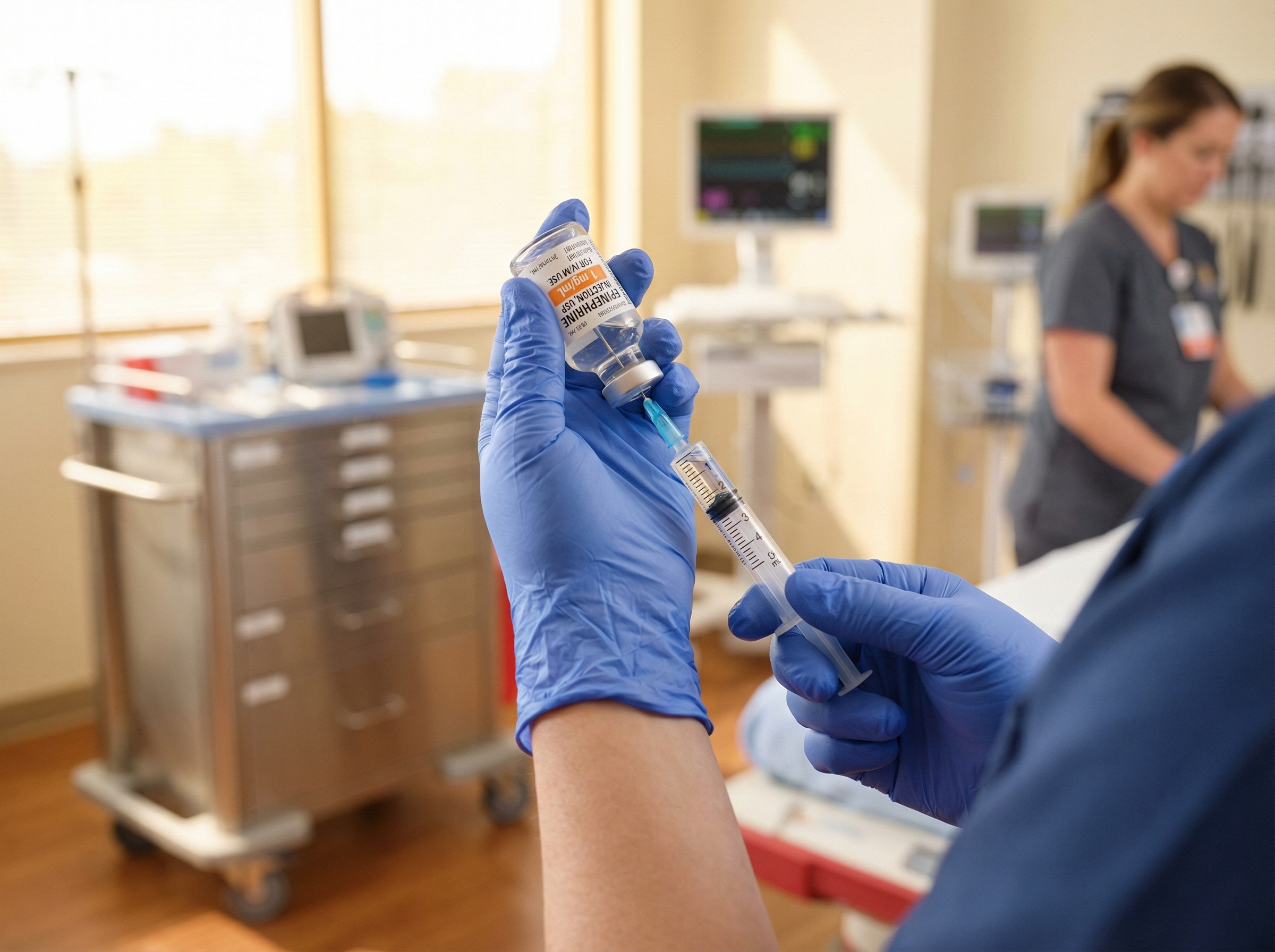
Medical professional preparing epinephrine dose for cardiac arrest administration


Current guidelines differentiate timing recommendations based on initial rhythm. For non-shockable rhythms, epinephrine should be given as soon as IV/IO access is established. For shockable rhythms (VF/pulseless VT), epinephrine administration should occur after initial defibrillation attempts have failed. This approach prioritizes electrical therapy for rhythms most likely to respond to defibrillation while ensuring medications aren't delayed unnecessarily.


One critical aspect often overlooked is proper administration technique. Each epinephrine dose must be followed by a 20 mL saline flush with brief extremity elevation to promote central circulation. Without adequate flushing, medications can pool in peripheral veins, delaying therapeutic effect and extending the effective delivery window. For detailed dosing information, review our comprehensive guide to vasopressor selection in cardiac arrest.


Amiodarone and Lidocaine: Time-Dependent Antiarrhythmic Windows

For patients in refractory ventricular fibrillation or pulseless ventricular tachycardia, antiarrhythmic medications play a crucial role after initial defibrillation attempts fail. The timing of amiodarone or lidocaine administration directly impacts both immediate resuscitation success and long-term neurological outcomes.


The current ACLS protocol recommends administering 300 mg of amiodarone IV/IO after the third unsuccessful defibrillation attempt. This timing reflects a careful balance: early enough to take advantage of the medication's membrane-stabilizing effects, but not so early that it delays critical defibrillation attempts. A second dose of 150 mg may be given if VF persists after the initial amiodarone dose.


Recent evidence suggests a narrow therapeutic window for antiarrhythmic effectiveness. Research published in the Scandinavian Journal of Trauma, Resuscitation and Emergency Medicine found that patients who received amiodarone within 20 minutes of arrest onset had significantly higher rates of prehospital ROSC and survival to hospital arrival compared to those who received delayed administration. The probability of achieving good neurological outcomes decreased progressively with each minute of delay.


A landmark randomized controlled trial demonstrated that when amiodarone was administered within 8 minutes of advanced life support arrival, it improved not only survival to hospital admission but also survival to hospital discharge and functional neurological survival. This finding emphasizes the importance of rapid IV/IO access establishment and efficient team coordination during resuscitation efforts.


Administration technique matters significantly for amiodarone. During cardiac arrest, the 300 mg dose can be given rapidly (pushed similarly to epinephrine) and should be followed by a 20 mL normal saline flush. For patients with wide complex tachycardia with a pulse, the dosing strategy differs: 150 mg IV over 10 minutes, followed by a continuous infusion. Understanding these distinctions prevents potentially dangerous administration errors. Healthcare professionals managing wide complex tachycardia scenarios should master both protocols.


Optimizing Drug Delivery Routes: IV vs. IO Access

The route of medication administration impacts both the timing and effectiveness of drug delivery during cardiac arrest. The 2025 AHA guidelines provide clear recommendations prioritizing intravenous (IV) access as the first-line approach, with intraosseous (IO) access serving as an immediate alternative if IV attempts are unsuccessful or delayed.


IV access offers several advantages: faster drug circulation times, familiarity among healthcare providers, and established protocols for maintenance. However, obtaining peripheral IV access during cardiac arrest can be challenging due to venous collapse, hypothermia, obesity, and the chaotic nature of resuscitation efforts. The guidelines recommend limiting IV attempts to avoid delays in medication administration.


IO access provides a rapid, reliable alternative with onset times comparable to central venous access. Modern IO devices allow medication delivery directly into the bone marrow cavity, where rich venous plexuses carry drugs into central circulation. Research comparing IV and IO routes has shown equivalent outcomes when medications are administered promptly via either route.


The critical factor isn't which route you choose initially, but how quickly you establish reliable vascular access. A recent UK randomized trial found no significant difference in 30-day survival between patients receiving medications via IV versus IO routes. The takeaway for clinicians: establish any reliable access quickly rather than persisting with difficult IV attempts while medications are delayed.


Central venous access, while offering the most direct route to central circulation, should only be attempted by experienced providers and should never delay medication administration. The time required to establish central access typically exceeds the critical therapeutic window for first-dose epinephrine in most cardiac arrest scenarios.


Rhythm-Specific Medication Timing Strategies

ACLS medication timing varies significantly based on the patient's presenting cardiac rhythm. Understanding these rhythm-specific approaches allows healthcare teams to optimize therapeutic windows and maximize survival probability.


For shockable rhythms (ventricular fibrillation and pulseless ventricular tachycardia), electrical therapy takes precedence over medication administration. The adult cardiac arrest algorithm emphasizes immediate defibrillation as the highest priority intervention. Epinephrine administration should occur after initial defibrillation attempts, typically after the second shock if VF/VT persists. This sequencing ensures that electrical therapy—the intervention most likely to restore organized rhythm—isn't delayed by medication preparation.


For non-shockable rhythms (asystole and pulseless electrical activity), medication timing follows different principles. Since electrical therapy offers no benefit for these rhythms, epinephrine should be administered as soon as vascular access is established. Every minute counts—the relationship between epinephrine timing and survival is particularly strong in non-shockable arrests, where early vasopressor administration may be the only intervention capable of increasing perfusion pressure enough to achieve ROSC.


Rhythm transitions during resuscitation require immediate reassessment of medication priorities. When a patient converts from a non-shockable to a shockable rhythm, immediate defibrillation takes priority. Conversely, if a shockable rhythm degenerates to asystole or PEA, the focus shifts entirely to high-quality CPR, immediate epinephrine administration, and identifying reversible causes.


Special populations require modified timing approaches. Patients with severe hypothermia (core temperature below 30°C) should not receive epinephrine or other ACLS medications until rewarming reaches 30°C. The physiological derangements of severe hypothermia render medications ineffective and potentially harmful, making rewarming the primary therapeutic priority.


Adenosine: When Ultra-Rapid Administration Matters Most

Among ACLS medications, adenosine stands apart due to its extremely short half-life of less than 10 seconds. This unique pharmacokinetic property makes administration technique and timing absolutely critical for therapeutic success in supraventricular tachycardia (SVT) management.


The standard adenosine dosing protocol—6 mg rapid IV push followed by immediate 20 mL saline flush, with a second 12 mg dose if the first attempt fails—seems straightforward. However, the execution requires precision timing. The medication must reach the AV node while still pharmacologically active, meaning the entire sequence from drug injection through saline flush must occur within seconds.


Administration location significantly impacts adenosine effectiveness due to its rapid metabolism by adenosine deaminase in red blood cells and vascular endothelium. Peripheral IV sites require larger volumes of flush (20-30 mL) and benefit from administration in the most proximal accessible vein. Antecubital sites work better than hand or wrist IVs. Some experts recommend elevating the extremity immediately after administration to accelerate central delivery.


Timing considerations extend beyond the injection itself. Patients should be continuously monitored during adenosine administration, as the brief period of AV nodal blockade can be uncomfortable and anxiety-provoking. Warning patients about the sensation of chest pressure or dyspnea immediately before administration helps manage expectations during the few seconds of drug effect. For comprehensive guidance on SVT management, consult our detailed article on treating supraventricular tachycardia with adenosine.


Adenosine failures often result from timing errors rather than drug ineffectiveness. Common mistakes include: using insufficient flush volume, administering through distal IV sites, failing to push the medication rapidly enough, or neglecting to elevate the extremity. Recognizing these technical errors allows providers to optimize subsequent attempts rather than abandoning adenosine prematurely.


Common Timing Errors and How to Avoid Them

Even experienced resuscitation teams make timing errors that compromise medication effectiveness. Understanding these common pitfalls helps providers develop systems to prevent them during high-stress code situations.


Delayed vascular access remains the most frequent timing error. Teams often persist with difficult peripheral IV attempts while critical medication administration windows close. The solution: establish a clear protocol limiting IV attempts (typically to two attempts or 60-90 seconds) before transitioning immediately to IO access. This approach prevents the common scenario where valuable minutes elapse while multiple providers attempt unsuccessful IV starts.


Inadequate flushing represents another prevalent error that extends effective drug delivery time. Each medication dose requires a substantial flush volume (20 mL minimum) to propel drugs from peripheral veins into central circulation. Providers often underestimate flush requirements or forget to flush entirely during the chaos of resuscitation. Pre-assembled flush syringes attached to medication delivery systems help prevent this error.


Medication preparation delays frequently extend delivery windows unnecessarily. Drawing up medications, calculating doses, and diluting drugs consumes precious time during cardiac arrest. Many emergency departments now use pre-filled syringes or automated dispensing systems with pre-calculated code doses to minimize preparation time. For pediatric resuscitation, where weight-based dosing calculations add complexity, color-coded systems or mobile applications can reduce both preparation time and dosing errors.


Poor team communication often results in medication timing confusion. Without clear verbal confirmation of medication administration, team leaders may be unaware of when drugs were given, leading to inappropriate dosing intervals. Using closed-loop communication—where medication administrators confirm orders verbally and announce completion of administration—ensures the entire team maintains timing awareness.


Rhythm-inappropriate timing occurs when providers apply the wrong medication sequence for the presenting rhythm. For example, administering epinephrine before attempting defibrillation in VF/pulseless VT, or delaying epinephrine while troubleshooting equipment in asystole. Regular simulation training reinforcing rhythm-specific algorithms helps prevent these errors during actual resuscitation events.


Team Dynamics and Coordinated Drug Delivery

Optimal medication timing requires seamless coordination among all team members. Even the most knowledgeable individual provider cannot achieve ideal drug delivery windows without effective team dynamics and clear role assignments.


The team leader bears responsibility for monitoring overall resuscitation timing, including medication intervals. Using a dedicated timer or delegating a team member to track elapsed time since the last epinephrine dose prevents inadvertent delays. Many teams use visual timers or smartphone applications that provide audible alerts at appropriate medication intervals.


A designated medication provider—typically a nurse or pharmacist—should focus exclusively on medication preparation and administration during resuscitation. This role includes drawing up medications in anticipation of orders, maintaining awareness of dosing intervals, and ensuring adequate flush administration. When possible, having pre-filled syringes prepared before codes occur eliminates preparation delays.


The vascular access team member should be empowered to make rapid decisions about transitioning from IV to IO access without waiting for specific orders. Clear protocols stating "two attempts or 90 seconds, then IO" remove ambiguity and prevent delays. Some high-performing teams establish IO access immediately while simultaneously attempting IV access, ensuring no delay in medication administration regardless of IV success.


Regular debriefing after resuscitation attempts helps teams identify timing improvement opportunities. Reviewing code documentation to assess medication intervals, analyzing delays, and discussing alternative approaches builds institutional knowledge that improves future performance. Many hospitals now use video review systems that allow objective assessment of team performance including medication timing.


Accurate Documentation: Recording Critical Time Intervals

Precise timing documentation serves multiple purposes: it guides real-time clinical decision-making, facilitates quality improvement efforts, and provides medicolegal protection for healthcare providers. Accurate recording of medication administration times represents a critical but often neglected aspect of resuscitation care.


Modern electronic health records often include resuscitation documentation modules with automatic timestamping when medications are scanned or entered. These systems reduce documentation burden while improving accuracy. However, the fast-paced nature of resuscitation means real-time electronic documentation isn't always feasible. A dedicated scribe or recorder role helps capture critical timing information without distracting team members from patient care.


Key time intervals to document include: time of arrest onset (or discovery), CPR initiation time, first defibrillation time (if applicable), each medication administration time, rhythm checks, and interventions such as advanced airway placement. These timestamps allow post-event analysis to identify delays and improvement opportunities.


Immediate post-resuscitation documentation review while events remain fresh in team members' memories improves accuracy. Comparing team recollections with automated defibrillator time stamps provides objective verification of timing sequences. This practice also helps identify and correct documentation errors before they become part of the permanent medical record.


Training and Skill Maintenance for Optimal Timing

Achieving optimal medication timing during actual resuscitation events requires deliberate practice and regular skills reinforcement. One-time ACLS certification, while necessary, doesn't guarantee providers will execute timing-critical interventions effectively under stress.


High-fidelity simulation training offers the most effective method for developing timing skills. Realistic scenarios that include time pressure, incomplete information, and equipment challenges mirror actual resuscitation conditions. Participants learn to make rapid access decisions, coordinate team actions, and maintain awareness of medication intervals while managing multiple simultaneous tasks.


In-situ simulation—conducting mock codes in actual clinical environments using real equipment—helps identify system-level barriers to optimal timing. These exercises often reveal problems invisible in classroom settings: medication carts difficult to access, missing supplies, confusing medication storage, or communication barriers. Addressing these issues before actual emergencies occur significantly improves team performance.


Microlearning approaches, such as brief monthly skills sessions focusing on specific high-risk scenarios, help maintain procedural competency between comprehensive ACLS renewals. A 15-minute session practicing rapid IO access or reviewing medication dosing intervals provides valuable reinforcement without requiring extensive time commitments from busy clinical staff.


Online ACLS certification platforms, such as those offered by Affordable ACLS, provide flexible options for healthcare professionals to review and refresh critical timing principles. Our courses, developed by board-certified emergency physicians with extensive resuscitation experience, emphasize practical application of timing concepts. With self-paced learning, unlimited retakes, and immediate certification, providers can ensure their knowledge remains current without the scheduling challenges and high costs of traditional classroom courses. For those seeking to master ACLS medication protocols, exploring our comprehensive medication guides provides valuable supplementary learning.


Special Considerations: Pediatric and Obstetric Timing

While this article primarily addresses adult ACLS timing, pediatric and obstetric populations present unique medication timing challenges that warrant brief mention. The principles remain the same—rapid medication delivery within optimal therapeutic windows—but the execution differs significantly.


Pediatric resuscitation introduces weight-based dosing calculations that can delay medication administration if not anticipated. Color-coded systems (such as Broselow tape) or mobile applications help providers rapidly determine appropriate doses. Establishing IO access in children often proves faster and more reliable than IV access, particularly in infants and young children where venous access can be extremely difficult.


Pregnant patients in cardiac arrest require modifications to standard ACLS protocols, including continuous leftward uterine displacement and preparation for perimortem cesarean delivery if resuscitation is unsuccessful after 4 minutes. Medication timing follows standard ACLS protocols, but the decision timeline for surgical delivery creates additional time pressures that teams must anticipate and prepare for.


Future Developments in Medication Timing Optimization

Emerging technologies and research continue to refine our understanding of optimal medication timing in resuscitation. Real-time feedback devices now provide continuous data on CPR quality, including perfusion parameters that may eventually guide medication timing decisions. Rather than fixed time intervals, future protocols might recommend medication administration when perfusion falls below specific thresholds.


Artificial intelligence systems analyzing multiple physiological parameters simultaneously show promise for predicting which patients will benefit most from specific medications at particular time points. While these technologies remain investigational, they represent the potential future of personalized resuscitation care.


According to the 2025 AHA CPR guidelines, ongoing research continues to evaluate optimal medication dosing and timing strategies. As evidence evolves, guidelines will be updated to reflect new understandings of time-dependent therapeutic windows.


Conclusion: Mastering the Clock to Save Lives

Medication timing represents a critical yet often underappreciated aspect of ACLS care. The difference between administering epinephrine at 3 minutes versus 8 minutes can translate to a 20% reduction in survival probability. For antiarrhythmics like amiodarone, therapeutic windows may be even narrower. These aren't abstract statistics—they represent real patients whose outcomes depend on healthcare teams' ability to deliver the right medications at the right time.


Mastering medication timing requires more than memorizing protocols. It demands systematic approaches to vascular access, coordinated team dynamics, efficient medication preparation systems, and regular skills practice. It requires individual providers to understand the pharmacological rationale behind timing recommendations and teams to develop cohesive systems that minimize delays.


For healthcare professionals preparing for ACLS certification or recertification, understanding medication timing principles represents essential knowledge. Affordable ACLS offers comprehensive online courses that cover these critical concepts in depth, with content developed by practicing emergency physicians who apply these principles daily. Our self-paced format allows you to master timing protocols on your schedule, with unlimited retakes ensuring complete understanding before certification. With courses starting at just $49 for BLS recertification and $89 for ACLS recertification, there's no barrier to maintaining the knowledge that saves lives.


Every resuscitation represents an opportunity to apply timing principles that maximize patient survival. By understanding drug delivery windows, optimizing vascular access strategies, coordinating effective teams, and maintaining skills through regular practice, healthcare providers can ensure they're delivering medications at the moments when they'll do the most good. In resuscitation medicine, seconds truly matter—and mastering those seconds is what separates adequate care from excellent care.


Whether you're an experienced code team leader or a healthcare professional seeking your first ACLS certification, committing to excellence in medication timing represents one of the most impactful steps you can take to improve patient outcomes. The evidence is clear: when medications are delivered promptly within optimal therapeutic windows, survival increases. That's a goal worth pursuing with every resuscitation effort.


ACLS Blogs

ACLS Medication Timing: Why Seconds Matter and How to Master Drug Delivery Windows

When a patient goes into cardiac arrest, the clock starts ticking immediately. While high-quality CPR forms the foundation of resuscitation, medication administration at the right time can mean the difference between survival and death, between meaningful neurological recovery and permanent disability.

Why Every Second Counts in ACLS Drug Administration

When a patient goes into cardiac arrest, the clock starts ticking immediately. While high-quality CPR forms the foundation of resuscitation, medication administration at the right time can mean the difference between survival and death, between meaningful neurological recovery and permanent disability. As practicing emergency physicians who've managed countless code situations, we've seen firsthand how precise medication timing impacts patient outcomes. Understanding drug delivery windows isn't just academic knowledge—it's a clinical skill that saves lives.


The 2025 American Heart Association guidelines emphasize time-dependent therapeutic windows for critical ACLS medications. Research consistently demonstrates that delays of even a few minutes in epinephrine administration can reduce survival rates by 4-5% per minute. For healthcare professionals seeking comprehensive medication reference materials, understanding these timing principles is essential for certification and clinical practice.

Healthcare team practicing coordinated ACLS medication administration during CPR


The Science Behind Drug Delivery Windows

Drug delivery windows refer to the optimal timeframe during which a medication produces maximum therapeutic benefit with minimal adverse effects. During cardiac arrest, the body undergoes profound physiological changes that affect drug pharmacokinetics and pharmacodynamics. Tissue perfusion decreases dramatically, cellular metabolism shifts to anaerobic pathways, and the distribution of medications throughout the body becomes unpredictable.


According to the 2025 AHA ACLS guidelines published in Circulation, the effectiveness of resuscitation medications depends critically on when they're administered relative to the onset of cardiac arrest and the initiation of CPR. The longer the delay, the more resistant the myocardium becomes to both electrical and pharmacological interventions. This phenomenon, known as electrical-metabolic coupling, explains why early medication administration correlates with improved outcomes.


Cellular energy depletion occurs rapidly during cardiac arrest. Without adequate ATP production, ion pumps fail, cellular membranes depolarize, and myocardial cells lose their ability to respond to defibrillation and vasoactive medications. The therapeutic window for medication effectiveness narrows as arrest time increases, making prompt recognition and rapid drug delivery absolutely critical.


Epinephrine: The Gold Standard with Time-Dependent Effects

Epinephrine remains the cornerstone vasopressor in cardiac arrest management, but its effectiveness varies dramatically based on timing. The current ACLS protocol recommends 1 mg of epinephrine IV/IO every 3-5 minutes during resuscitation. However, recent research has revealed that the timing of the first dose matters enormously.


Studies published in the Journal of the American Medical Association demonstrate that early epinephrine administration (within 10 minutes of EMS arrival) significantly improves both return of spontaneous circulation (ROSC) and neurologically intact survival. For patients with non-shockable rhythms (asystole and PEA), each minute of delay in epinephrine administration decreases the odds of survival to hospital discharge by approximately 4%.


The mechanism behind epinephrine's time-sensitivity relates to its alpha-adrenergic effects on peripheral vasoconstriction. By increasing aortic diastolic pressure, epinephrine enhances coronary and cerebral perfusion during CPR. However, this benefit diminishes as arrest time lengthens and myocardial energy stores deplete. According to recent research in Medicina journal, the optimal therapeutic window for epinephrine appears to be within the first 1-10 minutes of cardiac arrest.

Medical professional preparing epinephrine dose for cardiac arrest administration


Current guidelines differentiate timing recommendations based on initial rhythm. For non-shockable rhythms, epinephrine should be given as soon as IV/IO access is established. For shockable rhythms (VF/pulseless VT), epinephrine administration should occur after initial defibrillation attempts have failed. This approach prioritizes electrical therapy for rhythms most likely to respond to defibrillation while ensuring medications aren't delayed unnecessarily.


One critical aspect often overlooked is proper administration technique. Each epinephrine dose must be followed by a 20 mL saline flush with brief extremity elevation to promote central circulation. Without adequate flushing, medications can pool in peripheral veins, delaying therapeutic effect and extending the effective delivery window. For detailed dosing information, review our comprehensive guide to vasopressor selection in cardiac arrest.


Amiodarone and Lidocaine: Time-Dependent Antiarrhythmic Windows

For patients in refractory ventricular fibrillation or pulseless ventricular tachycardia, antiarrhythmic medications play a crucial role after initial defibrillation attempts fail. The timing of amiodarone or lidocaine administration directly impacts both immediate resuscitation success and long-term neurological outcomes.


The current ACLS protocol recommends administering 300 mg of amiodarone IV/IO after the third unsuccessful defibrillation attempt. This timing reflects a careful balance: early enough to take advantage of the medication's membrane-stabilizing effects, but not so early that it delays critical defibrillation attempts. A second dose of 150 mg may be given if VF persists after the initial amiodarone dose.


Recent evidence suggests a narrow therapeutic window for antiarrhythmic effectiveness. Research published in the Scandinavian Journal of Trauma, Resuscitation and Emergency Medicine found that patients who received amiodarone within 20 minutes of arrest onset had significantly higher rates of prehospital ROSC and survival to hospital arrival compared to those who received delayed administration. The probability of achieving good neurological outcomes decreased progressively with each minute of delay.


A landmark randomized controlled trial demonstrated that when amiodarone was administered within 8 minutes of advanced life support arrival, it improved not only survival to hospital admission but also survival to hospital discharge and functional neurological survival. This finding emphasizes the importance of rapid IV/IO access establishment and efficient team coordination during resuscitation efforts.


Administration technique matters significantly for amiodarone. During cardiac arrest, the 300 mg dose can be given rapidly (pushed similarly to epinephrine) and should be followed by a 20 mL normal saline flush. For patients with wide complex tachycardia with a pulse, the dosing strategy differs: 150 mg IV over 10 minutes, followed by a continuous infusion. Understanding these distinctions prevents potentially dangerous administration errors. Healthcare professionals managing wide complex tachycardia scenarios should master both protocols.


Optimizing Drug Delivery Routes: IV vs. IO Access

The route of medication administration impacts both the timing and effectiveness of drug delivery during cardiac arrest. The 2025 AHA guidelines provide clear recommendations prioritizing intravenous (IV) access as the first-line approach, with intraosseous (IO) access serving as an immediate alternative if IV attempts are unsuccessful or delayed.


IV access offers several advantages: faster drug circulation times, familiarity among healthcare providers, and established protocols for maintenance. However, obtaining peripheral IV access during cardiac arrest can be challenging due to venous collapse, hypothermia, obesity, and the chaotic nature of resuscitation efforts. The guidelines recommend limiting IV attempts to avoid delays in medication administration.


IO access provides a rapid, reliable alternative with onset times comparable to central venous access. Modern IO devices allow medication delivery directly into the bone marrow cavity, where rich venous plexuses carry drugs into central circulation. Research comparing IV and IO routes has shown equivalent outcomes when medications are administered promptly via either route.


The critical factor isn't which route you choose initially, but how quickly you establish reliable vascular access. A recent UK randomized trial found no significant difference in 30-day survival between patients receiving medications via IV versus IO routes. The takeaway for clinicians: establish any reliable access quickly rather than persisting with difficult IV attempts while medications are delayed.


Central venous access, while offering the most direct route to central circulation, should only be attempted by experienced providers and should never delay medication administration. The time required to establish central access typically exceeds the critical therapeutic window for first-dose epinephrine in most cardiac arrest scenarios.


Rhythm-Specific Medication Timing Strategies

ACLS medication timing varies significantly based on the patient's presenting cardiac rhythm. Understanding these rhythm-specific approaches allows healthcare teams to optimize therapeutic windows and maximize survival probability.


For shockable rhythms (ventricular fibrillation and pulseless ventricular tachycardia), electrical therapy takes precedence over medication administration. The adult cardiac arrest algorithm emphasizes immediate defibrillation as the highest priority intervention. Epinephrine administration should occur after initial defibrillation attempts, typically after the second shock if VF/VT persists. This sequencing ensures that electrical therapy—the intervention most likely to restore organized rhythm—isn't delayed by medication preparation.


For non-shockable rhythms (asystole and pulseless electrical activity), medication timing follows different principles. Since electrical therapy offers no benefit for these rhythms, epinephrine should be administered as soon as vascular access is established. Every minute counts—the relationship between epinephrine timing and survival is particularly strong in non-shockable arrests, where early vasopressor administration may be the only intervention capable of increasing perfusion pressure enough to achieve ROSC.


Rhythm transitions during resuscitation require immediate reassessment of medication priorities. When a patient converts from a non-shockable to a shockable rhythm, immediate defibrillation takes priority. Conversely, if a shockable rhythm degenerates to asystole or PEA, the focus shifts entirely to high-quality CPR, immediate epinephrine administration, and identifying reversible causes.


Special populations require modified timing approaches. Patients with severe hypothermia (core temperature below 30°C) should not receive epinephrine or other ACLS medications until rewarming reaches 30°C. The physiological derangements of severe hypothermia render medications ineffective and potentially harmful, making rewarming the primary therapeutic priority.


Adenosine: When Ultra-Rapid Administration Matters Most

Among ACLS medications, adenosine stands apart due to its extremely short half-life of less than 10 seconds. This unique pharmacokinetic property makes administration technique and timing absolutely critical for therapeutic success in supraventricular tachycardia (SVT) management.


The standard adenosine dosing protocol—6 mg rapid IV push followed by immediate 20 mL saline flush, with a second 12 mg dose if the first attempt fails—seems straightforward. However, the execution requires precision timing. The medication must reach the AV node while still pharmacologically active, meaning the entire sequence from drug injection through saline flush must occur within seconds.


Administration location significantly impacts adenosine effectiveness due to its rapid metabolism by adenosine deaminase in red blood cells and vascular endothelium. Peripheral IV sites require larger volumes of flush (20-30 mL) and benefit from administration in the most proximal accessible vein. Antecubital sites work better than hand or wrist IVs. Some experts recommend elevating the extremity immediately after administration to accelerate central delivery.


Timing considerations extend beyond the injection itself. Patients should be continuously monitored during adenosine administration, as the brief period of AV nodal blockade can be uncomfortable and anxiety-provoking. Warning patients about the sensation of chest pressure or dyspnea immediately before administration helps manage expectations during the few seconds of drug effect. For comprehensive guidance on SVT management, consult our detailed article on treating supraventricular tachycardia with adenosine.


Adenosine failures often result from timing errors rather than drug ineffectiveness. Common mistakes include: using insufficient flush volume, administering through distal IV sites, failing to push the medication rapidly enough, or neglecting to elevate the extremity. Recognizing these technical errors allows providers to optimize subsequent attempts rather than abandoning adenosine prematurely.


Common Timing Errors and How to Avoid Them

Even experienced resuscitation teams make timing errors that compromise medication effectiveness. Understanding these common pitfalls helps providers develop systems to prevent them during high-stress code situations.


Delayed vascular access remains the most frequent timing error. Teams often persist with difficult peripheral IV attempts while critical medication administration windows close. The solution: establish a clear protocol limiting IV attempts (typically to two attempts or 60-90 seconds) before transitioning immediately to IO access. This approach prevents the common scenario where valuable minutes elapse while multiple providers attempt unsuccessful IV starts.


Inadequate flushing represents another prevalent error that extends effective drug delivery time. Each medication dose requires a substantial flush volume (20 mL minimum) to propel drugs from peripheral veins into central circulation. Providers often underestimate flush requirements or forget to flush entirely during the chaos of resuscitation. Pre-assembled flush syringes attached to medication delivery systems help prevent this error.


Medication preparation delays frequently extend delivery windows unnecessarily. Drawing up medications, calculating doses, and diluting drugs consumes precious time during cardiac arrest. Many emergency departments now use pre-filled syringes or automated dispensing systems with pre-calculated code doses to minimize preparation time. For pediatric resuscitation, where weight-based dosing calculations add complexity, color-coded systems or mobile applications can reduce both preparation time and dosing errors.


Poor team communication often results in medication timing confusion. Without clear verbal confirmation of medication administration, team leaders may be unaware of when drugs were given, leading to inappropriate dosing intervals. Using closed-loop communication—where medication administrators confirm orders verbally and announce completion of administration—ensures the entire team maintains timing awareness.


Rhythm-inappropriate timing occurs when providers apply the wrong medication sequence for the presenting rhythm. For example, administering epinephrine before attempting defibrillation in VF/pulseless VT, or delaying epinephrine while troubleshooting equipment in asystole. Regular simulation training reinforcing rhythm-specific algorithms helps prevent these errors during actual resuscitation events.


Team Dynamics and Coordinated Drug Delivery

Optimal medication timing requires seamless coordination among all team members. Even the most knowledgeable individual provider cannot achieve ideal drug delivery windows without effective team dynamics and clear role assignments.


The team leader bears responsibility for monitoring overall resuscitation timing, including medication intervals. Using a dedicated timer or delegating a team member to track elapsed time since the last epinephrine dose prevents inadvertent delays. Many teams use visual timers or smartphone applications that provide audible alerts at appropriate medication intervals.


A designated medication provider—typically a nurse or pharmacist—should focus exclusively on medication preparation and administration during resuscitation. This role includes drawing up medications in anticipation of orders, maintaining awareness of dosing intervals, and ensuring adequate flush administration. When possible, having pre-filled syringes prepared before codes occur eliminates preparation delays.


The vascular access team member should be empowered to make rapid decisions about transitioning from IV to IO access without waiting for specific orders. Clear protocols stating "two attempts or 90 seconds, then IO" remove ambiguity and prevent delays. Some high-performing teams establish IO access immediately while simultaneously attempting IV access, ensuring no delay in medication administration regardless of IV success.


Regular debriefing after resuscitation attempts helps teams identify timing improvement opportunities. Reviewing code documentation to assess medication intervals, analyzing delays, and discussing alternative approaches builds institutional knowledge that improves future performance. Many hospitals now use video review systems that allow objective assessment of team performance including medication timing.


Accurate Documentation: Recording Critical Time Intervals

Precise timing documentation serves multiple purposes: it guides real-time clinical decision-making, facilitates quality improvement efforts, and provides medicolegal protection for healthcare providers. Accurate recording of medication administration times represents a critical but often neglected aspect of resuscitation care.


Modern electronic health records often include resuscitation documentation modules with automatic timestamping when medications are scanned or entered. These systems reduce documentation burden while improving accuracy. However, the fast-paced nature of resuscitation means real-time electronic documentation isn't always feasible. A dedicated scribe or recorder role helps capture critical timing information without distracting team members from patient care.


Key time intervals to document include: time of arrest onset (or discovery), CPR initiation time, first defibrillation time (if applicable), each medication administration time, rhythm checks, and interventions such as advanced airway placement. These timestamps allow post-event analysis to identify delays and improvement opportunities.


Immediate post-resuscitation documentation review while events remain fresh in team members' memories improves accuracy. Comparing team recollections with automated defibrillator time stamps provides objective verification of timing sequences. This practice also helps identify and correct documentation errors before they become part of the permanent medical record.


Training and Skill Maintenance for Optimal Timing

Achieving optimal medication timing during actual resuscitation events requires deliberate practice and regular skills reinforcement. One-time ACLS certification, while necessary, doesn't guarantee providers will execute timing-critical interventions effectively under stress.


High-fidelity simulation training offers the most effective method for developing timing skills. Realistic scenarios that include time pressure, incomplete information, and equipment challenges mirror actual resuscitation conditions. Participants learn to make rapid access decisions, coordinate team actions, and maintain awareness of medication intervals while managing multiple simultaneous tasks.


In-situ simulation—conducting mock codes in actual clinical environments using real equipment—helps identify system-level barriers to optimal timing. These exercises often reveal problems invisible in classroom settings: medication carts difficult to access, missing supplies, confusing medication storage, or communication barriers. Addressing these issues before actual emergencies occur significantly improves team performance.


Microlearning approaches, such as brief monthly skills sessions focusing on specific high-risk scenarios, help maintain procedural competency between comprehensive ACLS renewals. A 15-minute session practicing rapid IO access or reviewing medication dosing intervals provides valuable reinforcement without requiring extensive time commitments from busy clinical staff.


Online ACLS certification platforms, such as those offered by Affordable ACLS, provide flexible options for healthcare professionals to review and refresh critical timing principles. Our courses, developed by board-certified emergency physicians with extensive resuscitation experience, emphasize practical application of timing concepts. With self-paced learning, unlimited retakes, and immediate certification, providers can ensure their knowledge remains current without the scheduling challenges and high costs of traditional classroom courses. For those seeking to master ACLS medication protocols, exploring our comprehensive medication guides provides valuable supplementary learning.


Special Considerations: Pediatric and Obstetric Timing

While this article primarily addresses adult ACLS timing, pediatric and obstetric populations present unique medication timing challenges that warrant brief mention. The principles remain the same—rapid medication delivery within optimal therapeutic windows—but the execution differs significantly.


Pediatric resuscitation introduces weight-based dosing calculations that can delay medication administration if not anticipated. Color-coded systems (such as Broselow tape) or mobile applications help providers rapidly determine appropriate doses. Establishing IO access in children often proves faster and more reliable than IV access, particularly in infants and young children where venous access can be extremely difficult.


Pregnant patients in cardiac arrest require modifications to standard ACLS protocols, including continuous leftward uterine displacement and preparation for perimortem cesarean delivery if resuscitation is unsuccessful after 4 minutes. Medication timing follows standard ACLS protocols, but the decision timeline for surgical delivery creates additional time pressures that teams must anticipate and prepare for.


Future Developments in Medication Timing Optimization

Emerging technologies and research continue to refine our understanding of optimal medication timing in resuscitation. Real-time feedback devices now provide continuous data on CPR quality, including perfusion parameters that may eventually guide medication timing decisions. Rather than fixed time intervals, future protocols might recommend medication administration when perfusion falls below specific thresholds.


Artificial intelligence systems analyzing multiple physiological parameters simultaneously show promise for predicting which patients will benefit most from specific medications at particular time points. While these technologies remain investigational, they represent the potential future of personalized resuscitation care.


According to the 2025 AHA CPR guidelines, ongoing research continues to evaluate optimal medication dosing and timing strategies. As evidence evolves, guidelines will be updated to reflect new understandings of time-dependent therapeutic windows.


Conclusion: Mastering the Clock to Save Lives

Medication timing represents a critical yet often underappreciated aspect of ACLS care. The difference between administering epinephrine at 3 minutes versus 8 minutes can translate to a 20% reduction in survival probability. For antiarrhythmics like amiodarone, therapeutic windows may be even narrower. These aren't abstract statistics—they represent real patients whose outcomes depend on healthcare teams' ability to deliver the right medications at the right time.


Mastering medication timing requires more than memorizing protocols. It demands systematic approaches to vascular access, coordinated team dynamics, efficient medication preparation systems, and regular skills practice. It requires individual providers to understand the pharmacological rationale behind timing recommendations and teams to develop cohesive systems that minimize delays.


For healthcare professionals preparing for ACLS certification or recertification, understanding medication timing principles represents essential knowledge. Affordable ACLS offers comprehensive online courses that cover these critical concepts in depth, with content developed by practicing emergency physicians who apply these principles daily. Our self-paced format allows you to master timing protocols on your schedule, with unlimited retakes ensuring complete understanding before certification. With courses starting at just $49 for BLS recertification and $89 for ACLS recertification, there's no barrier to maintaining the knowledge that saves lives.


Every resuscitation represents an opportunity to apply timing principles that maximize patient survival. By understanding drug delivery windows, optimizing vascular access strategies, coordinating effective teams, and maintaining skills through regular practice, healthcare providers can ensure they're delivering medications at the moments when they'll do the most good. In resuscitation medicine, seconds truly matter—and mastering those seconds is what separates adequate care from excellent care.


Whether you're an experienced code team leader or a healthcare professional seeking your first ACLS certification, committing to excellence in medication timing represents one of the most impactful steps you can take to improve patient outcomes. The evidence is clear: when medications are delivered promptly within optimal therapeutic windows, survival increases. That's a goal worth pursuing with every resuscitation effort.


blogs

More articles for you

all articles

Start Today!

Get certified at your own pace, on your schedule, from the comfort of your home.