ACLS Blogs

Amiodarone Dosing Quick Reference: Cardiac Arrest vs Stable VT

Two Amiodarone Protocols, One Drug, Very Different Stakes

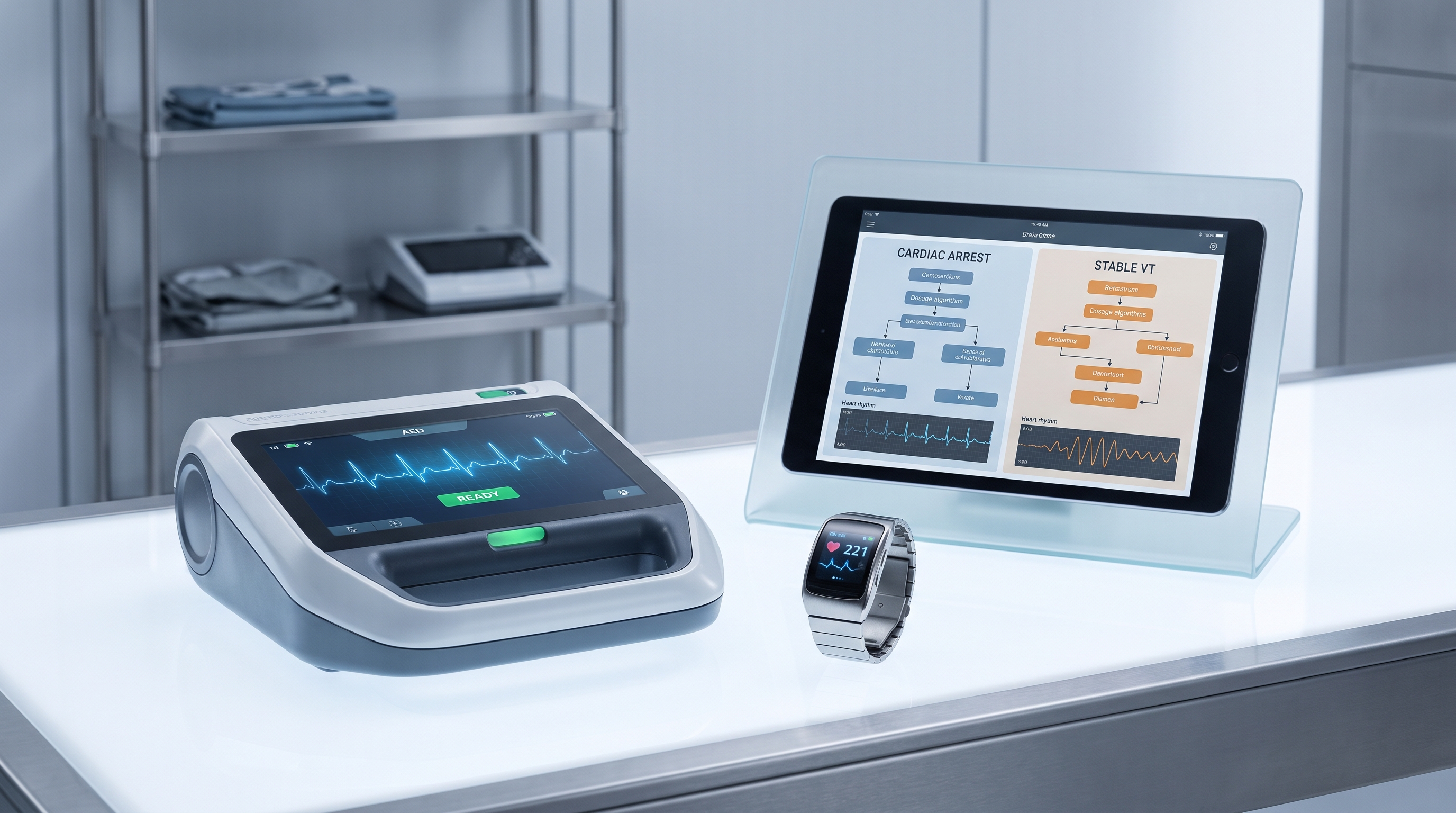
Amiodarone is one of the few ACLS medications that shows up in two completely different dosing formats depending on which side of the pulse check the patient is on. In pulseless cardiac arrest, it is a fast IV/IO push given between shocks. In stable ventricular tachycardia (VT), it is a slow loading infusion followed by a maintenance drip. Mixing up the two is a common error under code-team stress, and it matters clinically: a rapid push in a stable, perfusing patient can cause dangerous hypotension, while an infusion rate that is too slow will not do anything useful for a patient in pulseless arrest.


This quick reference walks through both protocols side by side, the maintenance infusion and its step-down, cumulative daily limits, the practical cautions every provider should know, why amiodarone is not the answer in torsades de pointes, and where lidocaine fits as the alternative antiarrhythmic. For the complete medication list, keep the ACLS medications cheat sheet open alongside this article.


The reason this particular mix-up is worth its own reference card is that amiodarone behaves like two different medications depending on the delivery method. Pushed quickly into a pulseless patient, it needs to reach the myocardium fast, and there is no blood pressure left to protect from a transient drop. Infused slowly into a patient who still has a pulse and a pressure, the same total dose delivered too fast can drop that pressure hard enough to turn a stable patient into an unstable one. The dose numbers matter, but the rate and the clinical context around them matter just as much.


Quick Reference: Arrest Dose vs Stable VT Infusion

Scan this table first, then use the detailed sections below when you need the full context for a specific scenario.


Scenario Clinical Setting Dose Route Repeat / Follow-up Pulseless cardiac arrest (VF/pVT) Shockable rhythm persisting despite defibrillation and epinephrine 300 mg IV or IO push May repeat once at 150 mg IV/IO push if VF/pVT persists or recurs Stable wide-complex tachycardia (stable VT) Wide-complex tachycardia with a pulse and adequate perfusion 150 mg loading infusion over 10 minutes IV infusion (never a rapid push) Followed by 1 mg/min for 6 hours, then 0.5 mg/min maintenance

Amiodarone in Pulseless Cardiac Arrest

Within the pulseless arrest algorithm, amiodarone is reserved for VF or pulseless VT that keeps regenerating after defibrillation and a vasopressor have already been given. It is not a first-line drug in the arrest sequence; it is the antiarrhythmic providers reach for once the shockable rhythm has proven resistant to electricity alone.


First Dose and Route

The first dose is 300 mg, given as a rapid IV or IO push. According to the 2018 American Heart Association focused update on antiarrhythmic drugs during cardiac arrest, amiodarone and lidocaine are both considered reasonable options for VF/pVT that is unresponsive to defibrillation, with amiodarone remaining the more commonly taught default in most ACLS courses. Because the patient is pulseless, there is no perfusing blood pressure to protect, so the drug is pushed quickly rather than infused.

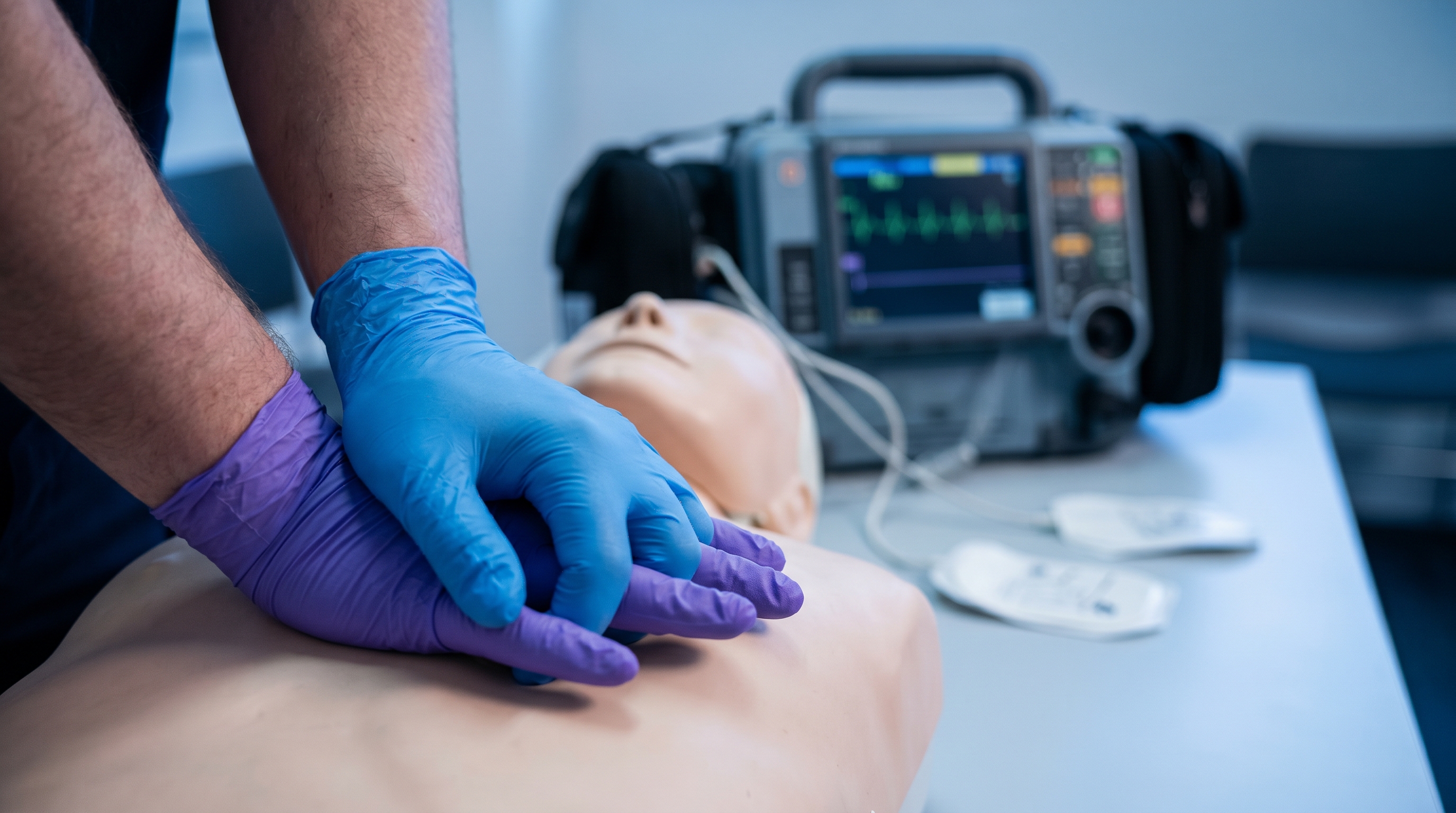
Code team pushing IV amiodarone during a simulated cardiac arrest


Repeat Dose

If the shockable rhythm persists or recurs after the first dose and another shock, a single repeat dose of 150 mg IV/IO push may be given. Only one repeat dose is used in the arrest algorithm; amiodarone is not re-dosed indefinitely with every subsequent shock. Providers who need a refresher on exactly when medications are due relative to shocks and rhythm checks should review ACLS medication timing and drug delivery windows, since giving amiodarone at the wrong point in the cycle is one of the more common megacode errors.


A few administration habits are worth building into muscle memory for the arrest dose specifically. Compressions should not stop for the push, the line should be flushed afterward so the full dose actually reaches central circulation, and if the drug is not available as a prefilled syringe it is typically diluted in a small volume of dextrose solution before it is pushed. None of that changes the dose or the route, but it is exactly the kind of detail that separates a clean code from a chaotic one, and it is a common point of hesitation the first few times a provider runs a real arrest instead of a simulated one.


Amiodarone for Stable Ventricular Tachycardia

Stable VT is a different clinical picture entirely: the patient has a pulse, a measurable blood pressure, and is not in extremis. Here amiodarone is not pushed. It is infused slowly, because a fast bolus in a patient who still has a blood pressure to lose can cause exactly the hypotension and bradycardia this drug is known for. For a fuller discussion of how this fits alongside cardioversion in the wide-complex tachycardia algorithm, see Wide Complex Tachycardia: How Amiodarone and Cardioversion Can Save Lives.


Loading Infusion

The loading dose is 150 mg infused over 10 minutes (roughly 15 mg/min), never as a rapid IV push. This regimen is documented in the classic intravenous amiodarone protocol published in Circulation and remains the basis for how the infusion is structured today.


Maintenance Infusion and Step-Down

After the loading infusion, the rate is stepped down in two phases: 1 mg/min for the next 6 hours, then 0.5 mg/min for the remaining 18 hours of the first 24-hour period. If breakthrough episodes of VT or VF occur during that window, a supplemental infusion of 150 mg over 10 minutes may be repeated as needed. The table below breaks down each phase and its approximate contribution to the total dose delivered in the first 24 hours.

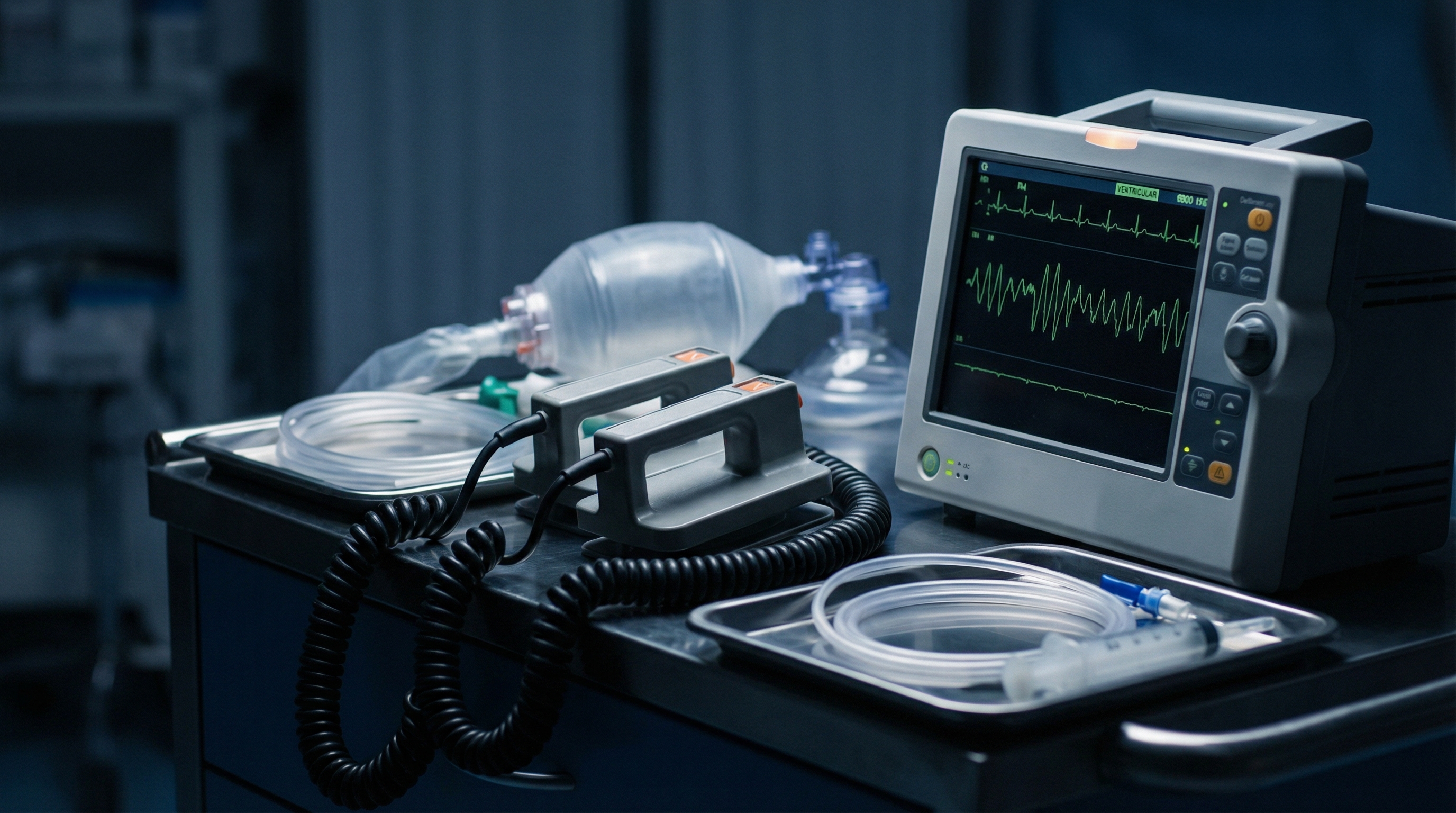
Nurse programming an IV infusion pump for a monitored stable VT patient


Phase Infusion Rate Duration Approximate Dose Delivered Loading infusion 150 mg over 10 min (about 15 mg/min) First 10 minutes 150 mg First maintenance phase 1 mg/min Next 6 hours Approximately 360 mg Step-down maintenance phase 0.5 mg/min Remaining 18 hours Approximately 540 mg Supplemental infusion (breakthrough VT/VF) 150 mg over 10 min, repeated as needed As needed during the 24-hour period 150 mg per episode

Most patients who need ongoing infusion therapy remain on it for a defined period while the ventricular arrhythmia stabilizes, after which the care team transitions to oral dosing or discontinues the drip based on the clinical picture. This is inpatient, monitored-bed territory, not something managed from a code cart alone, and it requires continuous cardiac monitoring and frequent blood pressure checks for as long as the infusion is running.


Peripheral Line vs Central Line

Amiodarone is irritating to peripheral veins, and prolonged peripheral infusions carry a real risk of phlebitis and, in rare cases, extravasation injury severe enough to cause tissue necrosis, a complication documented in case reports indexed on PubMed Central. Many facilities cap how long a peripheral line can carry the infusion before requiring central access, so this is worth confirming against local policy rather than assuming a single IV site is fine for the full 24 hours.


Cumulative Daily Limits

Regardless of how the arrest dose and the infusion doses add up over a busy 24 hours, the cumulative IV amiodarone total should not exceed 2.2 grams (2,200 mg) in 24 hours. This ceiling is documented in the StatPearls amiodarone monograph on the NIH Bookshelf and exists because higher cumulative exposure is associated with a meaningfully higher risk of hypotension and other toxicity.


A worked example makes the tracking problem concrete. A patient who converts after the arrest doses alone has received 450 mg (300 mg plus a 150 mg repeat). A patient who achieves return of spontaneous circulation and then goes on to a full loading-and-maintenance infusion for the rest of the day adds roughly another 1,000 to 1,050 mg on top of that, well within the 2.2 g ceiling but no longer far from it. If that same patient also needs one or two supplemental 150 mg infusions for breakthrough VT, the running total climbs quickly enough that whoever is charting the case needs to keep a live tally rather than reconstructing it from memory at shift change.


Practical Cautions Every Provider Should Know

Hypotension and Bradycardia with Rapid Infusion

Amiodarone's most common acute adverse effects are hypotension and bradycardia, and both are rate-dependent. The StatPearls monograph notes that infusing the drug faster than recommended, or exceeding the cumulative dose ceiling, raises the risk of significant hypotension. This is precisely why the stable-VT protocol is a controlled infusion rather than a push: the drug still has to reach a therapeutic level, but the rate has to stay slow enough to protect a blood pressure the pulseless-arrest patient does not have to worry about.


Part of that hypotension risk is not the antiarrhythmic effect itself but the vehicle the IV formulation is dissolved in. Research summarized in the Journal of the American College of Cardiology describes how the solvent used in standard intravenous amiodarone, polysorbate 80, contributes to arterial vasodilation and can slow AV node conduction independent of the drug's own antiarrhythmic action. That combination is exactly why infusing faster than the recommended rate is the single most avoidable cause of a hypotensive or bradycardic reaction, and why slowing or briefly holding the infusion is usually the first response when either shows up on the monitor.


Drug Interactions

Amiodarone has a long list of interactions that matter well beyond the code or the infusion bag. It raises digoxin levels, potentiates warfarin, and can compound QT prolongation when combined with other QT-prolonging agents, an effect documented alongside its dosing and adverse effect profile in the same StatPearls reference. Providers picking up a patient's medication list mid-arrest will not have time for a full interaction check, but anyone managing a maintenance infusion afterward needs to review the chart for these combinations before the drip runs for hours, particularly as the patient transitions toward oral maintenance therapy where the same interactions persist for weeks because amiodarone has an unusually long half-life.


Why Amiodarone Is Not the Answer in Torsades de Pointes

Torsades de pointes is a polymorphic VT driven by QT prolongation, and amiodarone itself is a QT-prolonging drug. Giving another QT-prolonging antiarrhythmic to a rhythm caused by QT prolongation can make the underlying problem worse rather than better. The treatment of choice is magnesium sulfate: a landmark study published in Circulation showed that IV magnesium sulfate resolved torsades in the large majority of cases studied, often within minutes of a bolus dose. For the full clinical picture, including recognition on the monitor and the broader management sequence, see Recognizing and Treating Torsades de Pointes: A Clinical Overview.


Where Lidocaine Fits as the Alternative

The same 2018 AHA focused update that anchors the arrest dosing above also treats lidocaine as a reasonable alternative to amiodarone for VF/pVT that is unresponsive to defibrillation. Lidocaine tends to come up when amiodarone is not available, when a patient has a documented amiodarone intolerance, or when a facility's protocol simply defaults to lidocaine for shock-refractory arrest. The two drugs are not interchangeable dose-for-dose or side-effect-for-side-effect, and stable VT is handled differently than pulseless arrest for either agent. For the full head-to-head comparison, including when each drug is preferred, read Lidocaine vs Amiodarone in ACLS: When to Choose This Alternative Antiarrhythmic for Shock-Refractory VF/VT.


A Brief Pediatric Contrast

Everything above describes adult, fixed-dose amiodarone. Pediatric dosing in PALS is calculated by weight in kilograms rather than delivered as a flat adult dose, and the maximum single and cumulative amounts differ from the adult limits described here. If you work codes involving children, or you are studying for PALS alongside ACLS, do not extrapolate the adult numbers onto a pediatric patient. Instead, go straight to the weight-based figures in Pediatric Code Drugs: PALS Weight-Based Dosing Quick Reference.


Quick Review and Next Steps

The distinction that trips up the most providers is simple once it is stated plainly: pulseless arrest gets a fast push (300 mg, then 150 mg if needed), and stable VT gets a slow infusion (150 mg over 10 minutes, then 1 mg/min, then 0.5 mg/min), with a 2.2 g ceiling in 24 hours either way. Keep the cautions in mind: rapid infusion risks hypotension and bradycardia, drug interactions matter once the infusion is running for hours, and torsades de pointes is a magnesium problem, not an amiodarone problem.


  • Pulseless VF/pVT: 300 mg IV/IO push, then 150 mg IV/IO push once if the rhythm persists or recurs.
  • Stable VT: 150 mg infused over 10 minutes, then 1 mg/min for 6 hours, then 0.5 mg/min for 18 hours.
  • Cumulative IV dose should not exceed 2.2 g in 24 hours.
  • Torsades de pointes is treated with magnesium sulfate, not amiodarone.
  • Lidocaine is the recognized alternative for shock-refractory VF/pVT when amiodarone is not the right fit.


Dosing recall like this is exactly what megacode scenarios and recertification exams test under time pressure, which is why it pays to practice it until it is automatic rather than looked up mid-code. If your card is due for renewal or you are certifying for the first time, Affordable ACLS courses are built by practicing emergency physicians around the same algorithms and medication timing covered in this guide, and you can review the full ACLS certification and recertification course to see what is included before you enroll.


ACLS Blogs

Amiodarone Dosing Quick Reference: Cardiac Arrest vs Stable VT

Two Amiodarone Protocols, One Drug, Very Different Stakes

Amiodarone is one of the few ACLS medications that shows up in two completely different dosing formats depending on which side of the pulse check the patient is on. In pulseless cardiac arrest, it is a fast IV/IO push given between shocks. In stable ventricular tachycardia (VT), it is a slow loading infusion followed by a maintenance drip. Mixing up the two is a common error under code-team stress, and it matters clinically: a rapid push in a stable, perfusing patient can cause dangerous hypotension, while an infusion rate that is too slow will not do anything useful for a patient in pulseless arrest.


This quick reference walks through both protocols side by side, the maintenance infusion and its step-down, cumulative daily limits, the practical cautions every provider should know, why amiodarone is not the answer in torsades de pointes, and where lidocaine fits as the alternative antiarrhythmic. For the complete medication list, keep the ACLS medications cheat sheet open alongside this article.


The reason this particular mix-up is worth its own reference card is that amiodarone behaves like two different medications depending on the delivery method. Pushed quickly into a pulseless patient, it needs to reach the myocardium fast, and there is no blood pressure left to protect from a transient drop. Infused slowly into a patient who still has a pulse and a pressure, the same total dose delivered too fast can drop that pressure hard enough to turn a stable patient into an unstable one. The dose numbers matter, but the rate and the clinical context around them matter just as much.


Quick Reference: Arrest Dose vs Stable VT Infusion

Scan this table first, then use the detailed sections below when you need the full context for a specific scenario.


Scenario Clinical Setting Dose Route Repeat / Follow-up Pulseless cardiac arrest (VF/pVT) Shockable rhythm persisting despite defibrillation and epinephrine 300 mg IV or IO push May repeat once at 150 mg IV/IO push if VF/pVT persists or recurs Stable wide-complex tachycardia (stable VT) Wide-complex tachycardia with a pulse and adequate perfusion 150 mg loading infusion over 10 minutes IV infusion (never a rapid push) Followed by 1 mg/min for 6 hours, then 0.5 mg/min maintenance

Amiodarone in Pulseless Cardiac Arrest

Within the pulseless arrest algorithm, amiodarone is reserved for VF or pulseless VT that keeps regenerating after defibrillation and a vasopressor have already been given. It is not a first-line drug in the arrest sequence; it is the antiarrhythmic providers reach for once the shockable rhythm has proven resistant to electricity alone.


First Dose and Route

The first dose is 300 mg, given as a rapid IV or IO push. According to the 2018 American Heart Association focused update on antiarrhythmic drugs during cardiac arrest, amiodarone and lidocaine are both considered reasonable options for VF/pVT that is unresponsive to defibrillation, with amiodarone remaining the more commonly taught default in most ACLS courses. Because the patient is pulseless, there is no perfusing blood pressure to protect, so the drug is pushed quickly rather than infused.

Code team pushing IV amiodarone during a simulated cardiac arrest


Repeat Dose

If the shockable rhythm persists or recurs after the first dose and another shock, a single repeat dose of 150 mg IV/IO push may be given. Only one repeat dose is used in the arrest algorithm; amiodarone is not re-dosed indefinitely with every subsequent shock. Providers who need a refresher on exactly when medications are due relative to shocks and rhythm checks should review ACLS medication timing and drug delivery windows, since giving amiodarone at the wrong point in the cycle is one of the more common megacode errors.


A few administration habits are worth building into muscle memory for the arrest dose specifically. Compressions should not stop for the push, the line should be flushed afterward so the full dose actually reaches central circulation, and if the drug is not available as a prefilled syringe it is typically diluted in a small volume of dextrose solution before it is pushed. None of that changes the dose or the route, but it is exactly the kind of detail that separates a clean code from a chaotic one, and it is a common point of hesitation the first few times a provider runs a real arrest instead of a simulated one.


Amiodarone for Stable Ventricular Tachycardia

Stable VT is a different clinical picture entirely: the patient has a pulse, a measurable blood pressure, and is not in extremis. Here amiodarone is not pushed. It is infused slowly, because a fast bolus in a patient who still has a blood pressure to lose can cause exactly the hypotension and bradycardia this drug is known for. For a fuller discussion of how this fits alongside cardioversion in the wide-complex tachycardia algorithm, see Wide Complex Tachycardia: How Amiodarone and Cardioversion Can Save Lives.


Loading Infusion

The loading dose is 150 mg infused over 10 minutes (roughly 15 mg/min), never as a rapid IV push. This regimen is documented in the classic intravenous amiodarone protocol published in Circulation and remains the basis for how the infusion is structured today.


Maintenance Infusion and Step-Down

After the loading infusion, the rate is stepped down in two phases: 1 mg/min for the next 6 hours, then 0.5 mg/min for the remaining 18 hours of the first 24-hour period. If breakthrough episodes of VT or VF occur during that window, a supplemental infusion of 150 mg over 10 minutes may be repeated as needed. The table below breaks down each phase and its approximate contribution to the total dose delivered in the first 24 hours.

Nurse programming an IV infusion pump for a monitored stable VT patient


Phase Infusion Rate Duration Approximate Dose Delivered Loading infusion 150 mg over 10 min (about 15 mg/min) First 10 minutes 150 mg First maintenance phase 1 mg/min Next 6 hours Approximately 360 mg Step-down maintenance phase 0.5 mg/min Remaining 18 hours Approximately 540 mg Supplemental infusion (breakthrough VT/VF) 150 mg over 10 min, repeated as needed As needed during the 24-hour period 150 mg per episode

Most patients who need ongoing infusion therapy remain on it for a defined period while the ventricular arrhythmia stabilizes, after which the care team transitions to oral dosing or discontinues the drip based on the clinical picture. This is inpatient, monitored-bed territory, not something managed from a code cart alone, and it requires continuous cardiac monitoring and frequent blood pressure checks for as long as the infusion is running.


Peripheral Line vs Central Line

Amiodarone is irritating to peripheral veins, and prolonged peripheral infusions carry a real risk of phlebitis and, in rare cases, extravasation injury severe enough to cause tissue necrosis, a complication documented in case reports indexed on PubMed Central. Many facilities cap how long a peripheral line can carry the infusion before requiring central access, so this is worth confirming against local policy rather than assuming a single IV site is fine for the full 24 hours.


Cumulative Daily Limits

Regardless of how the arrest dose and the infusion doses add up over a busy 24 hours, the cumulative IV amiodarone total should not exceed 2.2 grams (2,200 mg) in 24 hours. This ceiling is documented in the StatPearls amiodarone monograph on the NIH Bookshelf and exists because higher cumulative exposure is associated with a meaningfully higher risk of hypotension and other toxicity.


A worked example makes the tracking problem concrete. A patient who converts after the arrest doses alone has received 450 mg (300 mg plus a 150 mg repeat). A patient who achieves return of spontaneous circulation and then goes on to a full loading-and-maintenance infusion for the rest of the day adds roughly another 1,000 to 1,050 mg on top of that, well within the 2.2 g ceiling but no longer far from it. If that same patient also needs one or two supplemental 150 mg infusions for breakthrough VT, the running total climbs quickly enough that whoever is charting the case needs to keep a live tally rather than reconstructing it from memory at shift change.


Practical Cautions Every Provider Should Know

Hypotension and Bradycardia with Rapid Infusion

Amiodarone's most common acute adverse effects are hypotension and bradycardia, and both are rate-dependent. The StatPearls monograph notes that infusing the drug faster than recommended, or exceeding the cumulative dose ceiling, raises the risk of significant hypotension. This is precisely why the stable-VT protocol is a controlled infusion rather than a push: the drug still has to reach a therapeutic level, but the rate has to stay slow enough to protect a blood pressure the pulseless-arrest patient does not have to worry about.


Part of that hypotension risk is not the antiarrhythmic effect itself but the vehicle the IV formulation is dissolved in. Research summarized in the Journal of the American College of Cardiology describes how the solvent used in standard intravenous amiodarone, polysorbate 80, contributes to arterial vasodilation and can slow AV node conduction independent of the drug's own antiarrhythmic action. That combination is exactly why infusing faster than the recommended rate is the single most avoidable cause of a hypotensive or bradycardic reaction, and why slowing or briefly holding the infusion is usually the first response when either shows up on the monitor.


Drug Interactions

Amiodarone has a long list of interactions that matter well beyond the code or the infusion bag. It raises digoxin levels, potentiates warfarin, and can compound QT prolongation when combined with other QT-prolonging agents, an effect documented alongside its dosing and adverse effect profile in the same StatPearls reference. Providers picking up a patient's medication list mid-arrest will not have time for a full interaction check, but anyone managing a maintenance infusion afterward needs to review the chart for these combinations before the drip runs for hours, particularly as the patient transitions toward oral maintenance therapy where the same interactions persist for weeks because amiodarone has an unusually long half-life.


Why Amiodarone Is Not the Answer in Torsades de Pointes

Torsades de pointes is a polymorphic VT driven by QT prolongation, and amiodarone itself is a QT-prolonging drug. Giving another QT-prolonging antiarrhythmic to a rhythm caused by QT prolongation can make the underlying problem worse rather than better. The treatment of choice is magnesium sulfate: a landmark study published in Circulation showed that IV magnesium sulfate resolved torsades in the large majority of cases studied, often within minutes of a bolus dose. For the full clinical picture, including recognition on the monitor and the broader management sequence, see Recognizing and Treating Torsades de Pointes: A Clinical Overview.


Where Lidocaine Fits as the Alternative

The same 2018 AHA focused update that anchors the arrest dosing above also treats lidocaine as a reasonable alternative to amiodarone for VF/pVT that is unresponsive to defibrillation. Lidocaine tends to come up when amiodarone is not available, when a patient has a documented amiodarone intolerance, or when a facility's protocol simply defaults to lidocaine for shock-refractory arrest. The two drugs are not interchangeable dose-for-dose or side-effect-for-side-effect, and stable VT is handled differently than pulseless arrest for either agent. For the full head-to-head comparison, including when each drug is preferred, read Lidocaine vs Amiodarone in ACLS: When to Choose This Alternative Antiarrhythmic for Shock-Refractory VF/VT.


A Brief Pediatric Contrast

Everything above describes adult, fixed-dose amiodarone. Pediatric dosing in PALS is calculated by weight in kilograms rather than delivered as a flat adult dose, and the maximum single and cumulative amounts differ from the adult limits described here. If you work codes involving children, or you are studying for PALS alongside ACLS, do not extrapolate the adult numbers onto a pediatric patient. Instead, go straight to the weight-based figures in Pediatric Code Drugs: PALS Weight-Based Dosing Quick Reference.


Quick Review and Next Steps

The distinction that trips up the most providers is simple once it is stated plainly: pulseless arrest gets a fast push (300 mg, then 150 mg if needed), and stable VT gets a slow infusion (150 mg over 10 minutes, then 1 mg/min, then 0.5 mg/min), with a 2.2 g ceiling in 24 hours either way. Keep the cautions in mind: rapid infusion risks hypotension and bradycardia, drug interactions matter once the infusion is running for hours, and torsades de pointes is a magnesium problem, not an amiodarone problem.


  • Pulseless VF/pVT: 300 mg IV/IO push, then 150 mg IV/IO push once if the rhythm persists or recurs.
  • Stable VT: 150 mg infused over 10 minutes, then 1 mg/min for 6 hours, then 0.5 mg/min for 18 hours.
  • Cumulative IV dose should not exceed 2.2 g in 24 hours.
  • Torsades de pointes is treated with magnesium sulfate, not amiodarone.
  • Lidocaine is the recognized alternative for shock-refractory VF/pVT when amiodarone is not the right fit.


Dosing recall like this is exactly what megacode scenarios and recertification exams test under time pressure, which is why it pays to practice it until it is automatic rather than looked up mid-code. If your card is due for renewal or you are certifying for the first time, Affordable ACLS courses are built by practicing emergency physicians around the same algorithms and medication timing covered in this guide, and you can review the full ACLS certification and recertification course to see what is included before you enroll.


blogs

More articles for you

all articles

Start Today!

Get certified at your own pace, on your schedule, from the comfort of your home.