ACLS Blogs

Respiratory Therapists and ACLS: Why This Certification Expands Your Scope of Practice

Why ACLS Certification Matters for Respiratory Therapists

As a respiratory therapist, you're already an expert in airway management, ventilation strategies, and pulmonary pathophysiology. But if you're working in critical care, emergency departments, or rapid response teams, there's one credential that can significantly expand your professional capabilities and career opportunities: Advanced Cardiovascular Life Support (ACLS) certification. While not always mandatory for respiratory therapists, ACLS certification represents a strategic investment in your clinical competence and professional marketability.


The intersection of respiratory and cardiovascular emergencies is where respiratory therapists truly shine. According to 2025 American Heart Association guidelines, in-hospital cardiac arrest occurs in approximately 1 in 100 hospitalized adults, with about 72.2% achieving return of spontaneous circulation. As respiratory therapists are frequently first responders to code situations, ACLS training ensures you can contribute at the highest level during these critical moments. This certification isn't just about adding letters after your name—it's about gaining the knowledge and confidence to make life-saving decisions when seconds count.
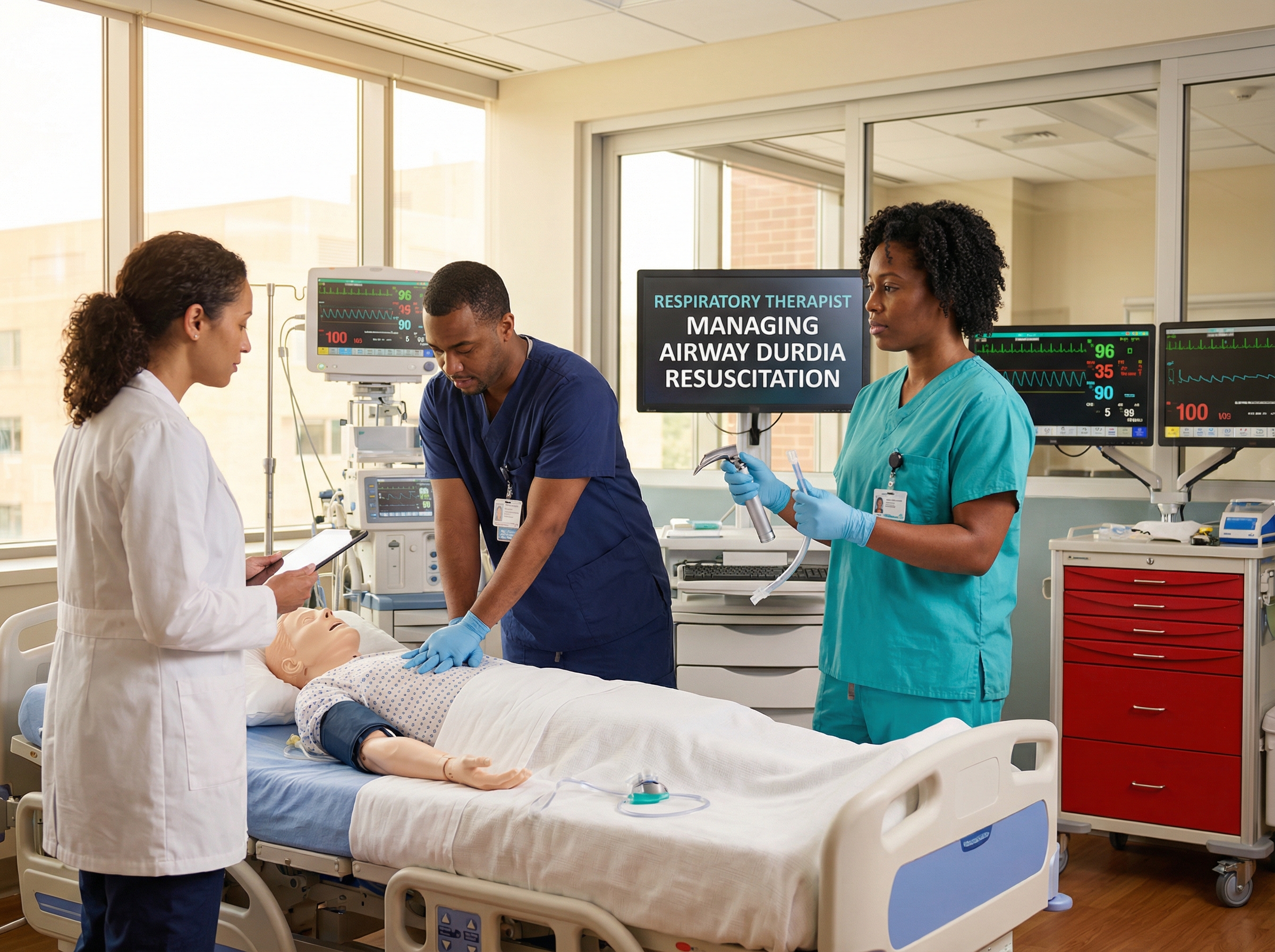
Respiratory therapist managing airway during cardiac resuscitation


Understanding ACLS in the Respiratory Therapy Context

ACLS certification goes beyond basic life support by addressing the systematic approach to cardiovascular emergencies, including cardiac arrest, stroke, and acute coronary syndromes. For respiratory therapists, this training complements your existing expertise by connecting respiratory interventions with cardiac pathophysiology. You already understand oxygenation, ventilation, and acid-base balance—ACLS adds the cardiovascular piece that makes you a more complete critical care provider.


The ACLS curriculum covers essential topics including cardiac arrest algorithms for ventricular fibrillation, ventricular tachycardia, asystole, and pulseless electrical activity. It teaches bradycardia and tachycardia management protocols, acute coronary syndrome recognition, stroke assessment, and post-cardiac arrest care. Most importantly for respiratory therapists, it emphasizes advanced airway management techniques and the pharmacology of resuscitation medications—areas where your clinical foundation gives you a distinct advantage.


Research published in Critical Care Explorations found that of 8,240 cardiac ICU admissions, 23.5% required invasive mechanical ventilation, 7.0% needed noninvasive ventilation, and 3.4% received high-flow nasal cannula. These statistics underscore a fundamental truth: respiratory support and cardiac care are inextricably linked. When you bring ACLS certification to your respiratory therapy practice, you're not learning an entirely new field—you're integrating complementary knowledge that makes you more effective in situations you already encounter daily.


How ACLS Expands Your Clinical Scope of Practice

While respiratory therapy scope of practice is regulated at the state level, ACLS certification consistently opens doors regardless of your location. The certification demonstrates to employers, colleagues, and patients that you possess advanced knowledge in emergency cardiovascular care, making you a more versatile team member in high-acuity settings.


Enhanced Code Team Participation and Leadership

With ACLS certification, respiratory therapists move from supporting players to integral leaders during resuscitation efforts. You'll understand not just the "how" of airway management during codes, but the "why" behind timing, medication administration, and algorithmic decision-making. This knowledge allows you to anticipate the team's needs, communicate more effectively with physicians and nurses, and potentially serve in code team leadership roles.


Many hospitals designate ACLS-certified respiratory therapists as airway specialists during resuscitation events, responsible for making critical decisions about intubation timing, ventilation strategies, and capnography interpretation. Your unique perspective—understanding both the respiratory and cardiovascular aspects of patient deterioration—makes you invaluable when managing the complex interplay between oxygenation, ventilation, and perfusion during cardiac emergencies.


Expanded Critical Care Opportunities

ACLS certification is often a prerequisite or strongly preferred qualification for respiratory therapists seeking positions in intensive care units, cardiac catheterization labs, emergency departments, and flight or ground critical care transport teams. According to the American Association for Respiratory Care, advanced credentials and certifications like ACLS are increasingly important as the profession moves toward higher educational standards and expanded clinical responsibilities.


In cardiac ICUs specifically, your ACLS knowledge enables you to participate more fully in the management of post-cardiac arrest patients, including therapeutic hypothermia protocols, ventilator management for patients with cardiovascular instability, and recognition of subtle changes that might indicate impending decompensation. You become a consultant for the team, not just a technician executing orders.


Advanced Medication Knowledge and Administration

While medication administration protocols for respiratory therapists vary by state and institution, ACLS certification provides comprehensive education on critical cardiovascular medications including epinephrine, amiodarone, adenosine, atropine, and vasopressors. Understanding these medications' mechanisms of action, dosing, routes of administration, and potential complications makes you a more informed clinician, even if you're not directly administering them.


This knowledge enhances your ability to anticipate medication effects on respiratory status, recognize adverse reactions, and communicate effectively with physicians about the respiratory implications of cardiovascular interventions. For instance, understanding how beta-blockers affect bronchial tone or how vasopressors might influence ventilation-perfusion matching allows you to provide more nuanced respiratory care. Reference the ACLS medications cheat sheet to see the comprehensive pharmacological knowledge you'll gain.


ECG Rhythm Interpretation Skills

ACLS certification requires proficiency in identifying cardiac rhythms and understanding their clinical implications. For respiratory therapists, this skill is particularly valuable when managing ventilated patients in whom rhythm disturbances may indicate inadequate oxygenation, ventilation problems, or electrolyte imbalances related to respiratory interventions.


Being able to recognize ventricular fibrillation, ventricular tachycardia, atrial fibrillation, heart blocks, and other arrhythmias allows you to respond immediately when monitor alarms sound, rather than waiting for nursing or physician assessment. This capability is especially critical during off-hours or in understaffed situations where you might be the first qualified responder to identify a life-threatening rhythm change.


Career Advancement and Professional Development Benefits

Beyond the clinical scope expansion, ACLS certification offers tangible career benefits that can accelerate your professional trajectory and increase your earning potential as a respiratory therapist.


Competitive Advantage in the Job Market

When reviewing resumes, hiring managers for critical care and emergency positions often use ACLS certification as a screening criterion. Employers specifically look for ACLS certification because it demonstrates initiative, advanced knowledge, and readiness to function in high-acuity environments without extensive orientation.


For respiratory therapists early in their careers, ACLS certification can help you stand out among candidates with similar educational backgrounds and experience levels. For seasoned RTs, maintaining current ACLS certification signals your commitment to professional development and your willingness to stay current with evolving standards of care. Many hospitals offer higher pay grades or shift differentials for ACLS-certified respiratory therapists, recognizing the additional value these clinicians bring to patient care teams.


Access to Specialty Teams and Roles

ACLS certification is typically mandatory for respiratory therapists who want to join rapid response teams, medical emergency teams, or code teams in formalized roles. These specialty positions often come with additional compensation, schedule flexibility, and professional recognition. Additionally, ACLS is usually required for critical care transport teams—whether helicopter, fixed-wing, or ground ambulance—that represent some of the most exciting and well-compensated opportunities in respiratory care.


Specialized roles such as ECMO specialist, cardiac catheterization lab respiratory therapist, or intensive care unit clinical leader almost universally require ACLS certification as a baseline qualification. Without it, you're simply not eligible for consideration, regardless of your other qualifications or experience.


Enhanced Professional Credibility and Autonomy

ACLS certification enhances how other healthcare professionals perceive your clinical judgment and capabilities. Physicians are more likely to seek your input on complex cases when they know you have comprehensive training in cardiovascular emergencies. Nurses view you as a collaborative partner rather than a consultant for isolated respiratory tasks. This professional credibility often translates into greater clinical autonomy and involvement in patient care decision-making.


The certification also facilitates better communication during critical events. When everyone on the team shares ACLS training, you speak the same clinical language, understand the same algorithms, and can anticipate each other's actions. This shared framework reduces confusion and improves team dynamics during the high-stress situations where effective collaboration saves lives.


Integrating ACLS Knowledge into Daily Respiratory Therapy Practice

The real value of ACLS certification emerges not during dramatic resuscitation events, but in the daily clinical decisions that prevent patients from deteriorating to the point where resuscitation becomes necessary.


Early Recognition of Patient Deterioration

ACLS training sharpens your ability to recognize the subtle signs of impending cardiovascular collapse—changes in mental status, altered vital sign patterns, new rhythm disturbances, or evolving ST-segment changes on telemetry. Combined with your respiratory assessment skills, this creates a powerful early warning system. You'll notice when a patient's increasing oxygen requirements might actually reflect decreasing cardiac output, or when worsening ventilation isn't a primary lung problem but rather pulmonary edema from cardiac dysfunction.


This early recognition capability allows you to initiate appropriate interventions before full arrest occurs, potentially preventing the code situation altogether. Research shows that patients who receive timely intervention for pre-arrest conditions have significantly better outcomes than those who progress to full cardiac arrest, making your ACLS-informed vigilance a genuine life-saving skill.


Optimizing Ventilator Management in Cardiac Patients

ACLS knowledge directly informs ventilator management strategies for patients with cardiovascular instability. You'll better understand how positive pressure ventilation affects venous return and cardiac output, how to adjust ventilation strategies for patients in cardiogenic shock, and how hyperventilation or hypoventilation can trigger or worsen arrhythmias in susceptible patients.


The research on advanced respiratory support in cardiac ICUs emphasizes the complex interplay between mechanical ventilation and cardiovascular function. ACLS-certified respiratory therapists are better equipped to navigate these interactions, adjusting PEEP levels, tidal volumes, and respiratory rates with consideration for their cardiovascular effects, not just their impact on gas exchange.
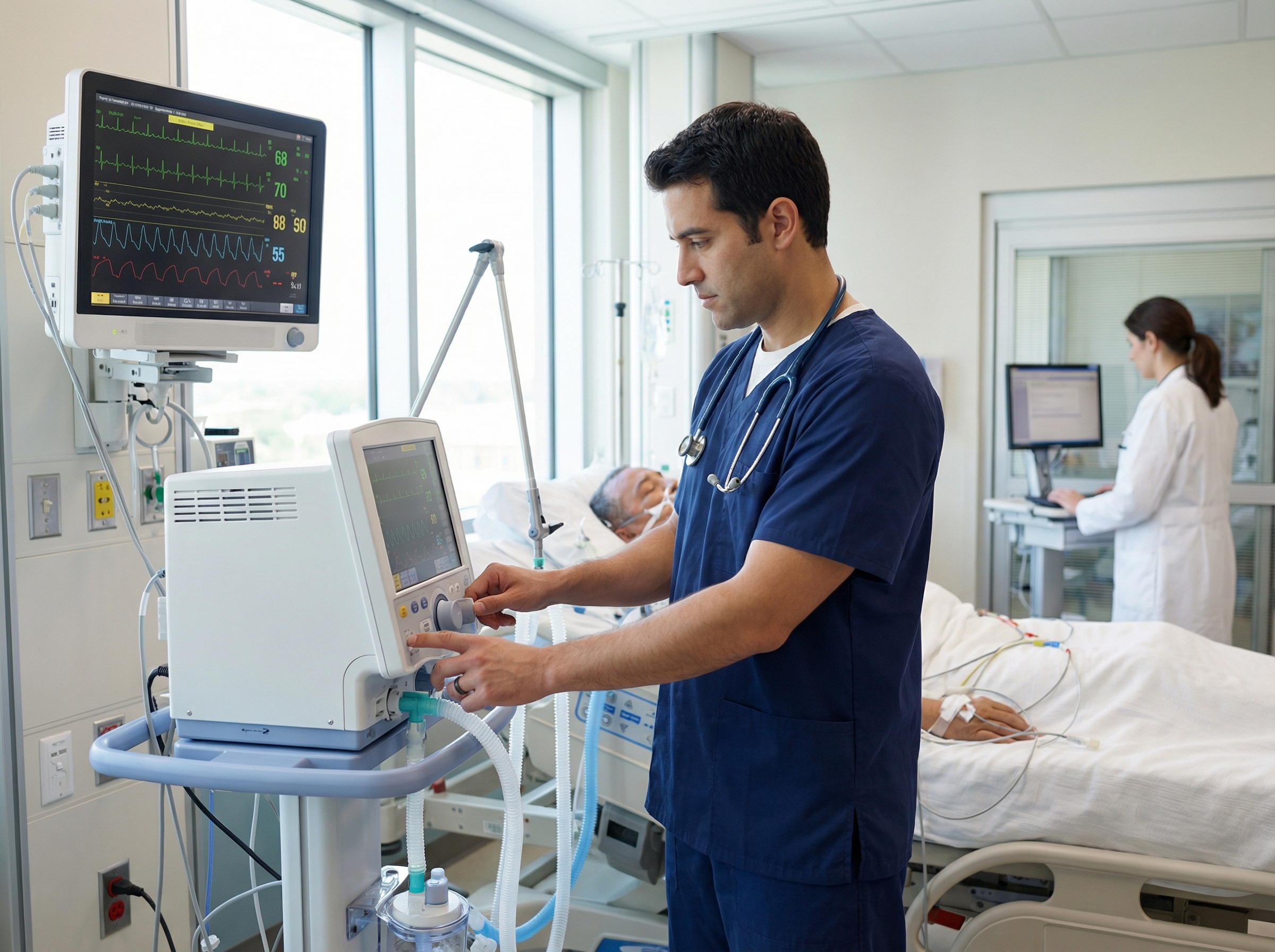
RT optimizing ventilator settings for cardiac patient


Enhanced Procedural Support and Monitoring

During procedures such as cardioversion, transesophageal echocardiography, or pacemaker insertion, ACLS-certified respiratory therapists provide more comprehensive support. You understand not just the airway management requirements, but also the cardiovascular risks, the rationale for specific medication choices, and the appropriate responses to complications.


This knowledge makes you a more valuable team member during procedural sedation, as you can simultaneously monitor respiratory and cardiovascular parameters with equal competence, recognizing when cardiovascular instability requires modification of your ventilation strategy or when respiratory compromise is precipitating cardiac issues.


Obtaining ACLS Certification as a Respiratory Therapist

The pathway to ACLS certification for respiratory therapists has become increasingly accessible, with online options that respect your busy clinical schedule and financial constraints.


Certification Options and Requirements

Traditional ACLS courses typically require two days of in-person training with skills testing, often costing $200-$400 and requiring time away from work. However, online ACLS certification has emerged as a convenient, affordable alternative that provides the same comprehensive content and employer-accepted credentials.


Online ACLS certification through platforms developed by board-certified emergency medicine physicians offers self-paced learning that you can complete from any device. Courses typically include video demonstrations, interactive case studies, rhythm interpretation practice, and comprehensive examinations that ensure you've mastered the material. Most respiratory therapists complete online ACLS certification in 1-2 hours, compared to the 12-16 hours required for traditional classroom courses.


The Affordable ACLS Advantage for Respiratory Therapists

Affordable ACLS was created by practicing emergency medicine physicians specifically to address the barriers healthcare professionals face when obtaining required certifications. For respiratory therapists, this means ACLS certification for $99 or recertification for $89—significantly less than traditional providers—with immediate digital certification upon completion, unlimited retakes if needed, and a money-back guarantee if your employer doesn't accept the certification.


The platform's courses are based on current American Heart Association and International Liaison Committee on Resuscitation guidelines, ensuring you're learning the most up-to-date protocols and interventions. The self-paced format allows you to focus extra time on areas outside your usual practice while moving quickly through content that overlaps with your existing respiratory therapy knowledge.


Certification Timeline and Maintenance

ACLS certification is valid for two years from the date of completion, after which recertification is required. Many respiratory therapists choose to recertify several months before expiration to avoid any lapse in certification that might affect their employment or clinical privileges. The recertification process covers updated guidelines and reinforces core knowledge, typically requiring less time than initial certification since you're already familiar with the fundamental concepts.


Some employers provide paid time or tuition reimbursement for ACLS certification and recertification, recognizing it as a job-related educational expense. Check with your human resources department about available benefits before paying out of pocket—you may find that your employer will cover all or part of the cost, especially if ACLS certification is required or preferred for your position.


Real-World Impact: ACLS-Certified Respiratory Therapists Making a Difference

The true measure of ACLS certification's value lies in its real-world applications and the tangible differences it enables respiratory therapists to make in patient outcomes.


Scenario: Respiratory Failure Masking Cardiac Etiology

Consider a common clinical scenario: You're called to evaluate a patient with acute respiratory distress on a medical-surgical floor. Your initial assessment reveals tachypnea, hypoxemia, and bilateral crackles. Without ACLS training, you might focus exclusively on respiratory interventions—oxygen therapy, bronchodilators, possibly BiPAP.


With ACLS knowledge, you simultaneously assess for cardiovascular causes of respiratory distress. You notice the patient is also tachycardic and hypotensive, with jugular venous distension and peripheral edema. You recognize this constellation as likely cardiogenic pulmonary edema rather than primary respiratory pathology. Your respiratory interventions remain important, but you also immediately notify the physician about your suspicion of cardiac dysfunction, potentially accelerating appropriate workup and treatment that addresses the underlying cause rather than just the respiratory symptoms.


Scenario: Managing the Ventilated Patient During Arrhythmia

A ventilated ICU patient suddenly develops ventricular tachycardia. As an ACLS-certified respiratory therapist, you immediately recognize the rhythm as potentially life-threatening and assess the patient's perfusion status. If the patient is stable with a pulse, you understand that immediate cardioversion may not be necessary, but you're prepared to assist if the situation deteriorates.


Simultaneously, you consider how your ventilator settings might be contributing to the arrhythmia. You check for auto-PEEP that might be impeding venous return, assess whether respiratory alkalosis from over-ventilation could be triggering the arrhythmia, and ensure adequate oxygenation without excessive oxygen that could worsen reperfusion injury. Your ACLS training enables you to think beyond the airway and consider the whole patient, resulting in more comprehensive, effective care.


Scenario: Leading the Airway During a Code

During a code blue, your ACLS certification allows you to serve as the airway manager with full understanding of your role within the resuscitation algorithm. You know that high-quality chest compressions take priority over advanced airway placement, so you initially support the team with bag-mask ventilation rather than rushing to intubate. You understand the timing of ventilations relative to compressions, the importance of minimizing interruptions, and when advanced airway placement becomes beneficial rather than disruptive.


When you do intubate, your ACLS knowledge informs your post-intubation ventilator settings—avoiding hyperventilation that can decrease cerebral perfusion, ensuring adequate oxygenation without excessive oxygen that could worsen outcomes, and adjusting your strategy based on the likely cause of the arrest and the patient's response to resuscitation efforts.


Beyond Certification: Continuing Education and Specialization

ACLS certification serves as a foundation for further professional development and specialization in respiratory therapy. Once you've mastered ACLS, several advanced pathways become available.


PALS Certification for Pediatric Practice

Respiratory therapists working in pediatric hospitals, neonatal ICUs, or emergency departments serving children often pursue Pediatric Advanced Life Support (PALS) certification alongside ACLS. PALS addresses the unique physiological and pharmacological considerations in pediatric resuscitation, complementing your ACLS knowledge and making you versatile across patient populations.


Many facilities require both ACLS and PALS for respiratory therapists in mixed adult-pediatric environments, and obtaining both certifications significantly enhances your employability and scheduling flexibility. The knowledge base overlaps substantially, making it relatively efficient to pursue both certifications once you've completed ACLS.


Specialty Credentials and Advanced Certifications

After establishing ACLS as your foundation, consider pursuing the Adult Critical Care Specialist (ACCS) credential through the National Board for Respiratory Care, which recognizes advanced competency in adult critical care. This credential builds on the knowledge base you develop through ACLS certification, adding depth in areas like hemodynamic monitoring, advanced ventilator strategies, and critical care pharmacology.


Other specialized certifications that complement ACLS include neonatal resuscitation program (NRP) certification, certified flight paramedic credentials for transport teams, and various manufacturer-specific certifications for advanced ventilator modes and ECMO technology. Each additional certification compounds your value as a clinician and opens new career opportunities.


Leadership Development and Education Roles

ACLS-certified respiratory therapists are often tapped for leadership positions including shift supervisors, clinical educators, and code team coordinators. Your combined respiratory and cardiovascular emergency knowledge positions you as a subject matter expert who can mentor newer therapists, develop departmental protocols, and participate in quality improvement initiatives focused on resuscitation outcomes.


Some ACLS-certified respiratory therapists become ACLS instructors themselves, teaching courses to other healthcare professionals and developing additional income streams while reinforcing their own knowledge through regular teaching. This pathway combines clinical expertise with educational skills, creating opportunities in both hospital and community settings.


Taking the Next Step in Your Respiratory Therapy Career

ACLS certification represents more than just another credential for respiratory therapists—it's a strategic investment in your clinical competence, professional versatility, and career trajectory. The knowledge you gain enhances your daily practice, improves patient outcomes, and opens doors to advanced positions and specialty roles that might otherwise remain inaccessible.


The barriers that once made certification challenging—high costs, scheduling conflicts, geographic limitations—have been eliminated by affordable, online options developed specifically for working healthcare professionals. For less than $100 and just a few hours of your time, you can significantly expand your scope of practice and demonstrate your commitment to excellence in respiratory care.


Whether you're a new graduate looking to stand out in a competitive job market, an experienced RT seeking advancement into critical care or specialty positions, or a seasoned professional maintaining relevance in an evolving healthcare landscape, ACLS certification delivers tangible benefits that justify the modest investment required. The question isn't whether ACLS certification is valuable for respiratory therapists—it's whether you can afford to advance your career without it.


Ready to expand your scope of practice? Explore the benefits of online ACLS certification and take the next step in your respiratory therapy career today. With self-paced learning, unlimited retakes, and immediate certification, there's no reason to delay this valuable addition to your professional credentials.


ACLS Blogs

Respiratory Therapists and ACLS: Why This Certification Expands Your Scope of Practice

As a respiratory therapist, ACLS certification significantly expands your professional capabilities and career opportunities by integrating cardiovascular emergency knowledge with your existing respiratory expertise. This strategic credential enhances code team participation, opens doors to critical care positions, and makes you a more complete provider in high-acuity settings.

Why ACLS Certification Matters for Respiratory Therapists

As a respiratory therapist, you're already an expert in airway management, ventilation strategies, and pulmonary pathophysiology. But if you're working in critical care, emergency departments, or rapid response teams, there's one credential that can significantly expand your professional capabilities and career opportunities: Advanced Cardiovascular Life Support (ACLS) certification. While not always mandatory for respiratory therapists, ACLS certification represents a strategic investment in your clinical competence and professional marketability.


The intersection of respiratory and cardiovascular emergencies is where respiratory therapists truly shine. According to 2025 American Heart Association guidelines, in-hospital cardiac arrest occurs in approximately 1 in 100 hospitalized adults, with about 72.2% achieving return of spontaneous circulation. As respiratory therapists are frequently first responders to code situations, ACLS training ensures you can contribute at the highest level during these critical moments. This certification isn't just about adding letters after your name—it's about gaining the knowledge and confidence to make life-saving decisions when seconds count.

Respiratory therapist managing airway during cardiac resuscitation


Understanding ACLS in the Respiratory Therapy Context

ACLS certification goes beyond basic life support by addressing the systematic approach to cardiovascular emergencies, including cardiac arrest, stroke, and acute coronary syndromes. For respiratory therapists, this training complements your existing expertise by connecting respiratory interventions with cardiac pathophysiology. You already understand oxygenation, ventilation, and acid-base balance—ACLS adds the cardiovascular piece that makes you a more complete critical care provider.


The ACLS curriculum covers essential topics including cardiac arrest algorithms for ventricular fibrillation, ventricular tachycardia, asystole, and pulseless electrical activity. It teaches bradycardia and tachycardia management protocols, acute coronary syndrome recognition, stroke assessment, and post-cardiac arrest care. Most importantly for respiratory therapists, it emphasizes advanced airway management techniques and the pharmacology of resuscitation medications—areas where your clinical foundation gives you a distinct advantage.


Research published in Critical Care Explorations found that of 8,240 cardiac ICU admissions, 23.5% required invasive mechanical ventilation, 7.0% needed noninvasive ventilation, and 3.4% received high-flow nasal cannula. These statistics underscore a fundamental truth: respiratory support and cardiac care are inextricably linked. When you bring ACLS certification to your respiratory therapy practice, you're not learning an entirely new field—you're integrating complementary knowledge that makes you more effective in situations you already encounter daily.


How ACLS Expands Your Clinical Scope of Practice

While respiratory therapy scope of practice is regulated at the state level, ACLS certification consistently opens doors regardless of your location. The certification demonstrates to employers, colleagues, and patients that you possess advanced knowledge in emergency cardiovascular care, making you a more versatile team member in high-acuity settings.


Enhanced Code Team Participation and Leadership

With ACLS certification, respiratory therapists move from supporting players to integral leaders during resuscitation efforts. You'll understand not just the "how" of airway management during codes, but the "why" behind timing, medication administration, and algorithmic decision-making. This knowledge allows you to anticipate the team's needs, communicate more effectively with physicians and nurses, and potentially serve in code team leadership roles.


Many hospitals designate ACLS-certified respiratory therapists as airway specialists during resuscitation events, responsible for making critical decisions about intubation timing, ventilation strategies, and capnography interpretation. Your unique perspective—understanding both the respiratory and cardiovascular aspects of patient deterioration—makes you invaluable when managing the complex interplay between oxygenation, ventilation, and perfusion during cardiac emergencies.


Expanded Critical Care Opportunities

ACLS certification is often a prerequisite or strongly preferred qualification for respiratory therapists seeking positions in intensive care units, cardiac catheterization labs, emergency departments, and flight or ground critical care transport teams. According to the American Association for Respiratory Care, advanced credentials and certifications like ACLS are increasingly important as the profession moves toward higher educational standards and expanded clinical responsibilities.


In cardiac ICUs specifically, your ACLS knowledge enables you to participate more fully in the management of post-cardiac arrest patients, including therapeutic hypothermia protocols, ventilator management for patients with cardiovascular instability, and recognition of subtle changes that might indicate impending decompensation. You become a consultant for the team, not just a technician executing orders.


Advanced Medication Knowledge and Administration

While medication administration protocols for respiratory therapists vary by state and institution, ACLS certification provides comprehensive education on critical cardiovascular medications including epinephrine, amiodarone, adenosine, atropine, and vasopressors. Understanding these medications' mechanisms of action, dosing, routes of administration, and potential complications makes you a more informed clinician, even if you're not directly administering them.


This knowledge enhances your ability to anticipate medication effects on respiratory status, recognize adverse reactions, and communicate effectively with physicians about the respiratory implications of cardiovascular interventions. For instance, understanding how beta-blockers affect bronchial tone or how vasopressors might influence ventilation-perfusion matching allows you to provide more nuanced respiratory care. Reference the ACLS medications cheat sheet to see the comprehensive pharmacological knowledge you'll gain.


ECG Rhythm Interpretation Skills

ACLS certification requires proficiency in identifying cardiac rhythms and understanding their clinical implications. For respiratory therapists, this skill is particularly valuable when managing ventilated patients in whom rhythm disturbances may indicate inadequate oxygenation, ventilation problems, or electrolyte imbalances related to respiratory interventions.


Being able to recognize ventricular fibrillation, ventricular tachycardia, atrial fibrillation, heart blocks, and other arrhythmias allows you to respond immediately when monitor alarms sound, rather than waiting for nursing or physician assessment. This capability is especially critical during off-hours or in understaffed situations where you might be the first qualified responder to identify a life-threatening rhythm change.


Career Advancement and Professional Development Benefits

Beyond the clinical scope expansion, ACLS certification offers tangible career benefits that can accelerate your professional trajectory and increase your earning potential as a respiratory therapist.


Competitive Advantage in the Job Market

When reviewing resumes, hiring managers for critical care and emergency positions often use ACLS certification as a screening criterion. Employers specifically look for ACLS certification because it demonstrates initiative, advanced knowledge, and readiness to function in high-acuity environments without extensive orientation.


For respiratory therapists early in their careers, ACLS certification can help you stand out among candidates with similar educational backgrounds and experience levels. For seasoned RTs, maintaining current ACLS certification signals your commitment to professional development and your willingness to stay current with evolving standards of care. Many hospitals offer higher pay grades or shift differentials for ACLS-certified respiratory therapists, recognizing the additional value these clinicians bring to patient care teams.


Access to Specialty Teams and Roles

ACLS certification is typically mandatory for respiratory therapists who want to join rapid response teams, medical emergency teams, or code teams in formalized roles. These specialty positions often come with additional compensation, schedule flexibility, and professional recognition. Additionally, ACLS is usually required for critical care transport teams—whether helicopter, fixed-wing, or ground ambulance—that represent some of the most exciting and well-compensated opportunities in respiratory care.


Specialized roles such as ECMO specialist, cardiac catheterization lab respiratory therapist, or intensive care unit clinical leader almost universally require ACLS certification as a baseline qualification. Without it, you're simply not eligible for consideration, regardless of your other qualifications or experience.


Enhanced Professional Credibility and Autonomy

ACLS certification enhances how other healthcare professionals perceive your clinical judgment and capabilities. Physicians are more likely to seek your input on complex cases when they know you have comprehensive training in cardiovascular emergencies. Nurses view you as a collaborative partner rather than a consultant for isolated respiratory tasks. This professional credibility often translates into greater clinical autonomy and involvement in patient care decision-making.


The certification also facilitates better communication during critical events. When everyone on the team shares ACLS training, you speak the same clinical language, understand the same algorithms, and can anticipate each other's actions. This shared framework reduces confusion and improves team dynamics during the high-stress situations where effective collaboration saves lives.


Integrating ACLS Knowledge into Daily Respiratory Therapy Practice

The real value of ACLS certification emerges not during dramatic resuscitation events, but in the daily clinical decisions that prevent patients from deteriorating to the point where resuscitation becomes necessary.


Early Recognition of Patient Deterioration

ACLS training sharpens your ability to recognize the subtle signs of impending cardiovascular collapse—changes in mental status, altered vital sign patterns, new rhythm disturbances, or evolving ST-segment changes on telemetry. Combined with your respiratory assessment skills, this creates a powerful early warning system. You'll notice when a patient's increasing oxygen requirements might actually reflect decreasing cardiac output, or when worsening ventilation isn't a primary lung problem but rather pulmonary edema from cardiac dysfunction.


This early recognition capability allows you to initiate appropriate interventions before full arrest occurs, potentially preventing the code situation altogether. Research shows that patients who receive timely intervention for pre-arrest conditions have significantly better outcomes than those who progress to full cardiac arrest, making your ACLS-informed vigilance a genuine life-saving skill.


Optimizing Ventilator Management in Cardiac Patients

ACLS knowledge directly informs ventilator management strategies for patients with cardiovascular instability. You'll better understand how positive pressure ventilation affects venous return and cardiac output, how to adjust ventilation strategies for patients in cardiogenic shock, and how hyperventilation or hypoventilation can trigger or worsen arrhythmias in susceptible patients.


The research on advanced respiratory support in cardiac ICUs emphasizes the complex interplay between mechanical ventilation and cardiovascular function. ACLS-certified respiratory therapists are better equipped to navigate these interactions, adjusting PEEP levels, tidal volumes, and respiratory rates with consideration for their cardiovascular effects, not just their impact on gas exchange.

RT optimizing ventilator settings for cardiac patient


Enhanced Procedural Support and Monitoring

During procedures such as cardioversion, transesophageal echocardiography, or pacemaker insertion, ACLS-certified respiratory therapists provide more comprehensive support. You understand not just the airway management requirements, but also the cardiovascular risks, the rationale for specific medication choices, and the appropriate responses to complications.


This knowledge makes you a more valuable team member during procedural sedation, as you can simultaneously monitor respiratory and cardiovascular parameters with equal competence, recognizing when cardiovascular instability requires modification of your ventilation strategy or when respiratory compromise is precipitating cardiac issues.


Obtaining ACLS Certification as a Respiratory Therapist

The pathway to ACLS certification for respiratory therapists has become increasingly accessible, with online options that respect your busy clinical schedule and financial constraints.


Certification Options and Requirements

Traditional ACLS courses typically require two days of in-person training with skills testing, often costing $200-$400 and requiring time away from work. However, online ACLS certification has emerged as a convenient, affordable alternative that provides the same comprehensive content and employer-accepted credentials.


Online ACLS certification through platforms developed by board-certified emergency medicine physicians offers self-paced learning that you can complete from any device. Courses typically include video demonstrations, interactive case studies, rhythm interpretation practice, and comprehensive examinations that ensure you've mastered the material. Most respiratory therapists complete online ACLS certification in 1-2 hours, compared to the 12-16 hours required for traditional classroom courses.


The Affordable ACLS Advantage for Respiratory Therapists

Affordable ACLS was created by practicing emergency medicine physicians specifically to address the barriers healthcare professionals face when obtaining required certifications. For respiratory therapists, this means ACLS certification for $99 or recertification for $89—significantly less than traditional providers—with immediate digital certification upon completion, unlimited retakes if needed, and a money-back guarantee if your employer doesn't accept the certification.


The platform's courses are based on current American Heart Association and International Liaison Committee on Resuscitation guidelines, ensuring you're learning the most up-to-date protocols and interventions. The self-paced format allows you to focus extra time on areas outside your usual practice while moving quickly through content that overlaps with your existing respiratory therapy knowledge.


Certification Timeline and Maintenance

ACLS certification is valid for two years from the date of completion, after which recertification is required. Many respiratory therapists choose to recertify several months before expiration to avoid any lapse in certification that might affect their employment or clinical privileges. The recertification process covers updated guidelines and reinforces core knowledge, typically requiring less time than initial certification since you're already familiar with the fundamental concepts.


Some employers provide paid time or tuition reimbursement for ACLS certification and recertification, recognizing it as a job-related educational expense. Check with your human resources department about available benefits before paying out of pocket—you may find that your employer will cover all or part of the cost, especially if ACLS certification is required or preferred for your position.


Real-World Impact: ACLS-Certified Respiratory Therapists Making a Difference

The true measure of ACLS certification's value lies in its real-world applications and the tangible differences it enables respiratory therapists to make in patient outcomes.


Scenario: Respiratory Failure Masking Cardiac Etiology

Consider a common clinical scenario: You're called to evaluate a patient with acute respiratory distress on a medical-surgical floor. Your initial assessment reveals tachypnea, hypoxemia, and bilateral crackles. Without ACLS training, you might focus exclusively on respiratory interventions—oxygen therapy, bronchodilators, possibly BiPAP.


With ACLS knowledge, you simultaneously assess for cardiovascular causes of respiratory distress. You notice the patient is also tachycardic and hypotensive, with jugular venous distension and peripheral edema. You recognize this constellation as likely cardiogenic pulmonary edema rather than primary respiratory pathology. Your respiratory interventions remain important, but you also immediately notify the physician about your suspicion of cardiac dysfunction, potentially accelerating appropriate workup and treatment that addresses the underlying cause rather than just the respiratory symptoms.


Scenario: Managing the Ventilated Patient During Arrhythmia

A ventilated ICU patient suddenly develops ventricular tachycardia. As an ACLS-certified respiratory therapist, you immediately recognize the rhythm as potentially life-threatening and assess the patient's perfusion status. If the patient is stable with a pulse, you understand that immediate cardioversion may not be necessary, but you're prepared to assist if the situation deteriorates.


Simultaneously, you consider how your ventilator settings might be contributing to the arrhythmia. You check for auto-PEEP that might be impeding venous return, assess whether respiratory alkalosis from over-ventilation could be triggering the arrhythmia, and ensure adequate oxygenation without excessive oxygen that could worsen reperfusion injury. Your ACLS training enables you to think beyond the airway and consider the whole patient, resulting in more comprehensive, effective care.


Scenario: Leading the Airway During a Code

During a code blue, your ACLS certification allows you to serve as the airway manager with full understanding of your role within the resuscitation algorithm. You know that high-quality chest compressions take priority over advanced airway placement, so you initially support the team with bag-mask ventilation rather than rushing to intubate. You understand the timing of ventilations relative to compressions, the importance of minimizing interruptions, and when advanced airway placement becomes beneficial rather than disruptive.


When you do intubate, your ACLS knowledge informs your post-intubation ventilator settings—avoiding hyperventilation that can decrease cerebral perfusion, ensuring adequate oxygenation without excessive oxygen that could worsen outcomes, and adjusting your strategy based on the likely cause of the arrest and the patient's response to resuscitation efforts.


Beyond Certification: Continuing Education and Specialization

ACLS certification serves as a foundation for further professional development and specialization in respiratory therapy. Once you've mastered ACLS, several advanced pathways become available.


PALS Certification for Pediatric Practice

Respiratory therapists working in pediatric hospitals, neonatal ICUs, or emergency departments serving children often pursue Pediatric Advanced Life Support (PALS) certification alongside ACLS. PALS addresses the unique physiological and pharmacological considerations in pediatric resuscitation, complementing your ACLS knowledge and making you versatile across patient populations.


Many facilities require both ACLS and PALS for respiratory therapists in mixed adult-pediatric environments, and obtaining both certifications significantly enhances your employability and scheduling flexibility. The knowledge base overlaps substantially, making it relatively efficient to pursue both certifications once you've completed ACLS.


Specialty Credentials and Advanced Certifications

After establishing ACLS as your foundation, consider pursuing the Adult Critical Care Specialist (ACCS) credential through the National Board for Respiratory Care, which recognizes advanced competency in adult critical care. This credential builds on the knowledge base you develop through ACLS certification, adding depth in areas like hemodynamic monitoring, advanced ventilator strategies, and critical care pharmacology.


Other specialized certifications that complement ACLS include neonatal resuscitation program (NRP) certification, certified flight paramedic credentials for transport teams, and various manufacturer-specific certifications for advanced ventilator modes and ECMO technology. Each additional certification compounds your value as a clinician and opens new career opportunities.


Leadership Development and Education Roles

ACLS-certified respiratory therapists are often tapped for leadership positions including shift supervisors, clinical educators, and code team coordinators. Your combined respiratory and cardiovascular emergency knowledge positions you as a subject matter expert who can mentor newer therapists, develop departmental protocols, and participate in quality improvement initiatives focused on resuscitation outcomes.


Some ACLS-certified respiratory therapists become ACLS instructors themselves, teaching courses to other healthcare professionals and developing additional income streams while reinforcing their own knowledge through regular teaching. This pathway combines clinical expertise with educational skills, creating opportunities in both hospital and community settings.


Taking the Next Step in Your Respiratory Therapy Career

ACLS certification represents more than just another credential for respiratory therapists—it's a strategic investment in your clinical competence, professional versatility, and career trajectory. The knowledge you gain enhances your daily practice, improves patient outcomes, and opens doors to advanced positions and specialty roles that might otherwise remain inaccessible.


The barriers that once made certification challenging—high costs, scheduling conflicts, geographic limitations—have been eliminated by affordable, online options developed specifically for working healthcare professionals. For less than $100 and just a few hours of your time, you can significantly expand your scope of practice and demonstrate your commitment to excellence in respiratory care.


Whether you're a new graduate looking to stand out in a competitive job market, an experienced RT seeking advancement into critical care or specialty positions, or a seasoned professional maintaining relevance in an evolving healthcare landscape, ACLS certification delivers tangible benefits that justify the modest investment required. The question isn't whether ACLS certification is valuable for respiratory therapists—it's whether you can afford to advance your career without it.


Ready to expand your scope of practice? Explore the benefits of online ACLS certification and take the next step in your respiratory therapy career today. With self-paced learning, unlimited retakes, and immediate certification, there's no reason to delay this valuable addition to your professional credentials.


blogs

More articles for you

all articles

Start Today!

Get certified at your own pace, on your schedule, from the comfort of your home.