ACLS Blogs

Occupational Health Nurses: Why ACLS Certification Matters in Industrial and Manufacturing Settings

Why ACLS Certification is Critical for Occupational Health Nurses

In industrial and manufacturing environments, occupational health nurses serve as the first—and often only—line of medical defense when emergencies strike. While traditional nursing roles in hospitals benefit from immediate physician backup and comprehensive emergency departments, occupational health nurses must be prepared to respond independently to life-threatening cardiac events with limited resources and support. This reality makes Advanced Cardiovascular Life Support (ACLS) certification not just beneficial, but essential for nurses working in industrial settings.


According to data from the American Heart Association, approximately 10,000 cardiac arrests occur in workplaces across the United States each year. In manufacturing and industrial environments—where workers face unique cardiovascular stressors including heat exposure, physical exertion, chemical exposures, and high-pressure situations—the risk of sudden cardiac events is particularly concerning. Research from the Sudden Cardiac Arrest Foundation reveals that half of all U.S. workers cannot locate the AED at their workplace, and more than 55 percent cannot access CPR or AED training from their employer. This preparedness gap places even greater responsibility on occupational health nurses to maintain advanced life support skills.


For occupational health nurses seeking to enhance their emergency response capabilities while managing busy schedules, ACLS certification offers proven clinical benefits that directly translate to improved patient outcomes in workplace emergencies. This comprehensive guide explores why ACLS certification matters specifically for nurses in industrial and manufacturing settings, what unique challenges these environments present, and how online certification platforms are making it easier than ever for occupational health professionals to obtain and maintain this critical credential.

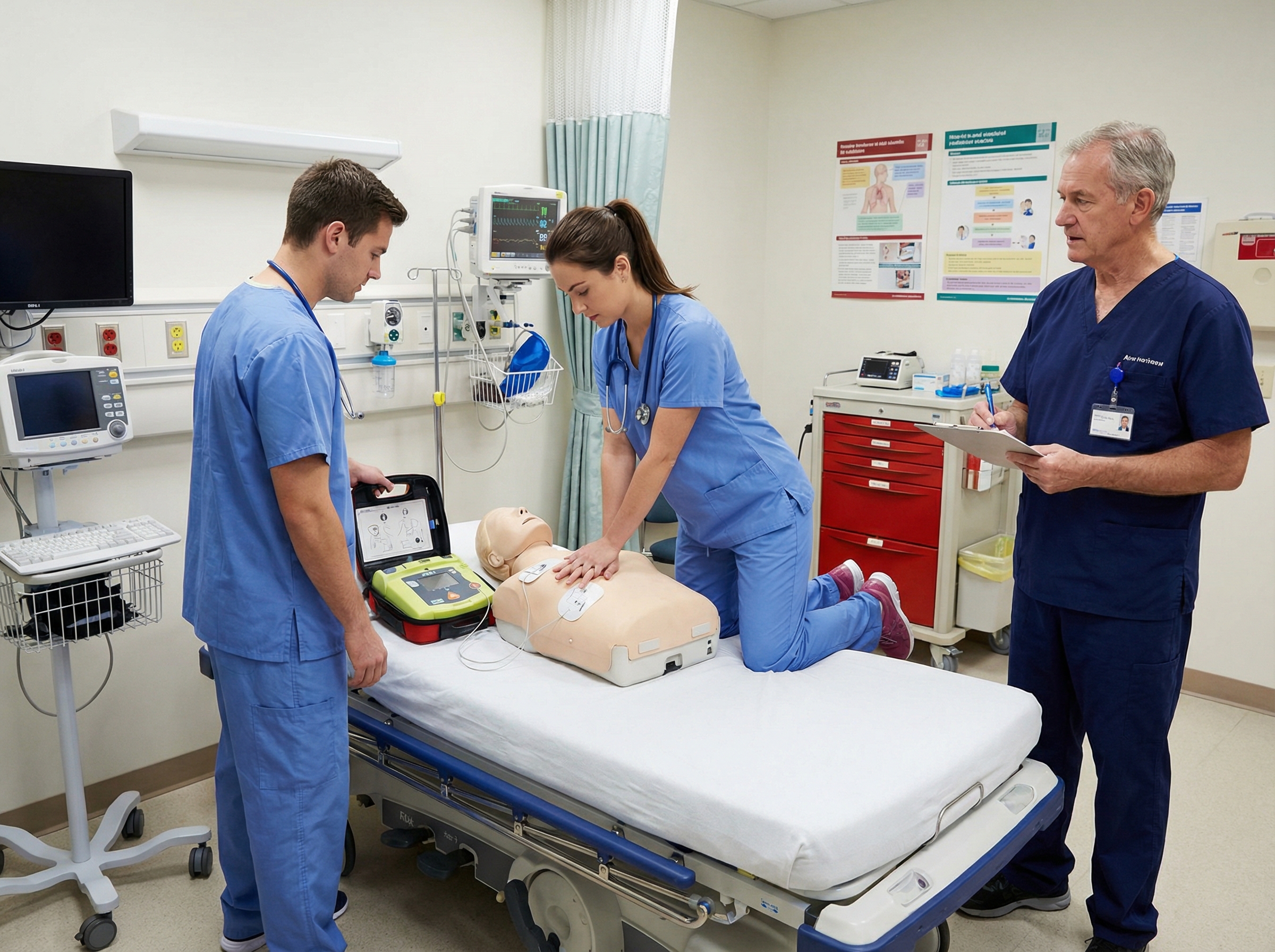
Occupational health nurse in industrial facility medical clinic


The Unique Medical Challenges of Industrial and Manufacturing Environments

Industrial and manufacturing workplaces present a distinct set of medical challenges that differ significantly from traditional healthcare environments. Understanding these unique factors helps explain why advanced cardiovascular life support training is particularly valuable for occupational health nurses.


Isolated Medical Response Without Immediate Backup

Unlike hospital nurses who work alongside physicians, specialists, and entire emergency response teams, occupational health nurses in industrial settings typically function as solo practitioners or with minimal medical support staff. When a cardiac emergency occurs on a factory floor, loading dock, or warehouse, the occupational health nurse must assess the situation, initiate advanced life support measures, and coordinate external emergency medical services—all while serving as the primary medical decision-maker.


This isolation means that the nurse's training, clinical judgment, and emergency response skills directly determine patient outcomes during the critical minutes before paramedics arrive. ACLS certification provides the systematic approach and evidence-based protocols that enable nurses to confidently manage complex cardiovascular emergencies without physician oversight.


Environmental and Occupational Hazards That Complicate Response

Industrial environments introduce complications rarely encountered in hospital settings. Cardiac emergencies may occur in confined spaces, at heights, near hazardous machinery, or in areas with poor lighting, extreme temperatures, or toxic exposures. Occupational health nurses must not only provide advanced life support but also coordinate safe patient extraction and manage scene safety considerations.


Manufacturing facilities often contain loud ambient noise that makes auscultation difficult, equipment that interferes with defibrillator function, or access limitations that delay the arrival of emergency medical services. These environmental factors underscore the importance of having comprehensive training in cardiac arrest algorithms, medication administration, and airway management—all core components of ACLS certification.


High-Risk Worker Populations and Cardiovascular Stressors

Industrial workers often face occupational exposures and physical demands that increase cardiovascular risk. Heat stress, repetitive heavy lifting, shift work that disrupts circadian rhythms, and exposure to certain chemicals can all contribute to increased cardiac event risk. Additionally, many manufacturing facilities employ aging workforces, and workers with pre-existing conditions such as hypertension, diabetes, and coronary artery disease.


The physical demands of industrial work can precipitate acute coronary syndromes, arrhythmias, and sudden cardiac arrest in vulnerable individuals. Occupational health nurses with ACLS training are better equipped to recognize the early warning signs of cardiovascular compromise, differentiate cardiac chest pain from musculoskeletal causes, and implement appropriate interventions before conditions deteriorate.


OSHA Compliance and Emergency Preparedness Requirements

The Occupational Safety and Health Administration (OSHA) requires employers to ensure adequate emergency medical response capabilities. Under 29 CFR 1910.151(b), if emergency medical services are not reasonably accessible, employers must have personnel trained to provide first aid and ensure adequate supplies are available.


While basic first aid training meets minimum regulatory requirements, many progressive industrial employers recognize that having occupational health nurses with ACLS certification provides a higher standard of care and better protects worker health. ACLS-certified nurses can bridge the critical gap between basic first aid and the arrival of paramedics, significantly improving survival rates for workers experiencing cardiac emergencies.


Core ACLS Competencies Essential for Occupational Health Nurses

ACLS certification equips occupational health nurses with a systematic approach to cardiovascular emergencies based on current American Heart Association and International Liaison Committee on Resuscitation guidelines. Understanding which specific ACLS competencies translate most directly to industrial nursing practice helps illustrate the certification's value.


Systematic Cardiac Arrest Management Algorithms

The foundation of ACLS training involves mastering evidence-based algorithms for managing cardiac arrest. Nurses learn to recognize shockable rhythms (ventricular fibrillation and pulseless ventricular tachycardia) versus non-shockable rhythms (asystole and pulseless electrical activity), and implement appropriate interventions for each.


In an industrial setting where seconds matter and medical backup is not immediately available, having these algorithms thoroughly internalized allows occupational health nurses to respond reflexively and effectively. The systematic approach reduces cognitive load during high-stress situations and ensures that critical interventions are not overlooked.


For nurses preparing for ACLS certification, having access to resources like an ACLS medications cheat sheet can be invaluable for mastering drug dosages, routes, and indications that are central to these algorithms.
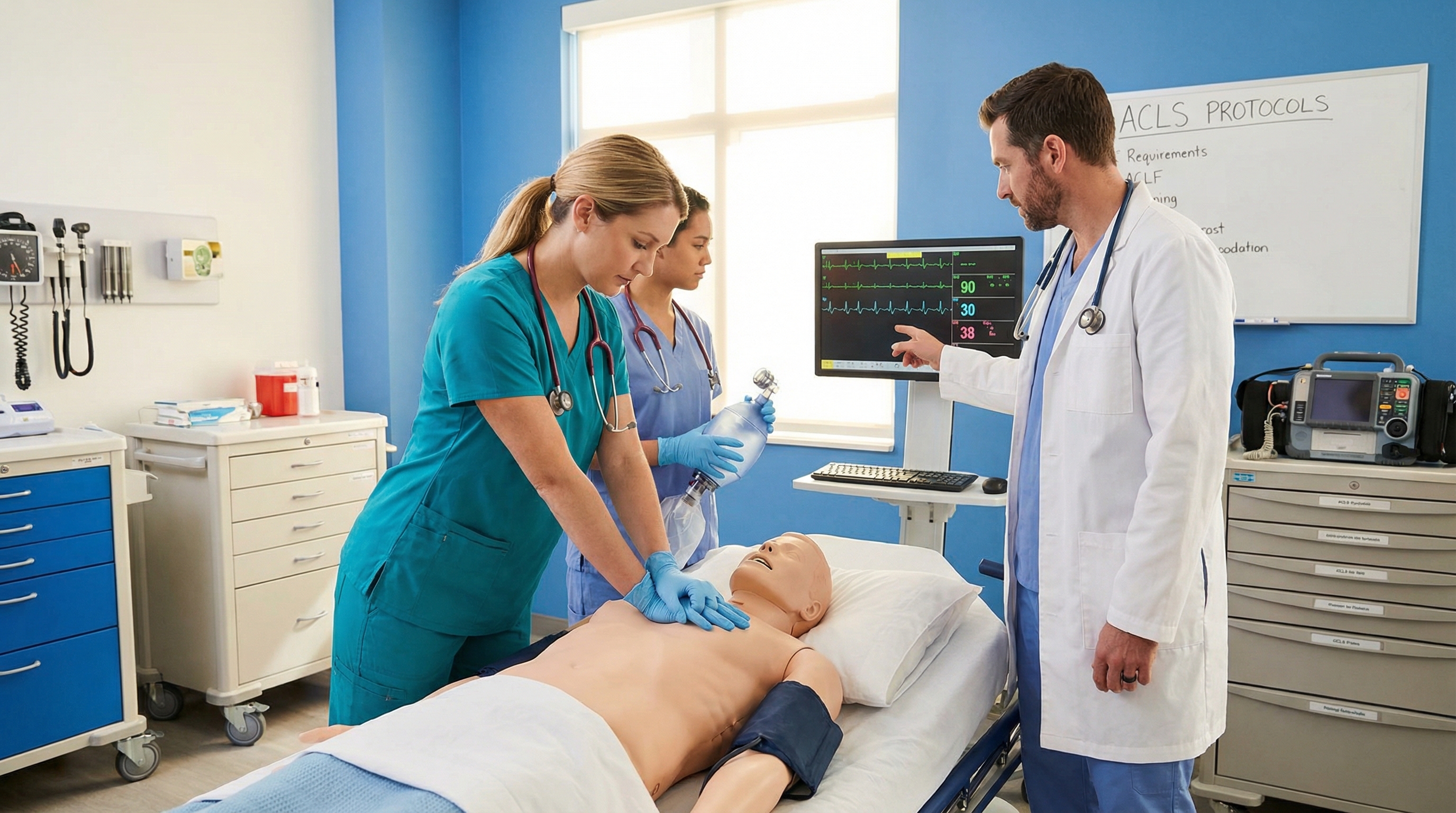
ACLS training team practicing cardiac arrest algorithms with mannequin


Advanced Medication Administration and Pharmacology

ACLS certification provides comprehensive training in the emergency medications used during cardiovascular crises. Occupational health nurses learn proper dosing, routes of administration, indications, and contraindications for medications including epinephrine, amiodarone, adenosine, atropine, and others.


Understanding cardiovascular pharmacology enables nurses to administer potentially life-saving medications during cardiac arrest, manage symptomatic bradycardia or tachycardia, and provide appropriate interventions for acute coronary syndromes. In industrial settings where physician consultation may be via phone or radio, having this pharmacological knowledge allows nurses to act decisively within their scope of practice and standing orders.


ECG Rhythm Interpretation and Recognition

Accurate and rapid interpretation of cardiac rhythms is a core ACLS skill. Occupational health nurses learn to identify life-threatening arrhythmias including ventricular tachycardia, ventricular fibrillation, complete heart block, and other dangerous rhythms that require immediate intervention.


Many industrial health clinics are now equipped with AEDs, portable monitors, or even 12-lead ECG capability. Nurses with ACLS training can use these tools effectively to assess cardiac rhythm, guide defibrillation decisions, and provide critical information to incoming paramedics and receiving hospitals.


Advanced Airway Management Techniques

ACLS certification includes training in advanced airway management beyond basic CPR, including bag-valve-mask ventilation, proper oxygenation techniques, and understanding of advanced airway devices. While occupational health nurses may not place endotracheal tubes, understanding airway management principles ensures effective ventilation during resuscitation efforts.


In industrial emergencies involving cardiac arrest complicated by chemical exposures, trauma, or respiratory compromise, advanced airway skills become particularly valuable. ACLS-trained nurses can maintain effective oxygenation and ventilation while coordinating with arriving emergency medical services for definitive airway management.


Effective Resuscitation Team Dynamics and Communication

A often-overlooked but critical component of ACLS training involves effective team communication, leadership, and coordination during resuscitation efforts. Even though occupational health nurses may initially respond alone, they must quickly organize and direct untrained or minimally-trained coworkers to assist with chest compressions, AED operation, and other tasks.


ACLS certification teaches closed-loop communication, role assignment, and leadership skills that enable nurses to transform bystanders into effective team members during emergencies. This ability to rapidly organize an effective response team can dramatically improve outcomes in workplace cardiac arrests.


Career Benefits and Professional Development for Occupational Health Nurses

Beyond the clinical advantages, ACLS certification offers significant professional benefits for nurses working in occupational health. Understanding how this credential enhances career prospects helps illustrate its value as a professional investment.


Meeting Employer Requirements and Expectations

Many industrial employers now require or strongly prefer occupational health nurses to hold ACLS certification. As companies increasingly recognize the life-saving potential of having advanced life support capabilities on-site, ACLS certification has transitioned from optional to expected in many occupational health positions.


Job postings for occupational health nurses in manufacturing, industrial, and large corporate settings frequently list ACLS certification among required or preferred qualifications. Nurses who proactively obtain this certification expand their employment opportunities and demonstrate commitment to providing the highest standard of workplace healthcare.


Complementing Occupational Health Certification (COHN/COHN-S)

The American Board for Occupational Health Nurses (ABOHN) offers Certified Occupational Health Nurse (COHN) and Certified Occupational Health Nurse-Specialist (COHN-S) credentials that recognize specialized knowledge in occupational health nursing. While these certifications focus on occupational health competencies, ACLS certification complements them by demonstrating emergency response capabilities.


Nurses holding both occupational health certification and ACLS credentials present a comprehensive skill set that combines specialized occupational health knowledge with advanced emergency response training. This combination is particularly attractive to employers seeking to maximize the value and capabilities of their occupational health staff.


Salary Enhancement and Career Advancement

Professional certifications, including ACLS, often correlate with higher compensation. Nurses who invest in advanced credentials demonstrate expertise and commitment that employers value and compensate accordingly. In occupational health settings, ACLS certification may qualify nurses for higher pay grades or specialized emergency response stipends.


Additionally, ACLS certification can open pathways to leadership roles within occupational health programs, corporate health and safety departments, or consulting opportunities. Nurses with advanced emergency response training may be selected to lead emergency preparedness initiatives, develop response protocols, or train other employees in basic life support skills.


Enhanced Professional Confidence and Clinical Competence

Perhaps one of the most valuable—though less tangible—benefits of ACLS certification is the professional confidence it provides. Occupational health nurses who have systematically studied and practiced cardiovascular emergency response feel more prepared and capable when real emergencies occur.


This confidence translates into better clinical performance, more decisive action during emergencies, and reduced anxiety about managing critical situations. For nurses transitioning from hospital settings to occupational health, or for those who have not regularly managed cardiac emergencies, ACLS certification provides reassurance and competence.


Online ACLS Certification: Addressing the Unique Needs of Occupational Health Nurses

Occupational health nurses face unique scheduling challenges that make traditional, in-person ACLS certification courses difficult to attend. Understanding how online certification platforms address these challenges helps illustrate why this option has become increasingly popular among industrial healthcare professionals.


Flexible Scheduling for Shift Workers and On-Call Nurses

Many occupational health nurses work non-traditional hours, rotating shifts, or on-call schedules that make attending scheduled, in-person ACLS courses challenging. Traditional courses often require full-day or multi-day attendance during specific dates that may not align with nurses' work schedules or personal commitments.


Online ACLS certification platforms offer self-paced learning that allows nurses to complete coursework during their available time—whether that's during weekday evenings, weekend mornings, or split across multiple short sessions. This flexibility removes the scheduling barrier that prevents many occupational health nurses from obtaining or renewing their ACLS credentials.


Cost-Effective Certification for Budget-Conscious Professionals

Traditional in-person ACLS courses can cost $200-$400 or more, plus additional expenses for travel, meals, and potentially lost wages if attending during work hours. For occupational health nurses who may need to self-fund their certifications or work within tight professional development budgets, these costs can be prohibitive.


Online certification platforms like Affordable ACLS dramatically reduce costs while maintaining compliance with AHA and ILCOR guidelines. With certification courses priced at $99 and recertification at $89, occupational health nurses can obtain necessary credentials without financial strain. This affordability is particularly important for nurses working in smaller industrial facilities or those early in their occupational health careers.


Self-Paced Learning That Accommodates Different Learning Styles

Not all nurses learn effectively in traditional classroom environments. Some professionals benefit from the ability to review complex material multiple times, pause to research related topics, or move quickly through familiar content. Online ACLS certification accommodates these different learning preferences.


With online platforms offering unlimited retakes and the ability to save progress and return later, nurses can master material at their own pace without the pressure of keeping up with a class or anxiety about failing a single-attempt exam. This approach often leads to better retention and more thorough understanding of critical concepts.


Immediate Certification for Time-Sensitive Employment Needs

Traditional ACLS courses may require waiting weeks or months for the next scheduled class, then additional time for certification cards to arrive by mail. For nurses who need to obtain or renew certification for employment requirements, this timeline can create professional difficulties.


Online certification platforms provide immediate digital certification upon course completion. Occupational health nurses can download and print their certification cards instantly, meeting employer requirements without delay. This immediacy is particularly valuable for nurses starting new positions, addressing expired certifications, or responding to unexpected employer requirements.


AHA and ILCOR Guideline Compliance

A common concern about online ACLS certification involves whether it meets the same standards as traditional courses. Reputable online platforms base their content on current American Heart Association and International Liaison Committee on Resuscitation guidelines—the same evidence-based protocols used in traditional courses.


Platforms developed by Board Certified Emergency Medicine physicians, like Affordable ACLS, ensure that course content reflects actual clinical practice and the latest resuscitation science. The theoretical knowledge and algorithms taught online are identical to those in traditional courses; the primary difference lies in the delivery method rather than content quality.


Initial Certification vs. Recertification: What Occupational Health Nurses Need to Know

Understanding the difference between initial ACLS certification and recertification helps occupational health nurses make informed decisions about their professional development pathway.


When Initial ACLS Certification is Appropriate

Nurses who have never completed ACLS training or whose certification expired more than a specified period ago (policies vary by provider and employer) typically require initial certification. This comprehensive course covers all ACLS algorithms, medications, rhythm interpretation, and resuscitation principles from the foundation level.


Initial certification courses are also appropriate for nurses transitioning into occupational health from specialties where ACLS was not required, or for those who want comprehensive review after extended periods away from acute care environments. The complete curriculum ensures thorough understanding of all cardiovascular emergency concepts.


ACLS Recertification for Maintaining Current Credentials

ACLS certification is valid for two years, after which nurses must complete recertification to maintain their credentials. Recertification courses provide focused review of key algorithms, updates to guidelines, and reinforcement of critical skills without repeating all foundational content.


For occupational health nurses who have maintained continuous ACLS certification and regularly apply these skills in practice, recertification offers efficient credential maintenance. Online recertification at reduced cost makes it easy for nurses to stay current without significant time or financial investment.


Choosing Between Certification and Recertification

Nurses uncertain whether to pursue initial certification or recertification should consider several factors. If your previous certification expired recently and you feel confident in your ACLS knowledge, recertification may be appropriate. However, if significant time has passed since your last certification, or if you feel your knowledge has become rusty, initial certification provides more comprehensive review.


Many occupational health nurses who have been away from acute care settings for extended periods choose initial certification even if they previously held ACLS credentials. The thorough review ensures confidence and competence when managing workplace cardiac emergencies. When exploring which certifications you actually need, consider both your current skill level and your specific workplace requirements.


Complementary Certifications: BLS and PALS for Occupational Health Nurses

While ACLS is the primary advanced certification for occupational health nurses, other life support certifications can provide additional value depending on the specific industrial environment and worker population.


BLS Certification as the Foundation

Basic Life Support (BLS) certification is typically a prerequisite for ACLS and focuses on high-quality CPR, AED use, and basic airway management for adults, children, and infants. All occupational health nurses should maintain current BLS certification as the foundation of emergency response capability.


Even in industrial settings where ACLS-level interventions are the goal, BLS skills form the backbone of effective resuscitation. High-quality chest compressions and early defibrillation remain the most critical interventions for cardiac arrest survival. Many online platforms offer convenient BLS and ACLS bundle options that allow nurses to obtain both certifications efficiently and affordably.


PALS Certification for Facilities with Child Visitors or Family Events

Pediatric Advanced Life Support (PALS) certification focuses on pediatric emergencies and may be valuable for occupational health nurses in specific situations. Some industrial facilities host family events, have on-site childcare facilities, or employ young workers who may benefit from pediatric-focused emergency response.


While PALS is less universally applicable in industrial settings than ACLS, nurses working in environments with pediatric exposure should consider this additional certification. The comprehensive understanding of life support across all age groups enhances professional versatility and preparedness.


Implementing ACLS Skills in the Industrial Workplace

Obtaining ACLS certification is only the first step; occupational health nurses must also ensure they can effectively implement these skills within their specific industrial environments. This requires proactive preparation and systems development.


Developing Workplace-Specific Emergency Response Protocols

ACLS algorithms provide the clinical framework, but occupational health nurses should develop workplace-specific protocols that account for facility layout, available resources, communication systems, and coordination with external emergency services. These protocols should clearly define roles, responsibilities, and procedures for various emergency scenarios.


Effective protocols address practical considerations such as: How will the occupational health nurse be notified of emergencies? What equipment and medications should be maintained in emergency kits? How will emergency medical services be contacted and guided to the patient's location? What role will security, supervisors, and other personnel play during medical emergencies?


Ensuring Appropriate Equipment and Supplies

ACLS-trained nurses can only implement their skills if appropriate equipment and supplies are available. Occupational health clinics should be equipped with AEDs, oxygen, bag-valve masks, basic airway adjuncts, and essential emergency medications within the nurse's scope of practice and facility protocols.


Regular equipment checks, maintenance schedules, and expiration date monitoring ensure that critical supplies are functional and available when emergencies occur. Nurses should advocate for appropriate equipment investment and clearly communicate to management the relationship between proper equipment and effective emergency response.


Training the Workforce in Basic Response

While the occupational health nurse provides advanced care, effective emergency response often depends on coworkers who witness the event and initiate basic interventions. Nurses can leverage their ACLS knowledge to develop and deliver training that teaches workers to recognize emergencies, activate emergency response systems, and initiate CPR and AED use.


Building a culture of emergency preparedness where workers throughout the facility understand basic response principles amplifies the occupational health nurse's effectiveness. When coworkers can immediately begin CPR and apply an AED, survival rates dramatically improve.


Coordinating with External Emergency Medical Services

Occupational health nurses serve as the bridge between workplace emergencies and external emergency medical systems. Establishing relationships with local EMS providers, conducting facility tours, and discussing access routes and potential challenges improves coordination during actual emergencies.


Prearranged communication protocols, clear facility addresses and landmark descriptions, and designated meeting points for incoming ambulances all contribute to faster, more effective emergency response. ACLS-trained nurses can provide sophisticated patient reports to paramedics and receiving hospitals, ensuring continuity of care and optimal outcomes.


Real-World Impact: How ACLS Certification Saves Lives in Industrial Settings

The value of ACLS certification for occupational health nurses extends beyond theoretical knowledge to real-world life-saving impact. Understanding how these skills translate to improved outcomes illustrates the certification's importance.


Improved Survival Rates for Workplace Cardiac Arrest

Research consistently demonstrates that immediate, high-quality CPR and early defibrillation dramatically improve survival from cardiac arrest. According to the American Heart Association, if performed immediately, CPR can double or triple the chance of survival from out-of-hospital cardiac arrest.


In workplace settings where occupational health nurses with ACLS training can provide immediate advanced care, survival rates improve even further. The ability to manage airway, provide appropriate medications, interpret rhythms, and coordinate systematic resuscitation efforts bridges the critical gap between collapse and arrival of emergency medical services.


Early Recognition and Intervention for Acute Coronary Syndromes

Beyond cardiac arrest management, ACLS training enhances nurses' ability to recognize and respond to acute coronary syndromes before they progress to cardiac arrest. Early identification of patients experiencing myocardial infarction, appropriate interventions, and rapid coordination with emergency medical services can prevent cardiac arrest entirely.


Occupational health nurses with ACLS training understand the importance of early aspirin administration, oxygen therapy, nitroglycerin use (when appropriate), and the need for rapid transport to facilities with cardiac catheterization capability. This knowledge directly impacts patient outcomes and can mean the difference between full recovery and permanent disability or death.


Managing Post-Resuscitation Complications

ACLS training includes post-cardiac arrest care, teaching nurses to manage complications that occur after successful resuscitation. Understanding appropriate ventilation targets, hemodynamic support, and the importance of temperature management and neurological assessment helps ensure that successfully resuscitated patients receive optimal care during transport to definitive care facilities.


These advanced skills enable occupational health nurses to maximize the benefit of successful resuscitation efforts and improve neurologically intact survival—the ultimate goal of cardiac arrest management.


Maintaining ACLS Skills: Continuing Education and Practice

Obtaining ACLS certification represents an important milestone, but maintaining competency requires ongoing practice and continuing education. Occupational health nurses should implement strategies to keep their skills sharp between emergencies.


Regular Review of Algorithms and Protocols

Cognitive skills deteriorate without regular review. Occupational health nurses should periodically review ACLS algorithms, medication dosages, and rhythm interpretation to maintain mental readiness. Many find it helpful to keep quick-reference cards or apps available for rapid consultation during actual emergencies.


Scheduling quarterly or monthly review sessions—even brief 15-30 minute refreshers—helps ensure that critical information remains accessible when needed. Online resources, review videos, and practice questions can support ongoing learning between recertification cycles.


Simulation Drills and Mock Emergency Scenarios

Practical skills require hands-on practice. Conducting simulation drills that replicate realistic workplace cardiac emergencies helps occupational health nurses maintain procedural competency and identify gaps in equipment, protocols, or communication systems.


These drills also provide valuable training opportunities for other employees, familiarize staff with emergency procedures, and build confidence in the facility's emergency response capabilities. Regular simulation exercises transform theoretical knowledge into practiced responses that activate automatically during real emergencies.


Staying Current with Guideline Updates

Resuscitation science continually evolves as new research emerges. The American Heart Association periodically updates its guidelines to reflect the latest evidence. ACLS-certified nurses should stay informed about guideline changes and understand how updates impact their practice.


Professional organizations, online resources, and continuing education opportunities help nurses maintain current knowledge. When recertification time arrives, courses based on the latest guidelines ensure that nurses' skills reflect contemporary best practices.


Conclusion: ACLS Certification as Essential Professional Investment

For occupational health nurses working in industrial and manufacturing settings, ACLS certification represents far more than a credential on a resume. It provides the systematic approach, clinical knowledge, and practical skills necessary to confidently manage life-threatening cardiovascular emergencies in challenging, isolated environments where nurses serve as the primary medical resource.


The unique challenges of industrial healthcare—working independently without immediate physician backup, responding to emergencies in complex and potentially hazardous environments, and caring for high-risk worker populations—make advanced cardiovascular life support training not just beneficial but essential. ACLS certification equips occupational health nurses with the tools they need to provide the highest standard of emergency care and maximize survival when cardiac emergencies occur.


The availability of affordable, convenient online certification platforms has removed traditional barriers that prevented many occupational health nurses from obtaining ACLS credentials. With self-paced learning, flexible scheduling, immediate certification, and costs substantially lower than traditional courses, there has never been a better time for industrial healthcare professionals to pursue this critical certification.


Whether you are an experienced occupational health nurse looking to enhance your emergency response capabilities, a hospital nurse transitioning to industrial healthcare, or an employer seeking to strengthen your workplace medical program, ACLS certification represents a valuable investment in worker safety and optimal emergency outcomes. The knowledge and skills gained through ACLS training directly translate to lives saved and improved health outcomes in the real-world industrial environment.


For occupational health nurses ready to take the next step in their professional development, exploring the benefits of online ACLS certification can provide the affordable, convenient pathway to this essential credential. With courses developed by practicing Board Certified Emergency Medicine physicians, compliance with current AHA and ILCOR guidelines, and the flexibility to learn at your own pace, online ACLS certification offers occupational health nurses a practical solution to meeting both employer requirements and personal professional goals. In the high-stakes environment of industrial healthcare, ACLS certification ensures you are prepared to provide the advanced, life-saving care your workforce deserves.


ACLS Blogs

Occupational Health Nurses: Why ACLS Certification Matters in Industrial and Manufacturing Settings

Why ACLS Certification is Critical for Occupational Health Nurses

In industrial and manufacturing environments, occupational health nurses serve as the first—and often only—line of medical defense when emergencies strike. While traditional nursing roles in hospitals benefit from immediate physician backup and comprehensive emergency departments, occupational health nurses must be prepared to respond independently to life-threatening cardiac events with limited resources and support. This reality makes Advanced Cardiovascular Life Support (ACLS) certification not just beneficial, but essential for nurses working in industrial settings.


According to data from the American Heart Association, approximately 10,000 cardiac arrests occur in workplaces across the United States each year. In manufacturing and industrial environments—where workers face unique cardiovascular stressors including heat exposure, physical exertion, chemical exposures, and high-pressure situations—the risk of sudden cardiac events is particularly concerning. Research from the Sudden Cardiac Arrest Foundation reveals that half of all U.S. workers cannot locate the AED at their workplace, and more than 55 percent cannot access CPR or AED training from their employer. This preparedness gap places even greater responsibility on occupational health nurses to maintain advanced life support skills.


For occupational health nurses seeking to enhance their emergency response capabilities while managing busy schedules, ACLS certification offers proven clinical benefits that directly translate to improved patient outcomes in workplace emergencies. This comprehensive guide explores why ACLS certification matters specifically for nurses in industrial and manufacturing settings, what unique challenges these environments present, and how online certification platforms are making it easier than ever for occupational health professionals to obtain and maintain this critical credential.

Occupational health nurse in industrial facility medical clinic


The Unique Medical Challenges of Industrial and Manufacturing Environments

Industrial and manufacturing workplaces present a distinct set of medical challenges that differ significantly from traditional healthcare environments. Understanding these unique factors helps explain why advanced cardiovascular life support training is particularly valuable for occupational health nurses.


Isolated Medical Response Without Immediate Backup

Unlike hospital nurses who work alongside physicians, specialists, and entire emergency response teams, occupational health nurses in industrial settings typically function as solo practitioners or with minimal medical support staff. When a cardiac emergency occurs on a factory floor, loading dock, or warehouse, the occupational health nurse must assess the situation, initiate advanced life support measures, and coordinate external emergency medical services—all while serving as the primary medical decision-maker.


This isolation means that the nurse's training, clinical judgment, and emergency response skills directly determine patient outcomes during the critical minutes before paramedics arrive. ACLS certification provides the systematic approach and evidence-based protocols that enable nurses to confidently manage complex cardiovascular emergencies without physician oversight.


Environmental and Occupational Hazards That Complicate Response

Industrial environments introduce complications rarely encountered in hospital settings. Cardiac emergencies may occur in confined spaces, at heights, near hazardous machinery, or in areas with poor lighting, extreme temperatures, or toxic exposures. Occupational health nurses must not only provide advanced life support but also coordinate safe patient extraction and manage scene safety considerations.


Manufacturing facilities often contain loud ambient noise that makes auscultation difficult, equipment that interferes with defibrillator function, or access limitations that delay the arrival of emergency medical services. These environmental factors underscore the importance of having comprehensive training in cardiac arrest algorithms, medication administration, and airway management—all core components of ACLS certification.


High-Risk Worker Populations and Cardiovascular Stressors

Industrial workers often face occupational exposures and physical demands that increase cardiovascular risk. Heat stress, repetitive heavy lifting, shift work that disrupts circadian rhythms, and exposure to certain chemicals can all contribute to increased cardiac event risk. Additionally, many manufacturing facilities employ aging workforces, and workers with pre-existing conditions such as hypertension, diabetes, and coronary artery disease.


The physical demands of industrial work can precipitate acute coronary syndromes, arrhythmias, and sudden cardiac arrest in vulnerable individuals. Occupational health nurses with ACLS training are better equipped to recognize the early warning signs of cardiovascular compromise, differentiate cardiac chest pain from musculoskeletal causes, and implement appropriate interventions before conditions deteriorate.


OSHA Compliance and Emergency Preparedness Requirements

The Occupational Safety and Health Administration (OSHA) requires employers to ensure adequate emergency medical response capabilities. Under 29 CFR 1910.151(b), if emergency medical services are not reasonably accessible, employers must have personnel trained to provide first aid and ensure adequate supplies are available.


While basic first aid training meets minimum regulatory requirements, many progressive industrial employers recognize that having occupational health nurses with ACLS certification provides a higher standard of care and better protects worker health. ACLS-certified nurses can bridge the critical gap between basic first aid and the arrival of paramedics, significantly improving survival rates for workers experiencing cardiac emergencies.


Core ACLS Competencies Essential for Occupational Health Nurses

ACLS certification equips occupational health nurses with a systematic approach to cardiovascular emergencies based on current American Heart Association and International Liaison Committee on Resuscitation guidelines. Understanding which specific ACLS competencies translate most directly to industrial nursing practice helps illustrate the certification's value.


Systematic Cardiac Arrest Management Algorithms

The foundation of ACLS training involves mastering evidence-based algorithms for managing cardiac arrest. Nurses learn to recognize shockable rhythms (ventricular fibrillation and pulseless ventricular tachycardia) versus non-shockable rhythms (asystole and pulseless electrical activity), and implement appropriate interventions for each.


In an industrial setting where seconds matter and medical backup is not immediately available, having these algorithms thoroughly internalized allows occupational health nurses to respond reflexively and effectively. The systematic approach reduces cognitive load during high-stress situations and ensures that critical interventions are not overlooked.


For nurses preparing for ACLS certification, having access to resources like an ACLS medications cheat sheet can be invaluable for mastering drug dosages, routes, and indications that are central to these algorithms.

ACLS training team practicing cardiac arrest algorithms with mannequin


Advanced Medication Administration and Pharmacology

ACLS certification provides comprehensive training in the emergency medications used during cardiovascular crises. Occupational health nurses learn proper dosing, routes of administration, indications, and contraindications for medications including epinephrine, amiodarone, adenosine, atropine, and others.


Understanding cardiovascular pharmacology enables nurses to administer potentially life-saving medications during cardiac arrest, manage symptomatic bradycardia or tachycardia, and provide appropriate interventions for acute coronary syndromes. In industrial settings where physician consultation may be via phone or radio, having this pharmacological knowledge allows nurses to act decisively within their scope of practice and standing orders.


ECG Rhythm Interpretation and Recognition

Accurate and rapid interpretation of cardiac rhythms is a core ACLS skill. Occupational health nurses learn to identify life-threatening arrhythmias including ventricular tachycardia, ventricular fibrillation, complete heart block, and other dangerous rhythms that require immediate intervention.


Many industrial health clinics are now equipped with AEDs, portable monitors, or even 12-lead ECG capability. Nurses with ACLS training can use these tools effectively to assess cardiac rhythm, guide defibrillation decisions, and provide critical information to incoming paramedics and receiving hospitals.


Advanced Airway Management Techniques

ACLS certification includes training in advanced airway management beyond basic CPR, including bag-valve-mask ventilation, proper oxygenation techniques, and understanding of advanced airway devices. While occupational health nurses may not place endotracheal tubes, understanding airway management principles ensures effective ventilation during resuscitation efforts.


In industrial emergencies involving cardiac arrest complicated by chemical exposures, trauma, or respiratory compromise, advanced airway skills become particularly valuable. ACLS-trained nurses can maintain effective oxygenation and ventilation while coordinating with arriving emergency medical services for definitive airway management.


Effective Resuscitation Team Dynamics and Communication

A often-overlooked but critical component of ACLS training involves effective team communication, leadership, and coordination during resuscitation efforts. Even though occupational health nurses may initially respond alone, they must quickly organize and direct untrained or minimally-trained coworkers to assist with chest compressions, AED operation, and other tasks.


ACLS certification teaches closed-loop communication, role assignment, and leadership skills that enable nurses to transform bystanders into effective team members during emergencies. This ability to rapidly organize an effective response team can dramatically improve outcomes in workplace cardiac arrests.


Career Benefits and Professional Development for Occupational Health Nurses

Beyond the clinical advantages, ACLS certification offers significant professional benefits for nurses working in occupational health. Understanding how this credential enhances career prospects helps illustrate its value as a professional investment.


Meeting Employer Requirements and Expectations

Many industrial employers now require or strongly prefer occupational health nurses to hold ACLS certification. As companies increasingly recognize the life-saving potential of having advanced life support capabilities on-site, ACLS certification has transitioned from optional to expected in many occupational health positions.


Job postings for occupational health nurses in manufacturing, industrial, and large corporate settings frequently list ACLS certification among required or preferred qualifications. Nurses who proactively obtain this certification expand their employment opportunities and demonstrate commitment to providing the highest standard of workplace healthcare.


Complementing Occupational Health Certification (COHN/COHN-S)

The American Board for Occupational Health Nurses (ABOHN) offers Certified Occupational Health Nurse (COHN) and Certified Occupational Health Nurse-Specialist (COHN-S) credentials that recognize specialized knowledge in occupational health nursing. While these certifications focus on occupational health competencies, ACLS certification complements them by demonstrating emergency response capabilities.


Nurses holding both occupational health certification and ACLS credentials present a comprehensive skill set that combines specialized occupational health knowledge with advanced emergency response training. This combination is particularly attractive to employers seeking to maximize the value and capabilities of their occupational health staff.


Salary Enhancement and Career Advancement

Professional certifications, including ACLS, often correlate with higher compensation. Nurses who invest in advanced credentials demonstrate expertise and commitment that employers value and compensate accordingly. In occupational health settings, ACLS certification may qualify nurses for higher pay grades or specialized emergency response stipends.


Additionally, ACLS certification can open pathways to leadership roles within occupational health programs, corporate health and safety departments, or consulting opportunities. Nurses with advanced emergency response training may be selected to lead emergency preparedness initiatives, develop response protocols, or train other employees in basic life support skills.


Enhanced Professional Confidence and Clinical Competence

Perhaps one of the most valuable—though less tangible—benefits of ACLS certification is the professional confidence it provides. Occupational health nurses who have systematically studied and practiced cardiovascular emergency response feel more prepared and capable when real emergencies occur.


This confidence translates into better clinical performance, more decisive action during emergencies, and reduced anxiety about managing critical situations. For nurses transitioning from hospital settings to occupational health, or for those who have not regularly managed cardiac emergencies, ACLS certification provides reassurance and competence.


Online ACLS Certification: Addressing the Unique Needs of Occupational Health Nurses

Occupational health nurses face unique scheduling challenges that make traditional, in-person ACLS certification courses difficult to attend. Understanding how online certification platforms address these challenges helps illustrate why this option has become increasingly popular among industrial healthcare professionals.


Flexible Scheduling for Shift Workers and On-Call Nurses

Many occupational health nurses work non-traditional hours, rotating shifts, or on-call schedules that make attending scheduled, in-person ACLS courses challenging. Traditional courses often require full-day or multi-day attendance during specific dates that may not align with nurses' work schedules or personal commitments.


Online ACLS certification platforms offer self-paced learning that allows nurses to complete coursework during their available time—whether that's during weekday evenings, weekend mornings, or split across multiple short sessions. This flexibility removes the scheduling barrier that prevents many occupational health nurses from obtaining or renewing their ACLS credentials.


Cost-Effective Certification for Budget-Conscious Professionals

Traditional in-person ACLS courses can cost $200-$400 or more, plus additional expenses for travel, meals, and potentially lost wages if attending during work hours. For occupational health nurses who may need to self-fund their certifications or work within tight professional development budgets, these costs can be prohibitive.


Online certification platforms like Affordable ACLS dramatically reduce costs while maintaining compliance with AHA and ILCOR guidelines. With certification courses priced at $99 and recertification at $89, occupational health nurses can obtain necessary credentials without financial strain. This affordability is particularly important for nurses working in smaller industrial facilities or those early in their occupational health careers.


Self-Paced Learning That Accommodates Different Learning Styles

Not all nurses learn effectively in traditional classroom environments. Some professionals benefit from the ability to review complex material multiple times, pause to research related topics, or move quickly through familiar content. Online ACLS certification accommodates these different learning preferences.


With online platforms offering unlimited retakes and the ability to save progress and return later, nurses can master material at their own pace without the pressure of keeping up with a class or anxiety about failing a single-attempt exam. This approach often leads to better retention and more thorough understanding of critical concepts.


Immediate Certification for Time-Sensitive Employment Needs

Traditional ACLS courses may require waiting weeks or months for the next scheduled class, then additional time for certification cards to arrive by mail. For nurses who need to obtain or renew certification for employment requirements, this timeline can create professional difficulties.


Online certification platforms provide immediate digital certification upon course completion. Occupational health nurses can download and print their certification cards instantly, meeting employer requirements without delay. This immediacy is particularly valuable for nurses starting new positions, addressing expired certifications, or responding to unexpected employer requirements.


AHA and ILCOR Guideline Compliance

A common concern about online ACLS certification involves whether it meets the same standards as traditional courses. Reputable online platforms base their content on current American Heart Association and International Liaison Committee on Resuscitation guidelines—the same evidence-based protocols used in traditional courses.


Platforms developed by Board Certified Emergency Medicine physicians, like Affordable ACLS, ensure that course content reflects actual clinical practice and the latest resuscitation science. The theoretical knowledge and algorithms taught online are identical to those in traditional courses; the primary difference lies in the delivery method rather than content quality.


Initial Certification vs. Recertification: What Occupational Health Nurses Need to Know

Understanding the difference between initial ACLS certification and recertification helps occupational health nurses make informed decisions about their professional development pathway.


When Initial ACLS Certification is Appropriate

Nurses who have never completed ACLS training or whose certification expired more than a specified period ago (policies vary by provider and employer) typically require initial certification. This comprehensive course covers all ACLS algorithms, medications, rhythm interpretation, and resuscitation principles from the foundation level.


Initial certification courses are also appropriate for nurses transitioning into occupational health from specialties where ACLS was not required, or for those who want comprehensive review after extended periods away from acute care environments. The complete curriculum ensures thorough understanding of all cardiovascular emergency concepts.


ACLS Recertification for Maintaining Current Credentials

ACLS certification is valid for two years, after which nurses must complete recertification to maintain their credentials. Recertification courses provide focused review of key algorithms, updates to guidelines, and reinforcement of critical skills without repeating all foundational content.


For occupational health nurses who have maintained continuous ACLS certification and regularly apply these skills in practice, recertification offers efficient credential maintenance. Online recertification at reduced cost makes it easy for nurses to stay current without significant time or financial investment.


Choosing Between Certification and Recertification

Nurses uncertain whether to pursue initial certification or recertification should consider several factors. If your previous certification expired recently and you feel confident in your ACLS knowledge, recertification may be appropriate. However, if significant time has passed since your last certification, or if you feel your knowledge has become rusty, initial certification provides more comprehensive review.


Many occupational health nurses who have been away from acute care settings for extended periods choose initial certification even if they previously held ACLS credentials. The thorough review ensures confidence and competence when managing workplace cardiac emergencies. When exploring which certifications you actually need, consider both your current skill level and your specific workplace requirements.


Complementary Certifications: BLS and PALS for Occupational Health Nurses

While ACLS is the primary advanced certification for occupational health nurses, other life support certifications can provide additional value depending on the specific industrial environment and worker population.


BLS Certification as the Foundation

Basic Life Support (BLS) certification is typically a prerequisite for ACLS and focuses on high-quality CPR, AED use, and basic airway management for adults, children, and infants. All occupational health nurses should maintain current BLS certification as the foundation of emergency response capability.


Even in industrial settings where ACLS-level interventions are the goal, BLS skills form the backbone of effective resuscitation. High-quality chest compressions and early defibrillation remain the most critical interventions for cardiac arrest survival. Many online platforms offer convenient BLS and ACLS bundle options that allow nurses to obtain both certifications efficiently and affordably.


PALS Certification for Facilities with Child Visitors or Family Events

Pediatric Advanced Life Support (PALS) certification focuses on pediatric emergencies and may be valuable for occupational health nurses in specific situations. Some industrial facilities host family events, have on-site childcare facilities, or employ young workers who may benefit from pediatric-focused emergency response.


While PALS is less universally applicable in industrial settings than ACLS, nurses working in environments with pediatric exposure should consider this additional certification. The comprehensive understanding of life support across all age groups enhances professional versatility and preparedness.


Implementing ACLS Skills in the Industrial Workplace

Obtaining ACLS certification is only the first step; occupational health nurses must also ensure they can effectively implement these skills within their specific industrial environments. This requires proactive preparation and systems development.


Developing Workplace-Specific Emergency Response Protocols

ACLS algorithms provide the clinical framework, but occupational health nurses should develop workplace-specific protocols that account for facility layout, available resources, communication systems, and coordination with external emergency services. These protocols should clearly define roles, responsibilities, and procedures for various emergency scenarios.


Effective protocols address practical considerations such as: How will the occupational health nurse be notified of emergencies? What equipment and medications should be maintained in emergency kits? How will emergency medical services be contacted and guided to the patient's location? What role will security, supervisors, and other personnel play during medical emergencies?


Ensuring Appropriate Equipment and Supplies

ACLS-trained nurses can only implement their skills if appropriate equipment and supplies are available. Occupational health clinics should be equipped with AEDs, oxygen, bag-valve masks, basic airway adjuncts, and essential emergency medications within the nurse's scope of practice and facility protocols.


Regular equipment checks, maintenance schedules, and expiration date monitoring ensure that critical supplies are functional and available when emergencies occur. Nurses should advocate for appropriate equipment investment and clearly communicate to management the relationship between proper equipment and effective emergency response.


Training the Workforce in Basic Response

While the occupational health nurse provides advanced care, effective emergency response often depends on coworkers who witness the event and initiate basic interventions. Nurses can leverage their ACLS knowledge to develop and deliver training that teaches workers to recognize emergencies, activate emergency response systems, and initiate CPR and AED use.


Building a culture of emergency preparedness where workers throughout the facility understand basic response principles amplifies the occupational health nurse's effectiveness. When coworkers can immediately begin CPR and apply an AED, survival rates dramatically improve.


Coordinating with External Emergency Medical Services

Occupational health nurses serve as the bridge between workplace emergencies and external emergency medical systems. Establishing relationships with local EMS providers, conducting facility tours, and discussing access routes and potential challenges improves coordination during actual emergencies.


Prearranged communication protocols, clear facility addresses and landmark descriptions, and designated meeting points for incoming ambulances all contribute to faster, more effective emergency response. ACLS-trained nurses can provide sophisticated patient reports to paramedics and receiving hospitals, ensuring continuity of care and optimal outcomes.


Real-World Impact: How ACLS Certification Saves Lives in Industrial Settings

The value of ACLS certification for occupational health nurses extends beyond theoretical knowledge to real-world life-saving impact. Understanding how these skills translate to improved outcomes illustrates the certification's importance.


Improved Survival Rates for Workplace Cardiac Arrest

Research consistently demonstrates that immediate, high-quality CPR and early defibrillation dramatically improve survival from cardiac arrest. According to the American Heart Association, if performed immediately, CPR can double or triple the chance of survival from out-of-hospital cardiac arrest.


In workplace settings where occupational health nurses with ACLS training can provide immediate advanced care, survival rates improve even further. The ability to manage airway, provide appropriate medications, interpret rhythms, and coordinate systematic resuscitation efforts bridges the critical gap between collapse and arrival of emergency medical services.


Early Recognition and Intervention for Acute Coronary Syndromes

Beyond cardiac arrest management, ACLS training enhances nurses' ability to recognize and respond to acute coronary syndromes before they progress to cardiac arrest. Early identification of patients experiencing myocardial infarction, appropriate interventions, and rapid coordination with emergency medical services can prevent cardiac arrest entirely.


Occupational health nurses with ACLS training understand the importance of early aspirin administration, oxygen therapy, nitroglycerin use (when appropriate), and the need for rapid transport to facilities with cardiac catheterization capability. This knowledge directly impacts patient outcomes and can mean the difference between full recovery and permanent disability or death.


Managing Post-Resuscitation Complications

ACLS training includes post-cardiac arrest care, teaching nurses to manage complications that occur after successful resuscitation. Understanding appropriate ventilation targets, hemodynamic support, and the importance of temperature management and neurological assessment helps ensure that successfully resuscitated patients receive optimal care during transport to definitive care facilities.


These advanced skills enable occupational health nurses to maximize the benefit of successful resuscitation efforts and improve neurologically intact survival—the ultimate goal of cardiac arrest management.


Maintaining ACLS Skills: Continuing Education and Practice

Obtaining ACLS certification represents an important milestone, but maintaining competency requires ongoing practice and continuing education. Occupational health nurses should implement strategies to keep their skills sharp between emergencies.


Regular Review of Algorithms and Protocols

Cognitive skills deteriorate without regular review. Occupational health nurses should periodically review ACLS algorithms, medication dosages, and rhythm interpretation to maintain mental readiness. Many find it helpful to keep quick-reference cards or apps available for rapid consultation during actual emergencies.


Scheduling quarterly or monthly review sessions—even brief 15-30 minute refreshers—helps ensure that critical information remains accessible when needed. Online resources, review videos, and practice questions can support ongoing learning between recertification cycles.


Simulation Drills and Mock Emergency Scenarios

Practical skills require hands-on practice. Conducting simulation drills that replicate realistic workplace cardiac emergencies helps occupational health nurses maintain procedural competency and identify gaps in equipment, protocols, or communication systems.


These drills also provide valuable training opportunities for other employees, familiarize staff with emergency procedures, and build confidence in the facility's emergency response capabilities. Regular simulation exercises transform theoretical knowledge into practiced responses that activate automatically during real emergencies.


Staying Current with Guideline Updates

Resuscitation science continually evolves as new research emerges. The American Heart Association periodically updates its guidelines to reflect the latest evidence. ACLS-certified nurses should stay informed about guideline changes and understand how updates impact their practice.


Professional organizations, online resources, and continuing education opportunities help nurses maintain current knowledge. When recertification time arrives, courses based on the latest guidelines ensure that nurses' skills reflect contemporary best practices.


Conclusion: ACLS Certification as Essential Professional Investment

For occupational health nurses working in industrial and manufacturing settings, ACLS certification represents far more than a credential on a resume. It provides the systematic approach, clinical knowledge, and practical skills necessary to confidently manage life-threatening cardiovascular emergencies in challenging, isolated environments where nurses serve as the primary medical resource.


The unique challenges of industrial healthcare—working independently without immediate physician backup, responding to emergencies in complex and potentially hazardous environments, and caring for high-risk worker populations—make advanced cardiovascular life support training not just beneficial but essential. ACLS certification equips occupational health nurses with the tools they need to provide the highest standard of emergency care and maximize survival when cardiac emergencies occur.


The availability of affordable, convenient online certification platforms has removed traditional barriers that prevented many occupational health nurses from obtaining ACLS credentials. With self-paced learning, flexible scheduling, immediate certification, and costs substantially lower than traditional courses, there has never been a better time for industrial healthcare professionals to pursue this critical certification.


Whether you are an experienced occupational health nurse looking to enhance your emergency response capabilities, a hospital nurse transitioning to industrial healthcare, or an employer seeking to strengthen your workplace medical program, ACLS certification represents a valuable investment in worker safety and optimal emergency outcomes. The knowledge and skills gained through ACLS training directly translate to lives saved and improved health outcomes in the real-world industrial environment.


For occupational health nurses ready to take the next step in their professional development, exploring the benefits of online ACLS certification can provide the affordable, convenient pathway to this essential credential. With courses developed by practicing Board Certified Emergency Medicine physicians, compliance with current AHA and ILCOR guidelines, and the flexibility to learn at your own pace, online ACLS certification offers occupational health nurses a practical solution to meeting both employer requirements and personal professional goals. In the high-stakes environment of industrial healthcare, ACLS certification ensures you are prepared to provide the advanced, life-saving care your workforce deserves.


blogs

More articles for you

all articles

Start Today!

Get certified at your own pace, on your schedule, from the comfort of your home.