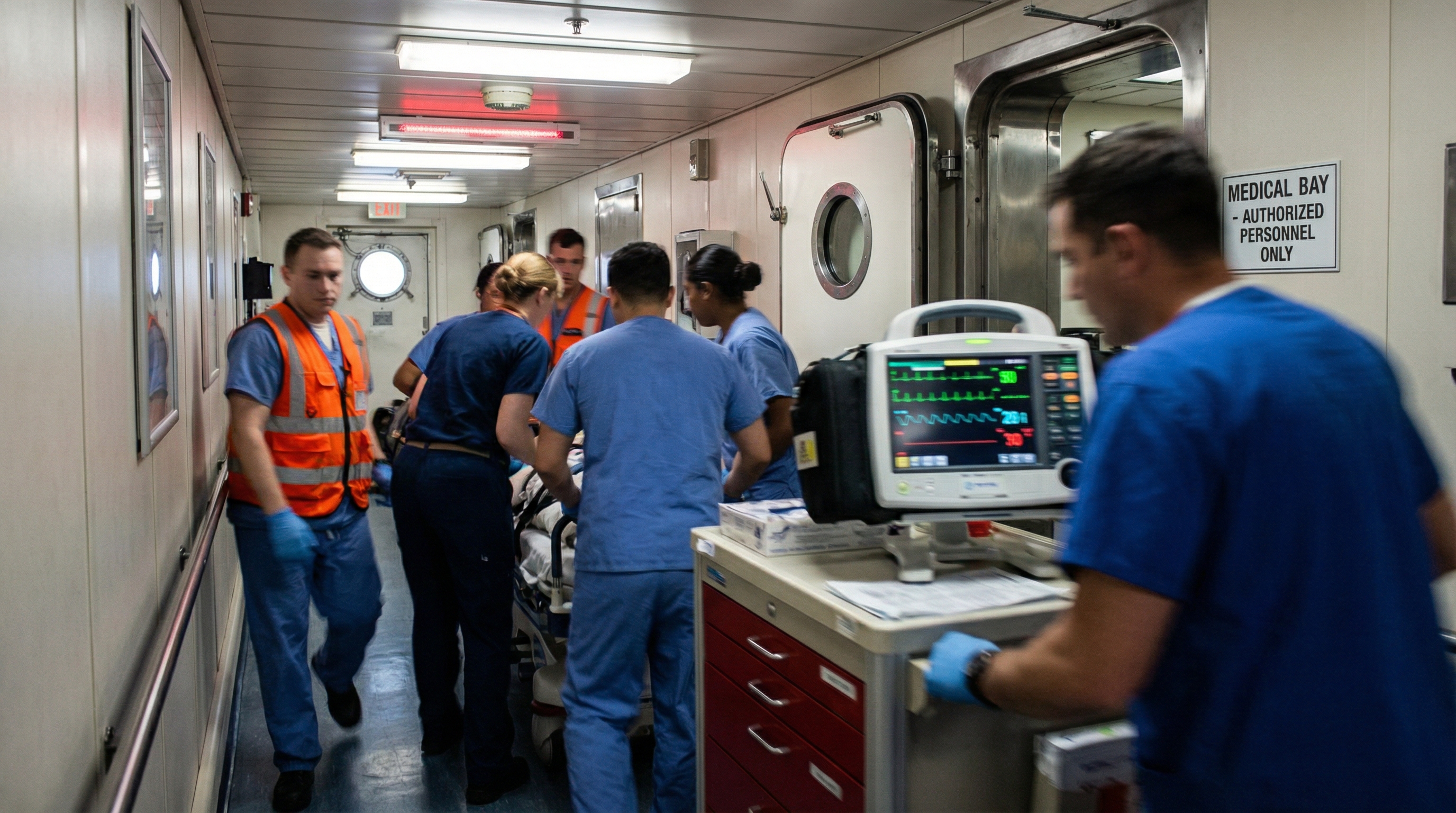
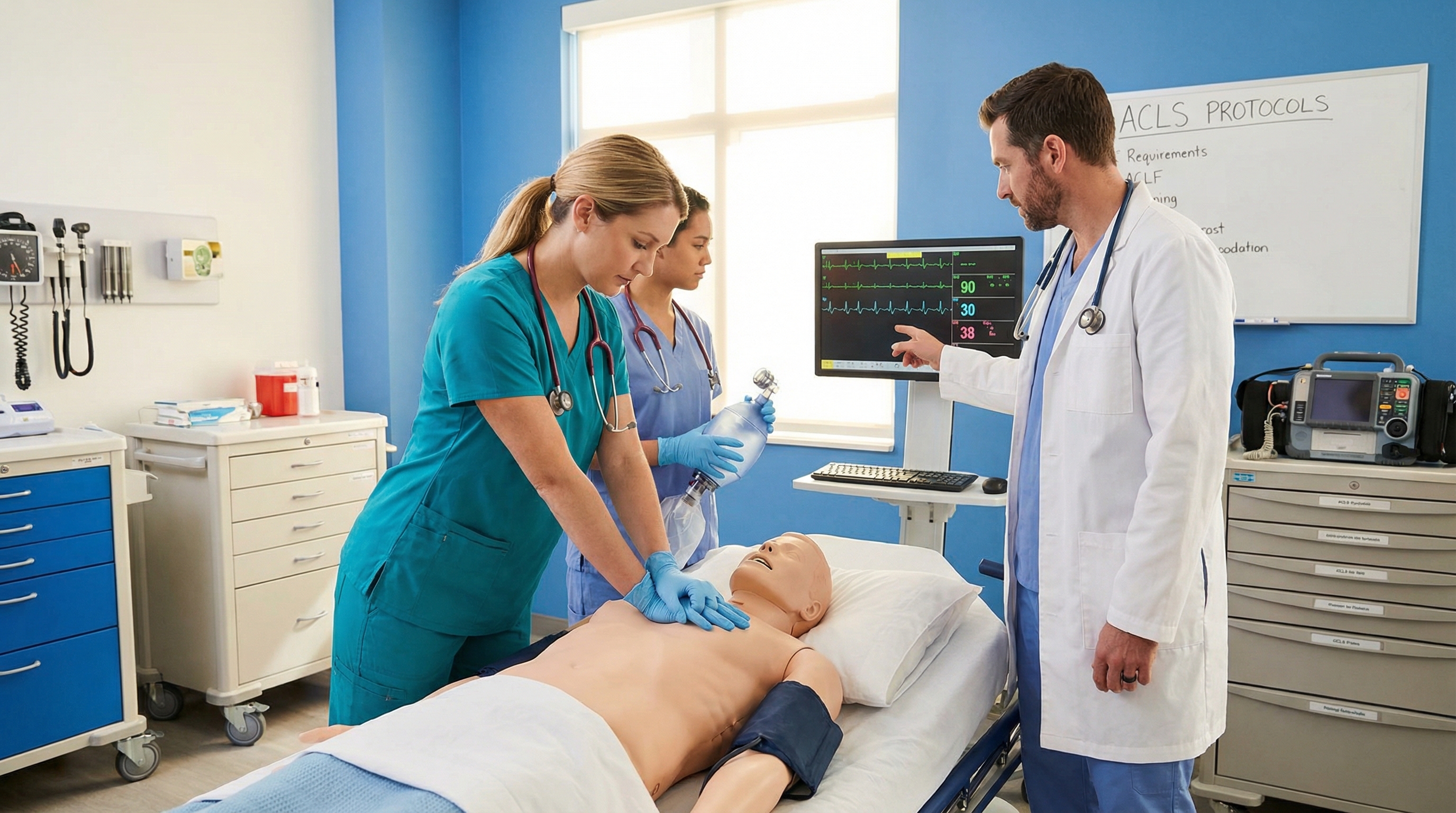
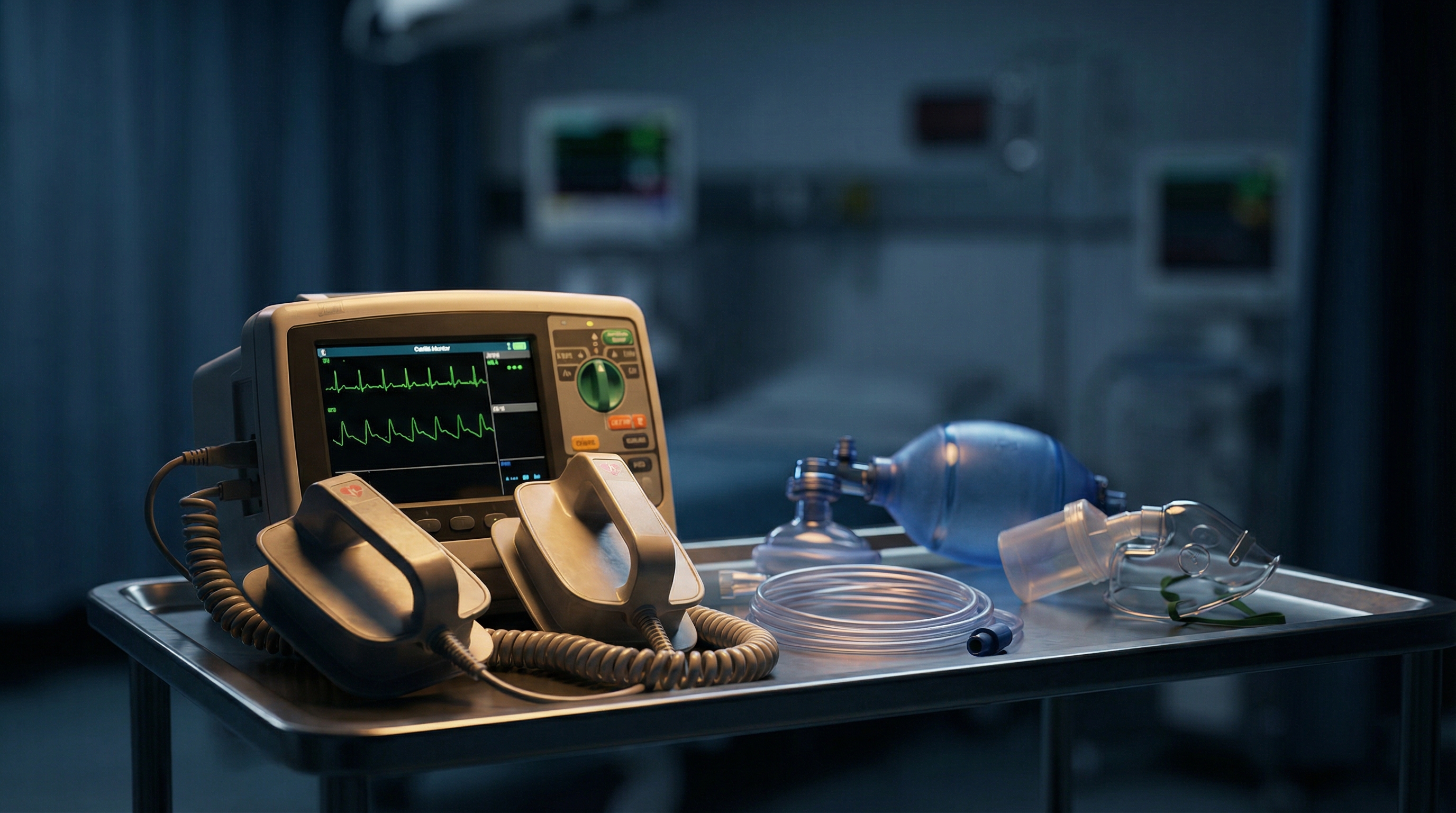
Cruise ship medical officers face one of healthcare's most demanding and isolated practice environments. Working miles from shore with limited resources, these physicians must be prepared to handle everything from minor ailments to life-threatening cardiac emergencies. When a passenger suffers sudden cardiac arrest in the middle of the Atlantic Ocean, there's no backup ambulance, no trauma team waiting in the emergency department, and no margin for error. This is where Advanced Cardiovascular Life Support (ACLS) certification becomes not just a credential, but a critical lifeline.
The maritime healthcare environment presents unique challenges that make ACLS proficiency essential for cruise ship doctors. According to research on cardiovascular emergencies in cruise ship passengers, cardiac events are among the most common serious medical situations encountered at sea, with acute coronary syndrome representing 58% of cardiovascular emergencies. With an aging cruise passenger demographic and the stress of travel, cruise ship medical officers must maintain expert-level cardiac emergency management skills. This comprehensive guide explores why ACLS certification is indispensable for maritime medical practice and how online certification options are revolutionizing professional development for seafaring physicians.
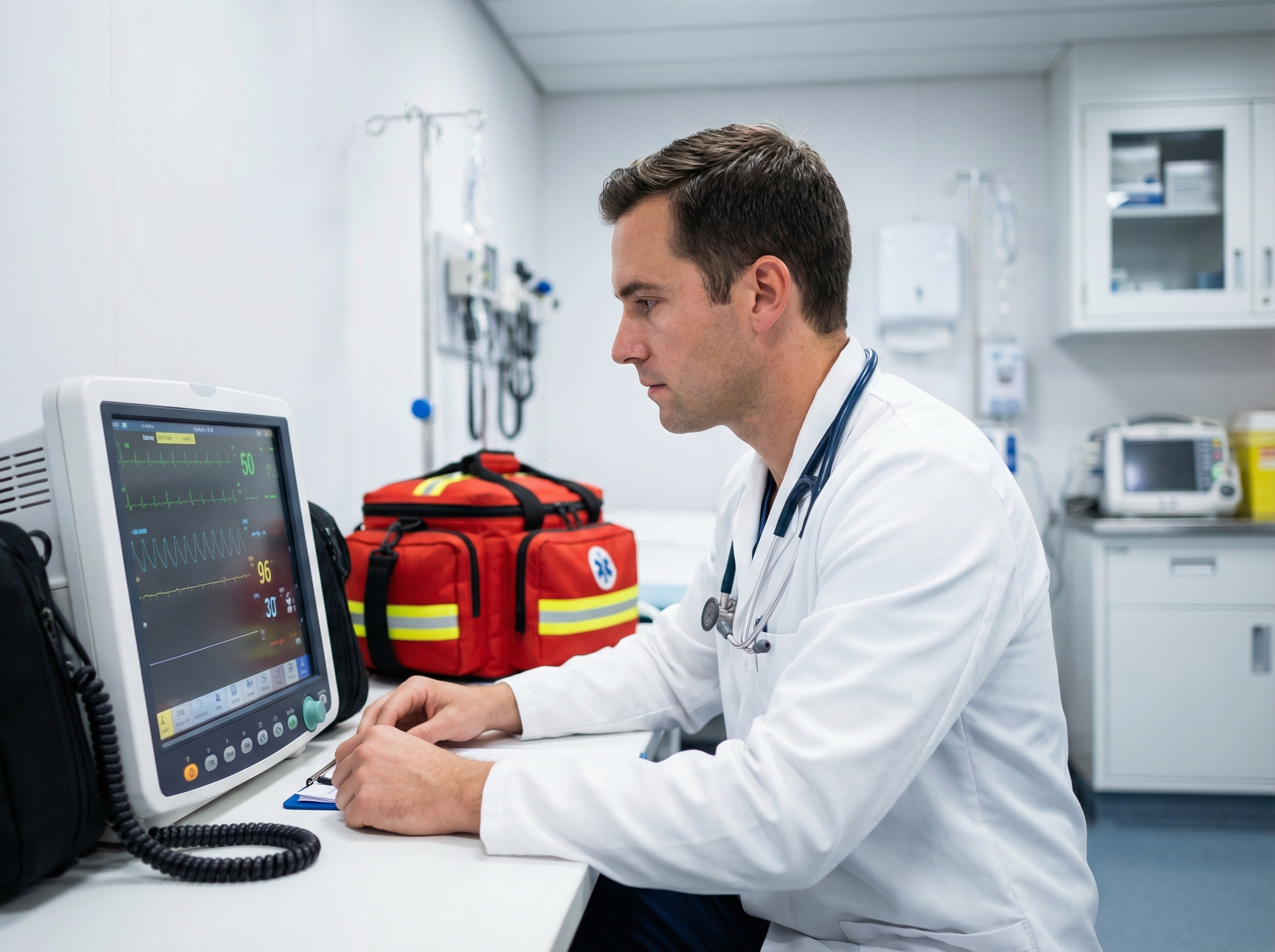
Cruise ship medicine represents a specialized branch of emergency and remote medicine that requires broad clinical expertise combined with the ability to function independently in resource-limited settings. Modern cruise ships typically carry between 2,000 and 6,000 passengers plus crew, creating floating communities that require comprehensive medical services. Ship medical centers are equipped to handle a wide range of conditions, but they operate with significantly fewer resources than land-based hospitals, making clinical judgment and emergency response capabilities paramount.
According to industry standards for cruise ship medical professionals, cruise lines require physicians to have at least three years of post-graduation clinical experience in emergency medicine, family medicine, critical care, cardiology, anesthetics, or remote medicine. Additionally, candidates must hold valid ACLS certification along with current medical licensure and registration with appropriate regulatory bodies. These requirements reflect the complex, high-stakes nature of shipboard medical practice where physicians must be prepared to manage any emergency without immediate specialist backup.
The working conditions for cruise ship medical officers differ substantially from traditional practice settings. Most contracts operate on a rotational basis of four months onboard followed by two months off, with physicians working seven days per week during their shipboard assignment. This intensive schedule demands physicians who can maintain clinical excellence under sustained pressure while adapting to the unique rhythms of maritime life. The isolation factor means that when cardiac emergencies occur, the ship's medical officer serves as cardiologist, emergency physician, and intensivist simultaneously, making comprehensive ACLS knowledge absolutely essential.
The prevalence and severity of cardiac emergencies aboard cruise ships underscore the critical importance of ACLS certification for maritime medical officers. Research published in cardiovascular emergency medicine reveals that cardiovascular events represent a significant portion of serious medical incidents at sea, with chest pain being the most common presenting symptom in 50% of cases. More significantly, 73% of cardiovascular emergency patients required hospital-level triage, and 17% needed coronary revascularization procedures after evacuation.
Remarkably, cruise ships have demonstrated higher rates of return of spontaneous circulation (ROSC) following cardiac arrest compared to land-based urban environments, despite operating in what is essentially an out-of-hospital setting. This success rate reflects the preparedness of cruise ship medical teams and their proficiency in ACLS protocols. Studies have documented successful resuscitation of cardiac arrests and ventricular fibrillation cases aboard ships, with some myocardial infarction patients even receiving thrombolytic therapy at sea. These outcomes demonstrate that with proper training, equipment, and certification, cruise ship medical officers can deliver life-saving cardiac care in one of the world's most challenging practice environments.
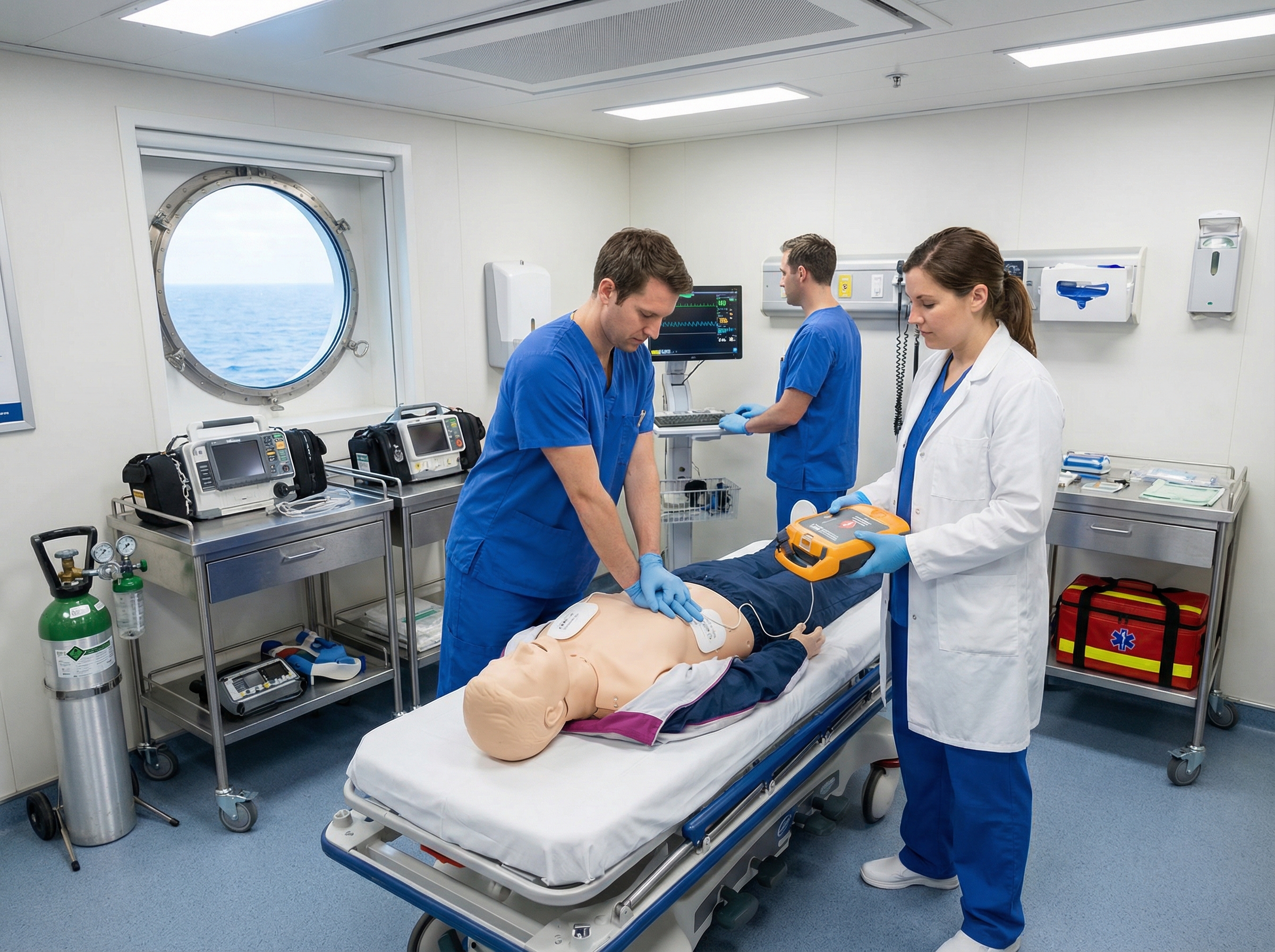
Beyond cardiac arrest, cruise ship medical officers encounter the full spectrum of cardiovascular emergencies. According to research on maritime medical emergencies, cardiovascular diseases account for 18.2% of all serious medical events at sea, second only to trauma. Medical officers must be prepared to manage acute coronary syndromes, heart failure exacerbations, life-threatening arrhythmias, hypertensive emergencies, and post-resuscitation care. Each of these conditions requires immediate recognition and evidence-based intervention according to ACLS algorithms. The ability to rapidly differentiate between stable and unstable cardiac conditions and implement appropriate treatment can mean the difference between successful patient stabilization and deterioration during the critical hours before shore-based definitive care becomes available.
Advanced Cardiovascular Life Support provides cruise ship medical officers with systematic, evidence-based algorithms for managing cardiac emergencies. Core ACLS competencies include recognition and early management of respiratory and cardiac arrest, recognition and early management of peri-arrest conditions such as symptomatic bradycardia and tachycardia, and effective communication within resuscitation teams. These foundational skills translate directly to the maritime environment, where quick recognition and decisive action are critical. The standardized approach provided by ACLS certification ensures that cruise ship medical officers can deliver consistent, high-quality care regardless of the challenging circumstances.
While ACLS protocols remain fundamentally the same at sea, maritime medical officers must adapt these guidelines to their unique environment. Resource limitations require creative problem-solving and prioritization. For example, while a land-based emergency department might have immediate access to advanced imaging and laboratory services, cruise ship medical centers rely more heavily on clinical assessment, point-of-care testing, and telemedicine consultation. Medical officers must become expert at implementing ACLS medication protocols from their onboard pharmacy, managing airways with available equipment, and providing post-resuscitation care with monitoring capabilities that may be more limited than hospital settings. Understanding how to deliver optimal care within these constraints is a hallmark of expert maritime medical practice.
The principles covered in ACLS training align closely with the broader competencies required for remote medical practice. Cruise ship medical officers must master the same skills emphasized in implementing ACLS in remote settings, including resource optimization, extended patient monitoring during stabilization, communication with evacuation coordinators and receiving hospitals, and clinical decision-making with limited diagnostic resources. The ship's medical officer must maintain ACLS proficiency not just for the initial resuscitation but for the potentially extended period of post-cardiac arrest care that may be required during transit to port or while awaiting helicopter evacuation in challenging weather conditions.
Proper medication administration represents a cornerstone of effective ACLS implementation aboard cruise ships. Maritime medical officers must maintain comprehensive knowledge of cardiac emergency medications, their dosing, routes of administration, and indications. Unlike hospital settings where pharmacy support and drug reference systems are immediately available, cruise ship physicians work from their onboard formulary and must be able to recall critical medication information rapidly during high-pressure resuscitation scenarios.
The essential ACLS medications that cruise ship medical officers must have immediately accessible include epinephrine for cardiac arrest and anaphylaxis, amiodarone for ventricular fibrillation and pulseless ventricular tachycardia, adenosine for supraventricular tachycardia, atropine for symptomatic bradycardia, and aspirin, nitroglycerin, and morphine for acute coronary syndromes. Additionally, medical officers should maintain familiarity with anticoagulants, beta-blockers, calcium channel blockers, and vasopressors. Each medication must be readily available in the ship's medical center with appropriate dosing equipment and administration supplies.
Cruise ship medical centers typically maintain first response bags containing what is needed to manage the initial phase of cardiac arrest and other emergencies. These bags must be meticulously organized and regularly checked to ensure that all critical medications are present, properly stored, and within expiration dates. Medical officers should conduct regular medication drills to ensure they can rapidly access and prepare critical drugs during actual emergencies. The ability to quickly calculate weight-based dosing, prepare infusions, and administer medications via appropriate routes while simultaneously managing other aspects of resuscitation reflects the high level of ACLS proficiency required in maritime medicine.
Effective resuscitation at sea requires more than individual clinical expertise; it demands coordinated teamwork between medical staff and ship personnel. ACLS training emphasizes the critical importance of team dynamics, clear communication, and defined roles during cardiac emergencies. On cruise ships, the medical team typically includes one or two physicians and several nurses, but during major resuscitations, ship officers and crew members may need to assist. This necessitates clear leadership, role assignment, and closed-loop communication to ensure that all team members understand their responsibilities and that critical interventions are completed efficiently.
According to cruise line medical staffing standards, ships' medical staff are certified in ACLS and resuscitation, ensuring that the core medical team shares common training and protocols. This standardization facilitates effective communication and coordination during emergencies. The medical officer typically assumes the role of team leader, directing the resuscitation while delegating specific tasks such as chest compressions, airway management, medication administration, and documentation to team members based on their training and capabilities. Regular simulation training and emergency drills help maintain team proficiency and identify areas for improvement in coordination and communication.
Maritime resuscitations present unique communication challenges that require additional consideration. Medical officers must maintain communication not only with their immediate resuscitation team but also with the ship's bridge to coordinate potential course changes toward the nearest port, with maritime medical consultation services via satellite communication, with coast guard or maritime rescue coordination centers regarding potential evacuation, and with receiving hospitals when patient transfer is planned. Managing these multiple communication streams while directing active resuscitation requires exceptional organizational skills and the ability to prioritize information flow. The structured approach taught in ACLS training provides a framework for managing this complexity, ensuring that critical clinical interventions remain the priority while necessary external communication occurs efficiently.
Cruise lines universally require medical officers to maintain current ACLS certification as a condition of employment. This requirement aligns with credentialing guidelines established by the American College of Emergency Physicians (ACEP) for cruise ship medicine and reflects industry recognition that cardiac emergencies represent a significant portion of serious medical events at sea. Medical officers must present valid ACLS certification before beginning their contracts and maintain continuous certification throughout their maritime careers. Many cruise lines conduct verification of credentials through maritime medical staffing agencies that specialize in recruiting and credentialing shipboard healthcare professionals.
ACLS certification is typically valid for two years from the date of course completion, requiring medical officers to complete recertification before expiration to maintain uninterrupted credentials. For maritime physicians working on rotational schedules, timing recertification can present logistical challenges. During their onboard rotation, physicians have limited access to traditional in-person certification courses. During off-rotation periods, physicians often have personal and professional commitments that make attending scheduled classes difficult. This scheduling reality has made online ACLS certification increasingly popular among maritime medical professionals who need flexible, convenient options for maintaining their credentials.
Online ACLS certification programs offer maritime medical officers significant advantages over traditional in-person courses. Physicians can complete certification requirements during their off-rotation periods without the constraints of class schedules or geographic limitations. Online certification platforms provide self-paced learning that allows physicians to move quickly through familiar material while spending additional time on areas requiring review. This efficiency is particularly valuable for experienced maritime physicians who possess strong clinical foundations and need recertification rather than initial training. Additionally, online programs eliminate travel expenses and time away from home, making them more cost-effective and family-friendly for physicians who already spend extended periods away at sea.
Affordable ACLS was specifically designed by practicing Board Certified Emergency Medicine physicians to address the certification needs of busy healthcare professionals, including those working in challenging environments like maritime medicine. The platform recognizes that experienced medical officers need convenient, affordable recertification options that respect their clinical expertise while ensuring they remain current with the latest evidence-based guidelines. For cruise ship doctors managing demanding schedules and frequent travel, Affordable ACLS provides an ideal certification solution that fits seamlessly into their professional lives.
The Affordable ACLS platform offers several features particularly beneficial for maritime medical officers. The completely self-paced format allows physicians to complete certification on their own schedule, whether during off-rotation periods at home or while traveling between assignments. There are no time limits or expiration deadlines for course completion, eliminating the pressure of arbitrary timelines. The course content is based on current American Heart Association and International Liaison Committee on Resuscitation guidelines, ensuring full compliance with industry standards and cruise line requirements. Physicians receive immediate digital certification upon course completion, which can be downloaded, printed, and submitted to employers without waiting for credentials to arrive by mail—a critical advantage for medical officers preparing for upcoming contracts.
Cost represents another significant advantage of online certification for maritime medical professionals. Traditional in-person ACLS courses typically cost $200-$300 or more, plus associated travel and time expenses. Affordable ACLS offers ACLS recertification for just $89 and initial certification for $99, representing substantial savings for physicians who must maintain multiple certifications. For maritime medical officers who also need BLS and potentially PALS certification, certification bundles provide even greater value with package pricing. These cost savings are particularly meaningful for physicians working in maritime medicine, where professional expenses including licensure maintenance, continuing education, and travel can accumulate significantly.
While experienced maritime medical officers possess strong clinical foundations, maintaining peak ACLS proficiency requires deliberate preparation and regular review. The stakes in maritime cardiac emergencies are exceptionally high, and the isolated practice environment means that physicians must be able to execute ACLS protocols flawlessly without the safety net of immediate specialist consultation or backup. Systematic preparation ensures that medical officers maintain the confidence and competence necessary to manage any cardiac emergency that might arise at sea.
Effective ACLS preparation combines knowledge review, algorithm memorization, and practical application. Maritime medical officers should utilize proven study strategies including reviewing core algorithms systematically, focusing on medication dosages and indications, practicing ECG rhythm interpretation, understanding the pathophysiology underlying each algorithm, and working through clinical scenarios mentally. Additionally, physicians should review their ship's specific medical equipment and medication inventory to ensure they understand exactly what resources are available during actual emergencies. This practical knowledge allows seamless translation of ACLS training into shipboard practice.
Certification represents the baseline requirement, but true ACLS mastery requires ongoing maintenance and practice. Maritime medical officers should engage in regular self-directed continuing education, including reviewing case reports of cardiac emergencies at sea, participating in maritime medicine conferences and webinars, staying current with guideline updates from the American Heart Association and ILCOR, and conducting regular simulation drills with their onboard nursing staff. Many cruise lines support medical staff education and may facilitate access to continuing education resources during contracts. Medical officers should take advantage of these opportunities to continuously refine their emergency response capabilities.
ACLS certification provides the foundational knowledge and protocols necessary for managing cardiac emergencies, but achieving excellence in maritime cardiac care requires additional practical skills and preparation. Medical officers must translate textbook algorithms into real-world practice within the constraints of the shipboard environment. This includes becoming thoroughly familiar with the specific medical equipment available in their ship's medical center, developing relationships with telemedicine consultation services, understanding the evacuation coordination process and capabilities, maintaining currency with developments in cardiac emergency care, and cultivating the clinical judgment necessary to adapt guidelines to unique circumstances.
Maritime medical officers should conduct thorough orientation to their medical center's equipment and supplies when beginning each new contract. This includes verifying the functionality of defibrillators and cardiac monitors, checking emergency medication supplies and expiration dates, ensuring airway management equipment is complete and functional, confirming that point-of-care testing devices are operational and calibrated, and organizing the medical center for efficient emergency response. This systematic approach prevents equipment failures or supply shortages during actual emergencies when every second matters. Regular equipment checks and inventory management should become routine practices integrated into daily shipboard medical operations.
Modern cruise ships typically maintain relationships with maritime telemedicine services that provide 24/7 access to emergency medicine physicians and specialists via satellite communication. According to guidelines published in the International Medical Guide for Seafarers and Fishers, telemedicine support has become an integral component of maritime medical care. Medical officers should establish familiarity with these consultation services, understanding how to access support quickly during emergencies, what information consultants will need, and how to effectively communicate clinical findings and receive guidance. Telemedicine can provide valuable second opinions during complex cardiac cases and assist with decisions regarding medication administration, patient stabilization strategies, and evacuation necessity.
Despite optimal ACLS care, some cardiac patients will require evacuation to shore-based facilities for definitive treatment. Medical officers must understand when evacuation is necessary, how to coordinate the evacuation process, and how to maintain patient stability during transfer. Evacuation decisions involve complex considerations including patient clinical status and trajectory, distance to nearest suitable port, weather conditions and sea state affecting helicopter evacuation feasibility, availability of evacuation resources, and capabilities of receiving hospitals. These decisions require balancing the risks of continued shipboard care against the risks of evacuation, particularly when weather or location make helicopter transfer dangerous.
When evacuation becomes necessary, medical officers must prepare patients for transfer while coordinating with multiple stakeholders. This includes stabilizing the patient according to ACLS protocols to optimize their condition for transfer, communicating with coast guard or maritime rescue coordination centers, providing detailed clinical information to receiving hospitals, preparing medical documentation and medication lists for transfer, and briefing evacuation personnel on the patient's condition and required interventions during transport. For cardiac patients, particular attention must be paid to securing intravenous access, ensuring adequate oxygenation, managing dysrhythmias, and providing appropriate monitoring during transfer. The medical officer's ACLS training provides the clinical framework for these stabilization efforts, but successful evacuation requires additional skills in coordination, communication, and logistics unique to maritime medicine.
ACLS certification represents an essential credential for entry and advancement in maritime medicine. For physicians considering cruise ship medicine as a career option, obtaining ACLS certification is a prerequisite that should be secured before applying to maritime medical positions. According to maritime medical recruitment standards, candidates must present valid ACLS along with appropriate medical licensure, emergency medicine experience, and other specialized certifications. Maintaining continuous certification demonstrates professionalism and commitment to clinical excellence throughout a maritime medical career.
Beyond ACLS, maritime medical officers often pursue additional certifications and training to enhance their qualifications and capabilities. These may include Pediatric Advanced Life Support (PALS) for managing pediatric emergencies, Advanced Trauma Life Support (ATLS) for trauma management, Diploma in Maritime Medicine or similar specialized training, tropical medicine certifications for routes that visit developing regions, and ultrasound training for point-of-care imaging. Each additional certification expands the medical officer's scope of practice and enhances their value to cruise lines. Many physicians use their rotation-off periods to pursue these additional qualifications, building comprehensive emergency medicine capabilities suited to the demands of maritime practice.
Maritime medicine has evolved into a specialized field with its own professional networks, conferences, and continuing education opportunities. Organizations such as the American College of Emergency Physicians maintain sections focused on cruise ship medicine, providing resources and networking opportunities for maritime medical professionals. These professional connections facilitate knowledge sharing, career advancement, and ongoing clinical development. Medical officers who actively engage with the maritime medicine community through conference attendance, publication, and professional membership often find enhanced career opportunities and satisfaction in their maritime medical practice.
For physicians preparing for maritime medical careers or current cruise ship medical officers needing recertification, obtaining ACLS credentials through Affordable ACLS provides a streamlined, efficient path. The process is straightforward: visit affordableacls.com and select the ACLS certification or recertification course, complete the self-paced online training covering all essential algorithms and protocols, pass the certification exam with unlimited retakes available at no additional cost, and immediately download your digital certification card for submission to employers. The entire process can be completed in just a few hours, fitting conveniently into even the busiest physician's schedule. Getting certified has never been more accessible for maritime medical professionals.
Affordable ACLS stands behind the acceptance and quality of its certifications with a comprehensive money-back guarantee. If your employer does not accept your Affordable ACLS certification, the company provides a full refund—demonstrating confidence that the certification meets industry standards and cruise line requirements. This guarantee eliminates risk for maritime medical officers choosing online certification over traditional in-person courses. The platform's founders, as practicing emergency medicine physicians themselves, understand the credentialing requirements healthcare professionals face and have designed their certifications to meet these standards completely.
Cruise ship medical officers operate at the intersection of emergency medicine, remote care, and maritime operations, facing unique challenges that require exceptional clinical skills and unwavering preparedness. ACLS certification represents far more than a credentialing requirement for these physicians—it provides the systematic, evidence-based framework necessary to manage life-threatening cardiac emergencies miles from shore with limited resources. The data clearly demonstrates that cardiovascular emergencies constitute a significant portion of serious medical events at sea, and successful outcomes depend directly on the medical officer's ACLS proficiency and ability to execute protocols flawlessly under pressure.
For maritime medical professionals, maintaining current ACLS certification should be viewed not as a bureaucratic obligation but as a professional commitment to clinical excellence and patient safety. The shift toward online certification platforms like Affordable ACLS has made this commitment more achievable than ever, offering flexible, affordable options that respect physicians' time and expertise while ensuring they remain current with the latest guidelines. Whether you're an experienced cruise ship medical officer preparing for recertification or a physician considering maritime medicine as a career path, obtaining your ACLS certification through a reputable online platform provides the convenience, quality, and cost-effectiveness that align with the demands of modern maritime medical practice. The next cardiac emergency at sea will require immediate, expert intervention—ACLS certification ensures you're prepared to deliver it.
.jpg)