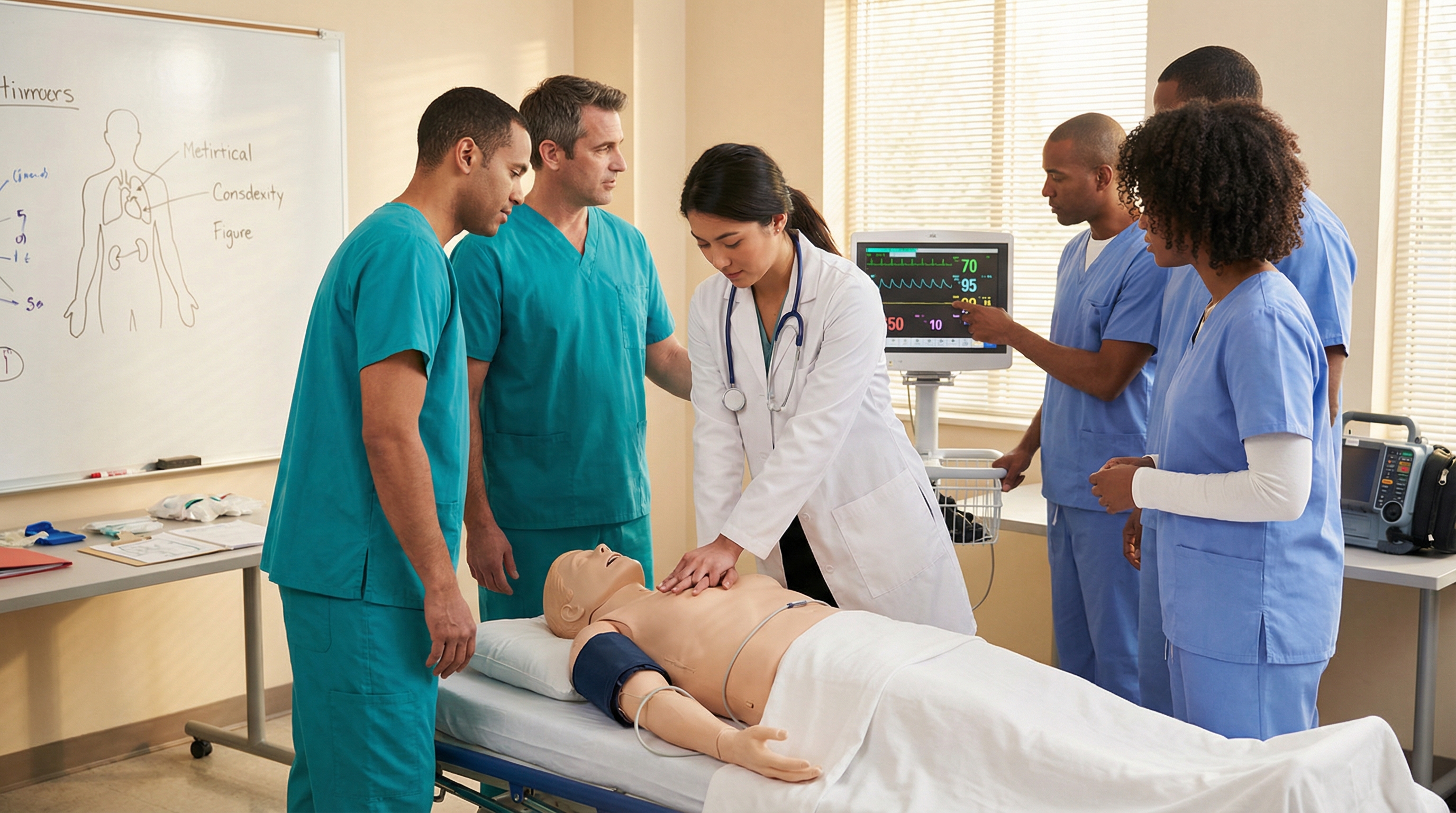
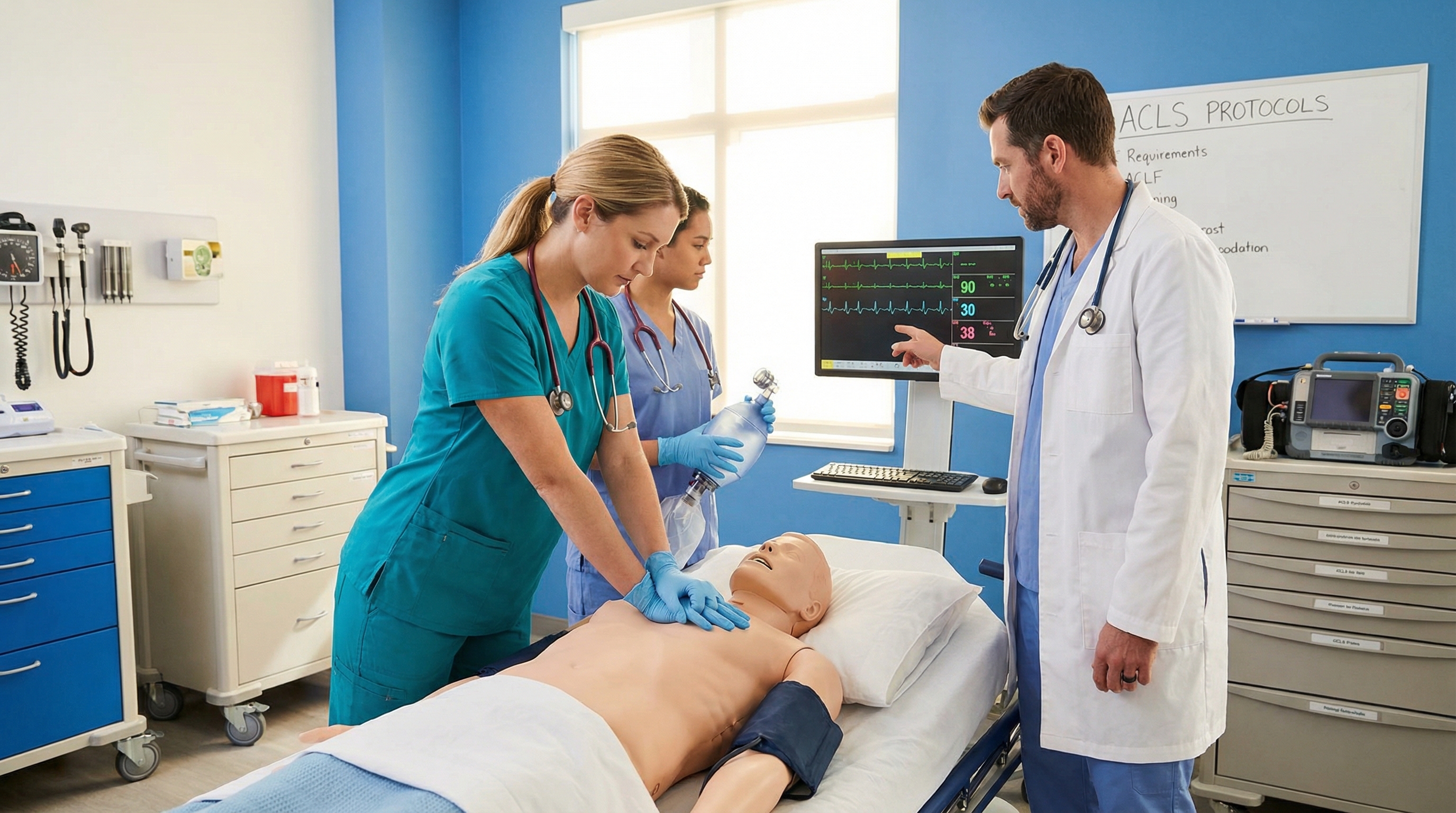
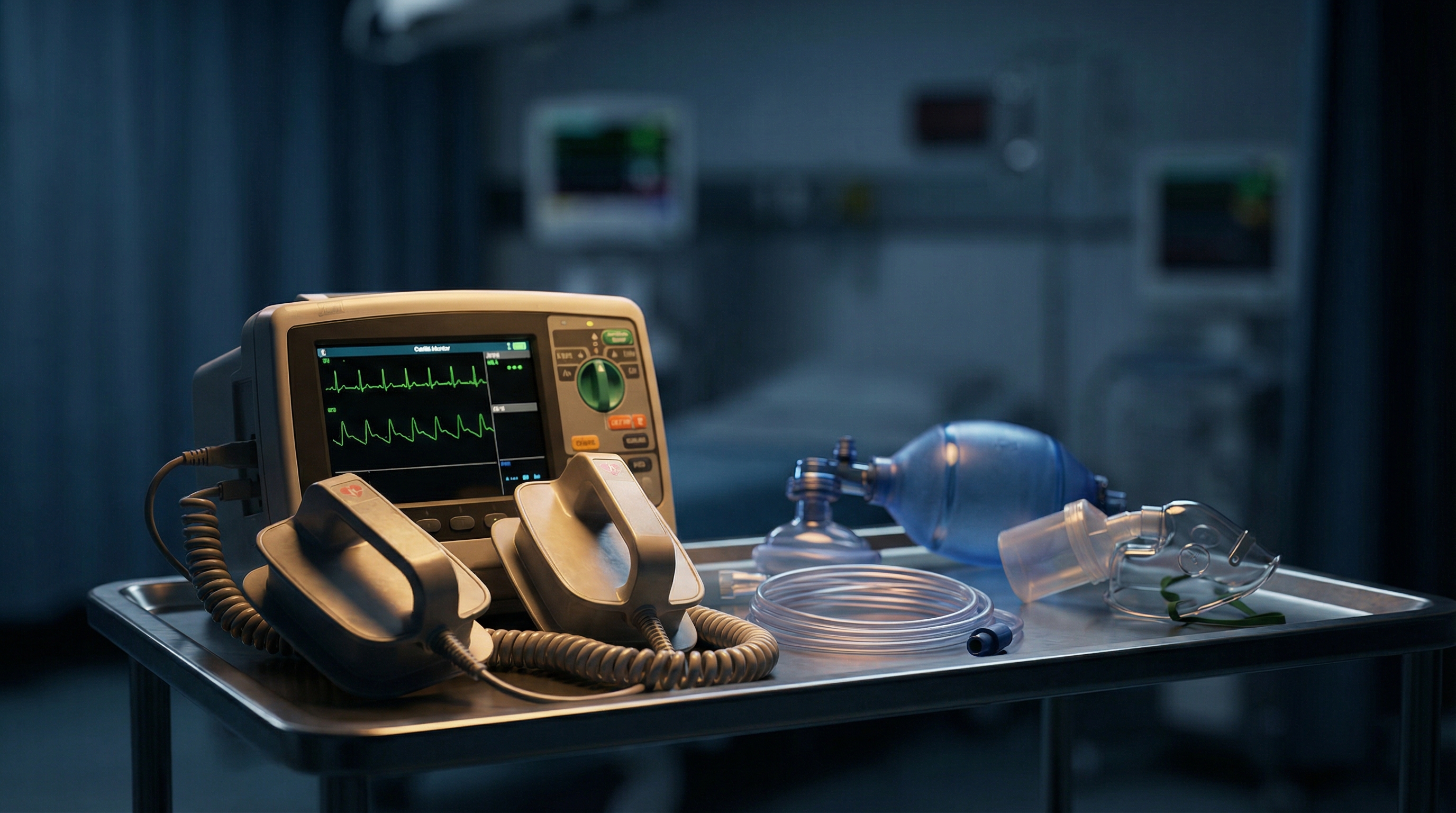
As a medical student navigating the demanding journey toward Match Day, you're constantly evaluating which credentials will strengthen your residency application and prepare you for clinical practice. Advanced Cardiovascular Life Support (ACLS) certification stands out as one of the most valuable yet often misunderstood qualifications you can obtain during medical school. While some students delay certification until residency orientation, proactive early certification can significantly enhance your competitiveness and clinical confidence.
Understanding when to pursue ACLS certification and how it impacts your residency match requires insight into what program directors value, the clinical skills you'll need, and the strategic timing that maximizes both your application strength and your actual readiness for patient care. This comprehensive guide will help you make an informed decision about ACLS certification as part of your medical school career development strategy.
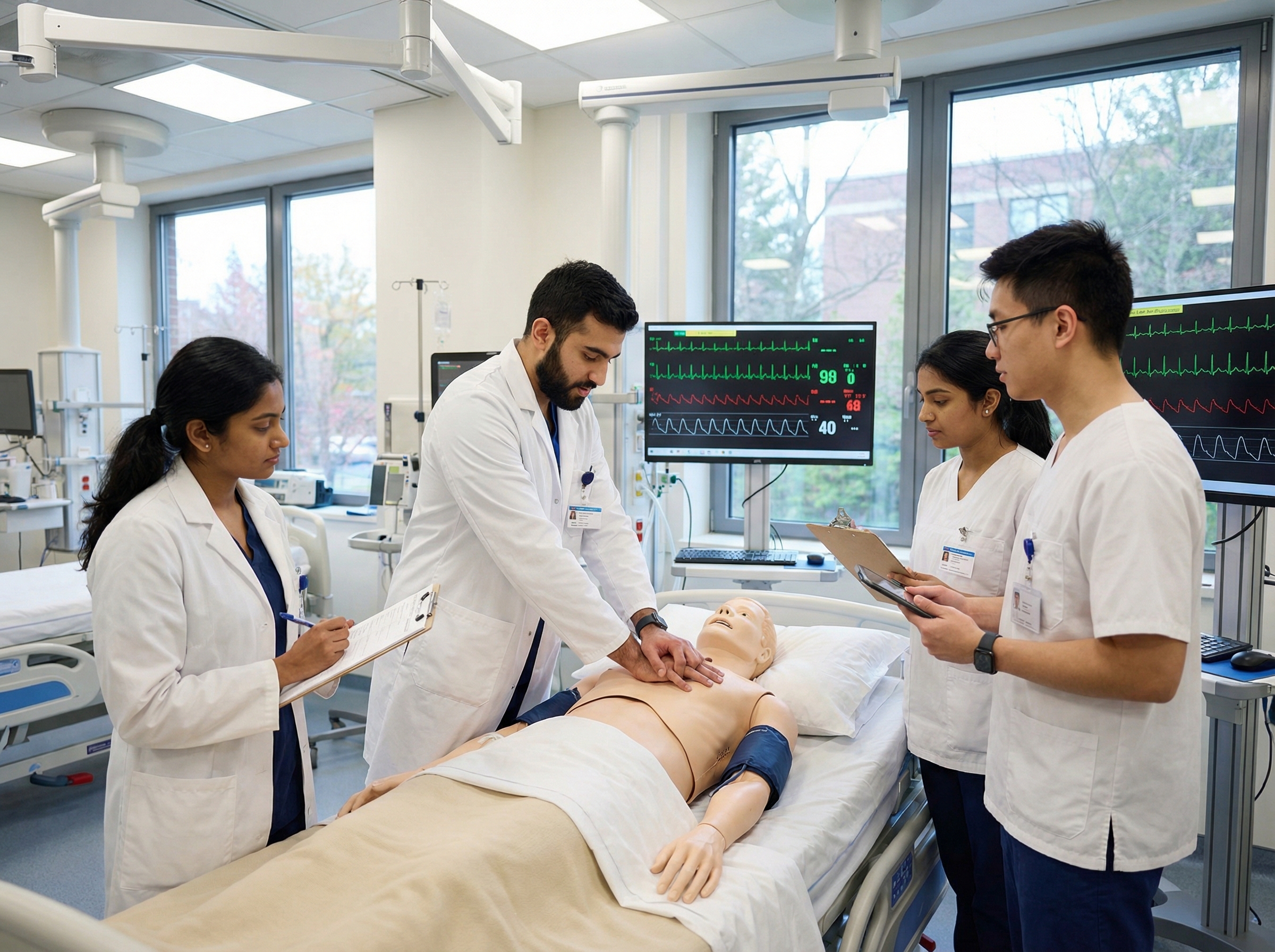
Research involving residency program directors reveals compelling data about how they assess clinical competencies in applicants. According to a national survey published in Medical Education Online, an impressive 91.1% of program directors considered ACLS important to assess, alongside sterile technique (93.8%), BLS (90.0%), and EKG interpretation (89.4%). Notably, 65.9% of program directors felt ACLS competency was important to assess prior to the start of residency training, indicating that early certification sends a strong signal about your preparedness.
For internal medicine residencies specifically, ACLS certification carries particular weight. The American Board of Internal Medicine (ABIM) requires candidates for board certification to demonstrate competency in nine core procedures, with ACLS prominently featured among them. This means that regardless of when you obtain certification, you will need to master these skills, and program directors know that students who arrive with existing ACLS credentials demonstrate initiative and clinical maturity.
In an increasingly competitive residency landscape, especially as USMLE Step 1 has transitioned to pass/fail scoring, program directors are placing greater emphasis on other differentiators. While research publications and clinical experiences remain important, practical certifications like ACLS demonstrate hands-on competency that can distinguish you from applicants with similar academic profiles. This is particularly relevant for specialties such as emergency medicine, internal medicine, anesthesiology, critical care, and cardiology, where ACLS skills form the foundation of daily practice.
ACLS certification goes far beyond basic CPR knowledge, preparing you to recognize and respond to life-threatening cardiovascular emergencies with evidence-based protocols. The curriculum covers systematic approaches to cardiac arrest management, including algorithms for ventricular fibrillation/pulseless ventricular tachycardia (VF/VT), asystole, and pulseless electrical activity (PEA). You'll learn to manage bradycardia and tachycardia scenarios, recognize and treat acute coronary syndromes, and implement evidence-based stroke protocols.
Beyond algorithms, ACLS training emphasizes critical thinking and team dynamics that directly translate to residency performance. You'll practice leading resuscitation teams, communicating effectively under pressure, and making rapid clinical decisions based on patient presentation and monitoring data. The medication knowledge component covers vasopressors, antiarrhythmics, and other emergency cardiovascular drugs including appropriate dosing, indications, and contraindications that you'll use regularly in hospital settings.
The practical skills portion includes defibrillation and cardioversion techniques, advanced airway management, and post-cardiac arrest care. These aren't theoretical concepts you'll encounter years from now; they're skills you may need during your clinical rotations, particularly in emergency departments, intensive care units, and cardiac care settings. Research published in the National Center for Biotechnology Information emphasizes that basic and advanced life support techniques should be acquired as early as possible in medical school, as their core purpose is saving lives—the fundamental reason students choose medicine.
The optimal timing for ACLS certification depends on your specialty interests, clinical rotation schedule, and residency application timeline. However, several strategic windows offer maximum benefit. For students interested in emergency medicine, internal medicine, or critical care specialties, obtaining ACLS certification before or during third-year clinical rotations provides significant advantages. You'll approach rotations in emergency departments and ICUs with greater confidence and competence, potentially earning stronger letters of recommendation from attendings who notice your preparedness.
For students applying to residencies that highly value ACLS certification, completing the course during the summer before fourth year allows you to list the credential on your ERAS application from the outset. This timing ensures the certification appears on your CV when program directors conduct their initial screening, typically beginning in September. Since ACLS certifications are valid for two years, summer certification before fourth year ensures your credential remains current through at least your intern year.
Another strategic approach involves obtaining ACLS certification immediately before beginning a critical rotation where you'll apply the skills directly. For example, completing ACLS just before your emergency medicine or cardiology rotation allows you to participate more actively in code situations and demonstrate competency that might otherwise take weeks to develop. The practical application during rotations reinforces your learning and showcases your initiative to supervising physicians.
It's worth noting that most residency programs provide and pay for ACLS certification during orientation week. However, arriving with certification already completed offers several advantages: you'll avoid the stress of intensive training during an already overwhelming orientation period, you'll demonstrate proactive preparation, and you'll be ready to respond to emergencies from day one rather than waiting until orientation courses conclude. Additionally, if you're considering sub-internships or away rotations at institutions where you hope to match, having ACLS certification beforehand can be particularly advantageous.
Understanding the relationship between Basic Life Support (BLS), ACLS, and Pediatric Advanced Life Support (PALS) helps you make strategic decisions about certification. BLS forms the foundation and is typically the first certification medical students should obtain, often during first or second year. BLS covers high-quality CPR for adults, children, and infants, AED use, and choking management—skills you might need anywhere, from clinical rotations to community settings.
ACLS builds upon BLS with advanced cardiovascular algorithms and pharmacology, making it the logical next step for students interested in adult medicine specialties. The choice between certifications should align with your specialty interests and rotation requirements. For students planning careers in emergency medicine, internal medicine, anesthesiology, or surgery, ACLS certification is nearly universal and should be prioritized.
PALS certification becomes essential for students pursuing pediatrics, pediatric emergency medicine, or family medicine programs with significant pediatric components. PALS covers pediatric assessment, respiratory emergencies, shock management, and pediatric-specific cardiac arrest algorithms. Many students interested in emergency medicine obtain all three certifications (BLS, ACLS, and PALS) to maximize their versatility and demonstrate comprehensive emergency care competency.
From a practical and financial perspective, obtaining multiple certifications can be streamlined through bundle options. Affordable ACLS offers combinations such as ACLS + BLS ($133), ACLS + PALS ($183), or the complete ACLS + BLS + PALS bundle ($237), providing significant savings compared to individual course purchases. This bundling approach allows you to comprehensively prepare for diverse clinical scenarios while managing the costs associated with multiple certifications—an important consideration for budget-conscious medical students.
Your residency application is evaluated holistically, with program directors assessing academic performance, clinical experiences, research involvement, letters of recommendation, and personal qualities. ACLS certification enhances multiple components simultaneously. On your CV, it demonstrates clinical competency and proactive preparation. During interviews, it provides concrete examples of leadership and emergency response skills you can discuss. In letters of recommendation, attendings may specifically mention your competence during codes or emergency situations, noting your ACLS training as a foundation for those observations.
Beyond the credential itself, ACLS certification signals important qualities that residency programs value. It shows initiative—you took steps beyond the required curriculum to enhance your clinical capabilities. It demonstrates commitment to patient safety and quality care. It reflects your understanding of the specialty's demands and your preparation to meet them. According to healthcare employer research, certifications like ACLS indicate that candidates take initiative, are willing to learn new skills, and are interested in self-development—all qualities that help you stand out in competitive selection processes.
For certain specialties, ACLS certification transitions from "nice to have" to "expected." Emergency medicine programs, in particular, often view ACLS as a baseline competency, with the most competitive applicants holding additional certifications such as PALS or even specialized credentials like Ultrasound-Guided Procedures. Internal medicine programs increasingly expect ACLS certification, especially for applicants interested in critical care fellowships. Even for less acute specialties, ACLS demonstrates your ability to respond to emergencies that can occur in any clinical setting, from dermatology clinics to psychiatry wards.
During residency interviews, ACLS certification provides authentic talking points about your clinical experiences and learning approach. You can discuss specific scenarios where you applied ACLS principles, reflect on the importance of team-based resuscitation, or explain how the certification influenced your specialty choice. These discussions transform abstract qualities like "teamwork" and "clinical competence" into concrete examples that interviewers remember when making ranking decisions.
The psychological and practical benefits of ACLS certification extend beyond application enhancement. Studies show a 77% boost in clinical confidence after advanced life support certification, with significant improvements in providers' ability to recognize and respond to emergencies. For medical students, this confidence translates directly into rotation performance, particularly during high-pressure situations where your knowledge and composure are being evaluated.
When you enter critical care rotations with ACLS certification, you're immediately more useful to the team. You understand the algorithms being implemented, can anticipate next steps in resuscitation, and can participate meaningfully in debriefings. Attendings and residents notice students who contribute effectively during codes rather than standing nervously in the corner. This active participation often leads to stronger evaluations and more robust letters of recommendation that specifically cite your competence during emergencies.
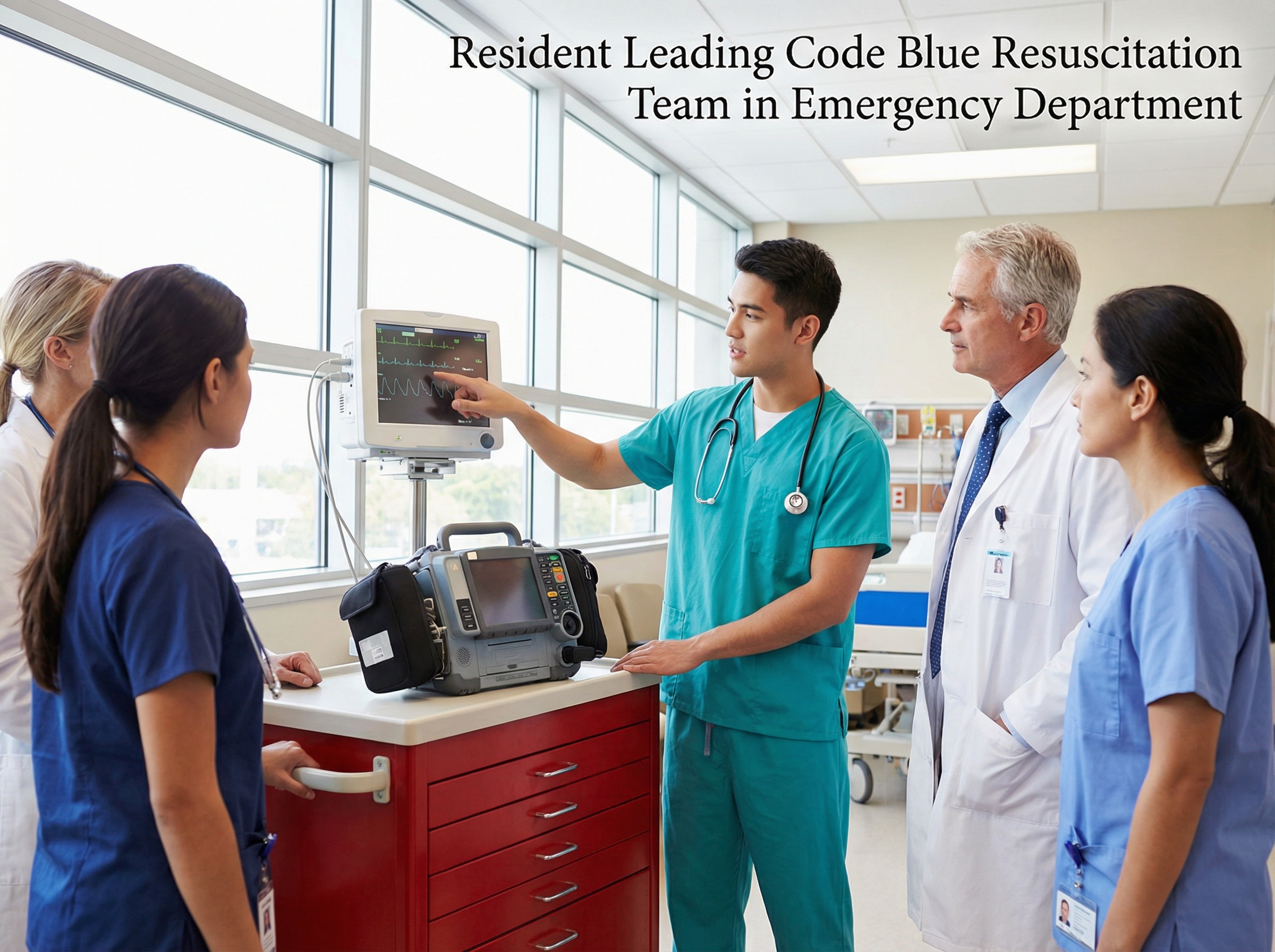
ACLS training also reduces the anxiety many students feel about emergency situations. Instead of fearing your first code, you approach it with systematic knowledge of what to expect and how to contribute. This mental preparedness allows you to focus on learning the nuances of team dynamics and clinical decision-making rather than struggling with basic protocol knowledge. The structured algorithms provide a cognitive framework that reduces the overwhelming nature of emergency scenarios, allowing you to think more clearly under pressure.
Research on simulation-based training demonstrates that structured ACLS education with deliberate practice significantly improves skill retention and transfer to clinical settings. Studies on mastery learning for ACLS skills show that residents who complete comprehensive simulation training demonstrate superior performance during actual cardiac arrests compared to those with traditional lecture-based preparation. For medical students, this means that investing in quality ACLS training before residency creates a foundation for excellence that persists throughout your career.
Medical students face unique scheduling challenges that make traditional in-person certification courses difficult to accommodate. Between lectures, labs, clinical rotations, studying for exams, and personal commitments, finding an eight-hour block for classroom-based ACLS training can be nearly impossible. Online ACLS certification through platforms like Affordable ACLS offers the flexibility to complete coursework during whatever time slots work for your schedule—early mornings before rounds, late evenings after studying, or weekends between rotation blocks.
The self-paced nature of online ACLS courses allows you to move quickly through familiar material while spending additional time on challenging concepts. If you're strong in pharmacology but need extra practice with rhythm interpretation, you can customize your learning experience accordingly. You can save your progress and return when you're mentally fresh rather than pushing through fatigue during a marathon classroom session. This individualized approach often leads to better comprehension and retention compared to one-size-fits-all classroom courses.
Financial constraints represent a significant concern for medical students managing substantial debt loads. Traditional in-person ACLS courses often cost $200-$300, representing a considerable expense for students on tight budgets. Affordable ACLS offers certification at $109 for initial ACLS certification and $99 for recertification, reducing the financial barrier while maintaining content quality based on current American Heart Association (AHA) and International Liaison Committee on Resuscitation (ILCOR) guidelines. The platform was created by Board Certified Emergency Medicine physicians specifically to provide affordable, accessible certification for healthcare professionals.
The ability to download and print your digital certificate immediately upon completion offers significant advantages when working within application deadlines or preparing for rotations with specific certification requirements. Traditional courses may require waiting days or weeks for physical cards to arrive by mail, potentially missing important deadlines. The streamlined online certification process removes this uncertainty, giving you immediate documentation of your qualification.
The option for unlimited retakes at no additional charge reduces the pressure and anxiety around certification exams. If you don't pass on the first attempt, you can review the material and try again without financial penalty. This approach aligns with mastery-based learning principles that emphasize achieving competency rather than testing within artificial time constraints. For medical students already managing exam stress across multiple subjects, this supportive approach to certification creates a more positive learning experience.
Successfully obtaining ACLS certification requires strategic preparation, particularly for medical students balancing multiple academic demands. Begin by reviewing cardiovascular anatomy and physiology, ensuring you have a solid foundation before diving into complex algorithms. Refresh your knowledge of ECG interpretation, focusing particularly on recognizing lethal rhythms like ventricular fibrillation, ventricular tachycardia, asystole, and pulseless electrical activity. Understanding the underlying cardiac pathophysiology makes the treatment algorithms more logical and memorable.
ACLS relies heavily on algorithmic decision-making, making flowchart memorization a critical component of preparation. Create or obtain visual aids for each major algorithm (cardiac arrest, bradycardia, tachycardia, acute coronary syndromes, stroke) and review them repeatedly until you can reproduce them from memory. Practice applying algorithms to case scenarios, working through the decision points systematically. The most effective study approaches combine visual learning, repetition, and active application to diverse clinical scenarios.
Develop a strong command of ACLS medications including mechanism of action, indications, dosages, and potential complications. Key drugs include epinephrine, amiodarone, adenosine, atropine, and various antiarrhythmics. Create flashcards or summary tables organizing medications by clinical scenario. Understanding not just what to give but why certain medications work for specific rhythms or conditions enhances your clinical reasoning and helps during both the certification exam and actual patient care.
Utilize practice questions and case-based scenarios extensively during your preparation. Many online resources offer ACLS practice exams that simulate the actual certification test format. Working through these questions helps you identify knowledge gaps and become comfortable with the testing style. Time yourself to ensure you can work efficiently under exam conditions. Review both correct and incorrect answers thoroughly, understanding the rationale behind each decision point.
Whenever possible, integrate ACLS preparation with your existing medical school coursework. During cardiovascular pathophysiology lectures, connect classroom concepts to ACLS algorithms. During pharmacology units, pay particular attention to emergency cardiovascular medications. This integration reinforces learning across both domains while maximizing your study efficiency—a critical consideration when managing the heavy workload of medical school.
ACLS certifications remain valid for two years from the date of issuance, requiring periodic recertification to maintain active status. Strategic timing of your initial certification ensures you remain certified throughout critical periods of your medical training. For example, obtaining certification during the summer before fourth year means your credential remains current throughout the application season, interview period, Match Day, and well into your intern year, avoiding the need to recertify during these particularly demanding times.
When recertification becomes necessary, online platforms significantly simplify the process. Affordable ACLS offers recertification courses at $99, providing a streamlined review of updated guidelines and assessment of continued competency. The recertification process typically requires less time than initial certification since you're refreshing existing knowledge rather than learning entirely new content. Planning recertification during lighter academic periods such as elective rotations or breaks ensures minimal disruption to your schedule.
Beyond maintaining certification status, actively seeking opportunities to apply and refine your ACLS skills throughout medical school ensures competency persists. Volunteer for simulation center sessions at your medical school, participate actively during code situations on rotations, and review algorithms periodically even when recertification isn't immediately required. This ongoing engagement transforms ACLS from a credential you obtained into a skill set you've truly mastered.
As you progress from medical student to resident to attending physician, ACLS certification evolves from an application enhancer to a professional requirement. Most hospital credentialing processes require current ACLS certification for physicians working in acute care settings. Establishing good habits around maintaining certification during medical school creates systems that serve you throughout your career. The progression from basic to advanced life support certifications represents a natural career development pathway that reflects your growing clinical capabilities and responsibilities.
For students pursuing emergency medicine, ACLS certification is essentially mandatory and should be obtained as early as feasible, ideally before clinical rotations begin. Emergency medicine residency programs expect applicants to have ACLS certification, and many competitive applicants also hold PALS and potentially additional certifications like Advanced Trauma Life Support (ATLS). Early certification allows you to maximize learning during emergency department rotations and demonstrate competence that strengthens your letters of recommendation from emergency medicine attendings.
Internal medicine applicants benefit significantly from ACLS certification, particularly those interested in subspecialties like cardiology, critical care, or hospital medicine. Since ABIM board certification requires ACLS competency, obtaining certification during medical school demonstrates foresight and preparation. Internal medicine rotations frequently involve managing unstable patients and participating in rapid response or code blue situations where ACLS knowledge proves immediately valuable.
Anesthesiology and surgery residencies highly value ACLS certification due to the perioperative emergencies these specialists manage. Anesthesiologists lead resuscitation efforts during cardiac arrests in operating rooms and procedural areas, making ACLS skills central to their practice. Surgical residents must recognize and initiate management of cardiovascular emergencies in postoperative patients. Early ACLS certification demonstrates understanding of these specialties' demands and prepares you for the acute situations you'll encounter during surgical rotations.
Even for specialties not primarily focused on acute care—such as psychiatry, dermatology, or radiology—ACLS certification offers value. Medical emergencies can occur in any clinical setting, and physicians in all specialties may encounter situations requiring emergency response. Additionally, ACLS certification during medical school demonstrates well-rounded clinical competency that program directors appreciate regardless of specialty. The skills and confidence developed through ACLS training transfer to various clinical contexts beyond cardiac arrest scenarios.
Many students wonder whether online ACLS certification will be accepted by residency programs and future employers. Reputable online certification platforms that base their content on current AHA and ILCOR guidelines are widely accepted across healthcare settings. Affordable ACLS offers a money-back guarantee if certification is not accepted by your employer, reflecting confidence in the credential's validity. The platform was developed by practicing Board Certified Emergency Medicine physicians, ensuring clinical accuracy and credibility.
A common concern involves the hands-on skills component of ACLS. While online courses provide comprehensive knowledge of algorithms and decision-making, students should seek opportunities to practice physical skills like chest compressions, defibrillation, and airway management. Most medical schools offer simulation labs where you can practice these psychomotor skills. The combination of online didactic learning and hands-on simulation practice provides comprehensive preparation equivalent to or exceeding traditional classroom courses.
Students frequently ask about the time required for ACLS certification. Online courses through Affordable ACLS typically require 1-2 hours to complete, significantly less than the 6-8 hours required for traditional classroom courses. The self-paced format allows you to spread this time across multiple sessions if needed, fitting study into your existing schedule. For first-time ACLS students, reviewing pharmacology and rhythm interpretation before beginning the course can streamline the certification process.
Given the financial pressures medical students face, investing in ACLS certification requires justification. Consider that most residency programs will eventually require certification anyway, with many providing it during orientation. However, obtaining certification early provides months or years of enhanced clinical performance, stronger rotation evaluations, improved residency applications, and reduced stress during the already overwhelming intern orientation period. The relatively modest cost ($109 for initial certification) represents excellent value when weighed against these benefits, particularly compared to traditional in-person courses costing two to three times as much.
Ready to pursue ACLS certification as part of your residency preparation strategy? Begin by assessing your current position in medical school and upcoming rotations. If you're a first or second-year student, ensure you have BLS certification first, then plan for ACLS before beginning clinical rotations. Third-year students should prioritize obtaining ACLS before emergency department, ICU, or cardiology rotations. Fourth-year students preparing residency applications should complete certification during the summer before application season to include credentials from the outset.
The enrollment process through Affordable ACLS is straightforward and can be completed in minutes. Visit www.affordableacls.com, select the ACLS certification course (or a bundle package if you need multiple certifications), complete the secure online registration, and gain immediate access to course materials. The platform is accessible from any device including phones, tablets, and computers, allowing you to study wherever and whenever convenient. You can save your progress and return as many times as needed until you feel prepared for the certification exam.
While completing your online ACLS course, supplement with additional resources to maximize learning. Review ACLS algorithms from the American Heart Association website, practice ECG rhythm interpretation using online tools or apps, and discuss algorithms with residents or attendings during clinical rotations. If your medical school offers ACLS simulation sessions, participate actively to practice hands-on skills and team-based resuscitation. This multi-modal approach ensures comprehensive competency beyond what any single course can provide.
After obtaining certification, update your CV immediately and ensure the credential appears in the awards and certifications section. When completing your ERAS application, list ACLS certification prominently with the date of certification and expiration date. During residency interviews, be prepared to discuss how ACLS training has influenced your clinical experiences and approach to patient care. Keep your digital certificate accessible for rotation requirements or residency program requests for documentation.
ACLS certification represents far more than another credential to list on your CV. It's a strategic investment in your clinical competency, your residency application strength, and your confidence as you transition from medical student to practicing physician. The knowledge and skills you gain provide immediate value during clinical rotations and long-term benefits throughout your career in medicine. Whether you're managing your first code as an intern or leading a resuscitation team as an attending, the foundation established through ACLS certification serves you at every stage.
While there's no single "perfect" time for every medical student to obtain ACLS certification, the evidence strongly supports earlier rather than later. The combination of enhanced clinical performance, stronger residency applications, increased confidence, and reduced stress during intern orientation creates compelling reasons to prioritize ACLS certification during medical school. With flexible online options that respect your demanding schedule and budget constraints, the barriers that once made early certification difficult have been largely eliminated.
As you plan your path toward Match Day success, consider ACLS certification as a foundational component of your preparation strategy. The investment of a few hours and modest financial cost yields returns that compound throughout your training and career. Take control of your professional development, demonstrate your commitment to clinical excellence, and position yourself as the well-prepared, competent candidate that residency programs seek. Your future patients—and your future self navigating the challenges of residency—will thank you for the foresight and initiative you demonstrate today.
.jpg)