Pediatric respiratory emergencies are one of the most common reasons families go to the emergency department. If you work in acute care settings, you'll see these cases often, and the stakes are high. Children can have conditions ranging from mild illnesses that get better on their own to life-threatening situations that need immediate action.
Managing Pediatric Respiratory Emergencies: Beyond the Basics requires you to move past standard protocols and develop a nuanced understanding of assessment and treatment strategies. The reality is stark: respiratory failure stands as a leading cause of pediatric cardiopulmonary arrest. When a child's breathing fails, you have a narrow window to prevent catastrophic outcomes.
The emergency department becomes a critical battleground where your clinical decisions directly impact survival rates. You need to recognize that basic interventions—while essential—often aren't enough. Children deteriorate faster than adults, their compensatory mechanisms can mask severity until sudden decompensation occurs, and their unique anatomy presents challenges you won't face with adult patients.
Prompt diagnosis separates successful outcomes from tragedy. You must identify the anatomical site of obstruction, understand the underlying pathophysiology, and implement targeted management strategies. This article will equip you with advanced clinical approaches that go beyond textbook basics, helping you navigate complex pediatric respiratory emergencies with confidence and precision.
In such scenarios, mastering post cardiac arrest algorithms becomes crucial as it equips healthcare professionals with life-saving skills for critical situations. Moreover, understanding the Pediatric Basic Life Support Algorithm, especially when two or more rescuers are available, can significantly improve outcomes during emergencies.
It's also essential to be prepared for various other emergencies that children may face, such as sudden cardiac arrest or severe allergic reactions. In these instances, having a PALS certification can provide you with the necessary skills to save lives.
For those looking to enhance their qualifications, pursuing an ACLS certification online is now more accessible than ever. With the right preparation and study strategies, success in these courses can be achieved by following some best study tips tailored for online learners.
In pediatric emergency settings, you'll encounter a range of respiratory conditions, each with its own challenges that require specific recognition patterns.
Asthma exacerbations are one of the most common presentations, especially in school-aged children who experience sudden bronchospasm and inflammation of the airways.
Croup usually affects toddlers between 6 months and 3 years old, causing a distinctive barking cough and inspiratory stridor that parents often describe as seal-like sounds.
Bronchiolitis primarily affects infants, particularly those under two years old, with respiratory syncytial virus (RSV) being the main cause during winter months.
Epiglottitis, although less common due to vaccination against Haemophilus influenzae type B, is still a critical diagnosis that requires immediate intervention for the airway.
Foreign body aspiration occurs suddenly during play or mealtimes, leading to acute difficulty in breathing without any preceding illness.
Pneumonia can vary in severity depending on the specific organism causing it.
Pertussis produces a characteristic whooping cough that can result in pauses in breathing (apnea) in young infants.
When assessing respiratory distress in children, look out for these key indicators:
Given the seriousness of these emergencies, it's vital for parents and caregivers to be well-prepared. Here are some effective ways to achieve this:

When you encounter a child with respiratory distress, your assessment needs to be both rapid and methodical. The respiratory assessment framework centers on three critical components that guide your clinical decision-making.
Breathing Effort represents your first evaluation point. You'll observe for tachypnea—respiratory rates exceeding normal age-specific values. Watch for retractions at the suprasternal notch, intercostal spaces, or subcostal regions. Accessory muscle use in the neck and shoulders signals increased work of breathing. Nasal flaring in infants provides another key indicator of respiratory compromise.
Breathing Efficacy tells you whether the child's efforts are producing adequate ventilation. Assess chest expansion symmetry and listen for air entry bilaterally. Diminished breath sounds or asymmetric chest movement warrant immediate attention. You're looking for the quality of air movement, not just the effort expended.
Oxygenation Status requires continuous oxygen saturation monitoring. Target SpO2 levels above 92-94% in most pediatric patients. You can't rely solely on pulse oximetry readings—clinical signs matter equally.
Critical warning signs demand your immediate recognition:
These red flags indicate the child has progressed beyond compensated respiratory distress into a dangerous territory requiring aggressive intervention.
In such scenarios, it may be necessary to consider advanced life support measures. For instance, understanding how to deal with ventricular fibrillation could be crucial if such a cardiac event occurs alongside respiratory distress.
Moreover, preparation is key when it comes to handling pediatric emergencies, which is why resources like PALS exam preparation can be invaluable for healthcare professionals.
For those balancing fitness with health profession responsibilities, it's essential to stay safe while working out ACLS. Understanding ACLS certification's importance can significantly enhance emergency response capabilities.
Additionally, comprehensive training in Basic Life Support (BLS) and Advanced Cardiovascular Life Support (ACLS) is available through platforms like Affordable ACLS and Affordable ACLS's ACLS courses. These courses provide essential life-saving skills tailored for healthcare professionals and first responders at affordable rates.
Asthma exacerbation management requires understanding the underlying mechanisms driving acute episodes in pediatric patients. In children aged 5–17 years, airway hyperresponsiveness triggers a series of events including bronchospasm, mucosal inflammation, and swelling that progressively narrow the airways. This inflammatory response leads to the characteristic wheezing, chest tightness, and difficulty breathing you observe during acute presentations.
The treatment plan follows a stepwise approach:
While this approach ensures you're addressing both immediate bronchospasm and underlying inflammation simultaneously, it's crucial to remember that these situations can be life-threatening. Therefore, having up-to-date training in Advanced Cardiovascular Life Support (ACLS) is essential for healthcare providers.
In today's digital age, the availability of online BLS courses offers flexibility for healthcare professionals to enhance their skills at their own pace. Furthermore, innovative methods such as Virtual Reality are transforming ACLS skills training by providing realistic simulations and immediate feedback which significantly improve skill retention.
Croup management begins with understanding the viral cause behind this condition. Parainfluenza viruses account for most cases, causing inflammation and swelling in the subglottic area of the upper airway. This narrowing of the airway leads to the distinctive barking cough and wheezing sound you'll easily recognize in toddlers aged 6–36 months.
The key to effectively managing croup is administering corticosteroids. There are several ways you can give corticosteroids, each with its own benefits:
The anti-inflammatory effects of corticosteroids usually start working within 2–4 hours, reducing swelling in the airway and improving wheezing severity. It's important to give corticosteroids even for mild cases, as studies show they can shorten symptom duration and decrease the need for additional treatments.
In some cases, managing a child's difficulty breathing may require more advanced intervention strategies similar to those used in adult emergencies, such as navigating adult bradycardia with a pulse. The principles learned from these critical care situations can sometimes provide helpful insights in pediatric cases.
Nebulized epinephrine (racemic or L-epinephrine) becomes your second-line treatment for moderate to severe croup with significant respiratory distress. The α-adrenergic vasoconstriction effect provides quick but temporary relief—usually lasting about 2 hours—making it crucial to observe the patient after giving this medication. You should never send a patient home right after receiving epinephrine treatment without properly monitoring them for any return of symptoms.
If you're part of a larger medical group that shares resources, don't forget to check the group registration key redemption process for accessing important shared materials or courses that could further improve your clinical skills and knowledge base.
For an in-depth understanding of the role of corticosteroids in managing croup, you may find this article useful. Additionally, exploring this comprehensive review on viral croup could offer valuable insights into its management strategies.
Bronchiolitis management centers on understanding that this condition predominantly affects infants between 2 months and 2 years of age. Respiratory syncytial virus (RSV) accounts for the majority of cases, though other viral pathogens can trigger similar clinical presentations. You'll recognize these infants by their characteristic presentation: low-grade fever, nasal discharge, dry wheezy cough, and the telltale combination of inspiratory crackles with expiratory wheeze.
The cornerstone of effective bronchiolitis management remains supportive care. You need to focus your attention on two critical areas:
You should avoid routine use of bronchodilators, corticosteroids, or antibiotics in bronchiolitis management—these interventions lack evidence of benefit in this viral condition. Instead, your clinical judgment should guide decisions about nasal suctioning frequency and positioning strategies that optimize breathing comfort. Infants with significant respiratory distress, apnea episodes, or inadequate oral intake require hospital admission for continuous monitoring and supportive interventions.
In such critical scenarios, having advanced training can be invaluable. This is where the benefits of ACLS and BLS certification for primary care physicians come into play. These certifications equip healthcare providers with essential skills needed to manage life-threatening situations effectively, thus enhancing patient care quality during emergencies like severe bronchiolitis episodes.
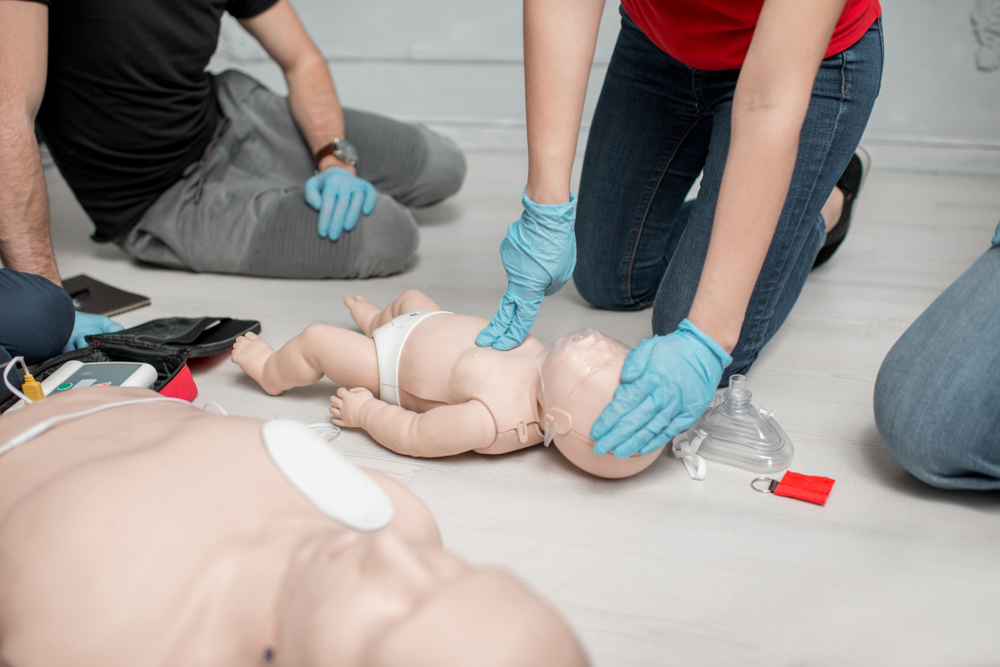
Airway maintenance pediatric ventilation is the most important part of treating serious breathing emergencies. You must prioritize the ABCs—airway, breathing, and circulation—with immediate focus on making sure the airway is clear. This means having your intubation equipment ready and knowing when to escalate care. In children who are about to experience respiratory failure, you'll notice signs like severe retractions, decreased level of consciousness, or inability to speak in full sentences.
In such critical situations, it's crucial for pediatric healthcare providers to be well-versed in Basic Life Support (BLS) and Advanced Cardiovascular Life Support (ACLS) techniques. These skills can significantly enhance their readiness to respond effectively during medical emergencies.
Hypoxia correction requires a systematic approach:
NIPPV has transformed pediatric emergency care by preventing intubation in many cases. You can use continuous positive airway pressure (CPAP) or bilevel positive airway pressure (BiPAP) to improve oxygenation while reducing work of breathing. These interventions work particularly well in cooperative children over 2-3 years old.
While correcting hypoxia, you must simultaneously address the underlying pathology. Administer bronchodilators for asthma, corticosteroids for croup, or antibiotics for bacterial pneumonia—treating the cause prevents recurrent decompensation after initial stabilization.
It's also essential to understand the differences between Pediatric Advanced Life Support (PALS) and ACLS, as these distinctions can guide treatment approaches in different scenarios.
Early diagnosis and prompt intervention dramatically improve prognosis in pediatric respiratory emergencies. However, managing these critical situations extends far beyond basic protocols—it demands continuous learning and systematic refinement of your clinical approach.
Access to specialist support and pediatric intensive care resources can make the difference between routine recovery and catastrophic outcomes. Enrolling in an online PALS course through platforms like Affordable ACLS can significantly enhance your skills, ensuring you're fully equipped to handle any situation that arises.
Your commitment to staying current with evidence-based practices directly impacts survival rates and long-term outcomes for your young patients. The landscape of emergency management continues evolving, with advancements such as AI transforming emergency cardiac care, improving diagnosis, treatment precision, and patient outcomes through advanced data analysis and real-time decision support.
You should actively seek opportunities for simulation training, case reviews, and protocol updates. Your dedication to mastering these advanced strategies ensures you're prepared when seconds count and a child's life hangs in the balance. Remember, every moment counts in these situations, as highlighted by real-life success stories that showcase the life-saving impact of advanced cardiac care.
Lastly, consider exploring how digital health and ACLS apps are enhancing emergency preparedness and education, providing valuable resources at your fingertips.
.jpg)