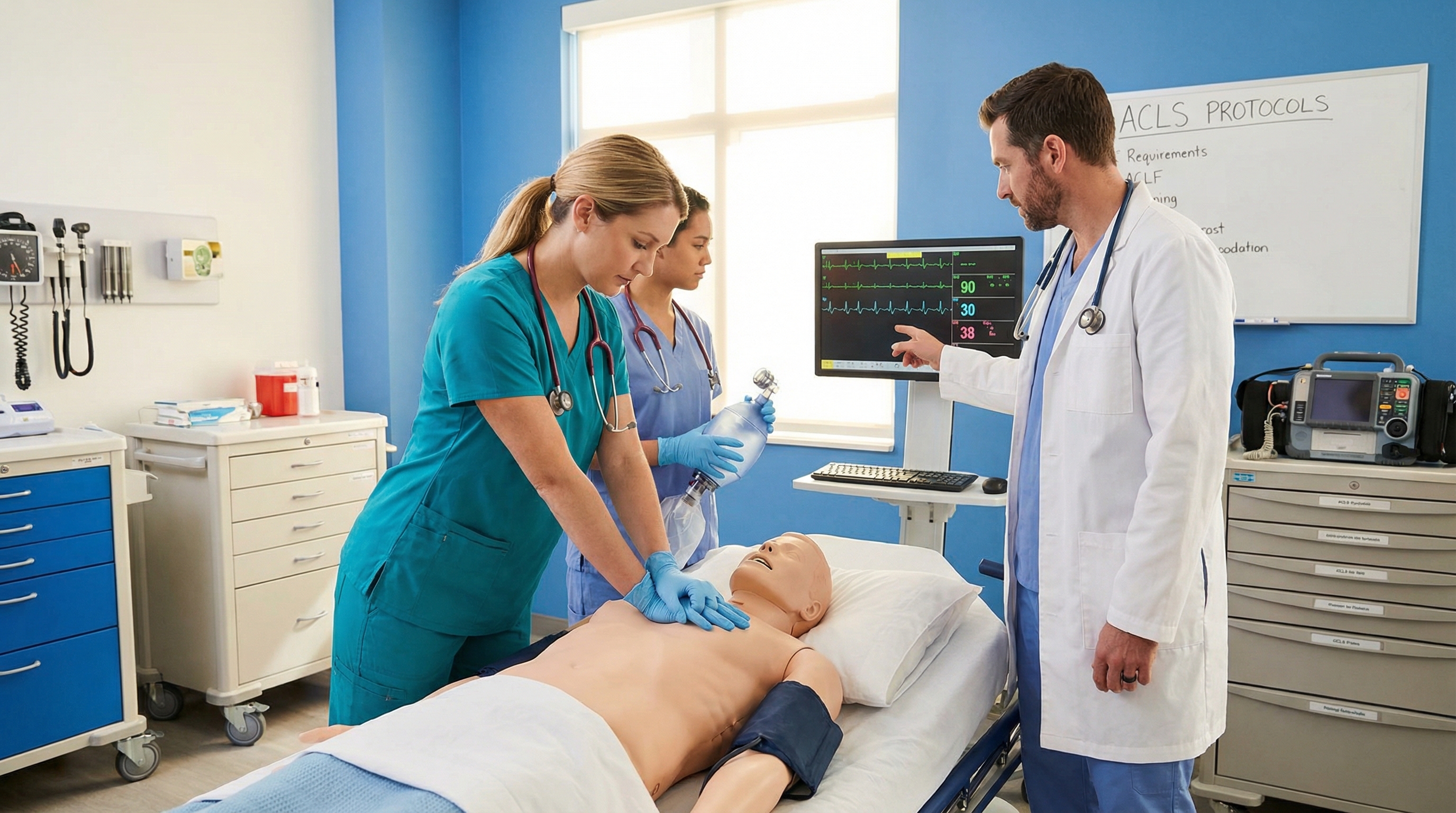
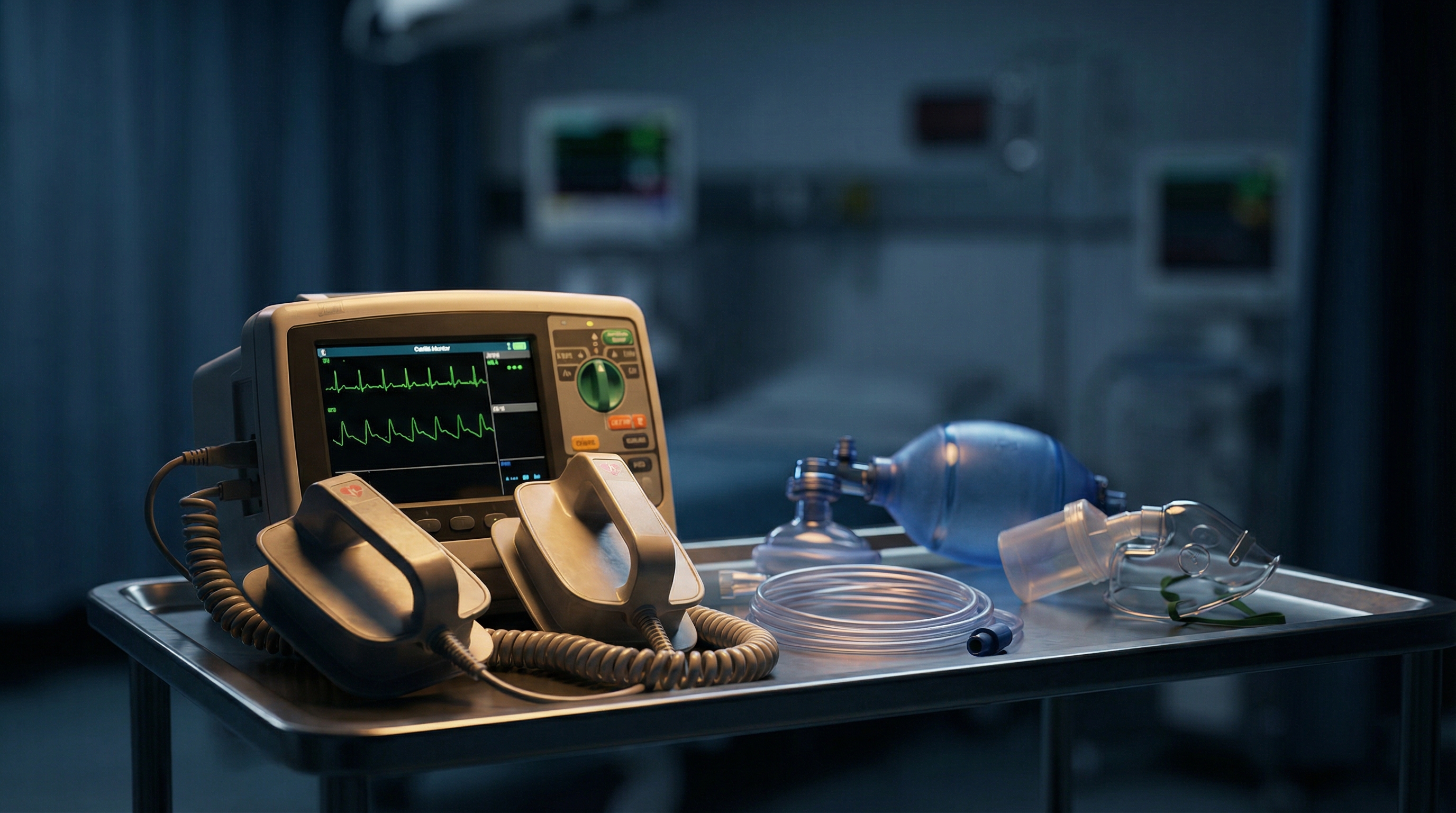
Advanced Cardiovascular Life Support (ACLS) certification is an essential credential for healthcare professionals who respond to cardiovascular emergencies. This certification, whether obtained by a nurse, physician, paramedic, or respiratory therapist, validates the ability to handle life-threatening situations with confidence and competence.
Choosing the right ACLS provider for your certification needs can feel overwhelming. With countless options offering different formats, pricing structures, and promises, it's crucial to evaluate the essential factors when selecting an ACLS certification program that aligns with your professional requirements and learning style.
ACLS training equips you with advanced interventions for managing cardiac arrest, stroke, and other cardiovascular emergencies. The curriculum covers:
In addition to these core areas, it's important to note that ACLS training also includes specialized topics such as dealing with ventricular fibrillation in outpatient settings, which can be crucial for certain healthcare providers.
Moreover, the skills acquired through ACLS training are not limited to adults. For instance, Community PALS workshops empower parents with knowledge and skills to manage pediatric emergencies effectively.
You deserve a provider that delivers quality education while respecting your time and budget constraints. It's also worth noting the significant impact of ACLS training through real-life success stories that highlight the life-saving impact of advanced cardiac care.
Finally, understanding specific algorithms such as the Adult Bradycardia with a Pulse can further enhance your skill set in managing critical situations. The benefits of obtaining both ACLS and BLS certification extend beyond emergency situations into primary care as well, making it a worthwhile investment for any healthcare professional.
ACLS certification is a specialized credential designed for healthcare professionals who respond to cardiovascular emergencies. You'll need this certification if you work as a physician, nurse, paramedic, respiratory therapist, or any role where you might encounter patients experiencing cardiac arrest, stroke, or other life-threatening cardiovascular events.
The certification equips you with critical skills to manage airways, initiate IV access, read and interpret electrocardiograms, and understand emergency pharmacology. You'll learn systematic approaches to assess and stabilize patients during the first critical minutes of a cardiac emergency—when your actions directly impact survival rates.
Healthcare certification standards require ACLS for many positions, and obtaining a recognized credential opens doors to:
Employers actively seek candidates with current ACLS credentials, viewing them as indicators of commitment to excellence and patient safety.
In addition to the standard ACLS training, there are various specialized areas that one might consider. For instance, understanding the Post Cardiac Arrest Algorithm can significantly enhance your ability to manage patients post-cardiac arrest.
Moreover, if your role involves working with children, obtaining a PALS certification could be invaluable. This certification not only covers cardiac emergencies but also equips you with skills to handle situations like recognizing common household hazards and emergency response for accidents.
It's also worth noting that the landscape of emergency cardiac care is evolving. The impact of AI on emergency cardiac care is profound as it improves diagnosis, treatment precision, and patient outcomes through advanced data analysis and real-time decision support.
Lastly, understanding the PALS primary and secondary surveys can provide crucial insights for those regularly working with kids. These surveys are essential in scenarios where children experience sudden health crises such as cardiac arrest or severe allergic reactions.

AHA accreditation serves as the gold standard for ACLS certification in healthcare. When you choose a provider without proper accreditation, you risk investing time and money into a certificate that hospitals and medical facilities won't accept. I've seen colleagues complete courses through non-accredited providers only to discover their employers required them to retake the entire certification through recognized ACLS providers.
The American Heart Association's stamp of approval carries significant weight in healthcare settings. Most hospitals, emergency departments, and medical facilities specifically require AHA-certified ACLS credentials as a condition of employment. This requirement exists because AHA courses follow evidence-based guidelines and maintain rigorous quality standards.
Verifying provider accreditation takes just a few minutes but saves you from potential headaches:
In addition to traditional ACLS courses, advancements in technology have led to the emergence of digital health platforms that offer ACLS apps, enhancing emergency preparedness and education. However, it's crucial to ensure these platforms are accredited by recognized bodies like the AHA.
While some may consider online courses as an alternative to live classes, it's essential to weigh the pros and cons. For instance, online BLS courses can provide flexibility but may lack the hands-on experience offered by live AHA classes.
Moreover, BLS algorithms are fundamental to understanding basic life support procedures, which is a vital part of both BLS and ACLS training.
If you're preparing for further certifications such as PALS, it’s important to have a solid study plan. You can find helpful resources for preparing for your PALS exam that can guide you through this process.
Certification credibility directly impacts your professional standing. Employers immediately recognize legitimate AHA certifications, while questionable credentials raise red flags during hiring processes or credential verification. Always remember to utilize resources like Affordable ACLS for key redemption and other important processes related to your certification.
When exploring how to choose the right ACLS provider for your certification needs, understanding the available course formats is essential. You'll encounter three primary options:
Online ACLS courses deliver complete flexibility, allowing you to study at your own pace from any location. You can pause, rewind, and review content as needed—perfect if you're juggling irregular shifts or family commitments.
The downside? You'll need strong self-discipline, and hands-on skills practice may be limited to a separate skills session.
To excel in these online courses, consider implementing some of these best study tips tailored specifically for online course takers.
In-person ACLS training provides immediate instructor feedback and real-time practice with medical equipment. You'll benefit from collaborative learning with peers and direct answers to your questions.
However, you're locked into specific dates and times, which can be challenging for busy healthcare professionals.
Blended learning ACLS combines both worlds—you complete theoretical components online, then attend a condensed in-person session for skills verification. This format reduces classroom time while maintaining hands-on practice quality.
Your choice depends on your learning style: visual learners often thrive with online videos, while kinesthetic learners prefer hands-on practice. Consider your schedule constraints and whether you need structured deadlines or prefer self-paced progression.
For those fitness enthusiasts who are also considering ACLS certification, it's crucial to remember the importance of staying safe while working out with the knowledge gained from these courses.
The quality of your ACLS training depends heavily on who's teaching it. Certified ACLS instructors bring more than just knowledge—they provide the practical expertise you need to handle real-life emergency situations with confidence.
When evaluating instructor qualifications, you want to verify that your instructors hold current ACLS provider and instructor certifications. The best instructors maintain active clinical practice in emergency or critical care settings, giving them firsthand experience with the scenarios they're teaching. I've seen the difference between learning from someone who teaches ACLS as a side job versus an emergency department nurse or paramedic who applies these skills daily.
Effective teaching in ACLS requires more than technical knowledge. Look for providers whose instructors have:
Qualified instructors adapt their teaching methods to different learning styles, provide clear demonstrations during hands-on practice, and create a supportive environment where you feel comfortable asking questions. They recognize when students need additional guidance and offer constructive feedback that builds your competence rather than just pointing out mistakes.
Additionally, some providers offer the option to bundle ACLS and PALS certifications, which can be a valuable opportunity for those looking to expand their skill set in pediatric advanced life support alongside adult advanced life support.
The quality of your ACLS training depends heavily on whether the course content reflects the most updated ACLS guidelines. Medical protocols evolve as new research emerges, and you need a provider that stays current with these changes. A course teaching outdated techniques could leave you unprepared for real-world emergencies.
When evaluating providers, examine what course materials they include in their program:

These resources serve different learning styles and reinforce critical concepts through repetition. You'll find that comprehensive materials allow you to study at your own pace and revisit challenging topics. Providers offering practice exams give you a significant advantage—you can identify knowledge gaps before taking the actual test, reducing anxiety and improving your chances of passing on the first attempt.
When evaluating How to Choose the Right ACLS Provider for Your Certification Needs, it's crucial to consider the safety nets each provider offers. A pass guarantee ACLS course demonstrates a provider's confidence in their training quality—these policies typically allow you to retake the exam at no additional cost if you don't pass on your first attempt.
However, it's not just about passing the exam. The remediation support offered by providers can be a game changer. Look for programs that offer:
The exam retake policy varies significantly between providers. Some offer unlimited retakes within a specific timeframe, while others limit you to one or two attempts. You'll want clarity on these terms before enrolling.
These support services directly impact your success rate and reduce test anxiety. Knowing you have backup resources available creates a learning environment where you can focus on mastering the material rather than worrying about potential failure. Providers offering comprehensive student support typically report higher first-time pass rates among their students.
It is also important to consider the specific training needs based on your field. For example, if you work in a dental practice, having staff trained in both Basic Life Support (BLS) and Advanced Cardiovascular Life Support (ACLS) can improve the team's preparedness to respond effectively during medical emergencies that patients may experience due to anxiety or underlying health issues.
Furthermore, if you are dealing with pediatric patients, it is crucial to understand the [Pediatric Basic Life Support Algorithm](https://affordableacls.com/pediatric-basic-life-support-algorithm-2-rescuers-2) with two rescuers. This algorithm forms the basis for pediatric BLS when more than one rescuer is present and includes important elements such as ensuring scene safety, performing chest compressions and rescue breaths, using an Automated External Defibrillator (AED), and activating the Emergency Medical Services (EMS) system.
Finally, if you are unsure whether to pursue Pediatric Advanced Life Support (PALS) or continue with ACLS, it is essential to grasp the differences between PALS and ACLS. Each has its specific uses that cater to different patient groups and medical scenarios.
ACLS course cost comparison shows that there can be a big difference in prices between different providers, usually between $150 and $400. It's important to look at what is included in the price—some providers include course materials, certification cards, and unlimited exam attempts in their package, while others charge extra for these things.
When you're looking for flexible scheduling courses, you'll see that well-known providers offer several options:
The cheapest option isn't always the best value. I've seen healthcare professionals choose budget providers only to face hidden fees for study materials or recertification attempts. You want clear pricing that explains what you're paying for upfront.
Your work schedule is just as important as cost. If you have rotating shifts or on-call schedules, it becomes worthwhile to invest in providers who offer immediate course access and flexible completion deadlines. Being able to pause and resume training around your clinical responsibilities can make a big difference in finishing your certification on time or missing important deadlines.
ACLS provider reviews serve as your window into real student experiences. You'll find authentic student testimonials on independent platforms like Google Reviews, Trustpilot, and healthcare professional forums where people share unfiltered opinions. Social media groups for nurses and emergency medical professionals often contain candid discussions about different providers.
When evaluating course reputation, look for specific details in reviews rather than generic praise. Students who mention instructor responsiveness, clear explanations of complex algorithms, or helpful practice scenarios provide more valuable insights than those simply stating "great course." Red flags include complaints about outdated materials, unresponsive customer service, or technical issues with online platforms that went unresolved.
Pay attention to how providers respond to negative feedback. A reputable organization addresses concerns professionally and offers solutions. You want to see consistent patterns across multiple reviews—a single negative experience might be an outlier, but repeated complaints about the same issue indicate systemic problems. Check the provider's Better Business Bureau rating and accreditation status to verify their standing in the professional community.
Your ACLS certification validity period typically lasts two years from the date of completion. Understanding the recertification process before your credentials expire prevents gaps in your professional qualifications that could affect your employment status.
The renewal requirements involve completing a recertification course, which is shorter than the initial certification program. You'll review essential algorithms, practice scenarios, and demonstrate competency through written and practical assessments. Most providers allow you to begin the recertification process up to six months before your expiration date.
When choosing the right ACLS provider for your certification needs, consider getting your ACLS certification online for convenience. It's also important to ask about their renewal process specifics:
Setting calendar reminders 90 days before expiration gives you adequate time to schedule and complete the recertification process. Some healthcare facilities require valid credentials at all times, making proactive planning essential for uninterrupted practice privileges.
In addition to ACLS, you might also want to consider obtaining a BLS certification which can boost safety, credibility, and teamwork among healthcare professionals or even electrical contractors. There are convenient ways to get your BLS certification with affordable options available for training or renewal online today!
Choosing the right ACLS provider requires careful attention to multiple factors that directly impact your certification experience and career advancement. You've explored accreditation standards, course formats, instructor qualifications, and support services—each element plays a crucial role in your success.
Take time to assess your specific needs:
Effective ACLS training selection isn't about finding the cheapest or fastest option. You deserve a provider that offers current content, responsive support, and certification that employers respect. Your investment in how to choose the right ACLS provider for your certification needs shapes your ability to respond confidently in critical cardiovascular emergencies.
Start your evaluation today—your patients and your career will benefit from this informed decision.
.jpg)