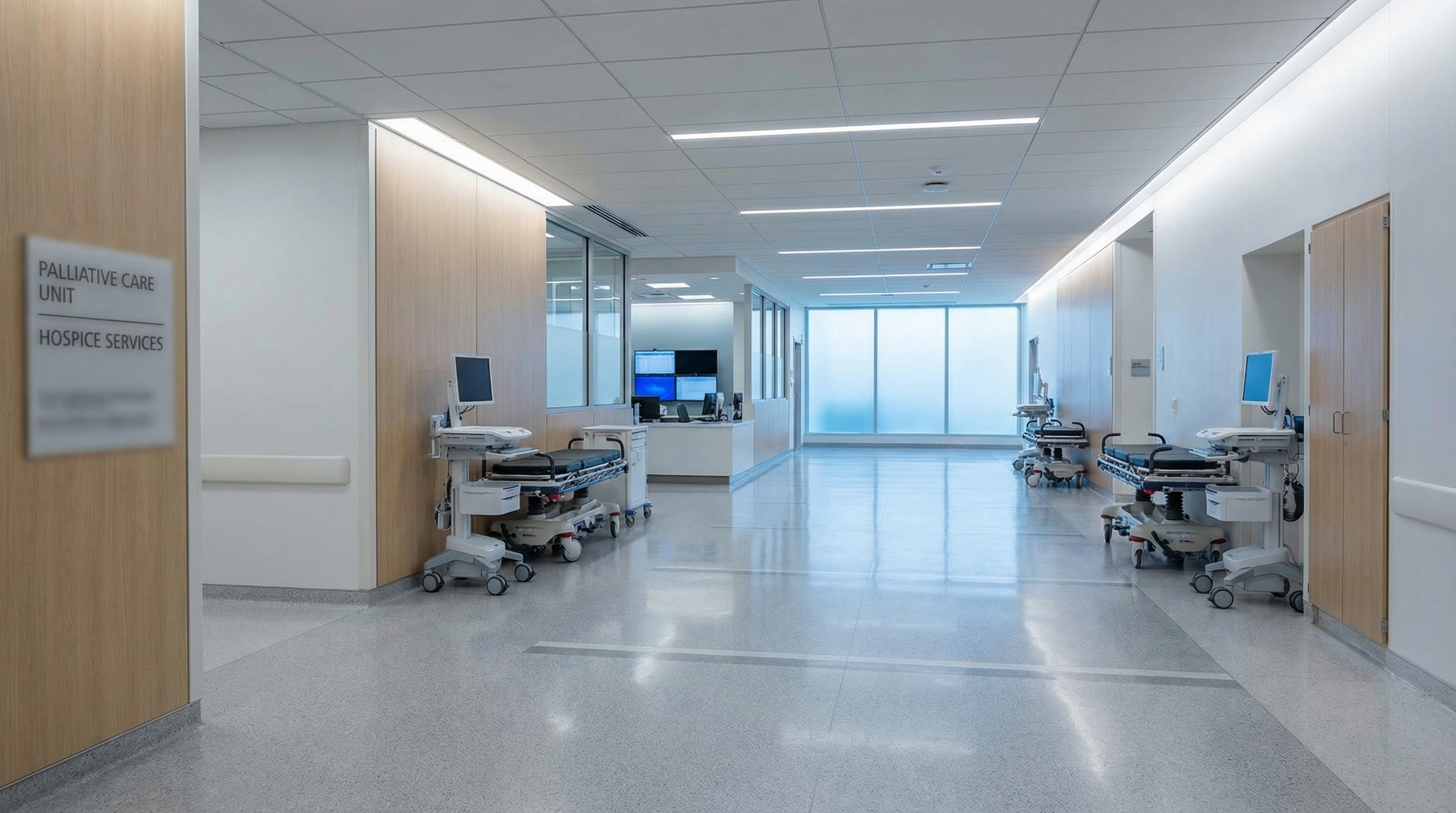
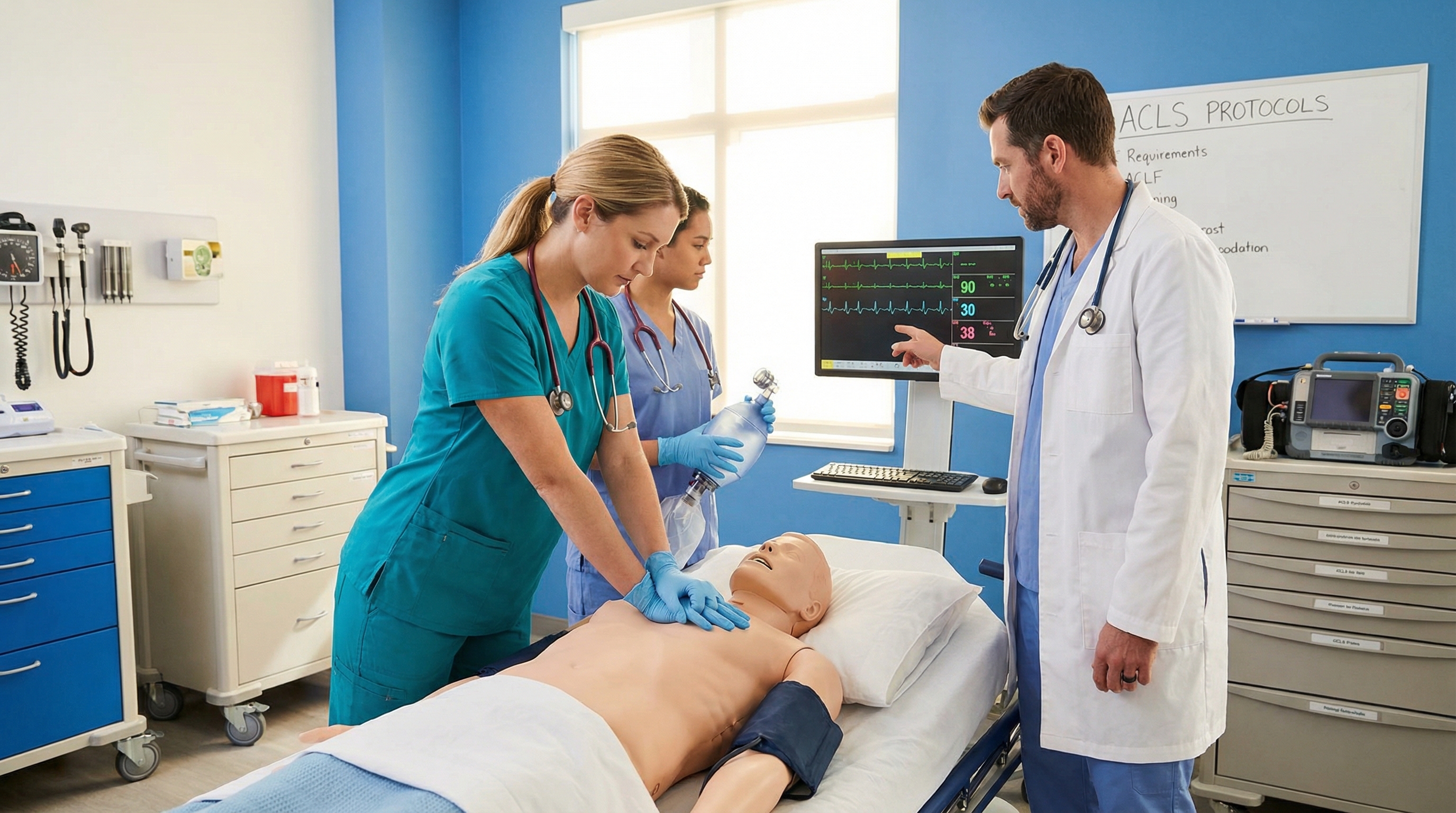
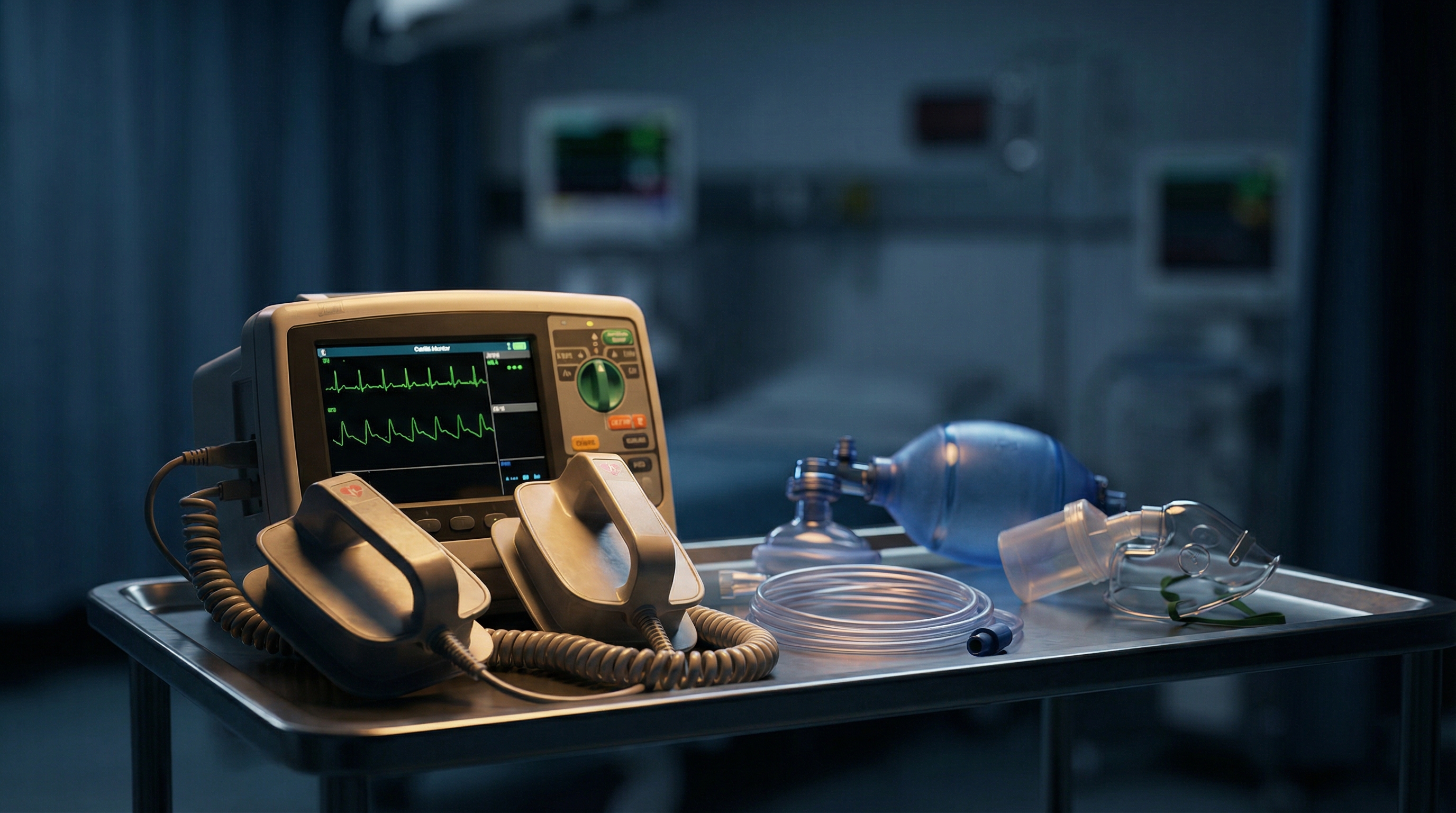
When you think about hospice and palliative care, the first image that comes to mind probably isn't chest compressions or defibrillation. After all, these specialized care settings are designed to provide comfort and dignity to patients facing terminal illness, not aggressive resuscitation. Yet, healthcare professionals working in hospice and palliative care environments are frequently required to maintain Basic Life Support (BLS) certification. This apparent contradiction raises important questions: Why do end-of-life care providers need BLS training? How do you reconcile life-saving interventions with comfort-focused care philosophies? And what does effective BLS training look like when your patient population has largely chosen to forgo resuscitation?
The answer lies in understanding that hospice and palliative care are far more nuanced than many realize. While the focus is undeniably on comfort and quality of life rather than curative treatment, these care settings serve diverse patient populations with varying goals of care. Not every patient in palliative care has a Do Not Resuscitate (DNR) order, and even in hospice settings, medical emergencies requiring immediate assessment and intervention can occur among staff, visitors, or patients with changing care directives. Additionally, many healthcare professionals in these specialties work across multiple care environments, making BLS certification both a professional requirement and an ethical necessity.
According to StatPearls research on end-of-life care, approximately twenty million people worldwide need some form of end-of-life care, with seven thousand people dying every day in the United States alone. As this patient population grows, the demand for skilled hospice and palliative care professionals continues to rise. Understanding the role of BLS certification in this specialized field is essential for anyone pursuing a career in compassionate end-of-life care.
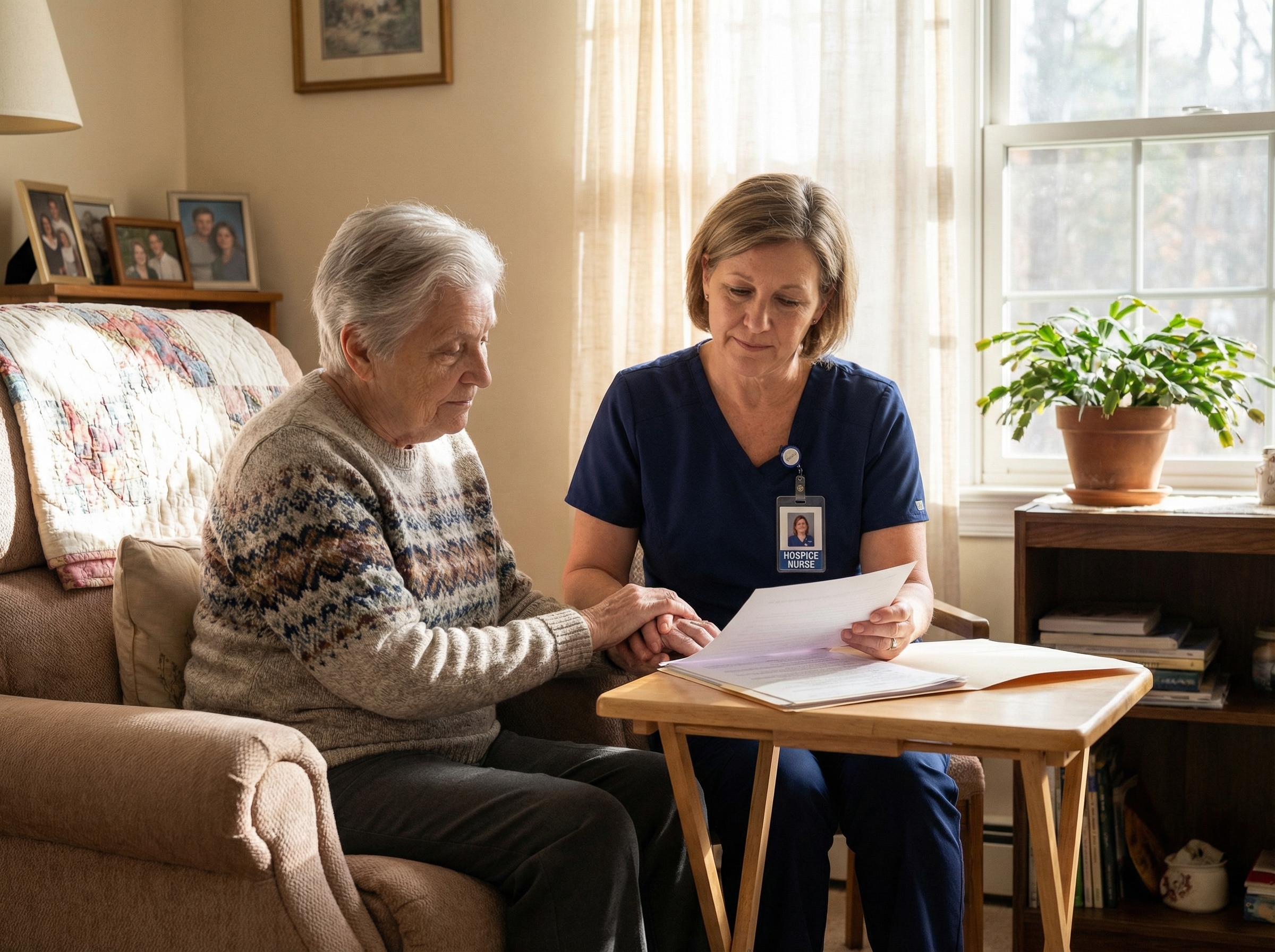
Before diving into BLS training requirements, it's crucial to understand what hospice and palliative care actually entail, as these terms are often used interchangeably but represent distinct approaches to patient care. Palliative care is specialized medical care focused on providing relief from symptoms and stress associated with serious illness, regardless of diagnosis or stage of disease. The goal is to improve quality of life for both the patient and their family. Importantly, palliative care can be provided alongside curative treatment and is appropriate at any stage of a serious illness.
Hospice care, on the other hand, is a specific type of palliative care designed for patients who are nearing the end of life, typically when a physician has determined that the patient has six months or less to live if the disease follows its natural course. According to the March 2025 MedPAC Report to Congress, nearly 1.6 million Medicare beneficiaries received hospice care in 2024, representing a 4% increase from the prior year. Hospice care focuses exclusively on comfort rather than cure, with the patient choosing to discontinue treatments aimed at curing or slowing the disease progression.
The distinction matters significantly when discussing BLS certification requirements. In palliative care settings, patients may still be receiving curative treatments, participating in clinical trials, or pursuing aggressive symptom management that could include interventions typically associated with acute care. These patients may not have DNR orders in place, and medical emergencies requiring immediate intervention can and do occur. In hospice settings, while the focus is on comfort care and most patients have advance directives limiting resuscitation, healthcare providers still need the knowledge and skills to assess emergencies, recognize complications, and make informed decisions about appropriate interventions within the scope of each patient's care plan.
The requirement for BLS certification in hospice and palliative care settings stems from several important factors that extend beyond the stereotypical image of these environments. First and foremost, regulatory and accreditation requirements often mandate that healthcare facilities maintain a certain percentage of BLS-certified staff, regardless of the facility's specialty focus. State licensing boards, The Joint Commission, and other regulatory bodies establish these requirements to ensure patient safety across all healthcare settings.
Additionally, the patient populations served by hospice and palliative care programs are more diverse than many realize. Not all palliative care patients have terminal diagnoses or DNR orders. According to the Center to Advance Palliative Care, palliative care can begin at diagnosis and be provided alongside curative treatment for serious illnesses including cancer, heart disease, lung disease, kidney failure, Alzheimer's disease, and many others. Patients in these programs may experience acute medical crises that require immediate assessment and potentially life-saving intervention, depending on their individual goals of care.
Even in dedicated hospice settings where comfort care is the primary goal, BLS skills remain relevant. Medical emergencies can affect family members, visitors, or staff members present in the facility. A family member experiencing a cardiac arrest while visiting their loved one, or a staff member choking in the break room, requires immediate BLS intervention. Healthcare professionals have both a legal and ethical duty to provide emergency care in these situations, making BLS certification essential regardless of the patient population they typically serve.
Furthermore, many healthcare professionals working in hospice and palliative care settings also work in other healthcare environments or may transition between specialties throughout their careers. Maintaining current BLS certification ensures career mobility and keeps critical emergency response skills sharp, even if they're not frequently deployed in the end-of-life care setting. For nurses, physicians, and other healthcare providers, BLS certification is often a fundamental credential required for licensure maintenance and employment eligibility across multiple healthcare sectors. To understand the comprehensive benefits of maintaining this certification, review this guide on top benefits of taking a BLS training course for healthcare professionals.
One of the most challenging aspects of BLS training for hospice and palliative care professionals is reconciling resuscitation protocols with patient autonomy and advance directives, particularly Do Not Resuscitate (DNR) orders. This intersection of emergency response training and respect for end-of-life wishes requires careful consideration and clear understanding of both legal obligations and ethical responsibilities.
A DNR order is a legal document that instructs healthcare providers not to perform cardiopulmonary resuscitation (CPR) if a patient's heart stops beating or they stop breathing. However, research on perioperative DNR orders published in PubMed reveals significant knowledge gaps among healthcare providers, with many demonstrating lack of familiarity with professional guidelines when caring for patients with DNR orders. It's crucial to understand that a DNR order does not alter or change medical practices for any illness or injury before cardiac arrest occurs. Patients with DNR orders still receive full medical care, diagnostic testing, interventions, and treatments for their conditions—the DNR directive only applies to the specific circumstance of cardiopulmonary arrest.
This is where comprehensive BLS training becomes particularly valuable for hospice and palliative care professionals. Quality BLS courses include education on recognizing and respecting DNR orders, understanding the legal requirements for DNR documentation, and knowing how to proceed when DNR status is unclear or not immediately verifiable. According to best practice guidelines, it is mandatory for a DNR order to be physically present and accessible during a cardiac arrest or at the time of death. In cases where a DNR order is not readily available or there is uncertainty, healthcare providers have a duty of care to initiate resuscitation while clarification is sought.
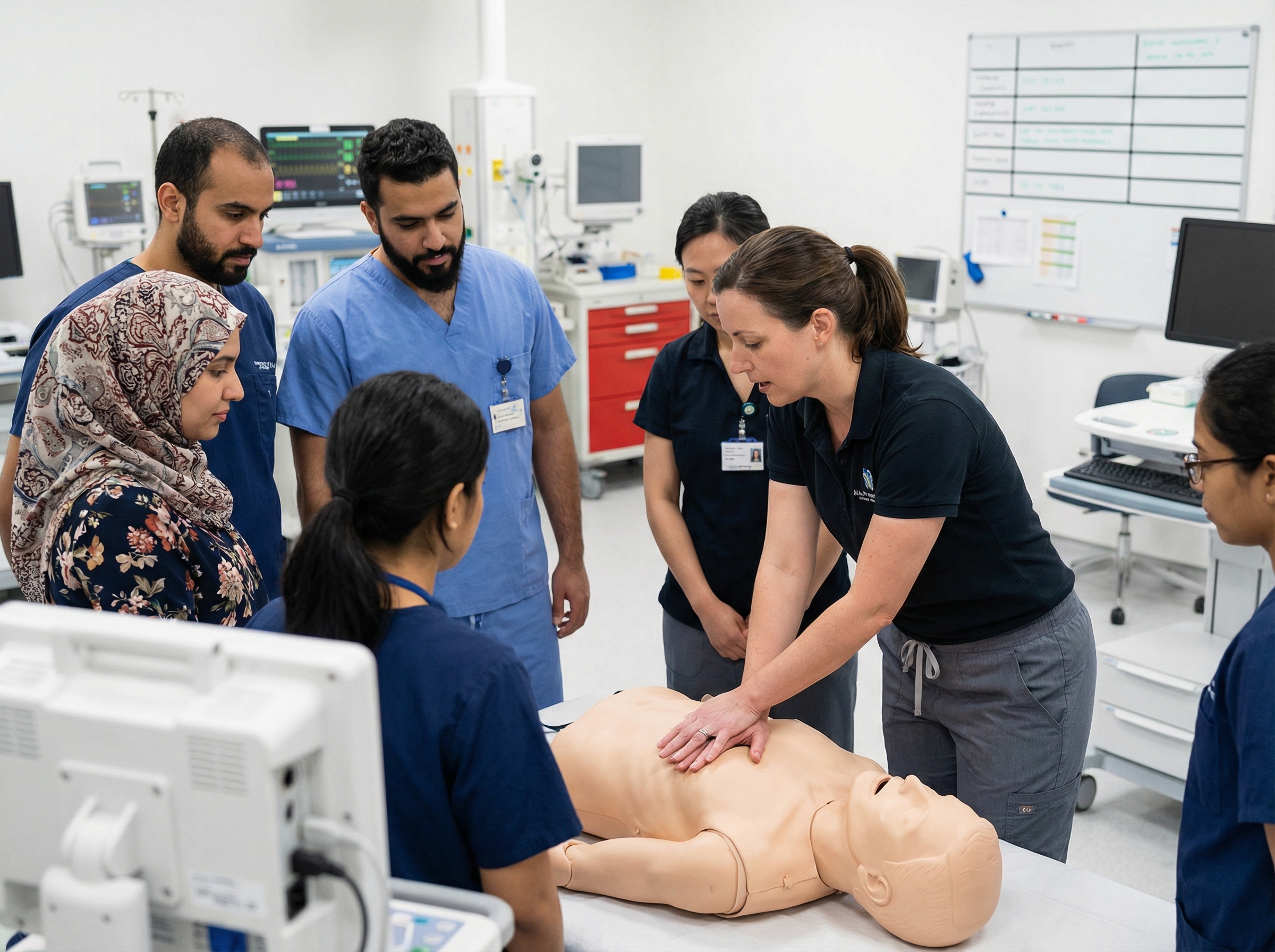
For professionals working in hospice and palliative care, BLS training provides essential skills for emergency assessment that are valuable even when resuscitation is not the intended outcome. Recognizing the signs of cardiac arrest, respiratory distress, or choking allows providers to quickly assess the situation, verify the patient's code status, and communicate effectively with family members and other healthcare team members about appropriate next steps. These assessment skills are integral to providing dignified, patient-centered care that honors individual wishes while ensuring that appropriate medical responses are available when they align with patient goals.
Nurses comprise the largest segment of the hospice and palliative care workforce, and their certification requirements reflect the complex demands of the specialty. While specialty certifications like the Certified Hospice and Palliative Nurse (CHPN) credential demonstrate expertise in end-of-life care, BLS certification remains a foundational requirement across most healthcare employment settings.
According to the Hospice and Palliative Credentialing Center, registered nurses pursuing CHPN certification must have hospice and palliative nursing practice of 500 hours in the most recent 12 months or 1,000 hours in the most recent 24 months prior to applying for the examination. This specialized certification validates expertise in pain and symptom management, communication about serious illness, care coordination, and supporting patients and families through the dying process. However, CHPN certification does not replace the need for BLS certification—rather, it complements it.
Most hospice and palliative care employers require BLS certification as a condition of employment for nursing staff, regardless of specialty certification. This requirement recognizes that nurses in these settings may encounter situations requiring immediate intervention, may work across multiple care environments, and need to maintain core competencies in emergency response. For nurses transitioning into hospice and palliative care from acute care settings, maintaining BLS certification also facilitates career flexibility and ensures they can move between specialties as their career goals evolve.
The good news for busy hospice and palliative care nurses is that BLS certification can now be completed conveniently online through reputable providers. Online BLS certification offers the flexibility to complete training on your own schedule, review materials as needed, and maintain certification without taking time away from patient care responsibilities. For comprehensive preparation, consult this ultimate BLS certification exam preparation guide that covers everything you need to know before taking your certification exam.
While full cardiopulmonary resuscitation may not be performed for patients with DNR orders, many components of BLS training remain highly relevant and frequently utilized in hospice and palliative care settings. Understanding which skills apply and how to adapt them to the comfort care philosophy is essential for effective end-of-life care provision.
Airway management techniques taught in BLS courses are regularly applicable in hospice settings. Patients experiencing respiratory distress, mucus accumulation, or choking episodes may benefit from interventions such as proper positioning, head-tilt chin-lift maneuvers, or assisted coughing techniques. While a patient may have chosen not to be intubated or placed on mechanical ventilation, basic airway clearance and positioning to facilitate breathing align with comfort care goals and can significantly improve patient comfort in respiratory crisis.
Choking management is another BLS skill with direct relevance to hospice care. Many hospice patients have difficulty swallowing (dysphagia) related to their underlying disease process, making them vulnerable to choking episodes. Knowing how to recognize complete versus partial airway obstruction and how to intervene appropriately can prevent unnecessary suffering. Even when a patient has a DNR order, relieving a choking episode through back blows or abdominal thrusts aligns with comfort care principles and is entirely appropriate intervention.
Perhaps most importantly, BLS training develops critical recognition and assessment skills that are valuable regardless of code status. The ability to quickly recognize signs of cardiac arrest, stroke, or other medical emergencies allows hospice and palliative care providers to respond appropriately based on the patient's individual care plan. For patients without DNR orders or for emergencies involving staff, family members, or visitors, these recognition skills enable rapid activation of appropriate emergency response systems.
BLS courses also emphasize communication and teamwork during medical emergencies—skills that translate directly to the collaborative nature of hospice and palliative care. Effective communication with patients, families, and interdisciplinary team members about goals of care, code status, and appropriate interventions requires the same clear, direct communication techniques taught in BLS training for coordinating resuscitation efforts.
Many healthcare professionals working in hospice and palliative care also serve patients in senior living facilities, assisted living communities, and long-term care settings where the overlap between chronic disease management and end-of-life care is significant. In these environments, BLS certification takes on additional importance due to the high-risk patient population and the diverse range of care needs.
According to best practices outlined in the importance of BLS and ACLS in senior living, healthcare providers in senior living environments must be prepared for a wide spectrum of medical emergencies. While some residents may have advance directives limiting aggressive interventions, others are full code and expect immediate resuscitation in the event of cardiac arrest. The challenge for healthcare providers is maintaining readiness to respond appropriately based on individual resident directives while also recognizing that many residents have not established clear advance directives or their code status may change as their condition evolves.
Senior populations face significantly elevated risk for cardiac events, making BLS skills particularly relevant. Age-related changes in cardiovascular function, the prevalence of chronic conditions like coronary artery disease and heart failure, and medication effects all contribute to increased cardiac arrest risk. Understanding how to recognize and respond to cardiac emergencies in elderly patients requires specialized knowledge that integrates BLS protocols with awareness of age-specific considerations. For deeper insight into this topic, explore this article on senior health and ACLS: understanding cardiac issues in the elderly.
Many residents of senior living facilities eventually transition to hospice care as their conditions progress. Healthcare providers working in these settings benefit from understanding both the aggressive resuscitation protocols of BLS training and the comfort-focused approaches of hospice philosophy. This dual perspective enables providers to have informed conversations with residents and families about goals of care, to recognize when a transition to hospice might be appropriate, and to ensure that the level of intervention matches the resident's wishes and values throughout their care journey.
A significant portion of hospice and palliative care is delivered in home settings, where healthcare providers work independently in patients' homes with limited immediate backup support. In this context, BLS training becomes even more critical, as the home health or hospice nurse may be the only healthcare provider present during a medical emergency.
The importance of BLS and ACLS for home health organizations cannot be overstated. Home health nurses visit patients with diverse and complex medical needs, ranging from post-surgical recovery to chronic disease management to end-of-life care. During these visits, emergencies can occur—not only involving the patient but also affecting family members or caregivers present in the home. A home health nurse equipped with current BLS certification has the knowledge and confidence to assess the situation, initiate appropriate interventions, and coordinate with emergency services when necessary.
For hospice nurses working in home settings, BLS training provides essential preparation for navigating the unique challenges of end-of-life care in the community. Unlike facility-based hospice where physician support and additional nursing staff are readily available, home hospice nurses often work independently and must make real-time decisions about appropriate interventions based on the patient's care plan and current presentation. Understanding BLS protocols provides a framework for assessing emergencies even when resuscitation is not the goal, enabling the nurse to provide comfort measures, support the family, and determine whether the situation warrants additional support or represents the natural progression of the dying process.
Home-based hospice care also involves extensive family education and support. BLS-certified nurses can educate family caregivers about what to expect during the dying process, how to distinguish between emergencies requiring intervention and normal end-of-life changes, and when to call the hospice team versus emergency services. This education helps families feel more prepared and confident in providing care, reduces unnecessary emergency department visits, and ensures that the patient's wishes are honored even when the nurse is not present.
For many healthcare professionals entering hospice and palliative care, there is an inherent ethical tension in maintaining life support certification while committing to a care philosophy that accepts death as a natural outcome. This tension reflects a broader challenge in healthcare: balancing the medical imperative to preserve life with respect for patient autonomy and recognition that death is not always a medical failure.
BLS training, when properly contextualized for hospice and palliative care professionals, reinforces rather than contradicts respect for patient autonomy. The skills learned in BLS courses enable providers to recognize medical emergencies and make informed decisions about appropriate interventions based on the patient's documented wishes. Understanding what resuscitation entails, what the potential outcomes are, and what the process involves allows healthcare providers to have more meaningful conversations with patients and families about advance care planning.
Truly informed consent for DNR orders requires that patients and families understand what they are declining. Healthcare providers with current BLS training can explain resuscitation procedures clearly, discuss realistic outcomes based on the patient's overall health status, and help patients make decisions that align with their values and goals. This educational role is a crucial component of ethical end-of-life care and depends on the provider's own understanding of resuscitation protocols.
Some hospice and palliative care professionals experience moral distress related to maintaining resuscitation skills they hope never to use. It's important to reframe BLS certification not as a contradiction to hospice philosophy but as a tool that enhances professional competence and ethical practice. The goal is not to perform unwanted resuscitation but to ensure that when interventions are appropriate—whether for patients without DNR orders, for medical emergencies involving others, or for situations where comfort measures align with BLS techniques—the healthcare provider has the skills and confidence to respond effectively.
Working in hospice and palliative care environments involves unique emotional demands that distinguish this specialty from other areas of healthcare. Regularly witnessing death, supporting grieving families, and managing the cumulative effects of loss exposure require robust personal resilience and organizational support systems. While this article focuses primarily on the technical aspects of BLS training, it would be incomplete without acknowledging the emotional context in which hospice and palliative care providers practice.
Healthcare providers in end-of-life care settings experience professional grief related to patient deaths, even when these deaths are expected and represent peaceful transitions. Over time, repeated exposure to loss can lead to compassion fatigue, burnout, and secondary traumatic stress if not properly addressed. For comprehensive guidance on managing these challenges, explore these grief support tips for medical professionals navigating loss in the healthcare field.
Maintaining current BLS certification, along with other professional development activities, can actually serve as a form of professional self-care. Engaging in skill maintenance and continuing education reinforces professional identity, provides opportunities for connection with colleagues outside the immediate work environment, and offers a sense of growth and progress that can counterbalance the emotional weight of end-of-life care. Online certification options make this professional development even more accessible, allowing providers to complete training on their own schedule without additional time pressure or travel stress.
Healthcare organizations employing hospice and palliative care staff have a responsibility to provide comprehensive support that includes not only required certifications like BLS but also ongoing education about grief processing, access to counseling services, peer support groups, and institutional acknowledgment of the emotional labor involved in this work. The most effective hospice and palliative care teams create cultures that normalize grief reactions, encourage open discussion about difficult cases, and celebrate the meaningful work of providing dignified end-of-life care.
For hospice and palliative care professionals balancing demanding patient care responsibilities with certification requirements, online BLS training offers significant advantages over traditional classroom-based courses. Understanding the benefits and considerations of online certification can help providers make informed decisions about maintaining this essential credential.
Online BLS certification through reputable providers offers unparalleled flexibility and self-paced learning. Healthcare professionals working variable shifts, on-call schedules, or in home-based care settings often struggle to attend traditional BLS courses that require attendance at specific times and locations. Online courses allow providers to complete training modules during breaks, between patient visits, or during personal time, with the ability to pause and resume as needed. This flexibility is particularly valuable for hospice and palliative care providers who may be called away for patient emergencies or family support needs.
Affordable ACLS offers online BLS certification designed by Board Certified Emergency Medicine physicians with over 20 years of combined clinical and academic experience. The platform provides BLS certification for $69 and recertification for $59, with courses based on current American Heart Association (AHA) and International Liaison Committee on Resuscitation (ILCOR) guidelines. The self-paced format includes unlimited retakes at no additional charge, ensuring that learners can review material and attempt the exam until they feel confident in their knowledge and skills. Upon passing, providers receive immediate digital certification that can be downloaded and printed, eliminating wait times for credential verification.
For hospice and palliative care professionals, online BLS courses provide opportunities to focus learning on the aspects most relevant to their practice setting. While all BLS content should be mastered for certification, learners can spend additional time on sections addressing airway management, recognition of emergency conditions, and appropriate response protocols—areas with direct application in end-of-life care settings. The ability to review content multiple times and take practice quizzes helps ensure thorough understanding rather than simple memorization for exam purposes.
Online BLS certification from accredited providers is widely accepted by healthcare employers, including hospice and palliative care organizations. Affordable ACLS backs this acceptance with a money-back guarantee: if an employer does not accept the certification, the company provides a full refund. This guarantee demonstrates confidence in the quality and credibility of the online training format and provides peace of mind for healthcare professionals pursuing this convenient certification option.
The requirement for BLS certification in hospice and palliative care settings may initially seem paradoxical, but a deeper examination reveals how this training enhances rather than contradicts the provision of compassionate end-of-life care. BLS certification equips healthcare providers with critical assessment and intervention skills that remain relevant across diverse patient populations and emergency scenarios, even in settings where comfort care is the primary goal. The knowledge gained through BLS training enables informed conversations about goals of care, enhances recognition of medical emergencies requiring assessment, and ensures that healthcare providers can respond appropriately to situations involving patients without DNR orders, staff members, visitors, and family members.
Rather than viewing BLS certification as a contradiction to hospice philosophy, healthcare providers can embrace it as a tool that broadens their clinical competence and supports truly patient-centered care. Understanding what resuscitation entails and what alternatives exist allows providers to guide patients and families through difficult decisions with clarity and compassion. Maintaining skills in emergency assessment and intervention ensures that providers can recognize when symptoms represent acute, potentially reversible problems versus expected disease progression, leading to more appropriate and responsive care.
For busy hospice and palliative care professionals, online BLS certification offers a convenient, flexible path to maintaining this essential credential without sacrificing time away from patient care. Affordable ACLS provides comprehensive, guideline-based training developed by practicing emergency medicine physicians, with self-paced courses, unlimited retakes, and immediate digital certification upon completion. Whether you're entering the field of hospice and palliative care or maintaining your credentials as an experienced provider, BLS certification remains a foundational component of professional competence that serves patients, families, and colleagues across diverse care settings.
As the demand for hospice and palliative care services continues to grow, the healthcare professionals who choose this meaningful specialty must be equipped with both the technical skills of emergency response and the philosophical foundation of comfort-focused care. BLS certification bridges these seemingly divergent approaches, demonstrating that the highest quality end-of-life care requires comprehensive clinical knowledge applied with discernment, compassion, and unwavering respect for patient autonomy. Whether your practice focuses on aggressive symptom management in palliative care or comfort measures in hospice, maintaining current BLS certification ensures you're prepared to provide the full spectrum of care your patients and their families deserve.
.jpg)