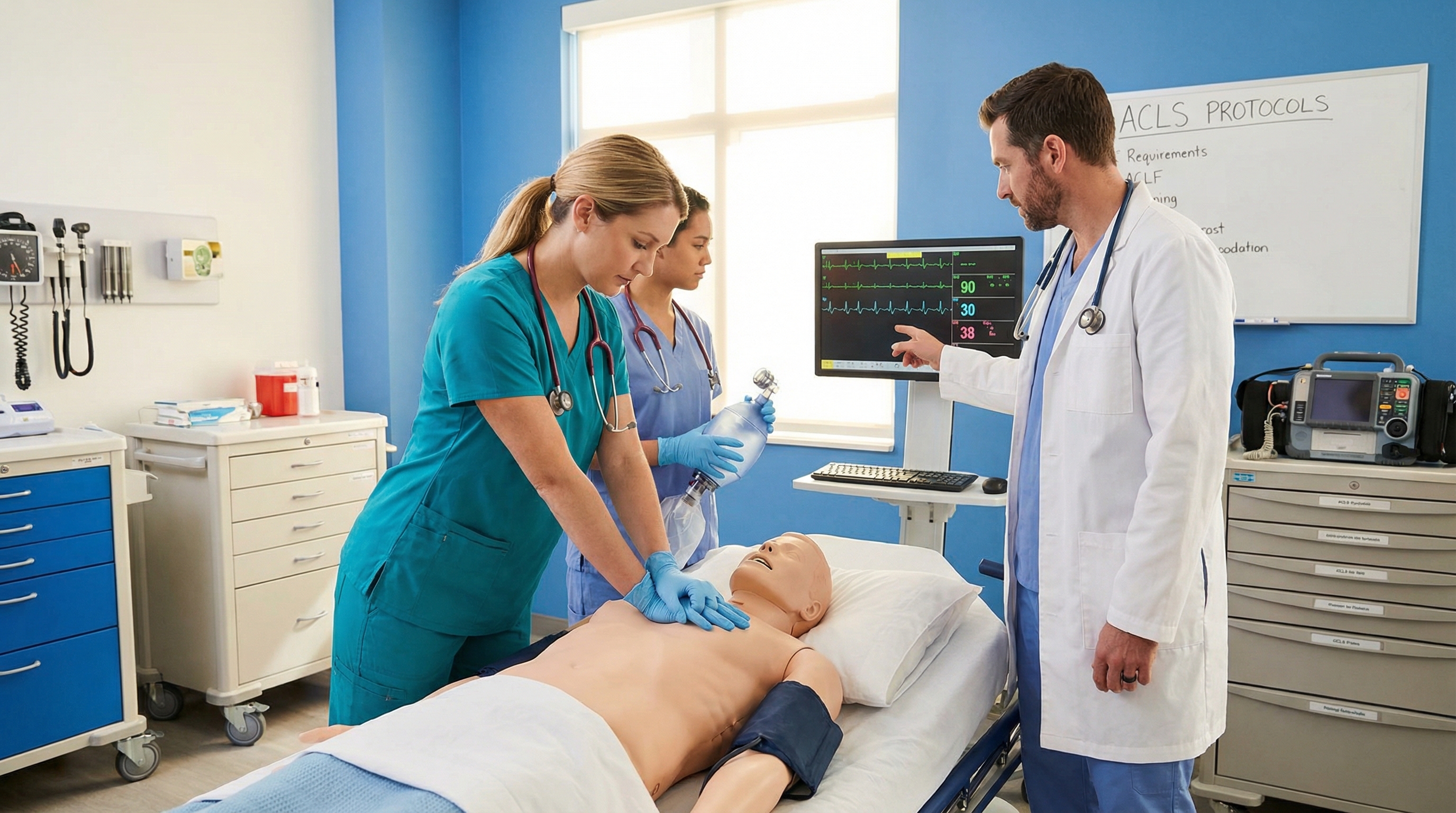
Advanced life support certifications are a crucial step in your healthcare career. These credentials give you the specialized knowledge and skills needed to respond effectively during life-threatening emergencies, potentially making the difference between life and death for your patients.
When you're ready to move beyond Basic Life Support (BLS), you'll have an important decision to make: should you get ACLS or PALS certification first? This certification comparison isn't just about adding qualifications to your resume—it's about strategically building skills that align with your current job and future career plans.
The ACLS vs. PALS decision depends on several factors unique to your situation. Your work environment, the patient populations you serve, and your professional goals all play crucial roles in this choice. Knowing the differences between these advanced life support certifications will help you make an informed decision that benefits both your career development and the patients who rely on your expertise.
For example, if you work in a dental practice where patients may experience anxiety or underlying health issues leading to unexpected medical emergencies, having BLS and ACLS training could greatly improve your team's ability to respond effectively.
This article explains everything you need to know to confidently choose your certification path, whether that means getting BLS certification first or going straight for your ACLS certification online.
Advanced Cardiac Life Support (ACLS) certification equips healthcare providers with the knowledge and skills to manage adult cardiac emergencies and other life-threatening situations. This specialized training goes beyond basic CPR, preparing you to handle complex medical scenarios that require immediate, advanced interventions.
ACLS focuses specifically on adult patients experiencing critical cardiovascular and respiratory emergencies. The certification centers on recognizing and responding to conditions that can quickly become fatal without proper intervention.
ACLS training prepares you for various adult cardiac emergencies that demand quick thinking and precise action:
The advanced cardiac life support curriculum covers critical competencies that directly impact patient survival rates:
ACLS certification serves healthcare professionals who regularly encounter emergency situations:
Your ACLS certification remains valid for two years from the date of completion. You'll need to complete a recertification course before expiration to maintain your credentials and stay current with the latest resuscitation guidelines established by the American Heart Association.
This certification not only enhances your skills but also opens up a world of opportunities in the healthcare field. With the right training, such as those offered by Affordable ACLS, you can excel in your studies, succeed in your certification journey, and be well-prepared to handle real-life emergency situations. In fact, many have shared their real-life success stories where their ACLS training made a significant difference in saving lives.
Pediatric Advanced Life Support (PALS) certification equips healthcare providers with specialized knowledge to manage life-threatening emergencies in infants and children. Unlike ACLS, which addresses adult patients, PALS certification focuses exclusively on the unique physiological characteristics and medical needs of pediatric populations, from newborns to adolescents.
The course addresses critical pediatric emergencies that require immediate intervention. Here are some key areas of focus:
Understanding pediatric physiology and treatment protocols is fundamental to PALS training. It's crucial to understand that:
By studying pediatric physiology, you'll gain insights into how pediatric patients compensate for illness differently than adults. This knowledge will help you recognize early warning signs before full decompensation occurs.
Skills testing in PALS covers essential interventions:
Pediatric nurses, emergency room staff, critical care nurses, respiratory therapists, and paramedics benefit significantly from PALS certification. Anyone who encounters critically ill or injured children in their practice should consider this credential essential to their professional toolkit.
PALS certification remains valid for two years, requiring recertification to maintain active status. The renewal process ensures you stay current with updated guidelines and evidence-based practices in pediatric emergency care.
Consider enrolling in an online PALS course through Affordable ACLS to enhance your skills and ensure you are fully equipped to handle any situation.
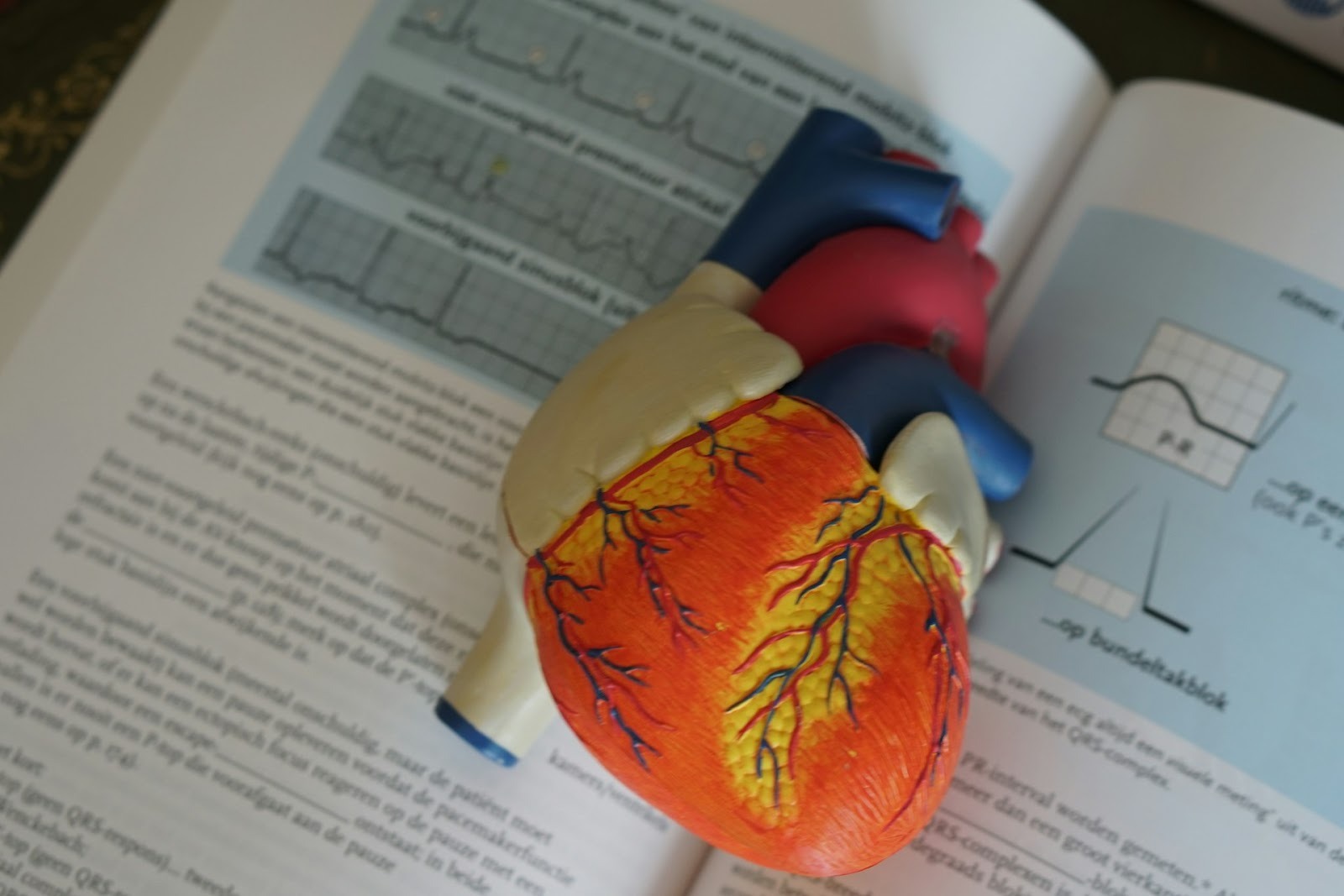
The ACLS vs PALS differences start with the most fundamental distinction: patient population. ACLS certification prepares you to treat adults experiencing life-threatening cardiac and respiratory emergencies, while PALS equips you to handle critical situations involving infants and children from birth through adolescence. This patient population distinction shapes every aspect of each program's curriculum and approach.
The clinical scenarios you'll encounter in each certification reflect these different age groups:
The algorithms you learn in each certification also prioritize different interventions:
The interventions themselves differ substantially:
ACLS interventions include:
PALS interventions focus on:
Understanding these distinctions helps you determine which certification aligns with your clinical practice and which skills you'll actually use in your daily work environment. If you're considering enrolling in either program, make sure to explore options such as group registration key redemption for ACLS courses here.
Your healthcare work environment plays the most significant role in determining which certification you should pursue initially. If you work in a medical-surgical unit, intensive care unit, or general emergency department where you primarily treat adults, ACLS becomes your logical first choice. You'll encounter cardiac arrests, arrhythmias, and acute coronary syndromes far more frequently than pediatric emergencies in these settings.
Pediatric nurses, neonatal intensive care unit staff, and those working in children's hospitals should prioritize PALS certification. You need specialized knowledge about pediatric physiology, dosing calculations based on weight, and age-specific assessment techniques that PALS provides. The certification choice factors become clear when you examine your daily patient interactions.
Emergency room staff face a unique situation. You treat patients across all age groups, from newborns to elderly adults. Many emergency departments require both certifications, but you'll typically start with ACLS since adult patients comprise the majority of emergency visits. You can add PALS certification within your first year of employment.
Consider these workplace-specific scenarios:
Your employer's requirements also influence your decision. Review job descriptions in your specialty area to identify which certification appears more frequently. Many facilities will specify their expectations during the hiring process, giving you clear direction on which credential to obtain first.
Healthcare providers who invest in dual certifications benefits position themselves as versatile assets in any medical setting. You'll find that many experienced professionals eventually pursue both credentials because emergencies don't always respect departmental boundaries.
When you hold both ACLS and PALS certifications, you can respond confidently to any code situation regardless of the patient's age. A cardiac arrest in the waiting room could involve a 65-year-old or a 6-year-old, and you'll have the training to handle either scenario without hesitation. This preparedness becomes particularly valuable in:
You gain a comprehensive understanding of life support principles across the lifespan when you complete both programs. The pediatric assessment skills from PALS enhance your ability to recognize subtle clinical changes, while ACLS sharpens your pharmacological knowledge and rhythm interpretation abilities, such as mastering the Adult Bradycardia with a Pulse Algorithm. These complementary skill sets create a stronger clinical foundation than either certification alone.
Career advancement opportunities expand significantly with dual certifications. You become eligible for positions that require flexibility in patient assignments, and you can fill critical staffing gaps when colleagues are unavailable. Many healthcare facilities offer higher compensation for providers who maintain multiple advanced certifications, recognizing the additional value you bring to their teams.
The confidence you develop from mastering both adult and pediatric emergency protocols translates into better patient outcomes. You'll approach critical situations with a broader perspective, applying age-appropriate interventions while maintaining the systematic approach both courses emphasize.
Moreover, understanding the benefits of ACLS and BLS certification for primary care physicians can further enhance your skill set in handling emergent care situations. As digital health continues to evolve, incorporating ACLS apps into your practice could also significantly improve your emergency preparedness and education. The question remains: should you bundle ACLS and PALS certifications? This is an important consideration for healthcare professionals seeking to maximize their qualifications and enhance their career prospects.

Both ACLS and PALS certifications expire every two years, requiring you to complete the recertification process to maintain your credentials. The American Heart Association sets these timelines to ensure healthcare providers stay current with the latest evidence-based practices and treatment protocols.
The recertification process typically involves:
You'll find that guidelines for both ACLS and PALS undergo regular revisions based on new research and clinical evidence. The American Heart Association updates these protocols approximately every five years, meaning you might encounter significant changes during your certification period. Staying informed about these updates protects your patients and keeps you compliant with current standards of care.
Many healthcare facilities offer refresher courses throughout the two-year certification period, giving you opportunities to practice skills before your official recertification deadline approaches. You should take advantage of these sessions, as emergency response skills can deteriorate without regular practice.
For instance, fitness enthusiasts can greatly benefit from understanding how to stay safe while working out, which includes having an ACLS certification. This knowledge can be lifesaving not just for themselves but also for others around them during emergencies.
The recertification process for ACLS vs. PALS follows identical timelines, allowing you to coordinate your renewal dates if you hold both certifications. Some providers choose to stagger their certifications by obtaining them in different years, spreading out the recertification requirements. Others prefer synchronizing both certifications to complete renewals simultaneously.
Online recertification options have become increasingly available, offering flexible scheduling for busy healthcare professionals. These digital courses maintain the same rigorous standards as in-person training while accommodating various learning preferences and time constraints.
Advanced life support certifications like ACLS and PALS directly impact your ability to save lives during critical emergencies. These certifications equip you with specialized knowledge and skills that transform how you respond when seconds matter most. The difference between a positive patient outcome and a tragic loss often hinges on your preparedness and competency in these advanced interventions.
ACLS vs. PALS: Which Certification Should You Get First? The answer lies in honest self-assessment. Look at your daily work environment, consider the patients you encounter most frequently, and examine your job requirements and career trajectory. Your workplace setting provides the clearest guidance—emergency departments serving all ages may push you toward ACLS first, while pediatric units naturally prioritize PALS.
However, before diving into ACLS or PALS, it's important to have a solid foundation in basic life support (BLS). Affordable ACLS offers comprehensive BLS courses, providing essential life-saving skills for healthcare professionals and first responders at affordable rates.
You don't need to choose just one path permanently. Many healthcare professionals obtain both certifications as their careers evolve. Start with the certification that addresses your immediate clinical needs, then expand your expertise when the opportunity arises. For instance, if you're starting with ACLS, you might benefit from exploring innovative training methods such as the role of Virtual Reality in ACLS skills training, which provides realistic simulations, real-time feedback, and improved skill retention for healthcare professionals.
Your commitment to advanced training demonstrates professional dedication and ensures you're ready when emergencies strike.
.jpg)


.jpg)