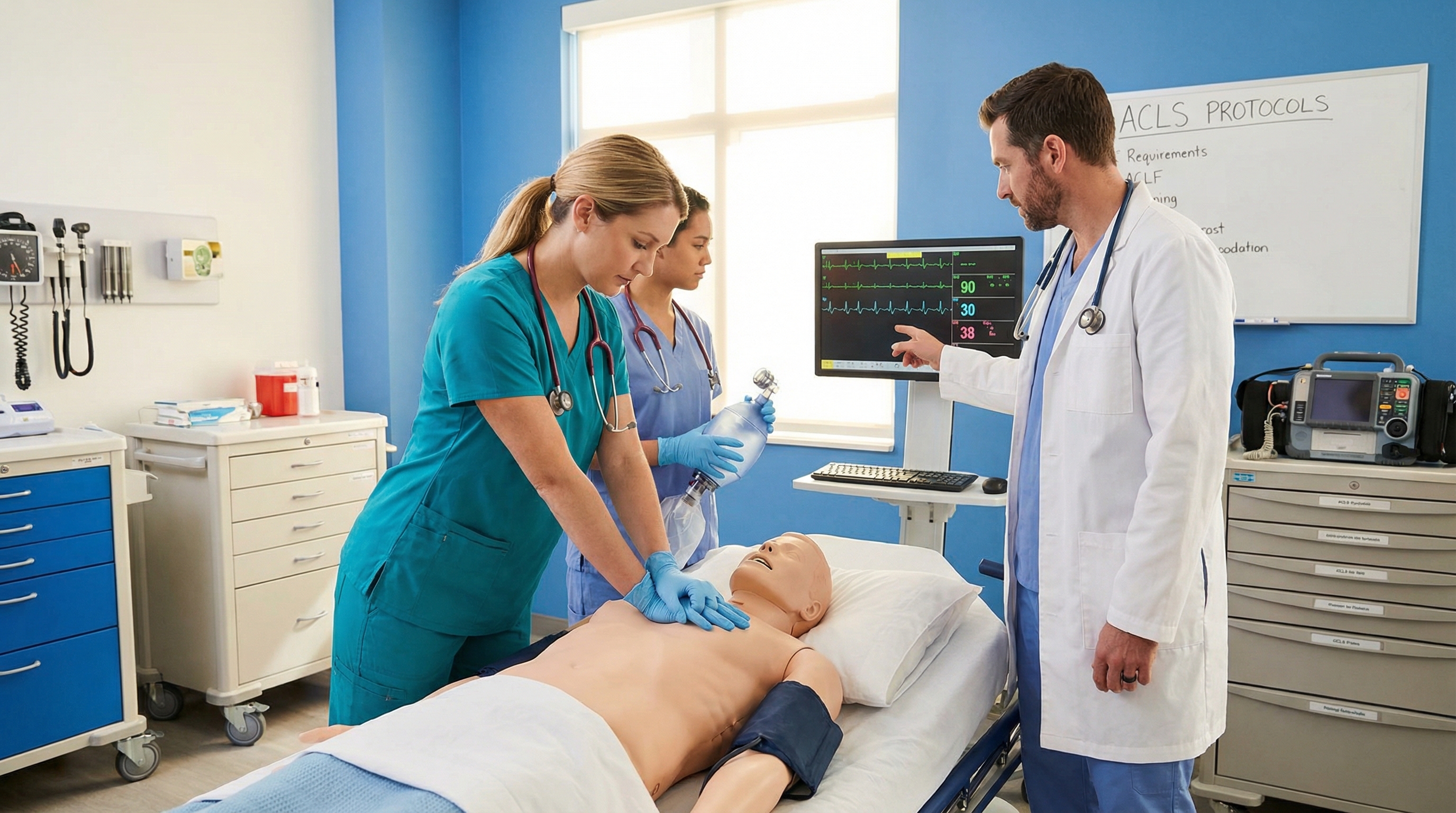
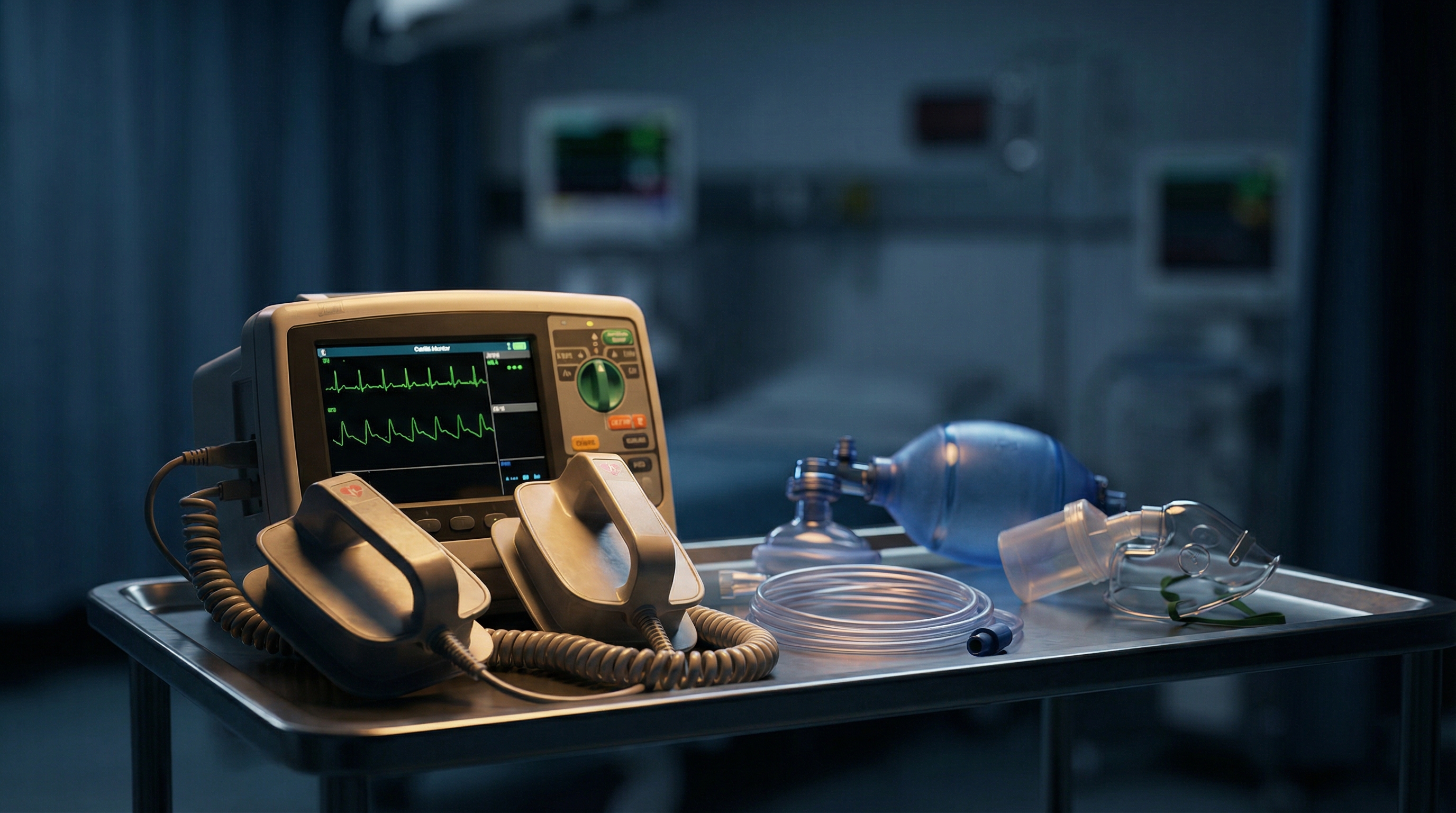
Intraosseous access is a crucial life-saving technique that allows healthcare providers to deliver fluids, medications, and blood products directly into the bone marrow cavity during emergencies. When faced with a patient in cardiac arrest or severe trauma, every second matters. IO access provides that vital entry point into the bloodstream when traditional methods fail.
You might wonder why we need an alternative to standard IV lines. The truth is clear: during emergencies, patients often have collapsed veins due to shock, severe dehydration, or cardiac arrest. Pediatric patients present additional challenges with their smaller, harder-to-reach vessels. Burn victims, IV drug users with scarred veins, and morbidly obese patients all create situations where emergency vascular access through conventional means becomes nearly impossible. IO access bypasses these obstacles entirely by tapping into the intraosseous space—essentially a non-collapsible vein within the bone marrow.
The technique isn't new. Medical professionals first documented IO access in 1922, using it extensively during the 1940s before antibiotics and improved IV technology made it less common. The method experienced a revival in the 1980s with the development of specialized devices like battery-powered drills and spring-loaded insertion guns. Today, IO access is a standard part of advanced life support protocols worldwide, recognized by organizations such as the American Heart Association and European Resuscitation Council.
In high-pressure situations where traditional methods fail, it's crucial for healthcare providers to have the right skills and knowledge. This is where training programs like PALS come in. They provide valuable insights into effectively managing pediatric emergencies.
Additionally, mastering techniques like Intraosseous access requires a deep understanding and practice. For those seeking online courses to improve their skills in this area, implementing best study tips for online course takers can greatly enhance learning outcomes.
While this article focuses on IO access as a critical aspect of emergency response, it's essential to remember that it is just one part of a broader skill set needed in these situations. Comprehensive training programs such as BLS courses can equip individuals with fundamental life-saving abilities beyond what is taught in PALS or ACLS training.
The intraosseous space is a special network of blood vessels inside the bone marrow. Unlike regular veins that can collapse during emergencies like shock or cardiac arrest, this space stays open no matter what the patient's condition is. It's like having a backup route directly into the bloodstream when other paths are blocked.
When you insert an IO needle into the medullary cavity, you're accessing a rich network of venous sinusoids that drain directly into the central venous system. Medications and fluids administered through this route reach the heart within seconds, comparable to central venous access. Studies show that using bone marrow vascular access achieves similar drug concentrations and onset times as traditional IV methods, making it just as effective for delivering critical treatments.
This technique is especially valuable in certain emergency situations:
In these cases, it's important to have thorough training and knowledge about emergency response protocols. For healthcare professionals looking to improve their emergency response skills, signing up for ACLS courses can be helpful. These courses offer essential training designed for different emergency situations.
With intraosseous access, you're essentially overcoming the obstacles posed by collapsed peripheral veins and gaining instant entry to a dependable vascular pathway that stays open when patients need it the most.
You should consider using IO access in the following situations:
Before proceeding with IO access, carefully assess the following contraindications:
To effectively manage critical situations, it is crucial to continuously enhance your skills and knowledge in ACLS (Advanced Cardiovascular Life Support). The role of Virtual Reality in ACLS skills training is becoming increasingly prominent, providing realistic simulations and real-time feedback that significantly improve skill retention for healthcare professionals.
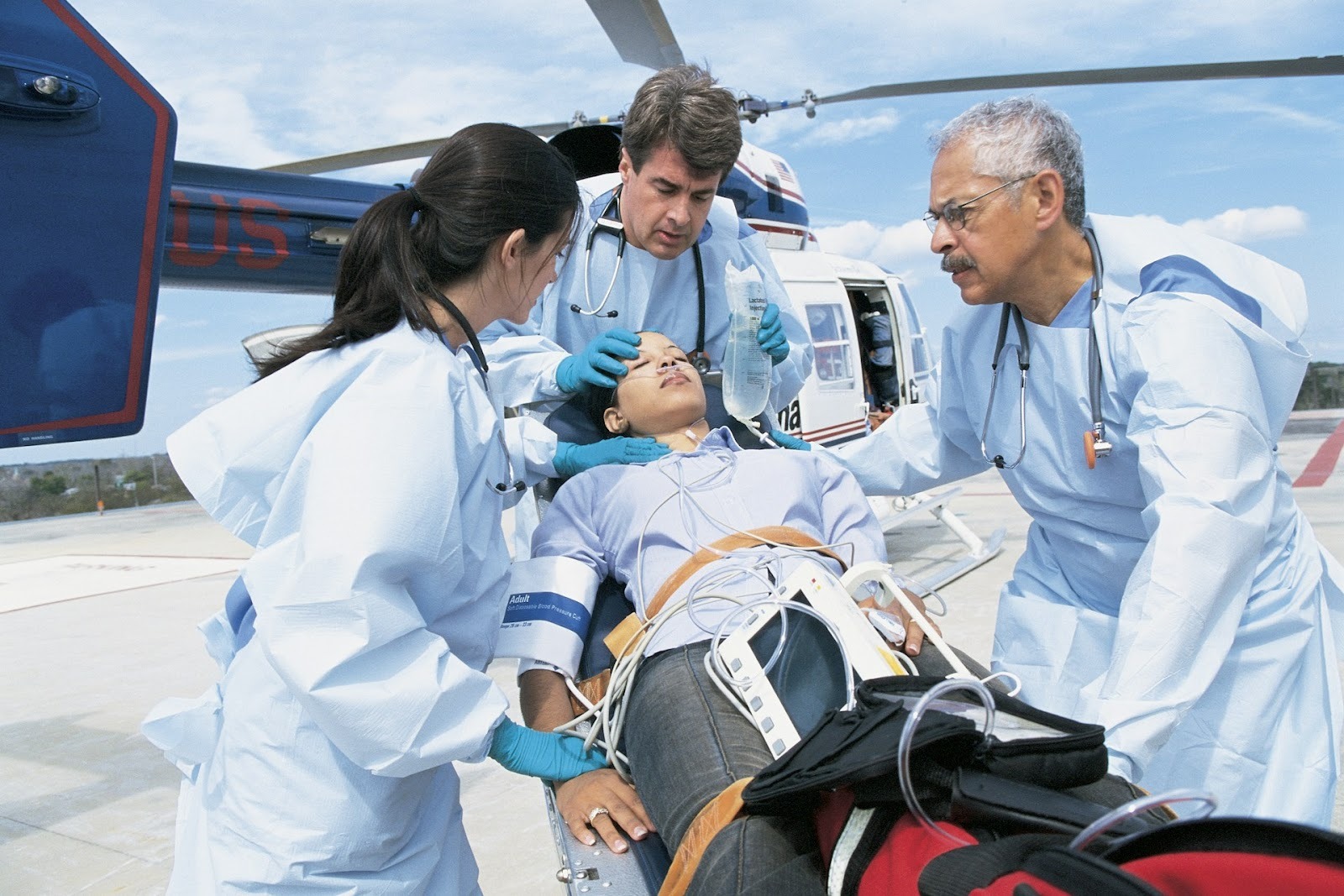
Proper equipment preparation ensures successful IO insertion during emergencies. You need to gather specific supplies before attempting the procedure.
The choice of needle depends on patient weight and anatomy. Pediatric patients typically require 15-18mm needles, while adults need 25-45mm lengths. You'll select shorter needles for proximal tibia insertions and longer ones for humeral access in obese patients.
Three primary device types facilitate insertion:
The IO insertion technique requires methodical execution to ensure patient safety and procedural success. You'll need to follow these critical steps when establishing intraosseous access in emergency situations.
In emergency situations where advanced cardiac life support is required, it's crucial to have proper certification. You can get your ACLS certification online in just three easy steps, making it an affordable and convenient option for healthcare professionals looking to advance their careers.
Choosing the right insertion site depends heavily on patient age, clinical circumstances, and provider experience. Each anatomical location offers distinct advantages that make it suitable for specific emergency scenarios.
The proximal tibia IO site serves as the gold standard for children. You'll locate this site on the flat anteromedial surface of the tibia, approximately 1-2 cm below the tibial tuberosity. This location provides easy access, minimal overlying tissue, and a large marrow cavity. The primary limitation involves potential growth plate damage in very young patients, though this risk remains minimal with proper technique.
The distal tibia represents an alternative pediatric site, positioned 1-2 cm above the medial malleolus. You can access this location quickly during active resuscitation when the patient's head and upper body are crowded with other providers.
The humerus IO site has gained preference in adult emergency medicine. You'll identify this location at the surgical neck of the humerus, with the patient's hand placed on their abdomen. This site offers rapid access to central circulation and allows simultaneous chest compressions during cardiac arrest. The limitation includes the need for proper patient positioning and slightly more complex anatomical landmarks.
The proximal tibia remains viable in adults, located 2 cm medial to the tibial tuberosity. This site works well when the humerus is inaccessible due to trauma or positioning constraints.
The sternum provides an option for adult patients using specialized devices, though it's contraindicated in chest trauma. The distal femur serves as a backup site when other locations are compromised by fractures, burns, or infection.
In such critical situations where advanced life support is required, group registration key redemption can be utilized to access essential training resources that enhance patient care and improve outcomes.
Once you've successfully placed the IO needle, securing it becomes your immediate priority. You'll want to apply sterile dressing around the insertion site and use tape or commercial stabilization devices to prevent any movement. The needle must remain perpendicular to the bone surface—any shift in angle risks dislodgement or extravasation of fluids into surrounding tissues.
Neurovascular monitoring forms the backbone of post-insertion care. You need to establish a baseline assessment immediately after placement and repeat these checks hourly while the IO line remains in use. This vigilance continues for 24 hours after removal, as complications can develop even after the needle is out.
Your assessment should include:
In these high-stakes situations, having advanced skills can significantly improve patient outcomes. This is where certifications like ACLS and BLS become invaluable for primary care physicians, equipping them with essential emergency care skills that can be life-saving. For a detailed understanding of the benefits of such certifications for primary care physicians, you may want to explore this resource on the benefits of ACLS and BLS certification.
Furthermore, as we embrace technological advancements in healthcare, it's important to note how AI is transforming various aspects of medical care. In emergency cardiac scenarios, for instance, AI's impact is significant—it enhances diagnosis accuracy, treatment precision, and overall patient outcomes through advanced data analysis and real-time decision support. This transformation in emergency cardiac care is worth exploring further in this article on the impact of AI on emergency cardiac care.
You should document each assessment in the patient's medical record, noting the time and any changes from previous observations. Any concerning findings warrant immediate investigation and potential removal of the IO access.
While intraosseous access is generally safe, it's important to be aware of potential complications that can occur during or after the procedure. By understanding these risks and taking steps to prevent them, you can protect your patients from harm.
One of the most serious complications you might encounter with IO access is compartment syndrome. This occurs when fluids leak into surrounding soft tissues instead of entering the bone marrow cavity, causing pressure to build within the fascial compartments. To prevent this complication, you can:
Infection control measures during intraosseous insertion are crucial for patient outcomes. When sterile technique is not followed, infections such as cellulitis, osteomyelitis, and abscess formation can occur. You can protect against these infections by:
Other complications to be aware of include needle dislodgement, bone fractures, growth plate injuries in pediatric patients, and very rare cases of fat embolism.
To improve emergency preparedness and education, incorporating digital health tools such as ACLS apps can be helpful. These resources provide valuable information and guidance that can assist in preventing complications during procedures like intraosseous access.
The gap between IO access effectiveness and its actual use in clinical practice stems from a fundamental problem: clinician unfamiliarity. Many healthcare providers receive minimal hands-on experience with the technique during their training, creating hesitation when seconds matter most. You might know the theory behind IO insertion, but without practical experience, the pressure of an emergency situation can make you default to repeated IV attempts instead.
Simulation training programs for improving skills in emergency vascular access procedures have transformed how medical teams prepare for these critical moments. These programs create realistic scenarios where you can practice IO insertion on anatomical models without patient risk. The tactile feedback from feeling the "pop" as the needle enters the medullary space becomes familiar rather than foreign.
Team-based drills take this training further by incorporating the entire resuscitation team. You learn not just the technical skill of needle insertion, but how to communicate your intentions, delegate tasks, and troubleshoot problems in real-time. Research shows these structured training sessions significantly boost procedural success rates—often exceeding 90% among trained providers compared to much lower rates among those without formal IO education.
The confidence gained through repeated simulation practice directly translates to faster decision-making during actual emergencies. You stop second-guessing whether to attempt IO access and instead recognize it as your reliable backup when IV access fails.
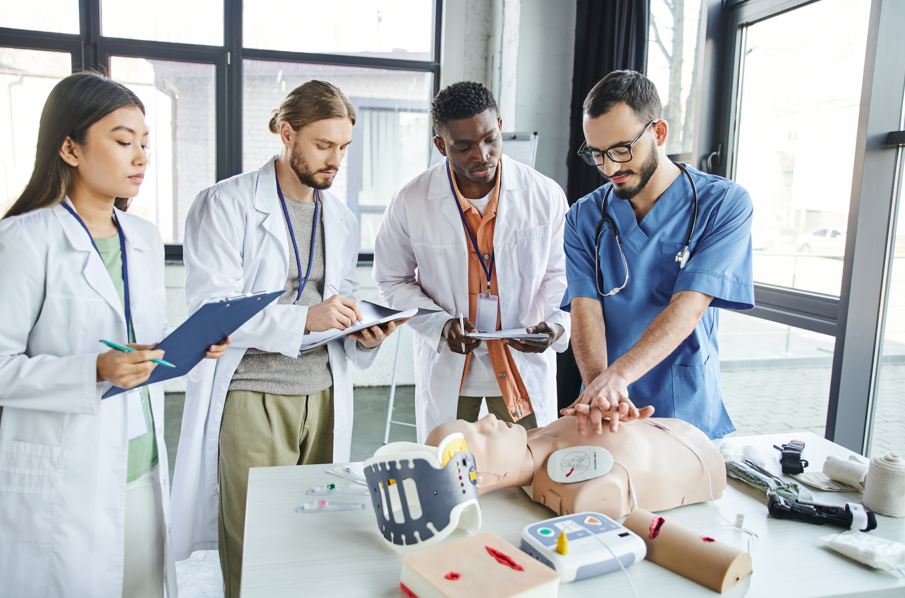
However, it's not just about mastering intraosseous access techniques or enhancing team readiness through BLS and ACLS training. It's also about understanding the broader context of emergency medical situations that can arise in various fields, including outpatient settings or even during routine dental procedures.
For instance, knowing how to deal with ventricular fibrillation is crucial for any healthcare provider. Similarly, BLS certification can greatly benefit professionals in high-risk fields like electrical contracting by boosting safety and teamwork.
Moreover, ACLS training is not only essential for healthcare providers but also for fitness enthusiasts who may encounter medical emergencies while working out. Therefore, comprehensive training that includes both technical skills like IO insertion and general emergency response strategies such as BLS and ACLS is vital for all healthcare providers and related professionals.
Intraosseous access is a crucial intervention when survival outcomes are determined by seconds. The rapid vascular access benefits through intraosseous techniques allow you to provide essential fluids, medications, and blood products during cardiac arrest, severe trauma, and other life-threatening emergencies where traditional IV access fails or delays care.
However, successfully managing such emergencies requires more than just knowing how to establish intraosseous access. It also involves mastering post-resuscitation care. For example, understanding the Post Cardiac Arrest Algorithm can significantly improve patient outcomes after a cardiac event.
Furthermore, if you're working with pediatric patients, it's essential to be familiar with specific protocols. The Pediatric Basic Life Support Algorithm, especially when two rescuers are present, can be a lifesaver in such situations. Similarly, obtaining a PALS certification can equip you with vital skills for handling emergencies in children.
To further enhance your skills, the A Step-by-Step Guide to Intraosseous Access in Emergency Situations will provide you with the necessary knowledge to implement this technique confidently. The evidence is clear: IO access saves lives when performed correctly and promptly.
You need to prioritize IO training in your clinical practice. Seek out simulation-based programs, participate in hands-on workshops, and practice the procedure until it becomes second nature. Your patients' survival may depend on your ability to establish this access route without hesitation. Make IO proficiency a non-negotiable skill in your emergency response toolkit.
Finally, remember that quick and skilled responses can make all the difference in emergency situations. The real-life success stories from ACLS cases serve as a testament to this fact.
.jpg)


.jpg)